

Specialties · Plano office and Texas telehealth
Gentle, child-centered therapy in our Plano playroom for kids working through big feelings, worry, or hard experiences.
In person or online
Plano office, Texas telehealth
Evidence-based
research-backed approaches

At a glance
Young children don’t always have the words for what they feel, but they can show us through play. In child-centered play therapy, toys become their words. Your child leads, the therapist follows, and the playroom becomes a safe place to work through tough feelings and find their own solutions. It suits children about 3 to 12.
Talk therapy
Play therapy
Words and conversation
Toys, art, sand tray and pretend play
The therapist guides the conversation
Your child chooses how to play
Being able to name feelings
Nothing more than being a child
Older kids, teens and adults
Children about 3 to 12
Varies
Regular parent consultations
On this page
Overview
Young children don’t always have the words for what they’re feeling, but they can show us through play. In child-centered play therapy, toys become their words. Your child leads, and the therapist follows, creating a safe space where they can work through tough feelings and find their own solutions.
At Layers Counseling Specialists, play therapy is offered by Jessica Morales, LPC-Associate, in our Plano playroom, for children about 3 to 12 years old.
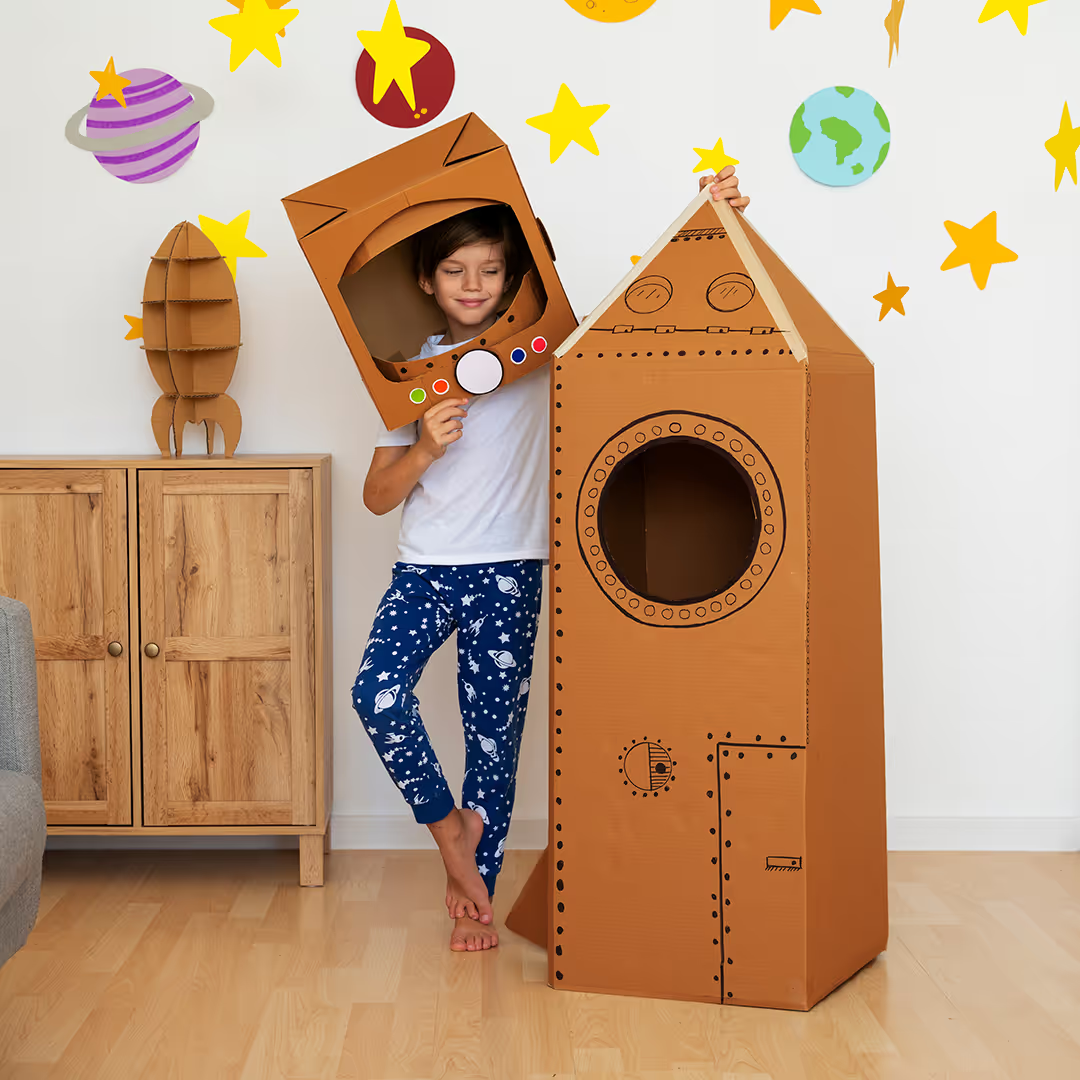
Every child has hard days. These patterns often mean play therapy could help:
Jessica is trained in child-centered play therapy. In a specially designed playroom, your child chooses how to play, and she reflects back what she sees in words they can understand.
You’ll meet with Jessica about once a month for parent consultations, so you know what’s changing and how to support it at home.
Who it's for
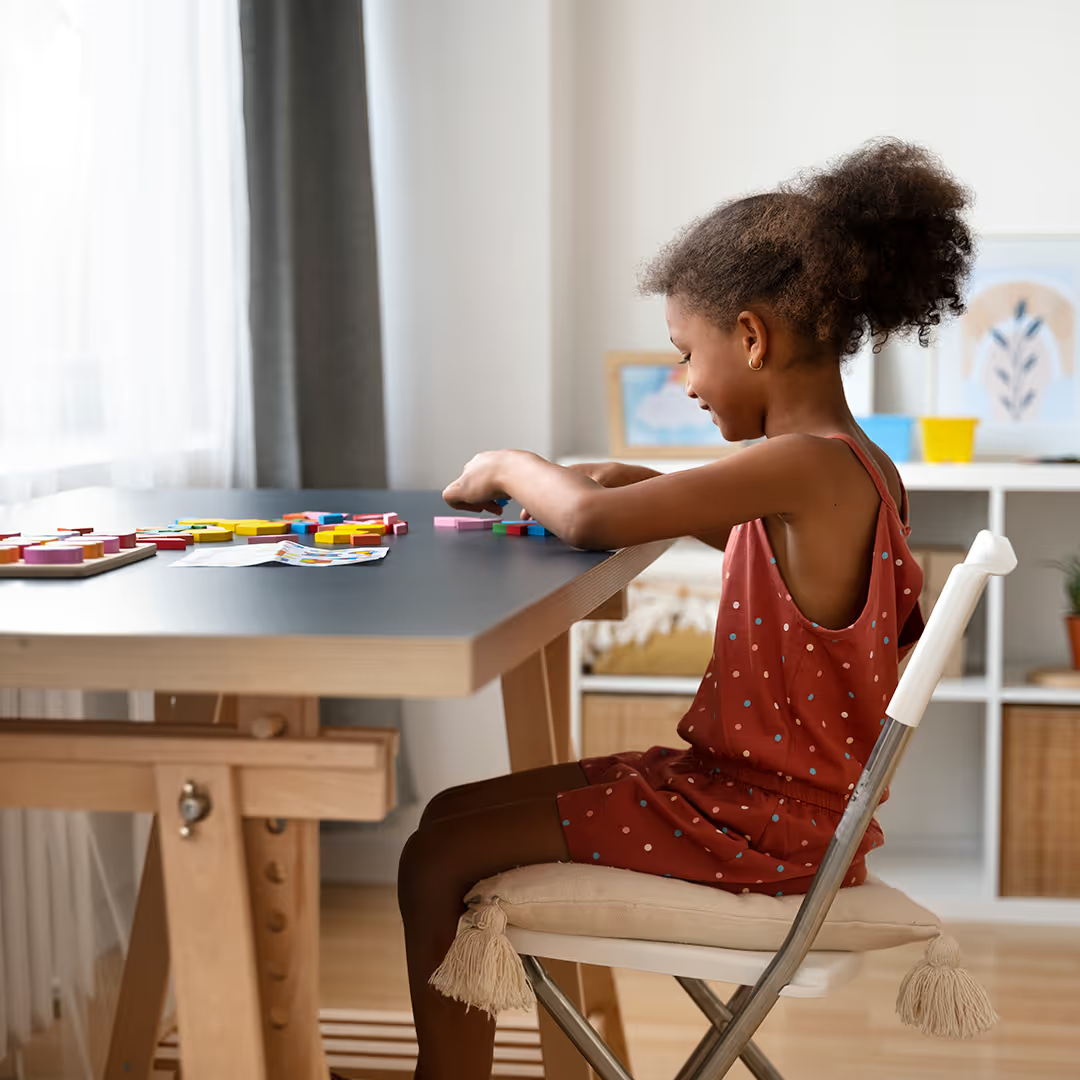
Children whose fears get in the way of school, sleep, or play.
Children affected by loss, divorce, or trauma.
Kids whose frustration comes out as meltdowns or anger.
For autistic and ADHD children, we also offer AutPlay therapy.
Your child chooses how to play, and the therapist reflects back what they see in words your child understands.
Anger, fear or sadness come out in play, without having to name what happened.
Children work through challenges on their own terms and find their own solutions.
Feeling accepted and capable in the playroom carries into school and home.
Kids find healthy ways to manage emotions, then take them home.
Our playroom has sand tray, art, puppets and figures, in a calm space built for children. For autistic and ADHD kids, we also offer AutPlay therapy.
Why Layers
Jessica is trained in child-centered play therapy and is a certified AutPlay therapy provider.
Monthly consultations keep you informed and give you practical tools, without breaking your child’s trust.
Sand tray, art, puppets, and figures, in a calm space built for children.
A 15-minute video call with the therapist. Ask about their approach, scheduling and fees. Most people start within about a week.
Fifty minutes with you on what you are seeing at home and school, and what your child loves.
Your child explores the playroom and gets comfortable with the therapist.
Regular check-ins keep you informed and give you practical tools for home.
Who you'll work with
Read about each therapist’s experience and approach to care.

Jessica, who has ADHD herself, offers neurodiversity-affirming care for ADHD, autism, and trauma, plus AutPlay for kids, in sensory-friendly sessions without forced eye contact.
jessica-morales
https://layerscounselingspecialists.clientsecure.me/request/date?clinicianId=1667142¤tTimeZone=America%2FChicago&preselected=true
Waitlist
Book a free consult
Alesha uses play therapy, AutPlay, and sandtray to help neurodivergent kids and teens handle big feelings, with sensory friendly sessions and parents as partners.
alesha-mizeur
https://layerscounselingspecialists.clientsecure.me/request/date?clinicianId=2158053¤tTimeZone=America%2FChicago&preselected=true
Accepting new clients
Book a free consultPlay is how young children communicate. A trained play therapist uses it to help children work through feelings and experiences they can’t yet put into words.
Children about 3 to 12. Older kids and teens usually do better with talk-based approaches like CBT.
Yes. Regular parent consultations share what’s changing and how to support it at home, while protecting your child’s trust in the playroom.
Play therapy happens in person at our Plano playroom.
Read When should a child start therapy? for signs to watch for.
We are private pay, so nothing goes through your insurance unless you choose to submit it. We can give you a superbill for possible out-of-network reimbursement, and HSA and FSA cards work.
Next step
A free 15-minute video call with the clinician you want to work with. Ask anything about their approach, scheduling, or fees before you commit.


