

Specialties · Plano office and Texas telehealth
Face fears step by step, let go of the compulsions, and get your life back.
In person or online
Plano office, Texas telehealth
Evidence-based
research-backed approaches

At a glance
Exposure and response prevention (ERP) is the most studied therapy for obsessive-compulsive disorder (OCD), and it also helps with related anxiety such as phobias and health anxiety. You gradually face the thoughts and situations that trigger fear or doubt, and you practice not doing the compulsion that usually follows. Over time, your brain learns it can handle the discomfort.
General talk therapy
ERP
Understanding feelings and where they come from
Changing what you do when OCD or anxiety shows up
Mostly conversation
Planned practice with a trigger, at a pace you agree to
Can end up reassuring the worry
Builds tolerance for doubt without reassurance
Reflection
Short practice tasks in daily life
Less support on its own
The most studied OCD treatment
Looking for help with OCD itself? See OCD therapy in Plano.
On this page
Overview
Exposure and response prevention (ERP) is the most studied treatment for obsessive-compulsive disorder (OCD). It also helps with related anxiety, like phobias and health anxiety. The idea is simple, even if doing it takes courage: you gradually face what scares you, and you practice not doing the ritual that usually follows.
At Layers Counseling Specialists, ERP is part of our everyday work. We offer it to children, teens, and adults at our Plano office and online anywhere in Texas.
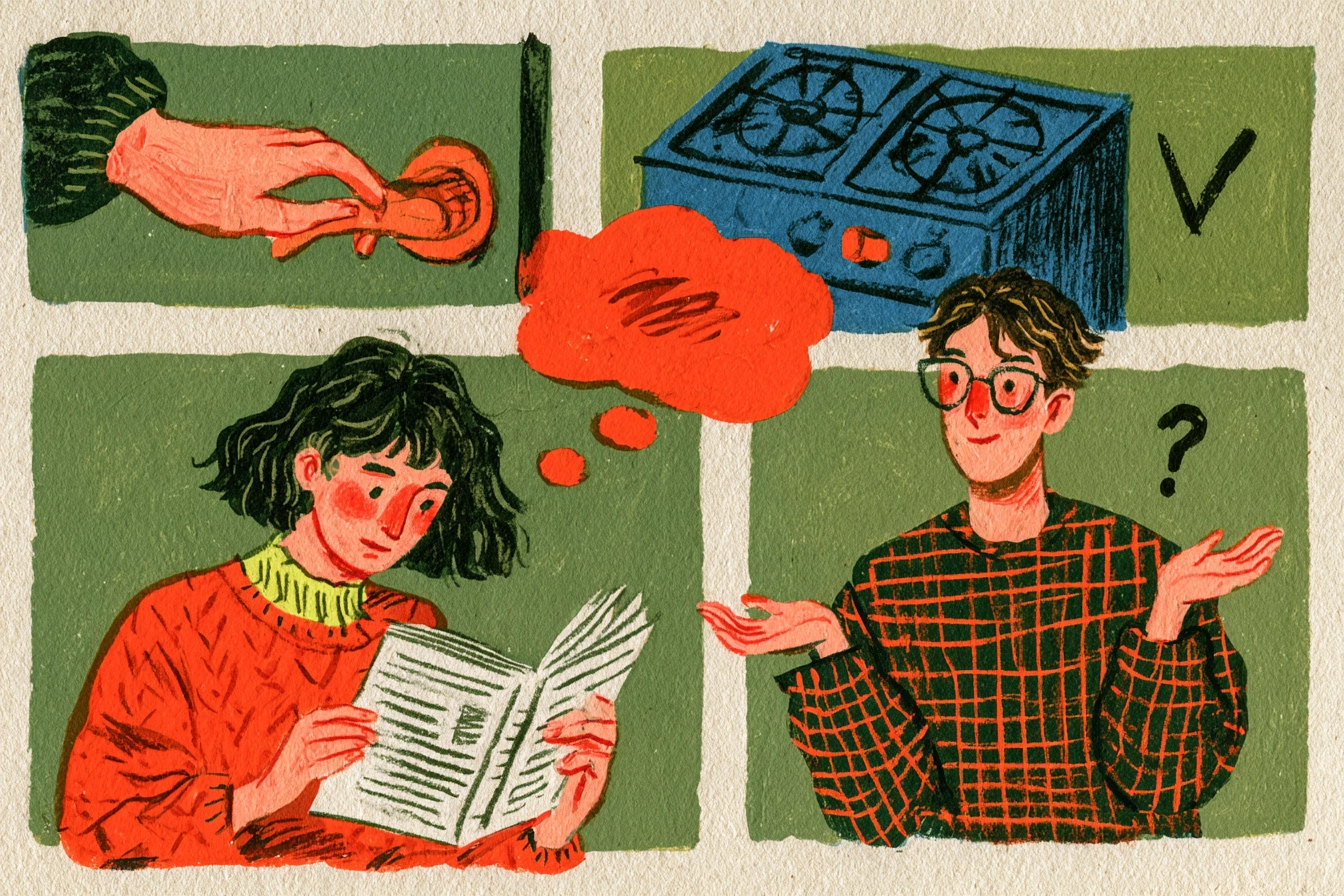
OCD and anxiety teach your brain that you need a ritual, a check, or an escape to be safe. ERP helps your brain learn something new: that you can feel the anxiety or doubt and be okay without doing anything about it.
The “exposure” part means facing a trigger on purpose, starting small. The “response prevention” part means not doing the compulsion or avoidance afterward. With practice, you learn you can handle the fear, it usually loosens its grip, and your confidence grows.
ERP is done with you, never to you. Here’s how it usually goes:
We map your triggers, fears, and rituals, including the mental ones, so we both see how OCD or anxiety works for you.
We list situations from easier to harder. You decide where to start, and we move up only when you’re ready.
We do exposures together first, then you practice between sessions in the places where the fear actually shows up.
As things improve, we plan for setbacks and build habits that keep OCD from creeping back.
We often combine ERP with acceptance and commitment therapy (ACT). For mental compulsions, our founder, Karla Pineda, LPC, also uses rumination-focused ERP.
Who it's for

Exposures are made playful and age-appropriate, and parents learn how to support the work at home without giving in to the rituals.
Whether you’ve struggled for years or are just realizing it’s OCD, ERP helps you break the cycle and take back your time.
If your child isn’t ready for exposures or won’t come to therapy, SPACE lets you reduce their anxiety and OCD by changing how you respond at home.
ERP is done with you, never to you. You decide where to start, and we move up only when you’re ready.
Exposures are playful and age-appropriate, and parents learn how to support the work at home without giving in to the rituals.
For reviewing, analyzing and reassurance in your head, we practice letting the thought stay unanswered. Read about compulsions you can’t see.
Acceptance and commitment therapy (ACT) helps you make room for discomfort and keep moving toward what matters while you practice.
ERP isn’t the right fit for everyone. Inference-based CBT (I-CBT) treats OCD by working on the doubt itself, with no exposures.
If your child isn’t ready for exposures or won’t come to therapy, SPACE lets you reduce anxiety and OCD by changing how you respond at home.
Why Layers
Our therapists have specialized ERP training and use it every week with children, teens, and adults.
You’ll never be surprised with an exposure. We aim for challenging but doable and adjust as we go.
ERP isn’t the right fit for everyone. Inference-based CBT (I-CBT) treats OCD by working on the doubt itself, with no exposures.
A 15-minute video call with the therapist. Ask about their approach, scheduling and fees. Most people start within about a week.
We map your triggers, fears and rituals, including the mental ones, so you can see how OCD or anxiety works for you.
We list situations from easier to harder. You choose the first step, and nothing is added without your agreement.
We do exposures together first, then you practice between sessions where the fear actually shows up.
Who you'll work with
Read about each therapist’s experience and approach to care.

Karla recovered from OCD through exposure and response prevention (ERP) herself, and now helps adults stuck in what-if loops. She also offers Accelerated Resolution Therapy (ART) for trauma.
karla-pineda
https://layerscounselingspecialists.clientsecure.me/request/date?clinicianId=1388690¤tTimeZone=America%2FChicago&preselected=true
Waitlist
Book a free consult
Rachel treats OCD in kids and adults and specializes in ARFID, when eating narrows to a few safe foods. Through SPACE, she coaches parents to help an anxious child, even one not ready for therapy.
rachel-tipsword
https://layerscounselingspecialists.clientsecure.me/request/date?clinicianId=1532211¤tTimeZone=America%2FChicago&preselected=true
Accepting new clients
Book a free consult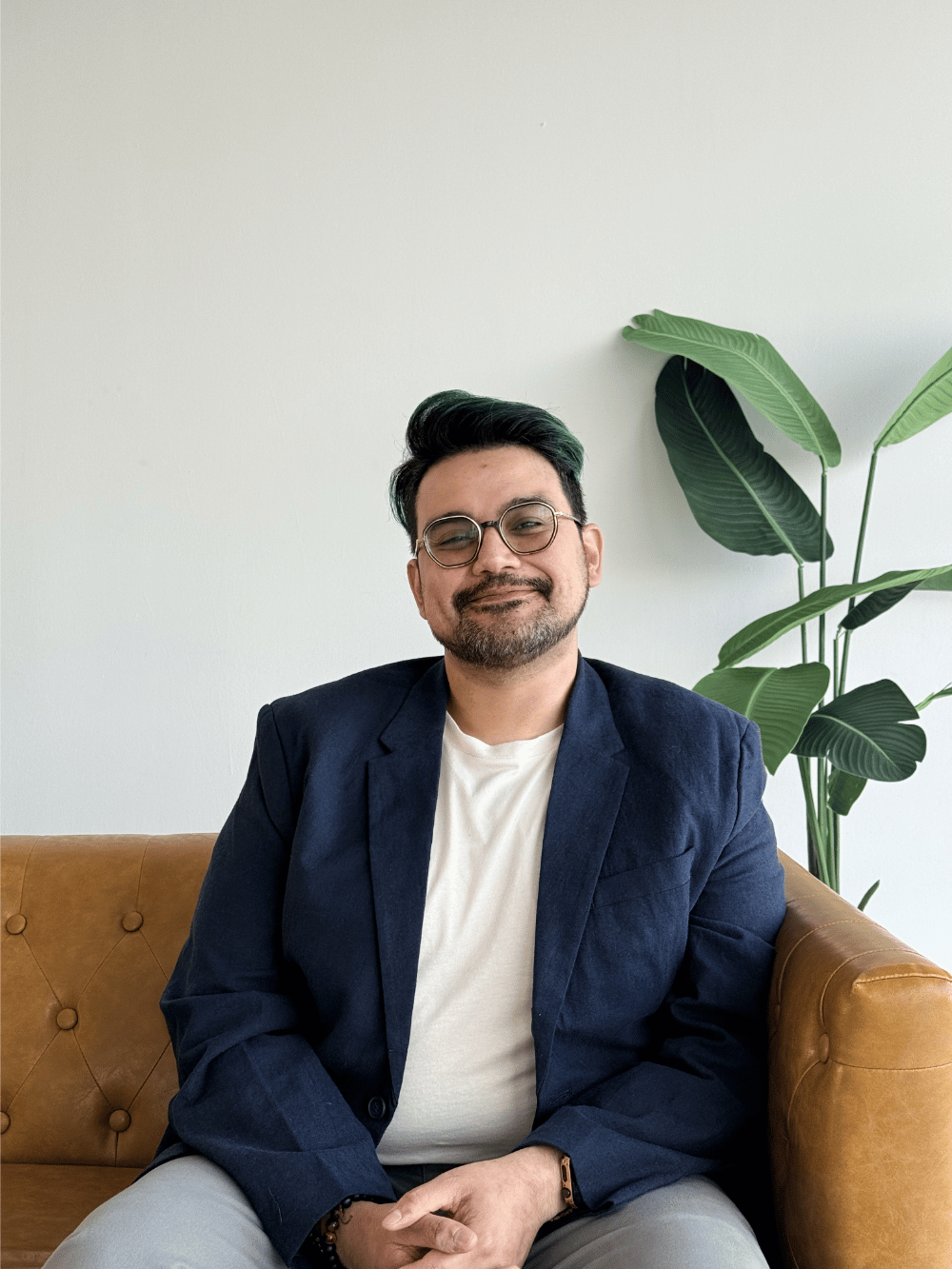
Isaac offers ERP for OCD and anxiety in English or Spanish, plus trauma-informed care, for children, teens, and adults. His warm, structured style comes from 13 years in public schools.
isaac-rosas-lmsw
https://layerscounselingspecialists.clientsecure.me/request/date?clinicianId=2008557¤tTimeZone=America%2FChicago&preselected=true
Waitlist
Book a free consult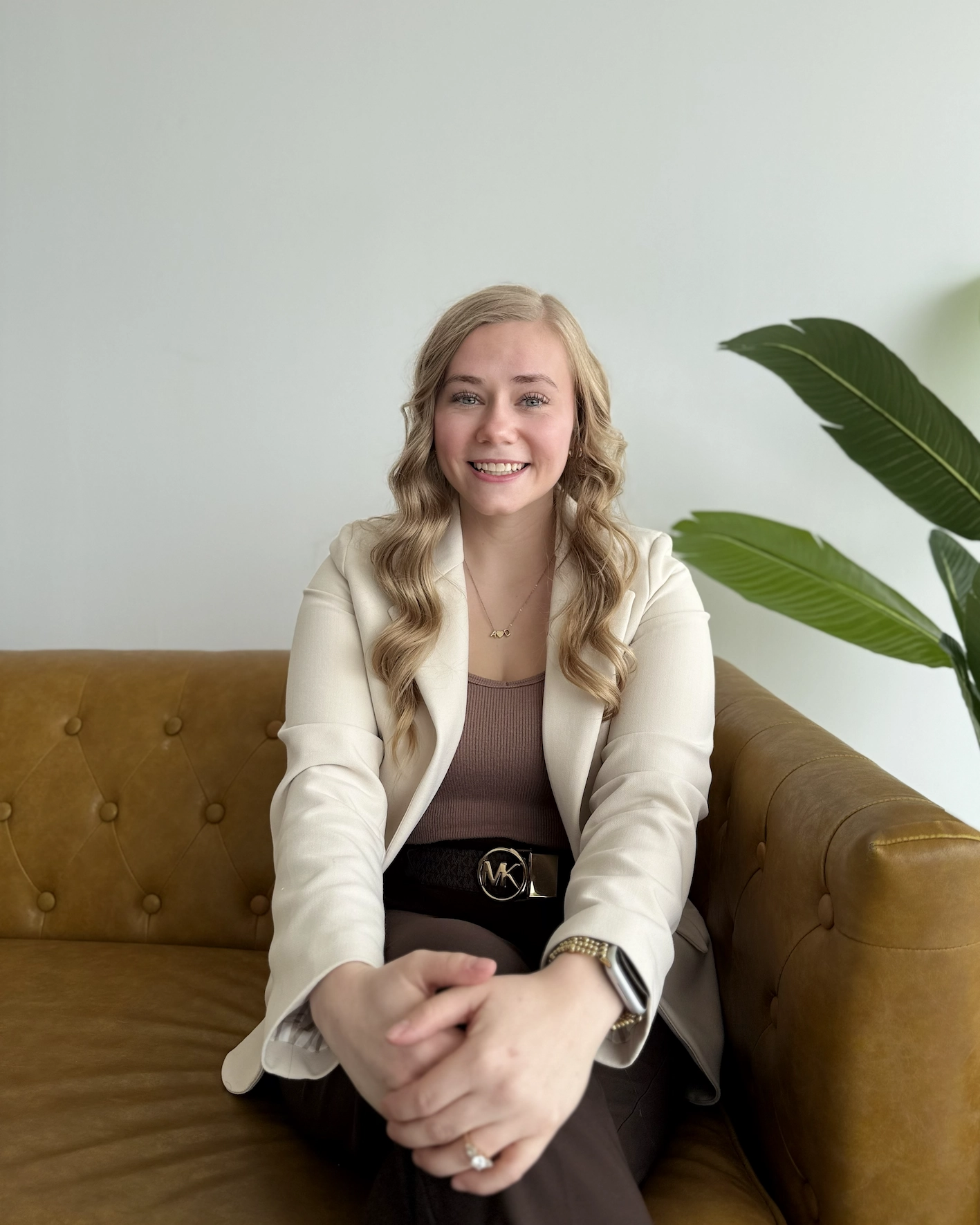
Alesha uses play therapy, AutPlay, and sandtray to help neurodivergent kids and teens handle big feelings, with sensory friendly sessions and parents as partners.
alesha-mizeur
https://layerscounselingspecialists.clientsecure.me/request/date?clinicianId=2158053¤tTimeZone=America%2FChicago&preselected=true
Accepting new clients
Book a free consultIt asks you to feel some discomfort on purpose, and you are in charge of how much. We start small and aim for challenging but doable, so each step builds confidence.
Yes. Mental reviewing and self-reassurance are compulsions too, and ERP targets them by practicing letting thoughts stay unanswered.
ERP was built for OCD, and the same exposure principles help with phobias, health anxiety and other anxiety disorders.
Yes. Exposures are turned into games and small challenges, and parents learn their part so progress continues at home.
Pacing, the plan and the fit with your therapist all matter. We can adjust how ERP is done, add ACT, or try I-CBT, which uses no exposures.
Yes. Sessions happen at our Plano office or by secure video from anywhere in Texas. Online ERP is often an advantage, because practice can happen right where the triggers are.
We are private pay, so nothing goes through your insurance unless you choose to submit it. We can give you a superbill for possible out-of-network reimbursement, and HSA and FSA cards work.
Next step
A free 15-minute video call with the clinician you want to work with. Ask anything about their approach, scheduling, or fees before you commit.


