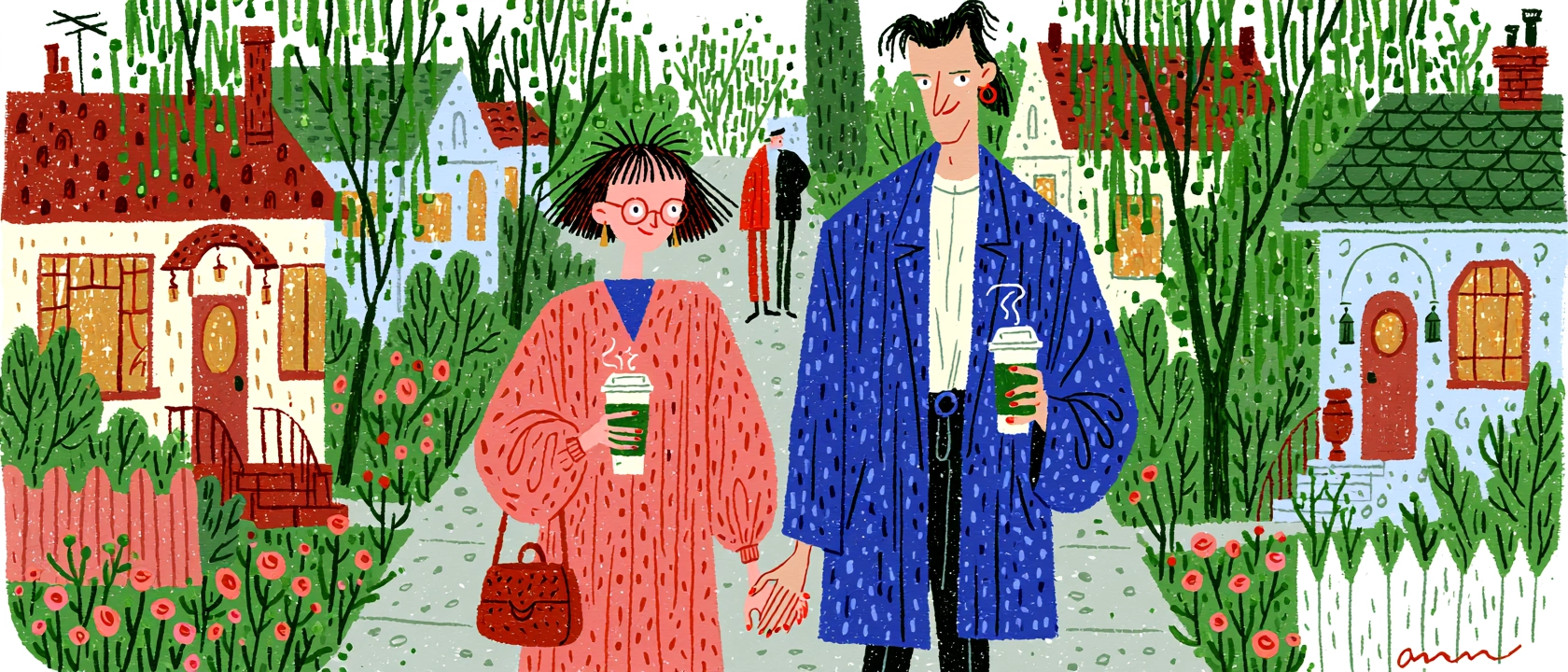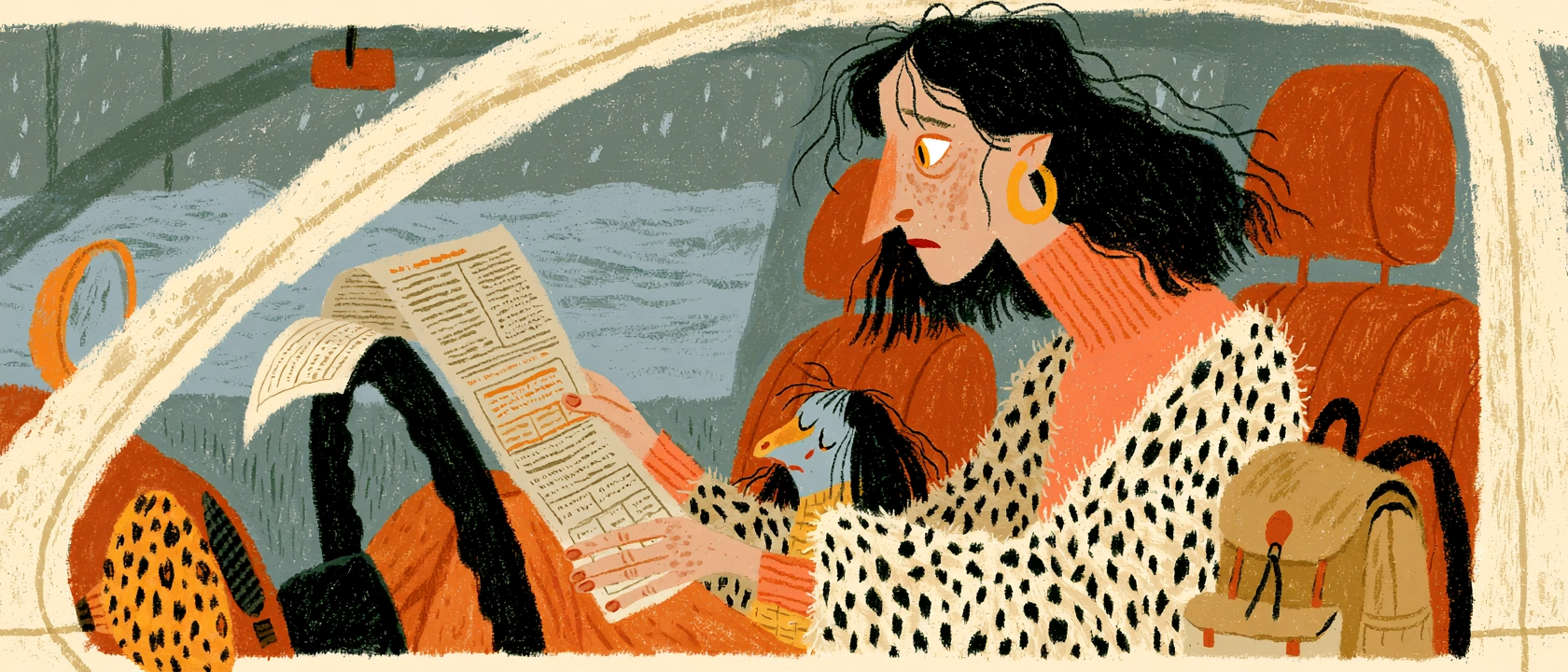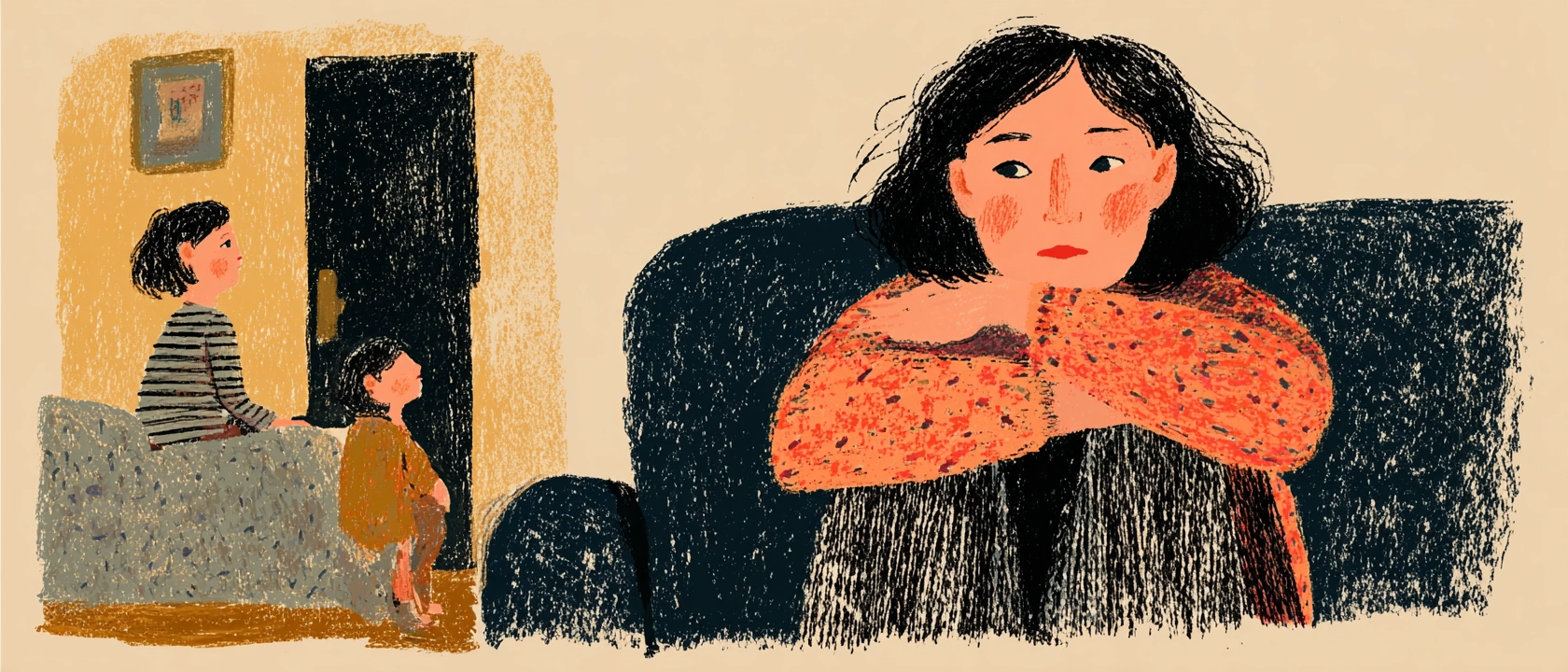
You watch her walk into school and flip a switch. She smiles and makes the right amount of eye contact. Her “good morning” hits the correct tone. Her teacher says she's a dream: quiet, helpful, mature for her age.
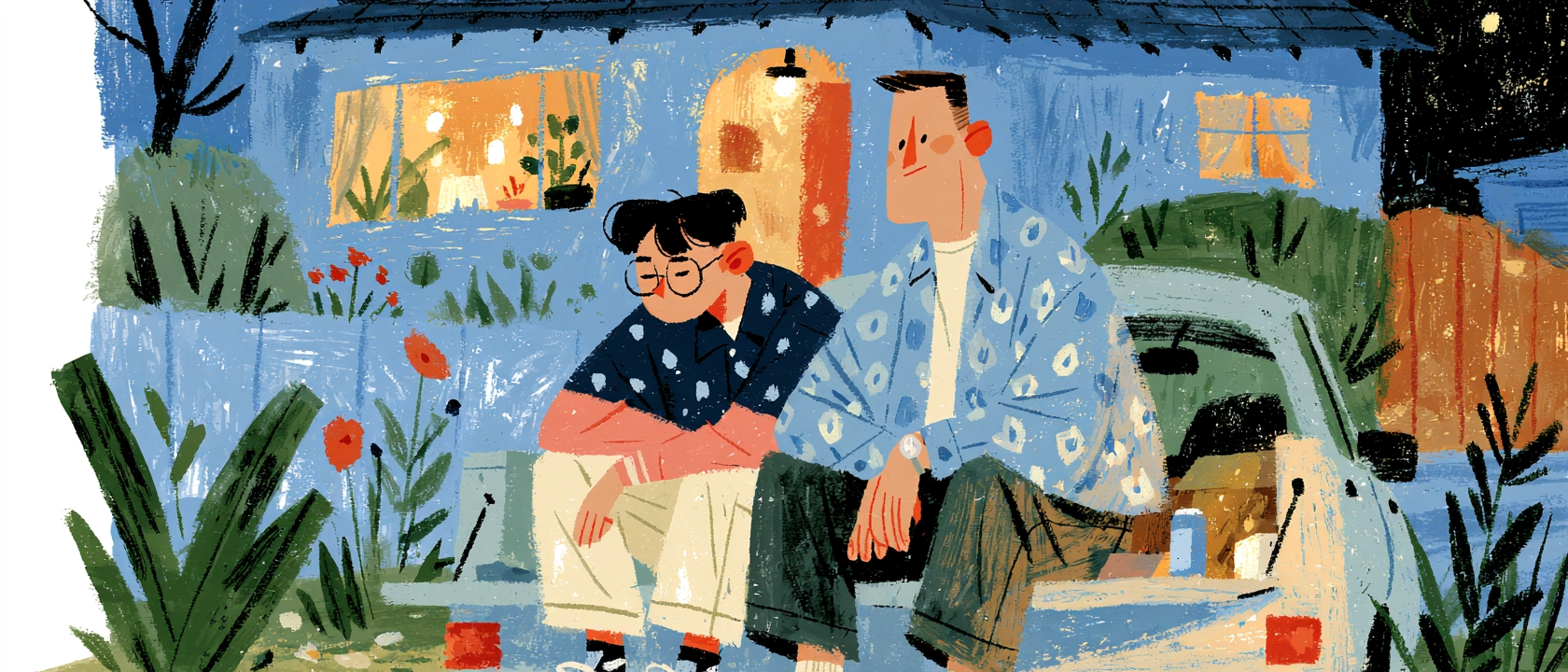
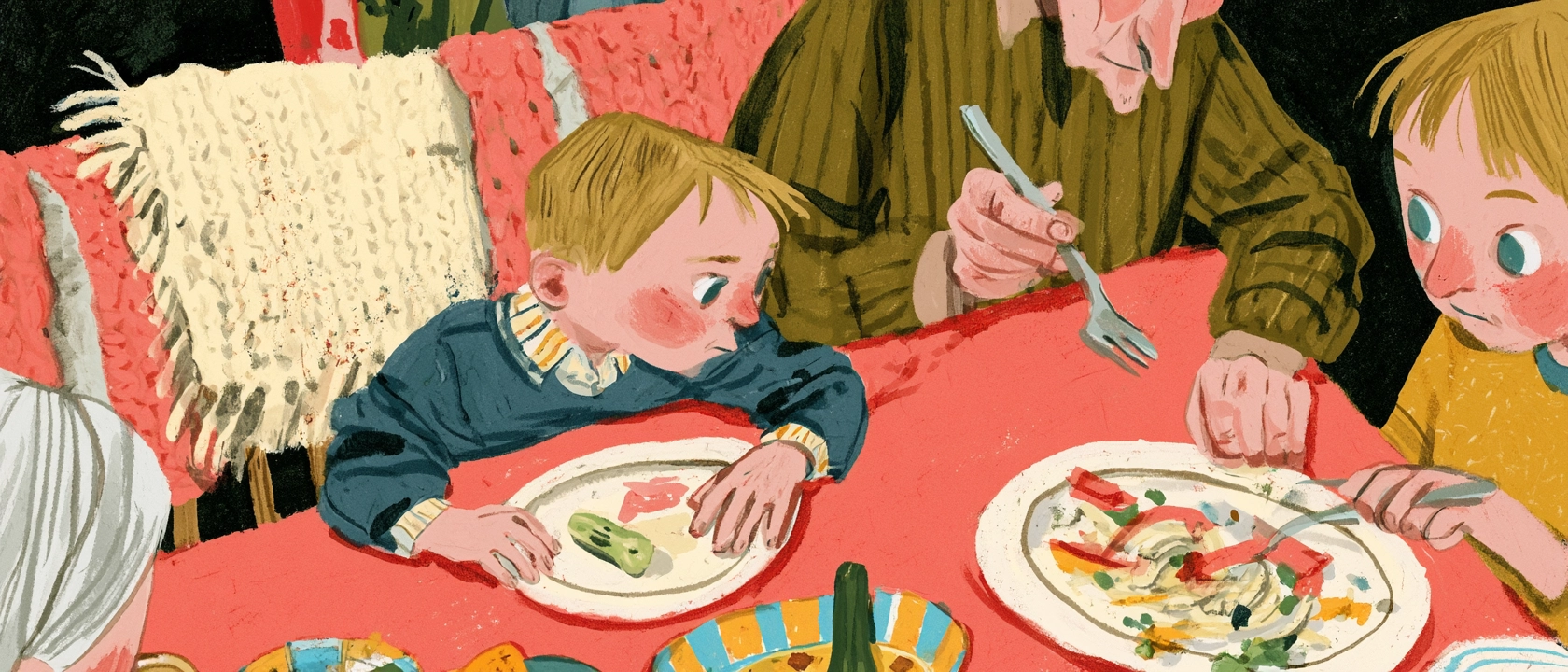
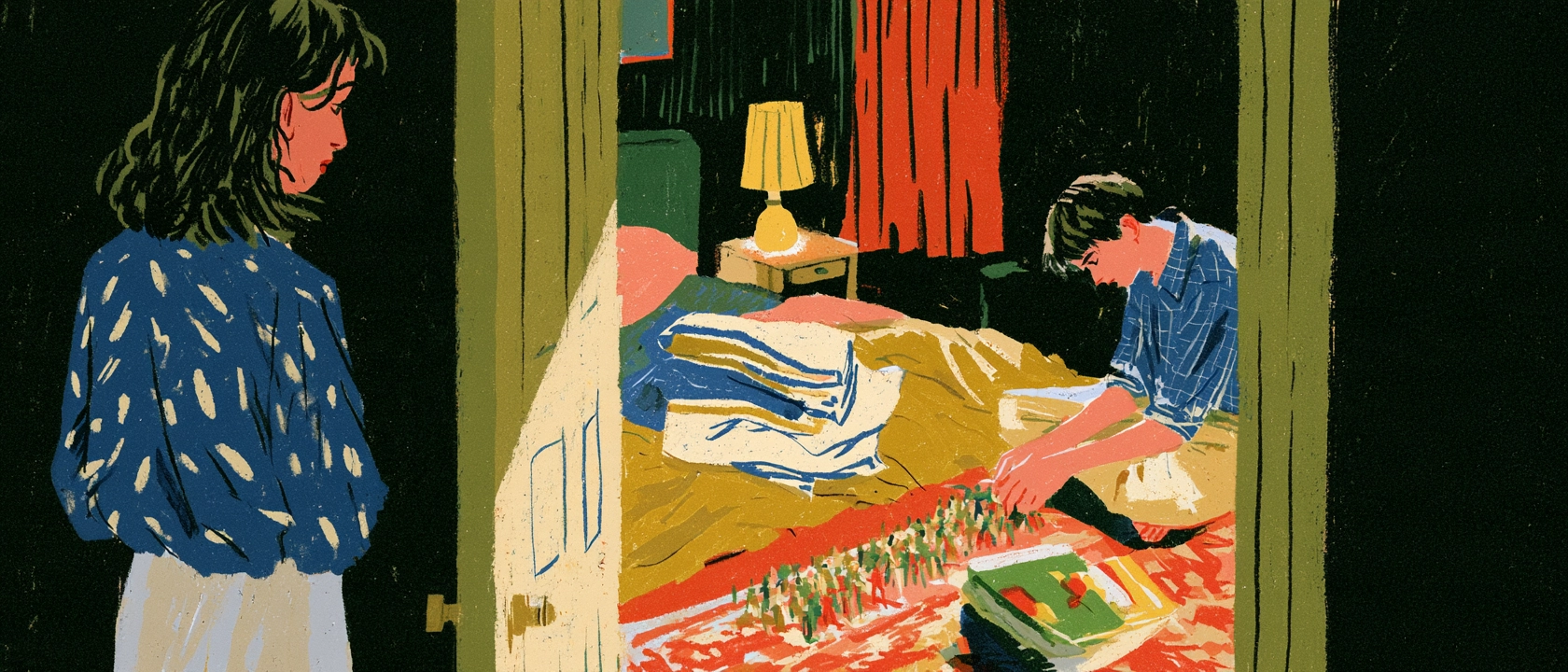
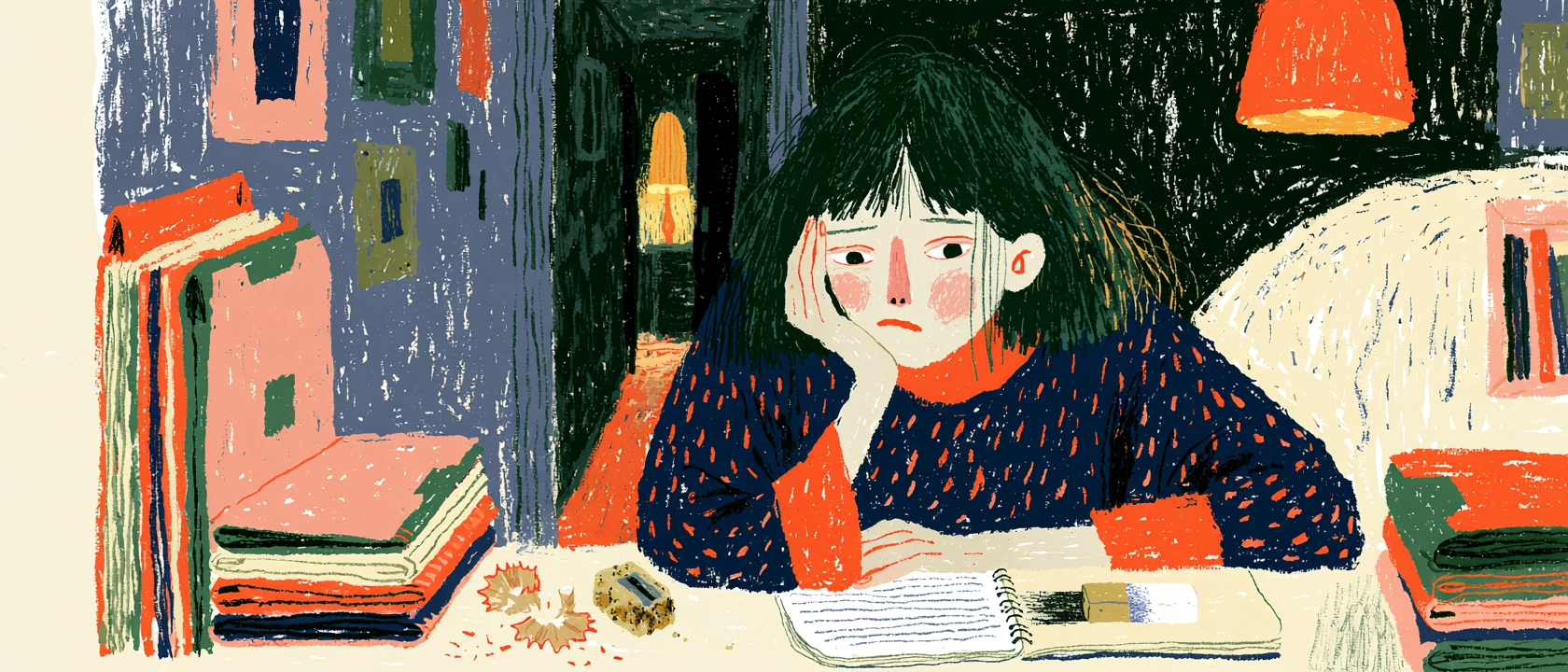
Then she comes home and collapses. Shoes come off like they're on fire, and then it's tears over the “wrong” cup, or a full-body meltdown because her brother chewed too loud. Or she goes silent: flat, unreachable, curled up in her room like the day used every last drop of her battery.
If that's your child, you're not imagining things. This pattern often points to autism masking in girls, a way of coping that can look like “doing great” while costing her a lot underneath.
Autism masking (also called camouflaging) is when an autistic child consciously or unconsciously hides autistic traits to fit in. She may copy other kids' expressions, rehearse what to say, force eye contact, laugh when she doesn't get the joke, or stay extra still so nobody notices how uncomfortable she is.
She learned it because it works. Survival skills usually do.
Masking can start young, and it often shows up most in settings with higher social “rules”: classrooms, birthday parties, sports teams, church groups. A child can look socially successful while privately running on empty.
A lot of autism checklists were built around how autism tends to show up in boys. Many girls can look socially engaged, especially if they're bright, verbal, and highly motivated to belong. So instead of asking, “Does she seem autistic?” try asking, “Is she working incredibly hard to look okay?”
Your daughter might:
At school she looks socially successful. At home she's exhausted, because she's been translating every moment in real time.
This is a classic masking pattern:
Think of her regulation like a battery. Every translated moment drains it a little. She spends the whole school day rationing the charge so nobody notices, and then she walks in your door at zero. If she seems to flip from fine to falling apart in seconds, you're usually looking at a battery at zero.
High-masking girls are frequently described as:
Sometimes the anxiety is a separate diagnosis. Sometimes it's the predictable outcome of trying to “pass” socially all day.
Instead of trains or numbers, her deep interests may be animals, books, art, fashion, K‑pop, mythology, Minecraft, or a favorite singer, plus she knows everything. Sometimes the “interest” is friendship dynamics: who's mad at who, what each emoji means, how to keep from messing up.
The intensity is the clue: how deep it goes, and how much comfort it provides.
Look for a pattern of:
That crash is the bill for a full day of performing. It arrives at home because home is where she finally feels safe enough to stop.
Here's the mind-bender: the kids who mask best are often the kids running closest to empty.
The better your child is at masking, the more support she may need. Masking takes effort: constant, invisible effort.
Over time, constant hiding takes a real toll, especially when a child feels she can't be her real self anywhere. Parents often miss it because we're taught to look for struggle in public. A high-masking kid struggles in private.
Masking can help a girl avoid bullying or rejection in the short term. Long term, it can create a painful mismatch between how she looks and how she feels, and the cost compounds.
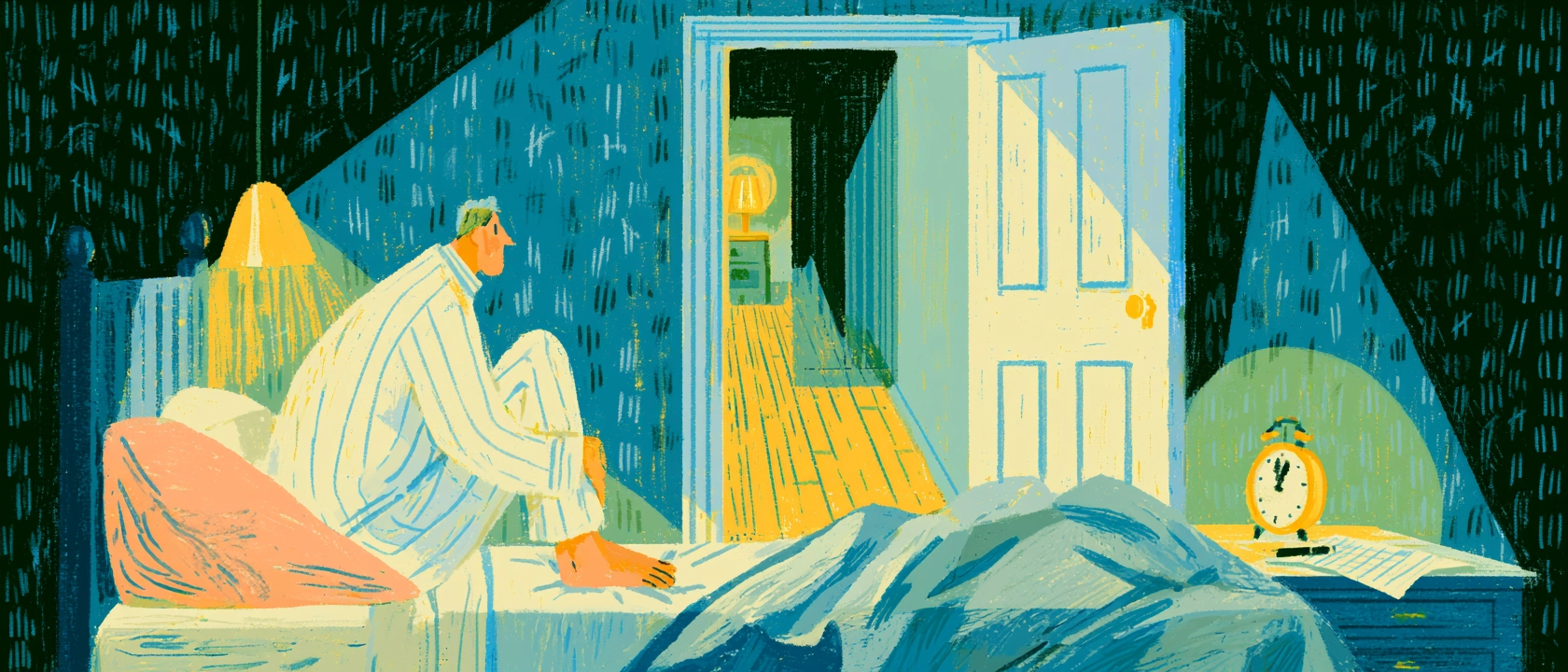
This is often when families say, “We don't know what happened. She used to handle everything.” What happened is: the battery stopped recharging.
Nobody should push a child to drop the mask overnight. Some masking is a learned safety strategy, and good therapy respects that. Support works toward a life where she doesn't have to hide to be okay.
In neurodiversity-affirming therapy, we often help families:
Our team at Layers works with kids, teens, and adults across the neurodiversity spectrum, with in-person therapy in Plano, Texas and virtual options across the state. Depending on your child, support may also include occupational therapy for sensory processing and social support that focuses on making relationships easier without asking your child to perform “normal.”
Try these as experiments and let her nervous system tell you what works.
Sometimes, but often not. Many girls describe masking as automatic, something they didn't realize they were doing until someone named it. Whether conscious or not, it takes the same energy. The question that matters most is what the effort is costing her, and whether anyone can see the bill.
Yes, and it frequently does. Girls who mask well often reach their teens or adulthood before anyone considers autism, because evaluations rely on observable traits and masking hides them. If school reports and home behavior tell two completely different stories, mention that gap to the evaluator directly. It matters.
They do. Autistic boys, and kids of every gender, camouflage. Girls tend to mask more often and more thoroughly, in part because of stronger social expectations around fitting in, which is why their autism gets missed at higher rates.
Lead with curiosity and name what you see: “It seems like school takes everything out of you, and home is where you finally let go.” For many kids, being seen accurately is a relief. A therapist can help you and your daughter explore what's underneath together.
If you're reading this and feeling a punch of recognition, take a breath. You just spotted something your daughter has been carrying, and spotting it is the first support she gets.
The girl who walks in the door and collapses is showing you exactly where the drain is. Once you see the pattern, you can start building supports that change it, so that someday she walks in that same door with charge still left in the battery. Less acting. More actual living.
If you're seeing the “fine at school, falling apart at home” cycle, it may be time for a fuller conversation. Schedule a consultation with Layers Counseling Specialists in Plano, Texas, serving families across the DFW area, and we'll help you sort out what's going on, what supports fit your child, and how to make home (and school) feel safer in her body.
Written by Karla Pineda, LPC, Executive Director at Layers Counseling Specialists in Plano, Texas.
Last reviewed: July 2026
This article is for educational purposes and is not a substitute for professional mental health care. If you or someone you know is in crisis, call or text 988 (Suicide & Crisis Lifeline) or text HOME to 741741.
Our Plano therapists specialize in OCD, anxiety, ADHD, autism, ARFID and trauma, in person or online anywhere in Texas. Every clinician starts with a free 15-minute consultation, so you can see whether it feels like a fit before you commit.
autism
Autism
autism