Your child's first therapy appointment is coming up, and you're trying to picture what it will actually look like. Will they have to talk about their feelings? Will someone ask them questions they can't answer yet? Or will it just look like… play?
You're not alone in wondering. Many parents feel a mix of hope and worry before their child's first play therapy session. That confusion is exactly why play therapy exists. It lets kids process big emotions in the only language they truly speak.
Play therapy is a form of counseling designed specifically for children. Instead of relying on words, which can be hard for kids to find, therapists use play as the medium for expression and healing. Through toys, art, movement, and imagination, children speak about experiences they can't yet verbalize.
At Layers Counseling Specialists, we often describe it this way: play is the child's language, and toys are their words.
This approach is especially effective for kids dealing with anxiety, family changes, grief, trauma, behavioral or social difficulties, and regulation challenges. The Association for Play Therapy describes play therapy as helping children express and regulate emotions while building healthier coping skills.
Not sure whether your child is ready to start? Our guide on when a child should start therapy walks through the signals worth watching.
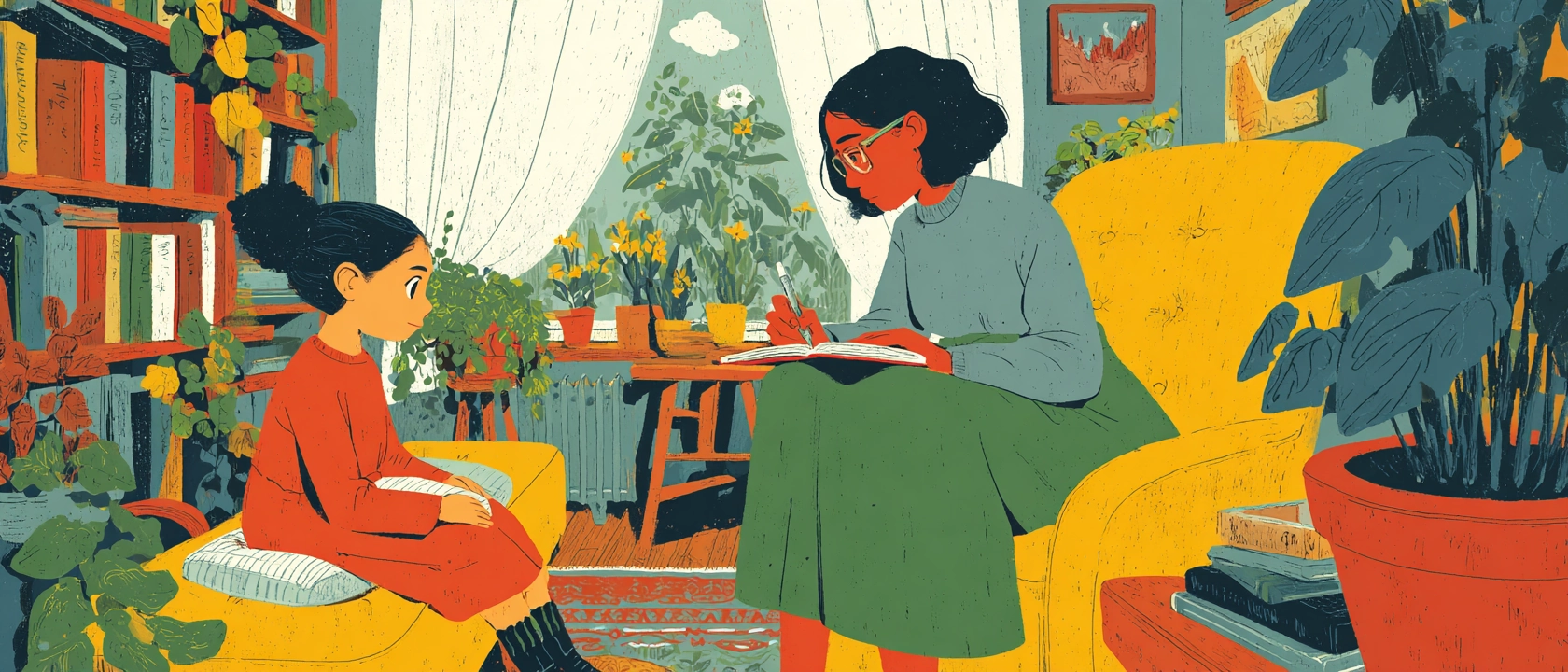
Your child is greeted in a cozy, play-filled room rather than a clinical office. The therapist might introduce themselves, explain simple rules such as "toys stay in the room," and invite your child to explore.
Early sessions are about safety and trust. A child who feels safe to play freely will begin revealing the stories behind their behaviors, sometimes without saying a word.
Think of this phase like testing the water before swimming: the therapist isn't pushing for deep dives yet, just helping your child feel that the space is warm and safe.
Depending on the child's age and needs, the therapist may offer choices: puppets, a dollhouse, sand tray, art supplies, or games. Sometimes the therapist joins in, and sometimes they observe. In non-directive play therapy, the child leads, revealing themes of power, fear, or safety. In directive play therapy, the therapist gently introduces structured activities that support emotional regulation or problem-solving.
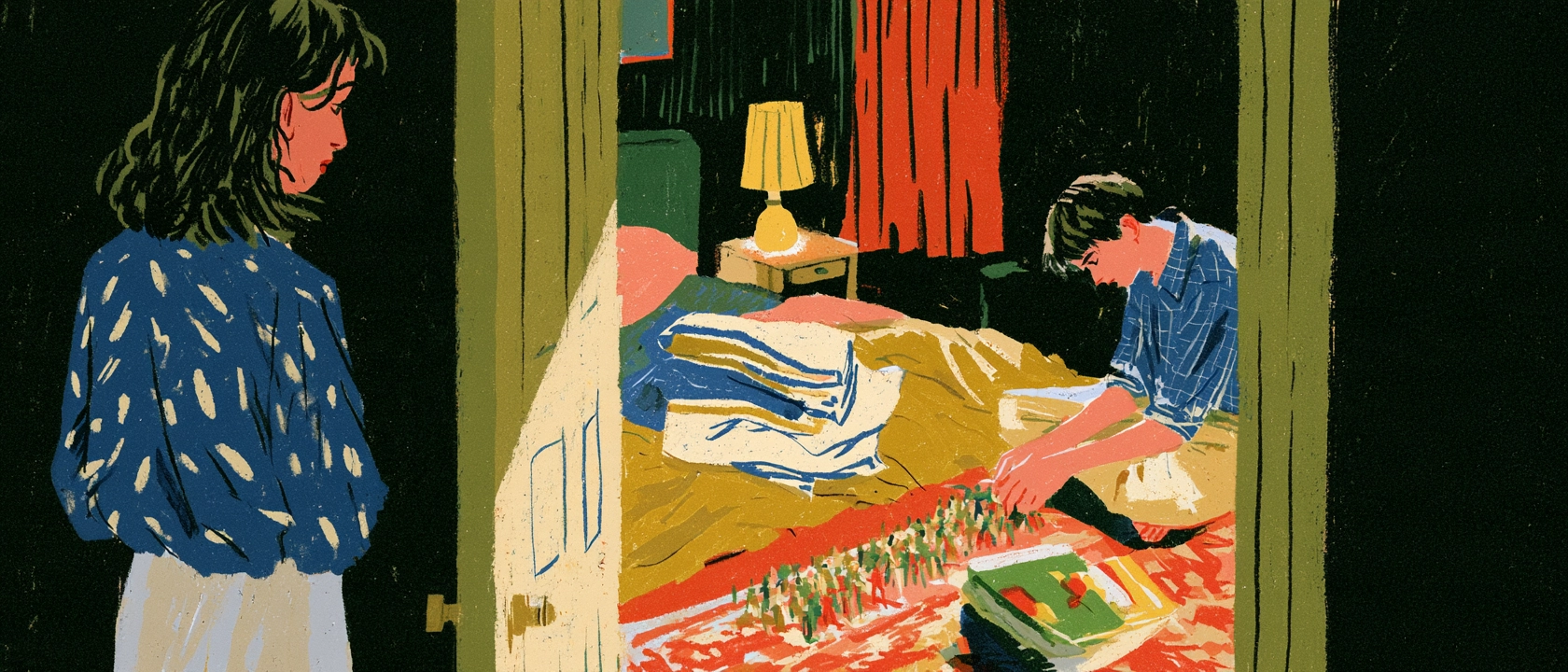
This is where the real therapy happens. A child who witnessed fighting at home might use toy animals to act out a battle. A child coping with loss might draw pictures of missing friends. A child with anxiety might build a fort where nothing bad can come in.
The therapist pays close attention to the emotion underneath the play, not only to what's being played. Through play, children rehearse new endings, gain control over scary memories, and experiment with courage.
Each session ends with a predictable transition. The therapist might say "we have five minutes left," and help the child put toys back in their homes. This routine builds closure and safety, which matters especially for children with trauma or anxiety, whose nervous systems crave predictability.
Over time, children begin to anticipate this structure and internalize calm transitions, skills that transfer to school, bedtime, and daily life.
After the session, the therapist may meet briefly with you to share themes or insights without breaching your child's privacy. They might say, "Your child played out a lot of separation stories today; we'll keep supporting that through play next time."
Parents often worry about how they'll know it's working. You'll start to notice small shifts: more flexible play, fewer meltdowns, stronger emotional language. Progress in play therapy is gentle but steady.
Play therapy works because it helps the nervous system relearn safety. When a child acts out scary or confusing moments in a safe space, the brain updates its files from danger to safe now. Over time, those repetitive, healing play sequences support new patterns in how the child responds to stress.
This is the same mechanism behind nervous system regulation in trauma treatment: repeated experiences of safety, at a pace the child can tolerate.
The goal isn't to become your child's therapist. It's to become their safest audience.
At Layers, our play therapists create spaces where children can process deep emotions through laughter, art, and imagination. We often integrate play therapy with Cognitive Behavioral Therapy and parent-child relational approaches to strengthen emotional regulation, problem-solving, and attachment safety.
Whether your child is struggling after a major change or just needs help understanding big feelings, play therapy offers a bridge from confusion to confidence. You can read more about our trauma work with children.
Your child's healing may look like play, but it's serious work for their brain and heart. Progress doesn't always show up in words. Sometimes it shows up in longer hugs, calmer mornings, or fewer nightmares.
If you're ready to see what play therapy could look like for your family, Layers Counseling Specialists is based in Plano, Texas, serving families across the DFW area. Request a consultation when you're ready.
Written by Karla Pineda, LPC, Executive Director at Layers Counseling Specialists in Plano, Texas.
Last reviewed: August 2026
This article is for educational purposes and is not a substitute for professional mental health care. If you or someone you know is in crisis, call or text 988 (Suicide & Crisis Lifeline) or text HOME to 741741.
Our Plano therapists specialize in OCD, anxiety, ADHD, autism, ARFID and trauma, in person or online anywhere in Texas. Every clinician starts with a free 15-minute consultation, so you can see whether it feels like a fit before you commit.
child-therapy
Play Therapy
play-therapy-for-children