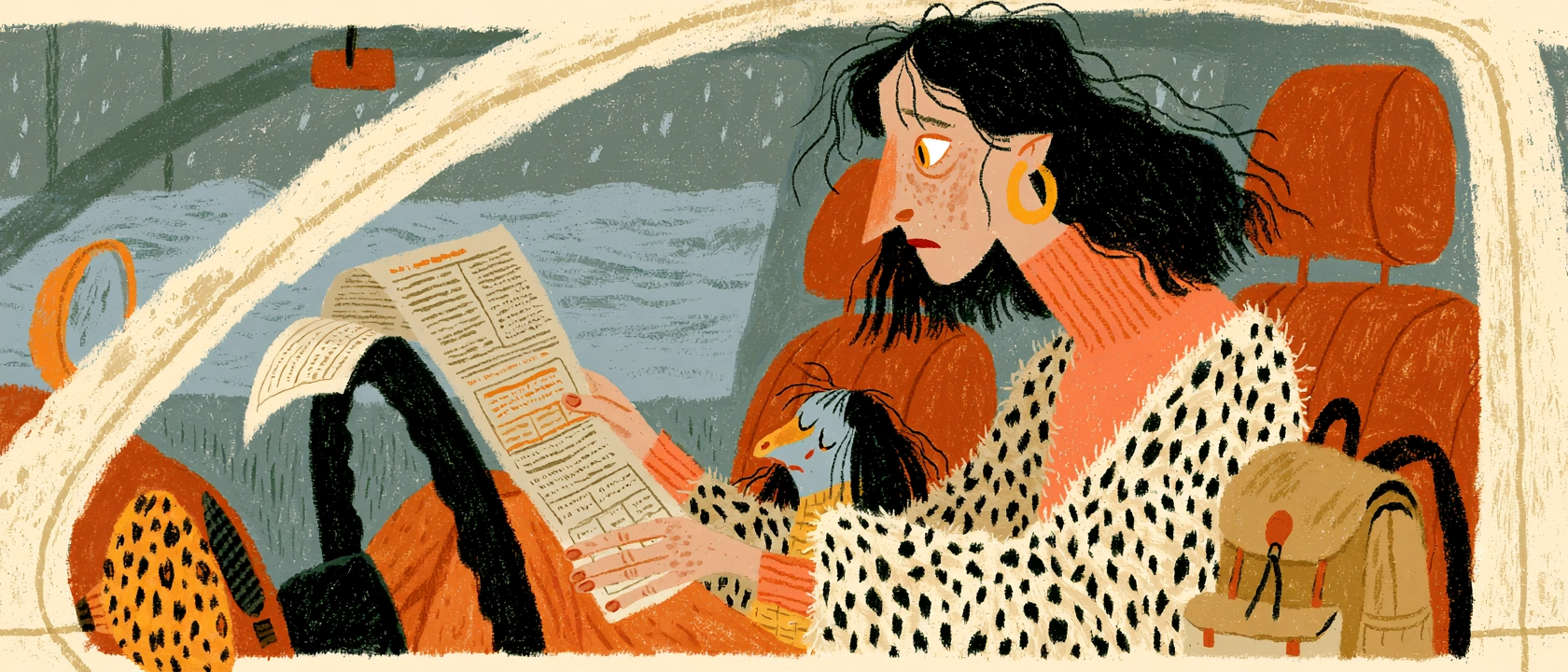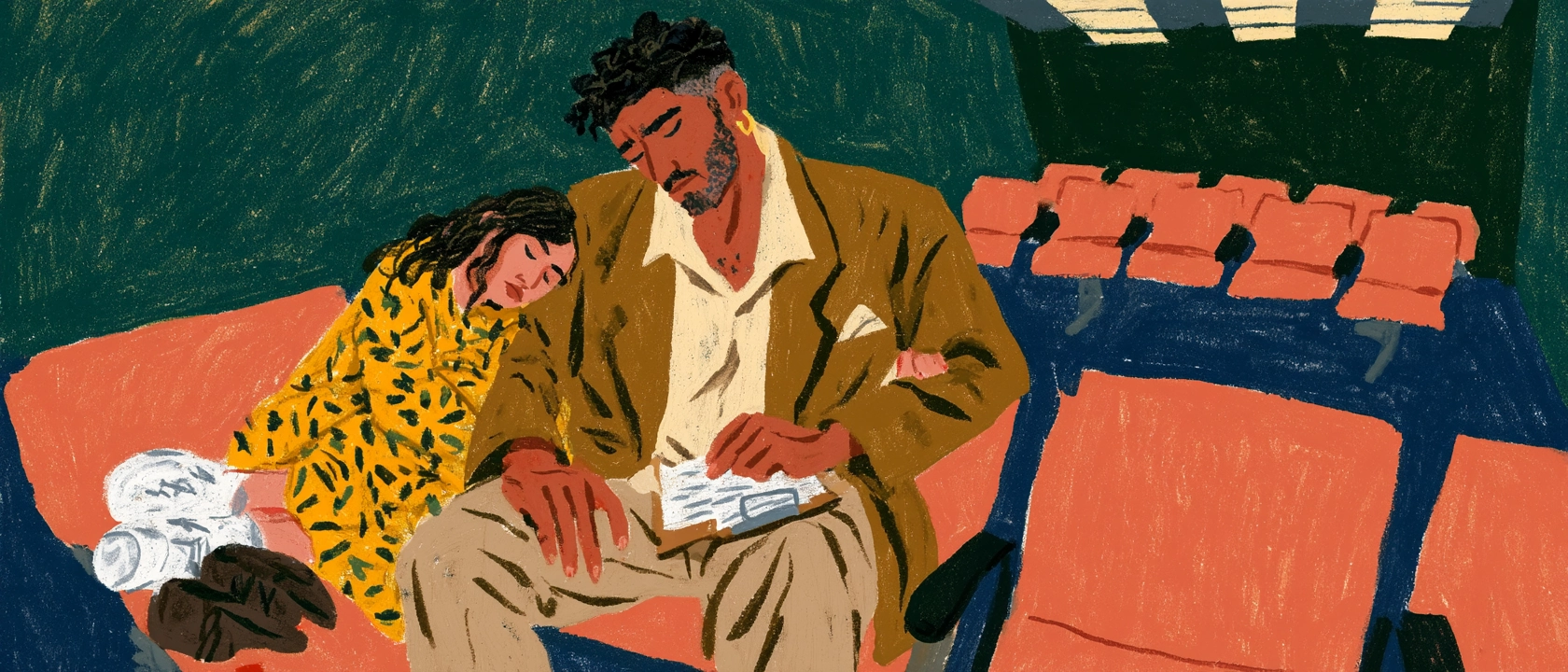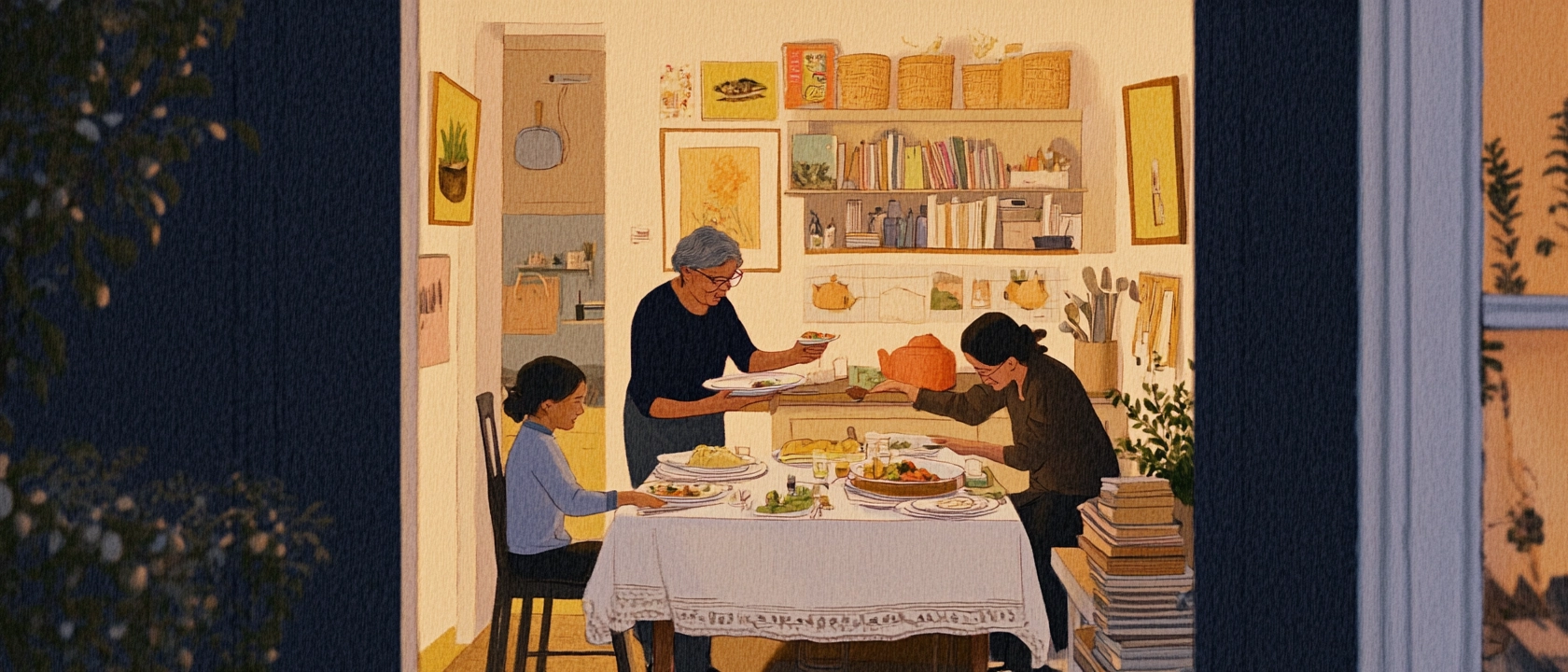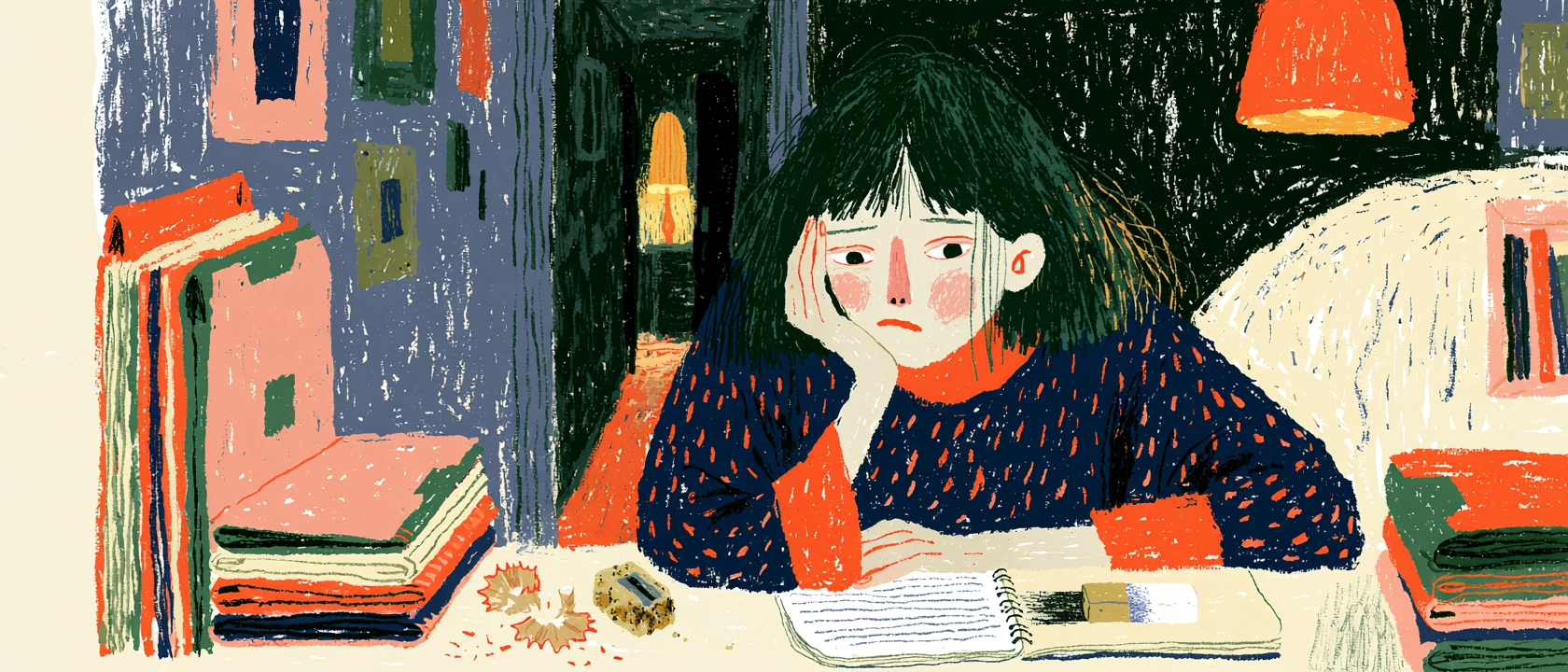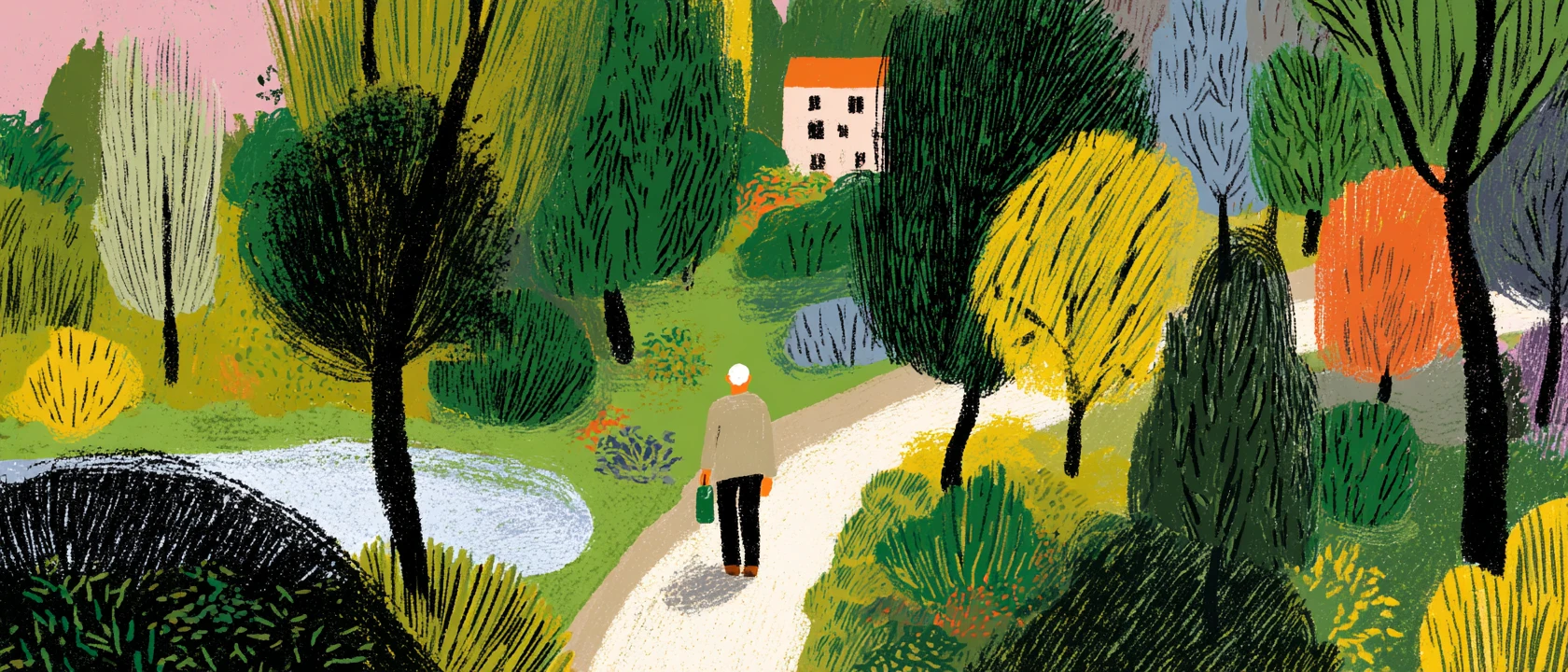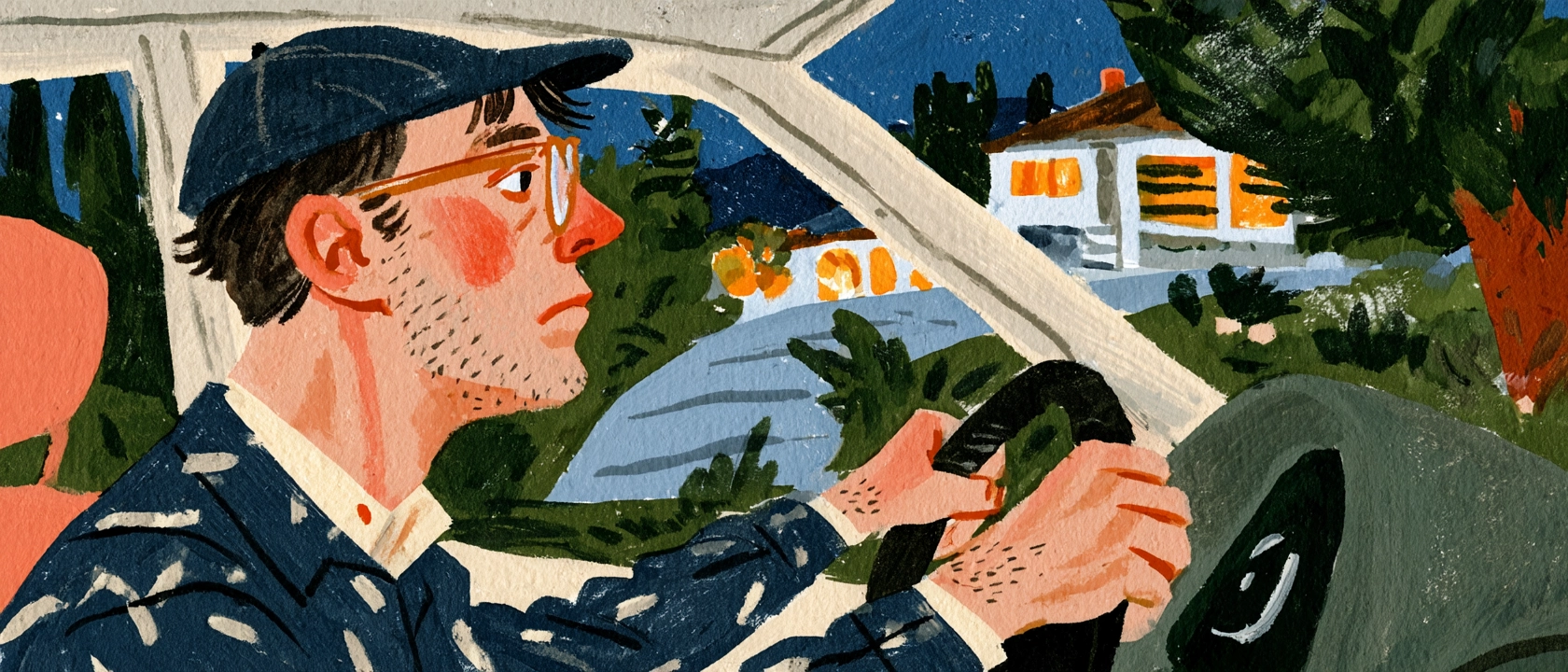
It's December. Everyone around your child is excited. Your child is falling apart.
Not in a dramatic, obvious way, maybe. Or maybe exactly in that way. The meltdowns are back. Sleep is a wreck. They cried at the holiday concert and couldn't explain why. They've been angry at everyone and shut down at dinner. And you're standing in the middle of what's supposed to be "the most wonderful time of the year" wondering what you're doing wrong.
You're not doing anything wrong. The holidays are genuinely hard for kids whose nervous systems have been shaped by trauma, loss, or chronic stress. And the gap between what the season is supposed to feel like and what it actually feels like for your family can be one of the most isolating experiences a parent carries.
This post is about why the holidays hit differently for these kids, and what actually helps.
For most kids, the holidays are just exciting. For a child whose nervous system learned early that change means danger, the same ingredients look very different.
School ends. The structure that has held their days together for months (same wake time, same classroom, same teacher, same lunch) disappears overnight. What adults experience as "freedom," a trauma-affected child's brain often experiences as threat. Predictability is safety. When it goes, the alarm system goes with it.
Then add: travel, or the stress of not traveling. Extended family who haven't seen your child in a year and have opinions about how they've changed. Loud gatherings with unpredictable social dynamics. Foods they won't eat surrounded by people who notice. Expectations they sense but can't articulate. The anniversary of something hard, maybe, because grief and trauma don't take December off.
The National Child Traumatic Stress Network is clear that structure and predictability are core to felt safety for children with trauma histories. The holidays systematically dismantle both. That's cause and effect, and your child is on the receiving end of it.
What looks like a kid who "can't handle" the holidays is usually a nervous system doing exactly what it was taught to do when things stop feeling safe.
Trauma responses don't always look like trauma responses. During the holidays, they often look like:
Each of these is a nervous system that got overwhelmed, communicating the only way it knows how.
Understanding what's underneath the behavior changes how you respond to it, and how much of it you take personally. For more on how trauma shapes what kids' behavior looks like from the outside, this post on how trauma shows up in children's bodies goes deeper on the physiology.
You can't fully replicate the school-year structure during a two-week break. But you also don't have to let the days become completely formless.
The goal is enough predictability that your child's nervous system can relax. A loose rhythm (consistent wake time, meals at roughly predictable times, a wind-down routine before bed) does more for a dysregulated kid than almost any intervention during the holidays.
A few things that help:
Big family gatherings are one of the highest-risk environments for trauma-affected kids. New or rarely-seen adults. Noise. Unpredictable emotional dynamics. Comments about how much they've grown or why they're being so quiet. Food they won't eat. No exit strategy.
You can't control your extended family. You can control a few things that matter a lot.
Give them a preview. A few days before a gathering, walk through what it'll be like. Who will be there. What it will sound like. How long you'll stay. What they can do if it gets to be too much. Kids with trauma histories often catastrophize the unknown. Information reduces that.
Build in a designated quiet space. Before you arrive, identify somewhere your child can go when they need to decompress: a spare bedroom, the car, a back porch. Give them explicit permission to use it. "If you need a break, just come find me and we'll go to the car for a few minutes. No questions asked." That exit hatch alone can prevent a meltdown because the child knows they're not trapped.
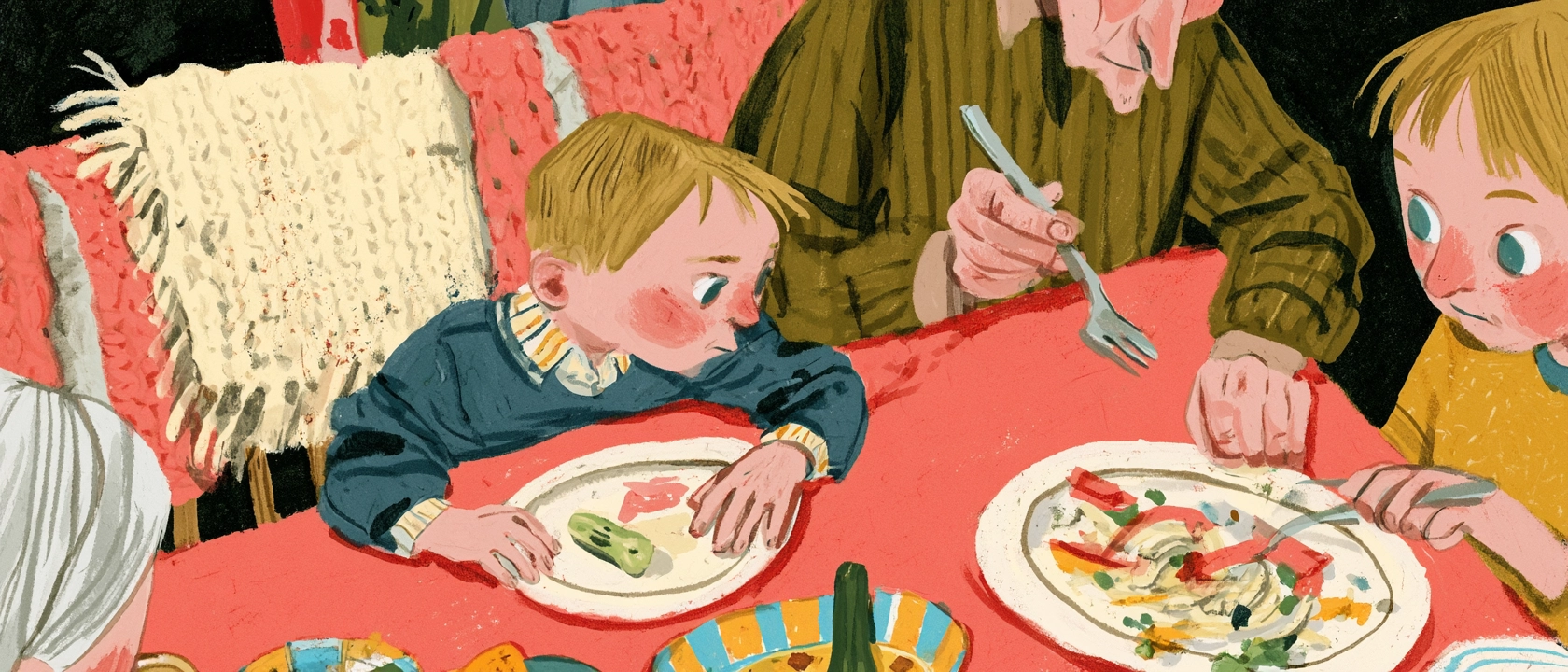
Don't negotiate the food in public. Holiday meals are hard enough for kids with sensory sensitivities or trauma around eating. Aunts who insist they try one bite, or comments about how picky they are, make it worse. Before the event, privately give your child permission to eat only what feels safe. Have a backup snack in your bag. The gathering is not the moment to expand their diet.
Have a real exit plan. Know in advance that you may leave early, and make peace with that before you arrive. Pushing a dysregulated child past their window of tolerance to preserve the appearance of a normal family Thanksgiving isn't worth what it costs everyone, including them, for the days that follow.
Not every child struggling through the holidays is dysregulated by the change in schedule. Some kids are struggling because the holidays amplify grief.
The first holiday after a parent's death, a divorce, a move, a best friend who disappeared from their life: these are hard in a way that predictability and quiet spaces don't fix. The holidays are saturated with "this is how it used to be" energy, and for a child who has lost something, that contrast is its own kind of pain.
For these kids, what helps is acknowledgment, said plainly and without hurry.
Something closer to: "I know this holiday feels different this year. It's okay to feel sad about that. We can talk about it, or not. Either way, I'm here."
You don't have to fix the grief. You have to not pretend it isn't there. That's actually the whole job.
This one is easy to skip past. Don't.
Co-regulation, the way a calm adult nervous system helps a child's nervous system settle, is one of the most well-supported mechanisms in developmental trauma research. Your child literally takes cues from your physiological state. When you're dysregulated, it's harder for them to regulate. When you're grounded, that's genuinely contagious.
The holidays are stressful for parents too. Extended family with opinions. Financial pressure. The grief of your own losses. The weight of trying to make it good for your kids when you're running on empty.
You can't pour from an empty cup is a cliché because it's true. The National Institute of Mental Health consistently notes that parental mental health has a direct downstream effect on children's ability to regulate. Protecting your own capacity during the holidays is structural support for your whole family.
That might look like: one morning a week you get to yourself. Going to bed before the house is fully clean. Saying no to one obligation you dread. Asking for help from one person who can actually give it.
The holidays are temporary. If your child is struggling significantly but has a baseline that generally works, they may just need to get through it, with good support from you and a return to structure in January.
But some signs suggest something more than seasonal difficulty:
If you're watching your child struggle and feeling like you've run out of tools, that's information worth acting on. Trauma-informed therapy gives kids a place to process what the holidays stir up, and gives parents a clearer picture of what their child actually needs.
If you're not sure whether what you're seeing warrants a call, this post on when a child should start therapy walks through the specific signs that suggest professional support would help.
Progress in trauma recovery isn't a straight line, and it isn't permanent in the sense that nothing will ever be hard again. A child who has been doing well has learned to feel safe in a predictable environment. The holidays disrupt that environment significantly. The regression you're seeing is evidence that your child's nervous system is responding to a real change in safety cues, and the earlier work still holds underneath it. Most kids re-stabilize once routines return. If they don't, that's worth looking at with a therapist.
Keep it simple and don't over-explain. "She has a hard time with big changes in routine. We're working on it" is enough. You don't owe anyone a clinical explanation of your child's trauma history at the dinner table. What you can do is ask specific relatives in advance for specific things: "Please don't comment on what he eats." "If she goes quiet and leaves the room, just let her be." Most people will follow a clear, specific ask better than a general one.
Yes. Full stop. Your child's nervous system is not a social obligation. Skipping an event that genuinely overwhelms your child, or leaving early, or sending your regrets: these are legitimate choices. The long-term cost of repeatedly pushing a child past their window of tolerance to maintain social appearances is higher than the short-term cost of missing the party.
This is one of the hardest scenarios, and it deserves more than a quick answer. The short version: your child's safety comes first. You are not obligated to bring your child into contact with anyone who has hurt them, regardless of family expectation or pressure. If you're facing this, please talk to a therapist, both to help your child and to help you hold the position you need to hold.
The fact that you're reading this, trying to understand what your child is experiencing rather than just managing the behavior, already puts you in a different category of parent than most trauma-affected kids have access to.
The holidays won't be perfect. They might be hard. Some of them will end in tears, or early departures, or quiet dinners at home instead of the gathering you planned.
That's okay. Your child needs you present and regulated more than they need you performing the perfect holiday.
Layers Counseling Specialists works with children and families in Plano, Texas and across the DFW area, including Frisco, Allen, McKinney, and Richardson. If your child is struggling through the season and you'd like support, our trauma therapy for children and our child therapy services are here year-round.
Schedule a consultation. We're glad to help you figure out the right next step.
This article was written by Karla Pineda, LPC, Executive Director of Layers Counseling Specialists in Plano, Texas, where our clinicians provide trauma-focused cognitive behavioral therapy (TF-CBT), accelerated resolution therapy (ART), and child-centered play therapy for children, teens, and families working through trauma, grief, and anxiety.
Last reviewed: August 2026
This article is for educational purposes and is not a substitute for professional mental health care. If you or someone you know is in crisis, call or text 988 (Suicide & Crisis Lifeline) or text HOME to 741741.
Our Plano therapists specialize in OCD, anxiety, ADHD, autism, ARFID and trauma, in person or online anywhere in Texas. Every clinician starts with a free 15-minute consultation, so you can see whether it feels like a fit before you commit.
trauma
Child & Teen Trauma
child-trauma-therapy