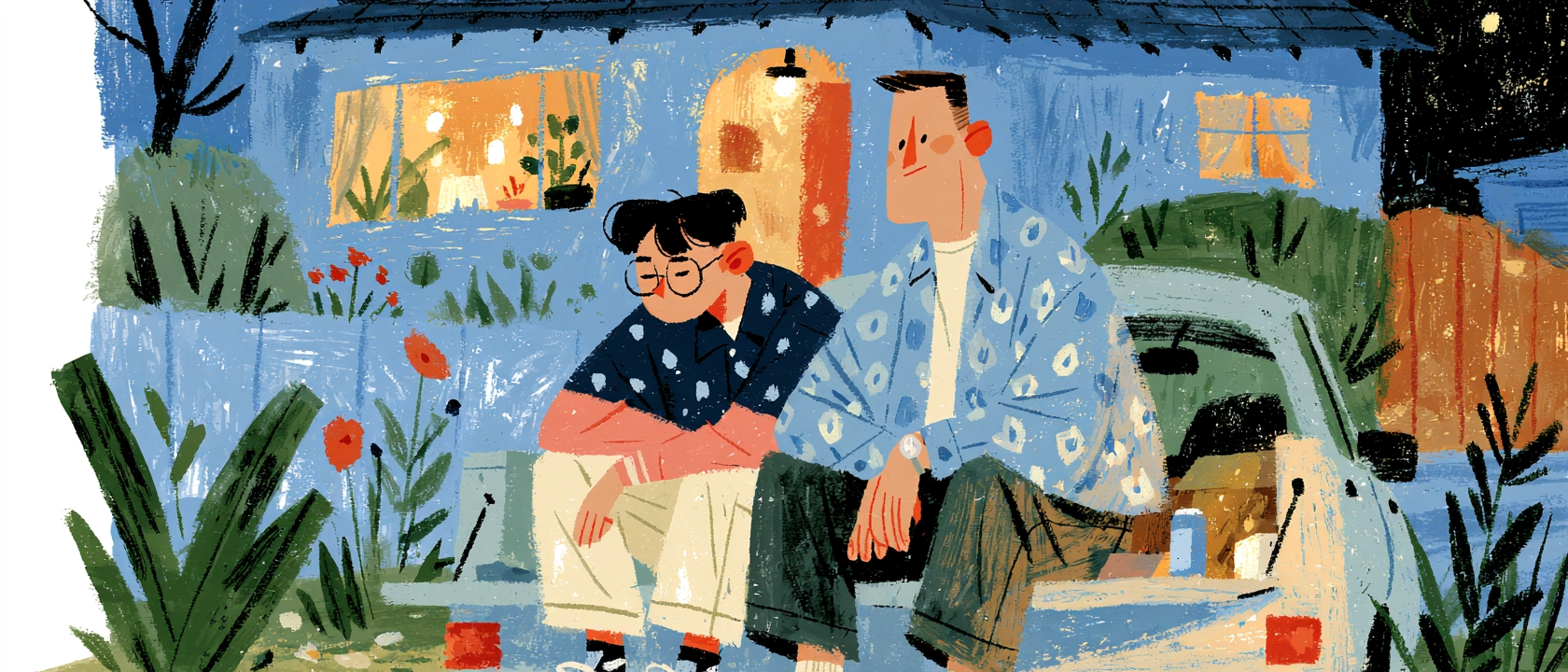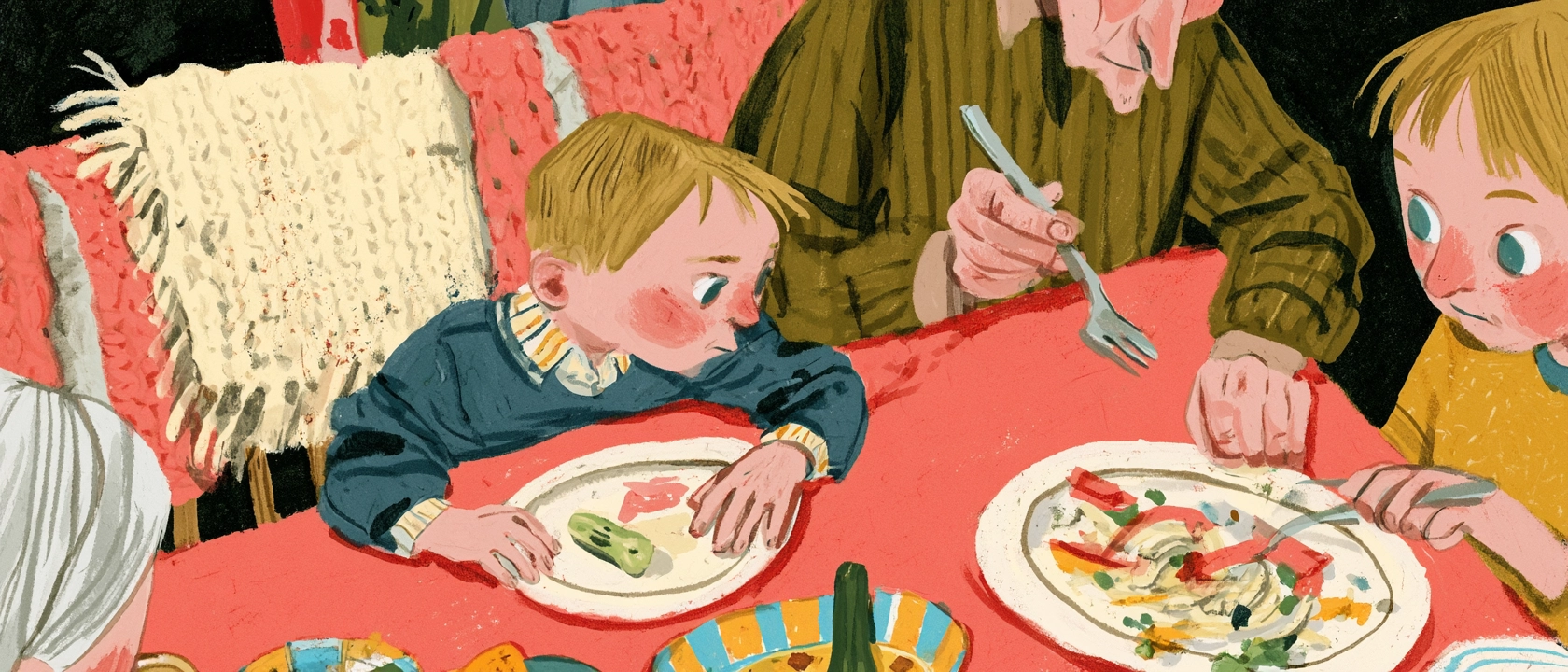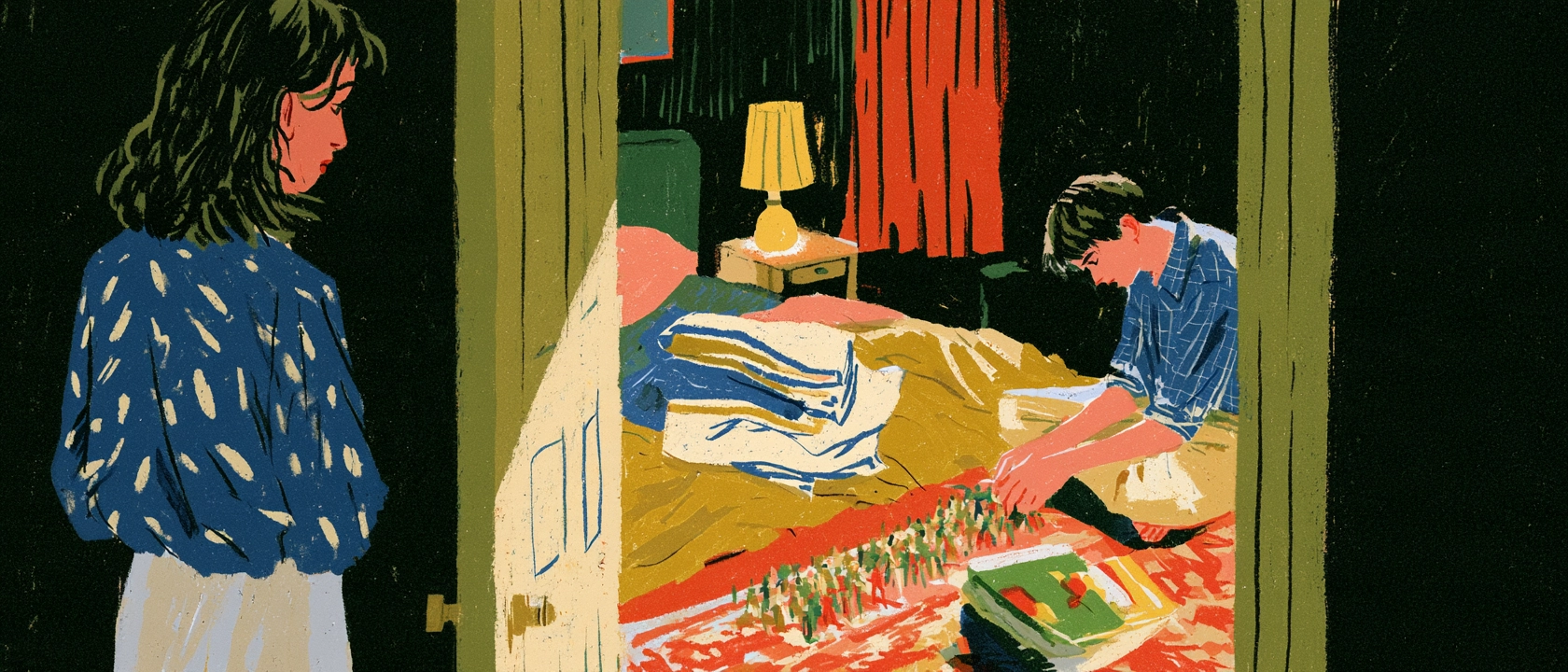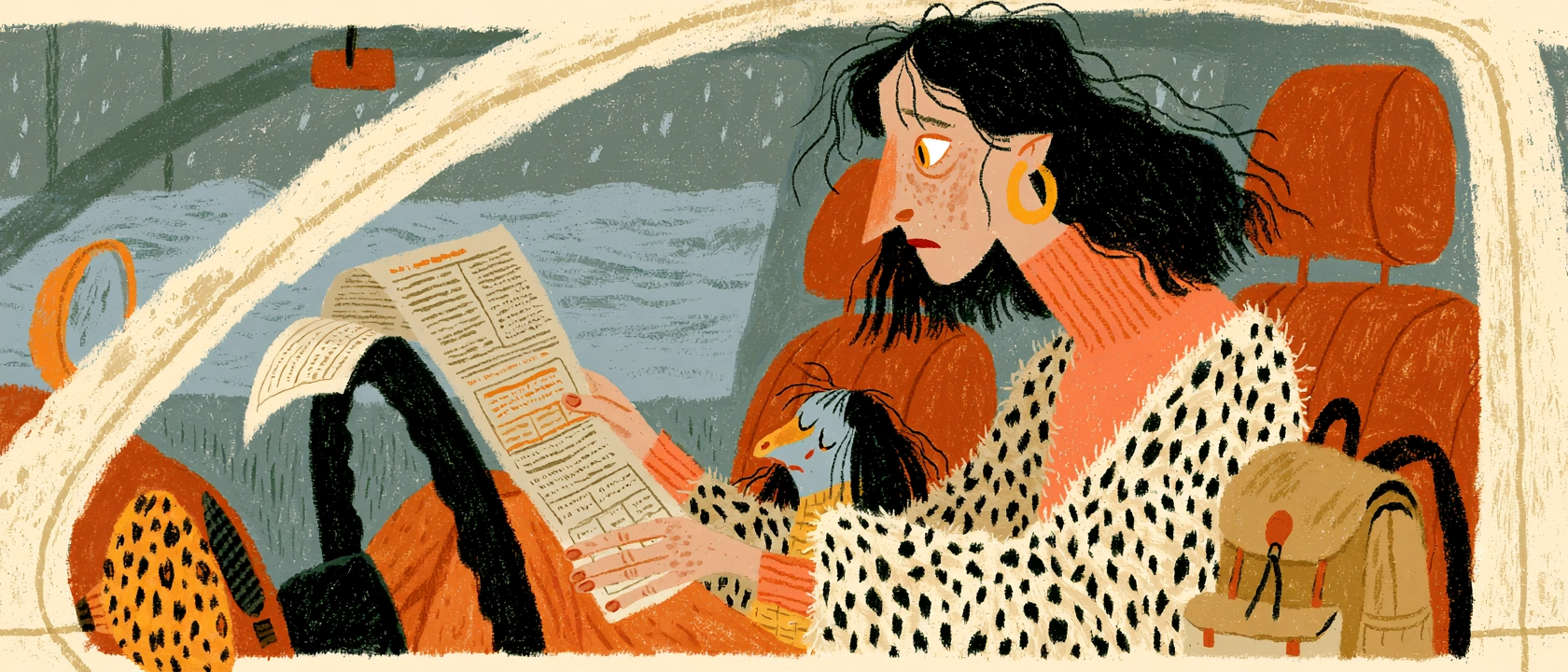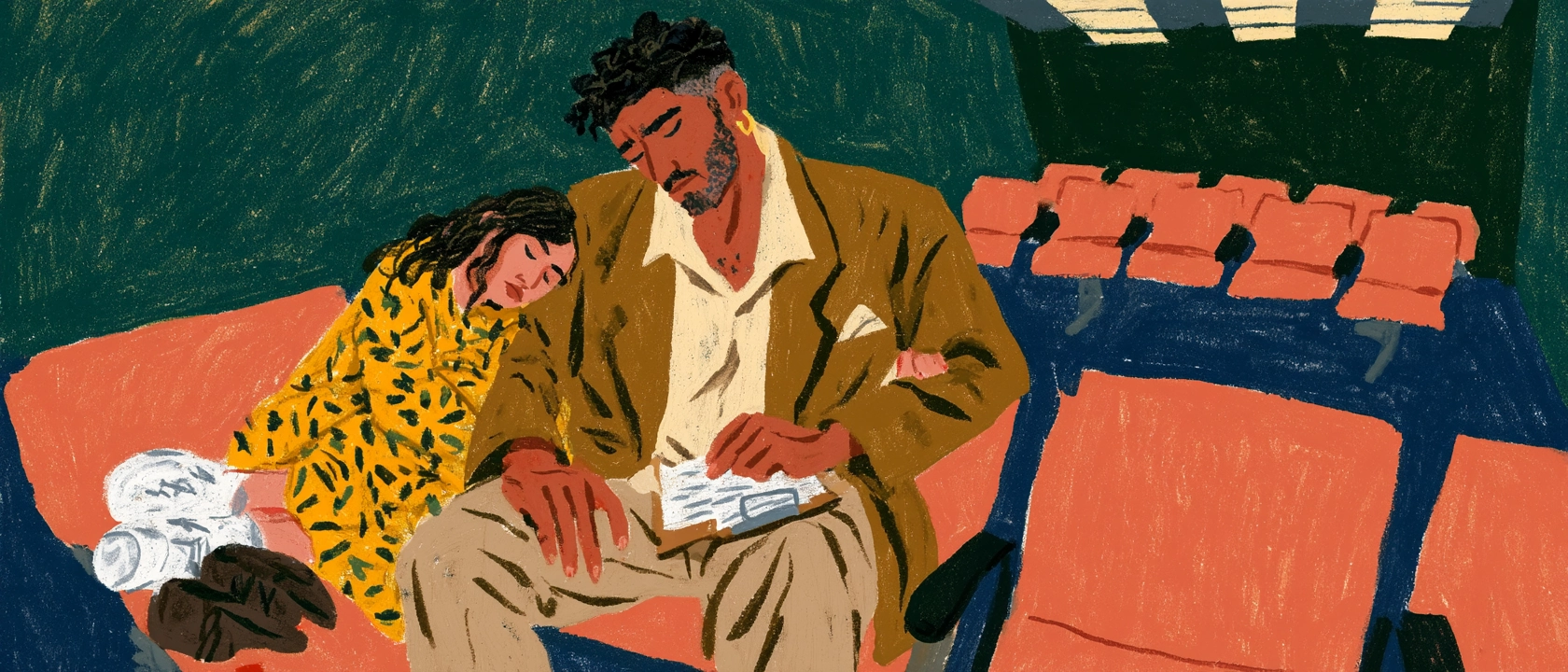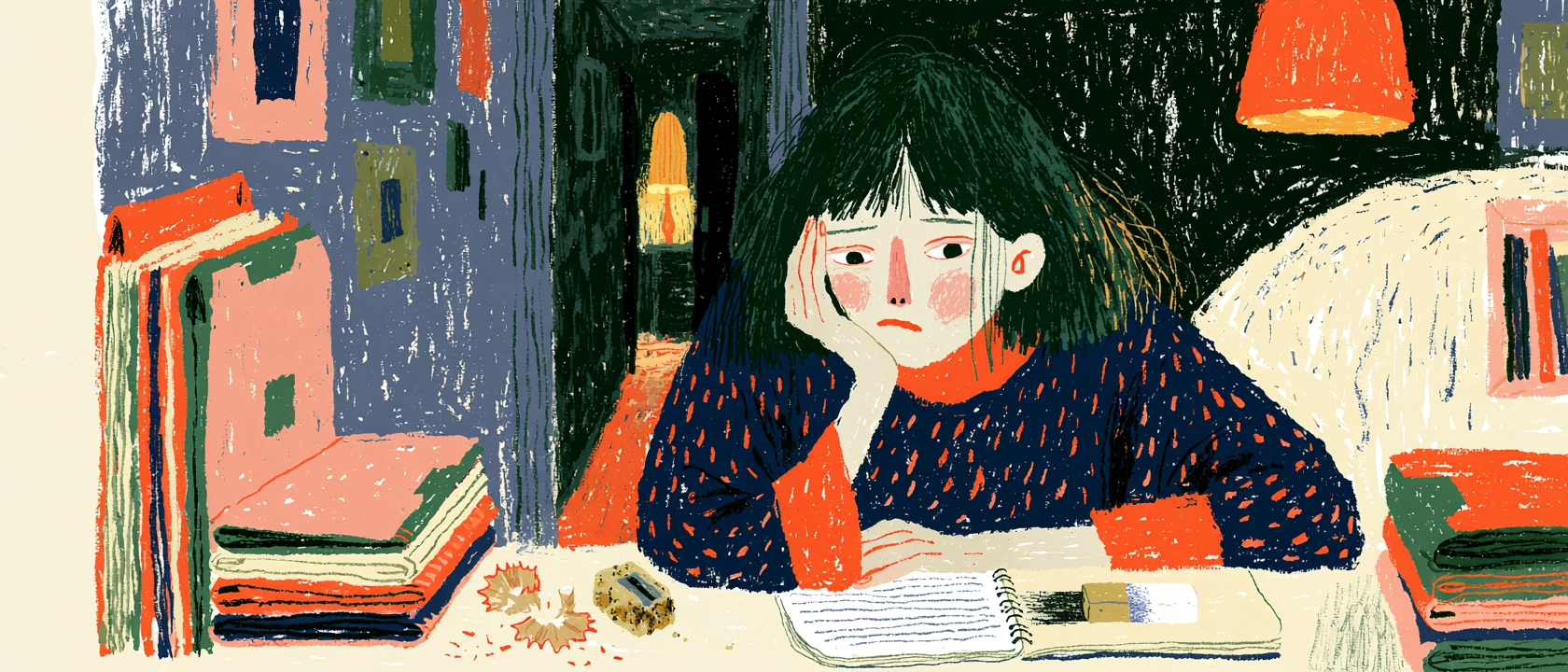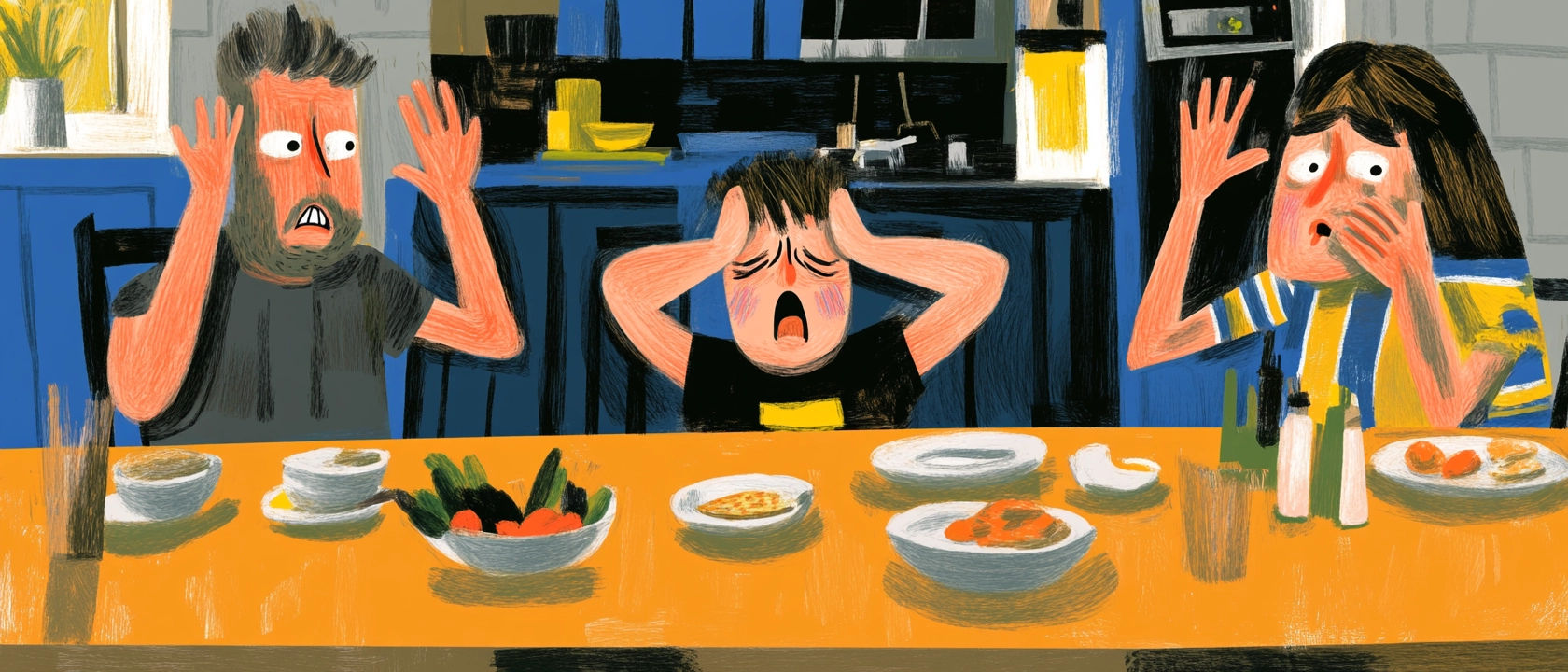
A child who flinches when voices rise. A teen who shuts down instead of sharing feelings. An adult who feels "too sensitive" but can't explain why. These are learned survival patterns rather than personality flaws.
When safety or stability is disrupted early in life, the brain and body adapt to protect against threat. This process is called developmental trauma, and while it can leave deep marks, it can also be healed.
Developmental trauma happens when a child experiences chronic stress or unmet emotional needs during the earliest stages of life, often before they even have words. It may come from:
Unlike a single traumatic event, developmental trauma happens over time and within relationships that are supposed to provide security. Because of this, it affects memory and also how the body feels, reacts, and relates.
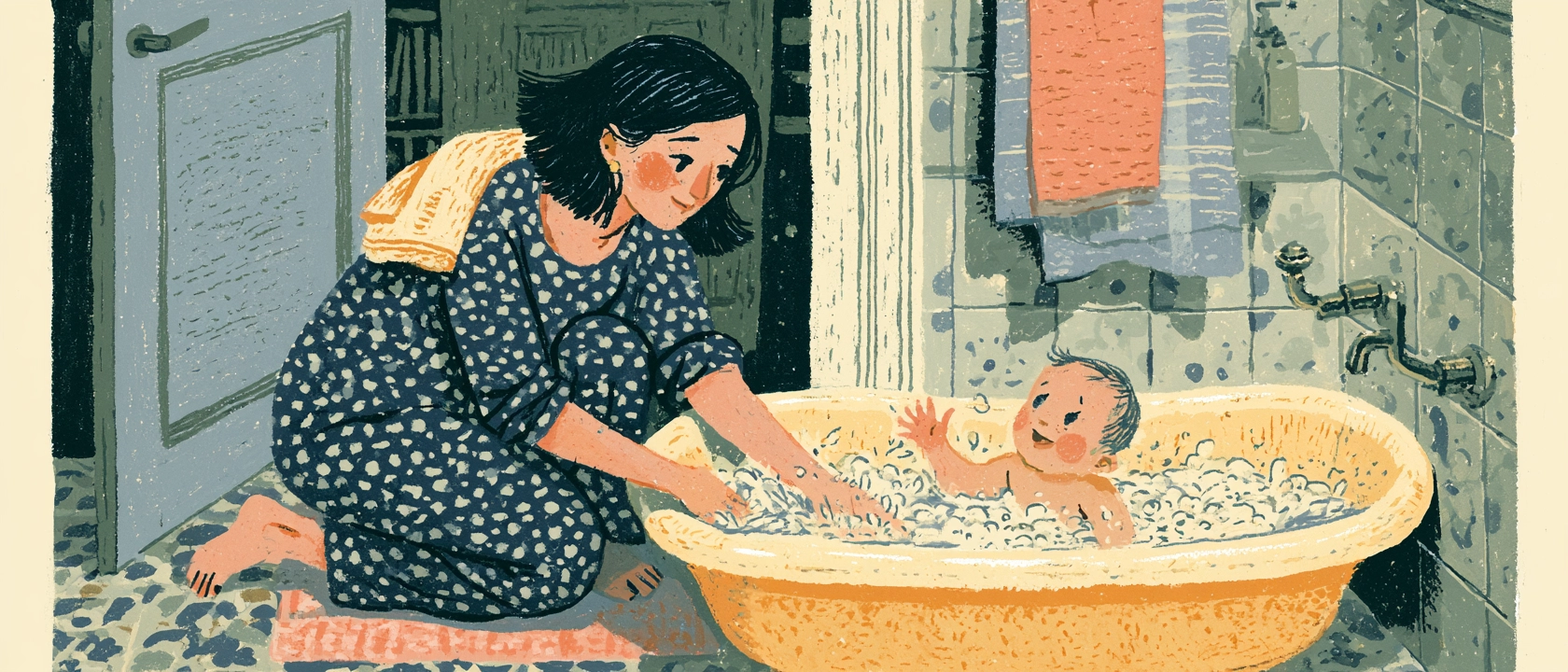
Children's brains develop in relationship to the people around them. When caregivers are nurturing and consistent, the nervous system learns to regulate, to calm after stress and to trust safety signals.
But when stress is constant or caregivers are unavailable, the body stays on alert. The nervous system wires itself for protection rather than peace. We've written more about why the body keeps signaling danger after the danger has passed.
This can lead to patterns such as:
These are adaptations that helped a child survive.
Because developmental trauma impacts emotional and relational development, its effects often appear across many areas of life.
Many people with developmental trauma don't realize their symptoms have roots in early experiences. They just know life feels harder than it should.
Post-Traumatic Stress Disorder (PTSD) can follow a single event, such as a car accident, natural disaster, or assault, or repeated traumatic experiences.
Developmental trauma describes the effects of repeated threat, chaos, or emotional disconnection during childhood. It overlaps with what clinicians call complex trauma, because it can shape multiple layers of functioning: emotion, identity, attachment, and self-worth.
Both deserve care and understanding. An assessment helps clarify a person's symptoms and care needs. Developmental trauma often calls for longer-term, relational healing focused on safety and trust.
The most important message: healing is possible. The brain and nervous system can learn safety again through consistent, supportive experiences.
At Layers Counseling Specialists in Plano, Texas, our trauma-informed clinicians focus on helping children and adults rebuild regulation, trust, and connection, without judgment or pressure.
We create therapy spaces that emphasize safety, pacing, and collaboration. Our approaches include:
Our goal is to help your brain and body learn that safety is possible again. If you're weighing which approach fits, we've mapped the four families of trauma therapy and how to choose between them.
Small, consistent acts of safety retrain the nervous system far more than dramatic breakthroughs. Try starting with:
Healing is less about forcing calm and more about letting safety in.
At Layers Counseling, we recognize that developmental trauma often intersects with neurodivergence, including attention-deficit/hyperactivity disorder (ADHD), autism, or sensory sensitivity. Many clients were misunderstood growing up, told they were "too much" or "not enough."
Our therapists integrate both frameworks:
Together, they allow for therapy that feels authentic rather than corrective.
Developmental trauma can teach a child that connection is unsafe. Healing teaches the opposite: that trust, care, and regulation are possible again.
At Layers Counseling Specialists, we help children, teens, and adults rebuild safety from the inside out. You don't have to relive the past to heal from it. You need safe, steady support to guide you forward.
If you or your child are struggling with the long-term effects of early stress or disconnection, we're here to help. Layers Counseling Specialists is based in Plano, Texas, serving families across the DFW area. Request an appointment when you're ready.
If you or someone you love is in crisis:
Written by Karla Pineda, LPC, Executive Director at Layers Counseling Specialists in Plano, Texas.
Last reviewed: October 2026
This article is for educational purposes and is not a substitute for professional mental health care.
Our Plano therapists specialize in OCD, anxiety, ADHD, autism, ARFID and trauma, in person or online anywhere in Texas. Every clinician starts with a free 15-minute consultation, so you can see whether it feels like a fit before you commit.
trauma
Child & Teen Trauma
child-trauma-therapy