Someone told you to give it time.
Maybe it was a parent, a doctor, a well-meaning friend. Maybe you told yourself. It was a long time ago. You were young. You've built a good life. Surely by now, whatever happened should have faded into the background where old things go.
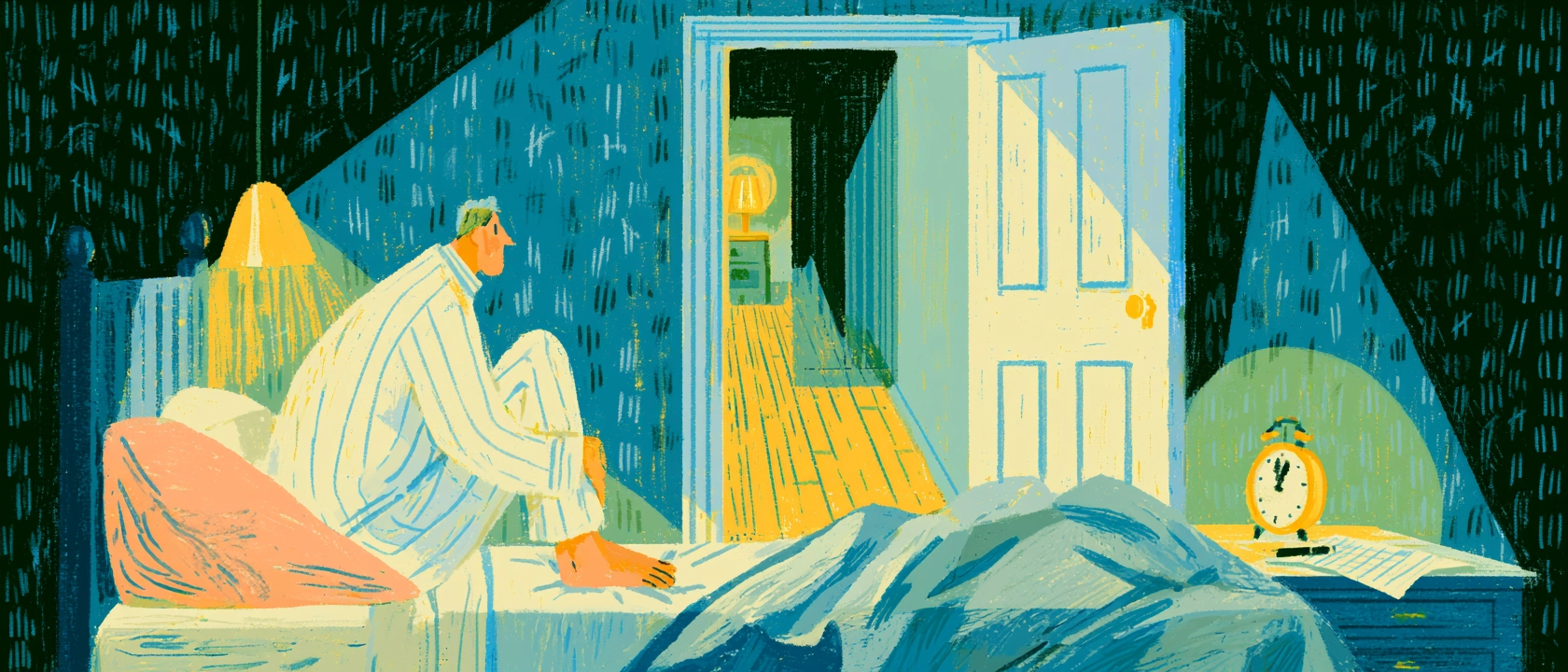
But it hasn't. Not completely. Maybe it shows up in how fast you go from zero to fury over something small. Maybe it's the relationships that keep ending the same way. The hypervigilance you can't explain. The sense that you're always waiting for something to go wrong. The fact that becoming a parent cracked something open you thought had healed years ago.
Time passed. Some of it stayed.
That happens to a lot of people, and understanding why is a good first step toward healing.
The saying makes sense for a lot of things. Grief softens. Embarrassing memories lose their sting. The heartbreak that felt unsurvivable at 22 becomes a story you can tell without flinching at 35.
Trauma can work differently.
Ordinary memories usually get stored as a story: something that happened, with a beginning, middle, and end. You can retrieve it, reflect on it, file it away. Traumatic memories, especially from experiences that repeated during childhood, can feel different. They may come back as fragments, body sensations, or a sudden sense of danger, without the "that was then, this is now" context.
For some people, part of the experience stays stuck.
When that happens, time alone may not resolve it. Your body can keep reacting to what it learned during the original experience: that certain situations, sounds, relationships, or feelings mean danger. And it stays ready. Just in case.
For some people, childhood trauma stays in the present: in the body that still braces, the heart that still races, the part of you that still doesn't quite believe you're safe.
Before going further, it's worth naming something: trauma isn't only the dramatic, obvious events. Abuse, accidents, violence, yes. But also:
The National Child Traumatic Stress Network describes how differently children can react to frightening or overwhelming events. Two children can experience the same situation and be affected very differently, based on age, temperament, available support, and whether a safe adult helped them process it at the time.
If no one helped you process it (if you were young, and alone with it, or if the person who should have helped you was the source of it), the experience may have kept shaping things in quieter ways.
For a deeper look at the specific form childhood trauma takes when it happens within caregiving relationships, our post on what developmental trauma is and how it shapes emotional health covers this in more detail.
This is usually the part that brings people into therapy. It's the adult life that keeps getting disrupted in ways they can't fully explain.
Unprocessed childhood trauma can surface in a few recognizable patterns:
The nervous system learned something specific about what relationships mean. Maybe it learned that closeness leads to hurt. That needing things is dangerous. That you have to earn love, or that love can disappear without warning. These lessons sit below awareness, as encoded expectations. And they can replay, unnoticed, in close relationships. The partner who triggers the same feelings your parent did. The pattern of pulling away right before things get serious. The inability to trust that things are actually okay when they seem okay.
Trauma can affect how well you bounce back from stress. The window of tolerance, the range within which you can feel activated but still function, can narrow. Small stressors produce big reactions. Or the opposite: you go flat, numb, disconnected. Or you swing between the two. That can be a nervous system still responding to conditions that once called for extreme responses.
Chronic tension in the shoulders, jaw, or chest. Digestive problems that don't have a clear medical cause. Fatigue that sleep doesn't fix. A low-grade sense of unease that never fully lifts. The American Psychological Association describes a well-established link between childhood adversity and adult physical health. Stress from early experiences can show up in the body as well as the mind.
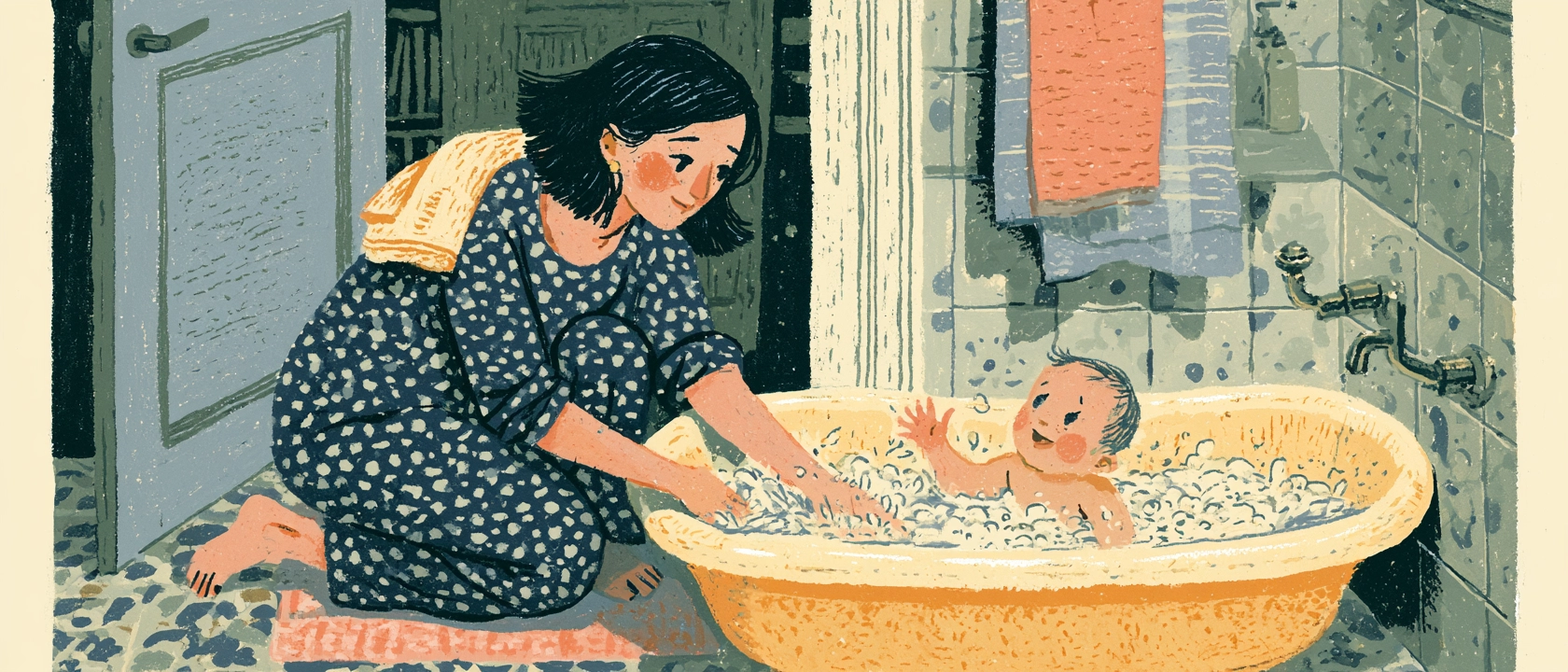
Becoming a parent is a common trigger. Suddenly the nervous system is flooded with material from your own early experience, and things you thought were long resolved turn out not to be. The same can happen at other major transitions: marriages, losses, illness, anything that stirs the depths.
The Centers for Disease Control and Prevention's (CDC) research on Adverse Childhood Experiences (ACEs) shows a clear dose-response relationship between the number of adverse experiences in childhood and the risk of mental health struggles, physical illness, and relationship difficulties in adulthood. More ACEs mean more risk on average. Risk is not destiny, and support and treatment can change the picture.
Most people who've experienced childhood trauma have tried, in one form or another, to move on. To focus on the present. To not let the past define them. To be grateful for what they have now and leave what was behind.
None of this is wrong. For some people, it's enough. For others, the past keeps showing up anyway.
Moving on is a decision. Trauma reactions often happen faster than decisions. You can choose to stop thinking about the past and still have a body that responds to the present as if the past is happening right now.
Suppression (pushing it down, not looking at it, staying busy enough that it doesn't surface) can work for a while. It also takes energy to keep the lid on. Things can leak through in symptoms (anxiety, physical complaints, relational patterns) that don't announce themselves as trauma, because the person doing the suppressing often doesn't make the connection.
Trauma treatment helps a nervous system gradually learn, in the context of a safe therapeutic relationship, that the present is a different place from the past.
Good treatment tends to share a few ingredients.
Most childhood trauma happened in relationship, and healing happens in relationship too. The therapeutic relationship isn't just a delivery mechanism for techniques. For many people, it's the first experience of a consistent, attuned connection with another person where nothing bad happens. That experience, repeated over time, is itself corrective. The nervous system learns new things about what relationships can be.
Effective trauma therapy approaches the material gradually, within what trauma researchers call the window of tolerance: activated enough to process, regulated enough to stay present. The approaches our clinicians use (including trauma-focused cognitive behavioral therapy (TF-CBT), accelerated resolution therapy (ART), and trauma-informed approaches) are specifically designed to work this way.
Because trauma often shows up in the body, good treatment pays attention to the body too. That can happen with or without formal somatic therapy. Regulation skills. Awareness of sensation. Learning to recognize when the nervous system is activated and having tools to work with that.
Time matters in trauma healing. For many people, time and support from family and friends are enough for trauma reactions to ease. When they aren't, time spent in the right conditions helps: a safe therapeutic relationship, processing what's been stuck, building the capacity to tolerate what once felt intolerable.
For a closer look at how the nervous system specifically holds trauma and what treatment does to shift it, this post on trauma and the nervous system goes into the physiology in plain language.
Many parents arrive at therapy for their child, and in the course of that work, begin to recognize their own unprocessed history.
This isn't coincidence. Parenting activates early attachment material in ways nothing else quite does. The way you were parented becomes a template your nervous system reaches for, especially under stress. Healing your own trauma is one of the most important things you can do for your child: regulated parents raise more regulated kids, and the cycle of transmitted trauma is real and breakable.
If your child is struggling and you've started to see yourself in what you're reading, that's information worth paying attention to. Both things can be true at once: your child needs support, and so do you.
Not necessarily, though it might mean you've developed effective coping strategies, which is genuinely valuable. "Fine" can mean genuinely integrated. It can also mean well-managed suppression. One way to tell the difference: do old patterns still surface in relationships, under stress, or during major transitions? If yes, there may be more to process. A therapist can help you assess this honestly.
No. Good trauma therapy doesn't require a comprehensive retelling of your history. Some approaches need very little retelling, like accelerated resolution therapy (ART) for adults and play or sandtray therapy for children. TF-CBT and other approaches move at the client's pace. The goal is to process what's been frozen, at a pace and depth you choose. You stay in the driver's seat.
Both, in different measures, depending on the person and the nature of their experience. Many people who complete good trauma treatment reach a place where the past no longer hijacks the present, where the memories are accessible but no longer activating, where relationships feel genuinely safer, where the nervous system can settle. That's healing. It may not look like the past never happened. But it can look like the past no longer runs things.
Yes, if something is costing you: in relationships, in joy, in the ease of being in your own life. High functioning doesn't equal healed. Many people with significant unprocessed trauma are highly competent, successful, and appear completely fine. The cost shows up in quieter places: chronic anxiety, emotional distance, the persistent sense that something is slightly off. Functioning well is the floor, and there's more above it.
There is no expiration date on healing. The fact that it's been years, or decades, doesn't mean it's too late or that the work can't reach what needs reaching. Nervous systems remain plastic. The capacity to learn safety, to build regulation, to integrate what was once overwhelming: that doesn't close.
If the past is still showing up in your present in ways you're tired of, treat that as information. And it's a reasonable place to begin.
Layers Counseling Specialists offers trauma therapy for children, teens, and adults in Plano, Texas, serving families across the DFW area, including Frisco, Allen, McKinney, and Richardson. Our trauma specialty includes therapists with advanced training in the approaches that actually move the needle.
Schedule a consultation. We'll help you figure out where to start.
This article was written by Karla Pineda, LPC, Executive Director of Layers Counseling Specialists in Plano, Texas, where our clinicians provide TF-CBT, ART, and trauma-informed care for children, teens, and adults.
Last reviewed: October 2026
This article is for educational purposes and is not a substitute for professional mental health care. If you or someone you know is in crisis, call or text 988 (Suicide & Crisis Lifeline) or text HOME to 741741.
Our Plano therapists specialize in OCD, anxiety, ADHD, autism, ARFID and trauma, in person or online anywhere in Texas. Every clinician starts with a free 15-minute consultation, so you can see whether it feels like a fit before you commit.
trauma
Child & Teen Trauma
child-trauma-therapy