By Karla Pineda, LPC · Last reviewed: July 2026
In the late 1980s, a Harvard psychiatrist noticed a pattern. Judith Herman kept meeting survivors of prolonged childhood abuse and captivity whose suffering refused to fit the post-traumatic stress disorder (PTSD) checklist, a framework written with combat veterans and single catastrophic events in mind. Their symptoms ran wider and deeper than the diagnosis allowed. She proposed a new name for what she was seeing: complex PTSD.
Nearly four decades later, her observation explains why so many adults sit in therapy for depression or anxiety while the engine underneath stays unnamed. Understanding complex PTSD vs PTSD matters because the two conditions come from different kinds of harm, and they heal along different paths. It's also the kind of harm time alone doesn't repair.
PTSD is a trauma response to a discrete event such as an accident, assault, or disaster. Complex PTSD develops from prolonged, repeated trauma, often beginning in childhood, and includes the core PTSD symptoms plus lasting changes in emotion regulation, self-concept, and relationships. The World Health Organization recognizes complex PTSD as its own diagnosis.
PTSD is a storm. Complex PTSD is a climate.
A storm arrives on a specific date, does its damage, and ends. You can point to it on a calendar: the accident, the assault, the deployment. The nervous system keeps reacting as if the storm never passed, and that reaction is PTSD.
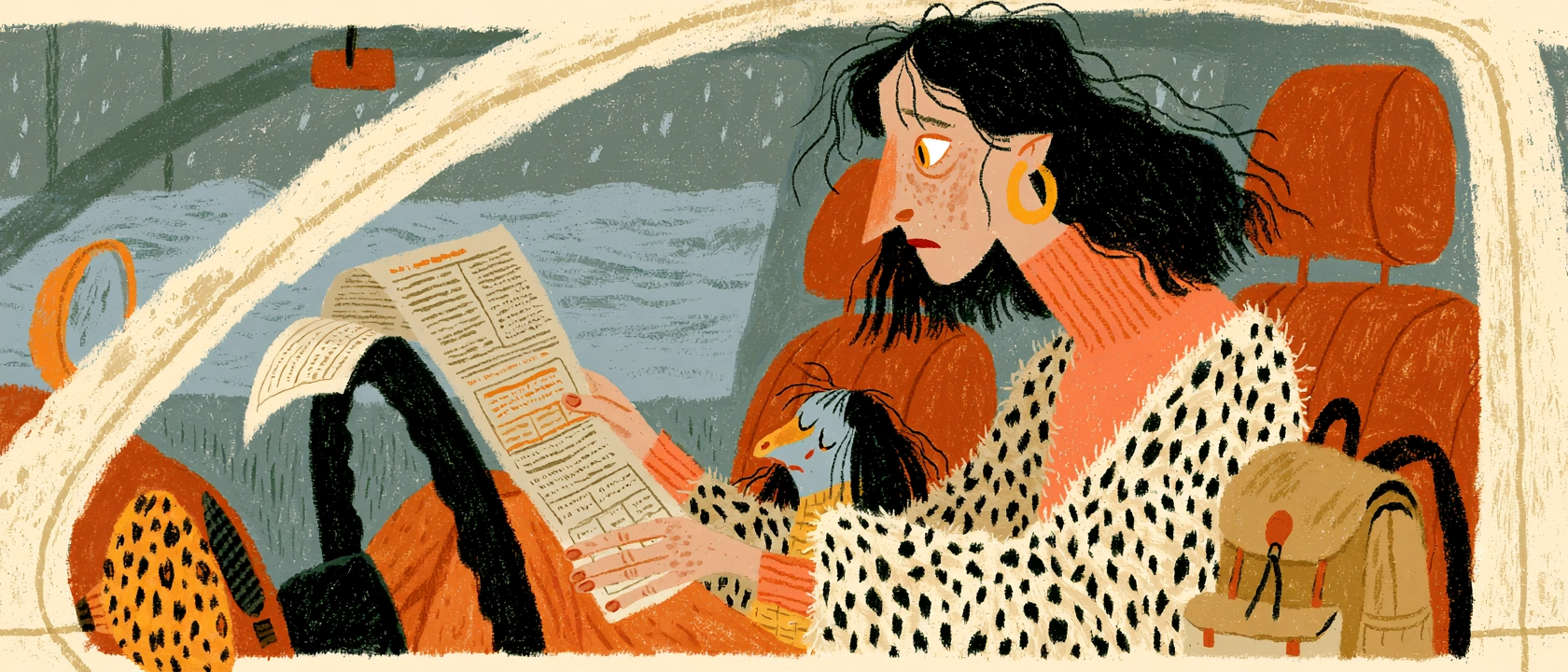
A climate is different. Nobody living inside a climate experiences it as an event, because it's simply the weather everything grew in. A childhood of unpredictable rage, chronic neglect, or years of abuse shapes the whole organism the way rainfall shapes what grows. That's complex trauma, and complex PTSD is what it leaves behind.
Complex PTSD adds three struggles on top of the classic trauma symptoms. In daily life they look like this:
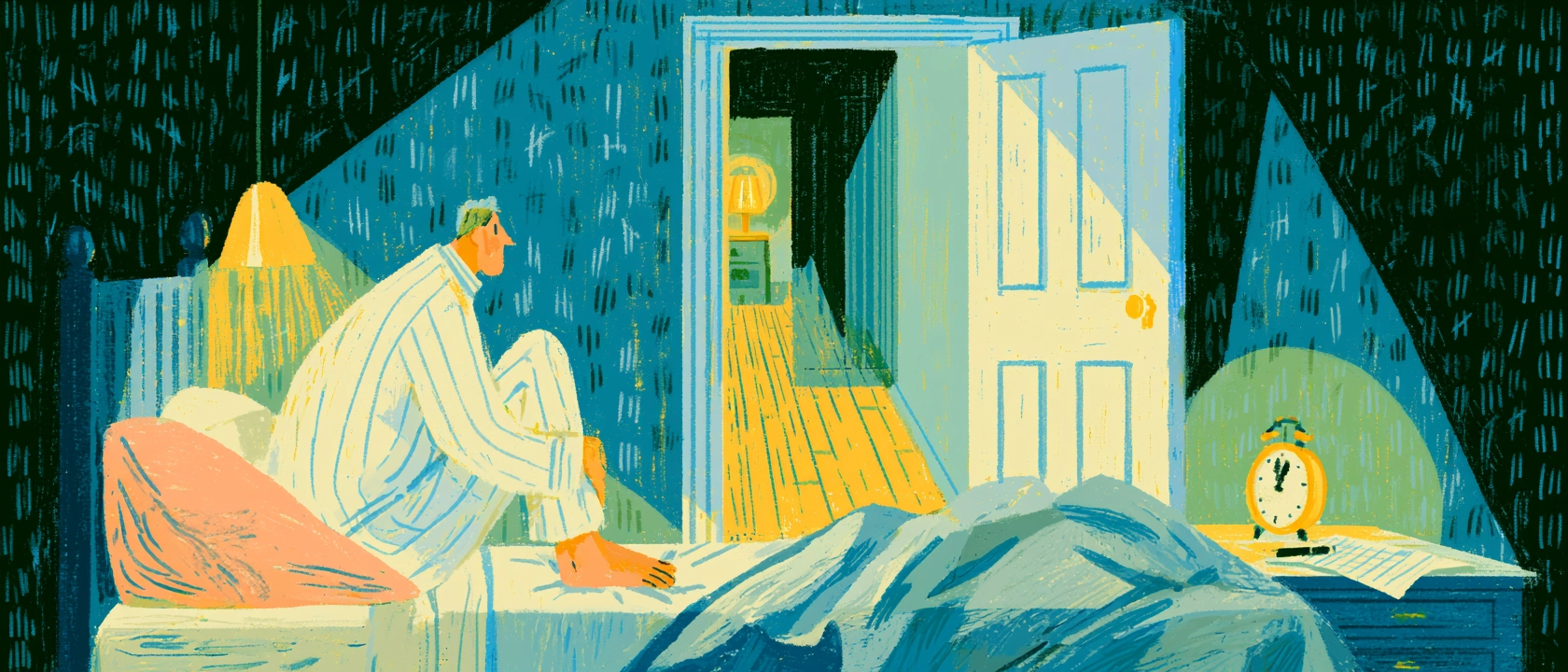
The body carries its share too. We've written about how trauma shows up physically in teenagers, and the adult version of that same wiring shows up as chronic tension, sleep trouble, and feelings that flood in without any picture or memory attached.
Complex PTSD has a paperwork problem. The World Health Organization added it to the International Classification of Diseases, 11th revision (ICD-11), the diagnostic manual used across most of the world. The American manual, the Diagnostic and Statistical Manual of Mental Disorders, fifth edition (DSM-5), never gave it a separate entry, folding some of its features into the standard PTSD criteria instead.
The practical result is that many American clinicians were never trained to look for it. In our work with clients at Layers, the most common story is a string of earlier diagnoses, usually anxiety, depression, or sometimes borderline personality disorder, each one describing a real piece while missing the shape of the whole. The treatment helps a little. The pattern survives.
Getting the right name matters because the name points at the right treatment.
This is the sentence we hear most often, and it deserves its own section.
Some of the deepest trauma histories contain no single terrible day.
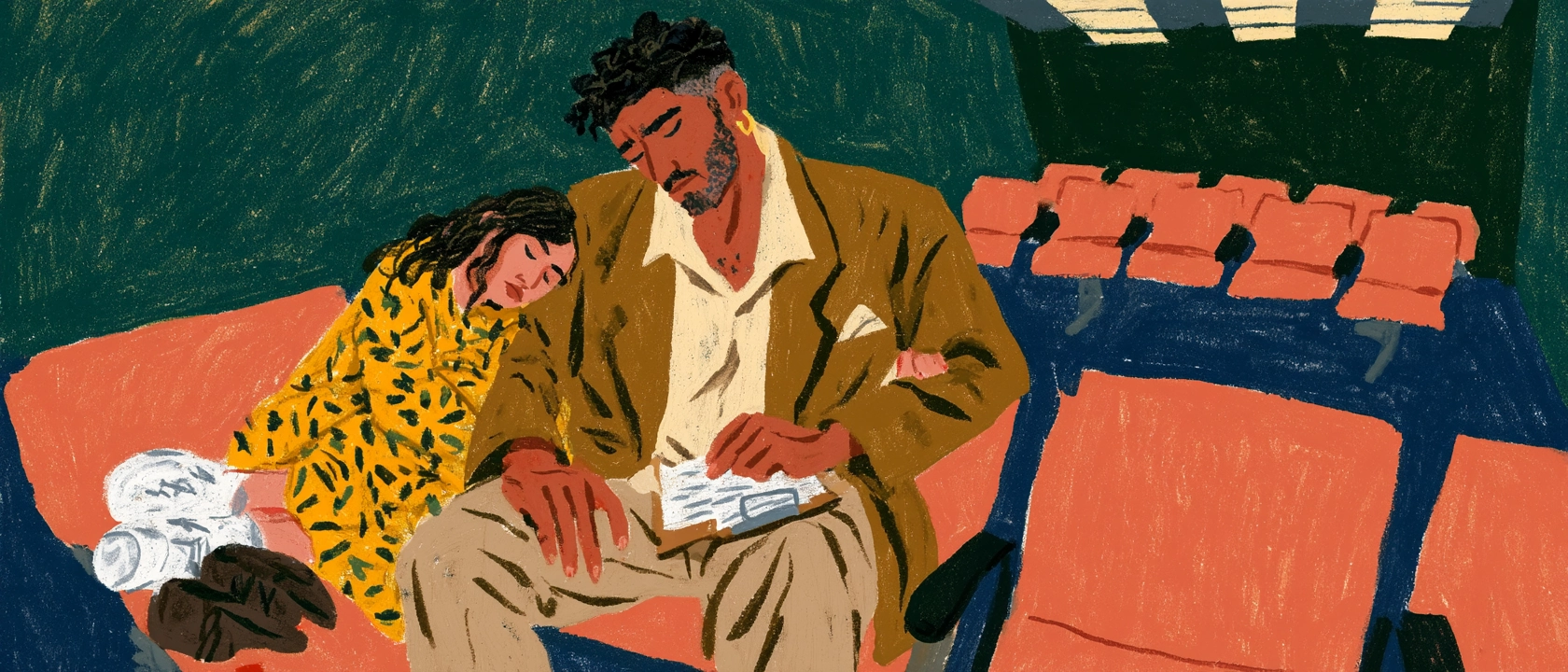
Complex trauma is often made of absences and atmospheres: affection that depended on performance, and needs that went unmet for so long you stopped having them. Or a parent whose mood set the safety level of every room in the house, every day, for years. No dateable storm. Just a climate.
People raised in that climate compare themselves to survivors of visible catastrophes and conclude they have no right to the word trauma. So they seek help for the downstream weather, the anxiety and the depression and the failed relationships, and never mention the climate at all. If you've spent years in therapy that helped without ever quite reaching the thing, this may be why.
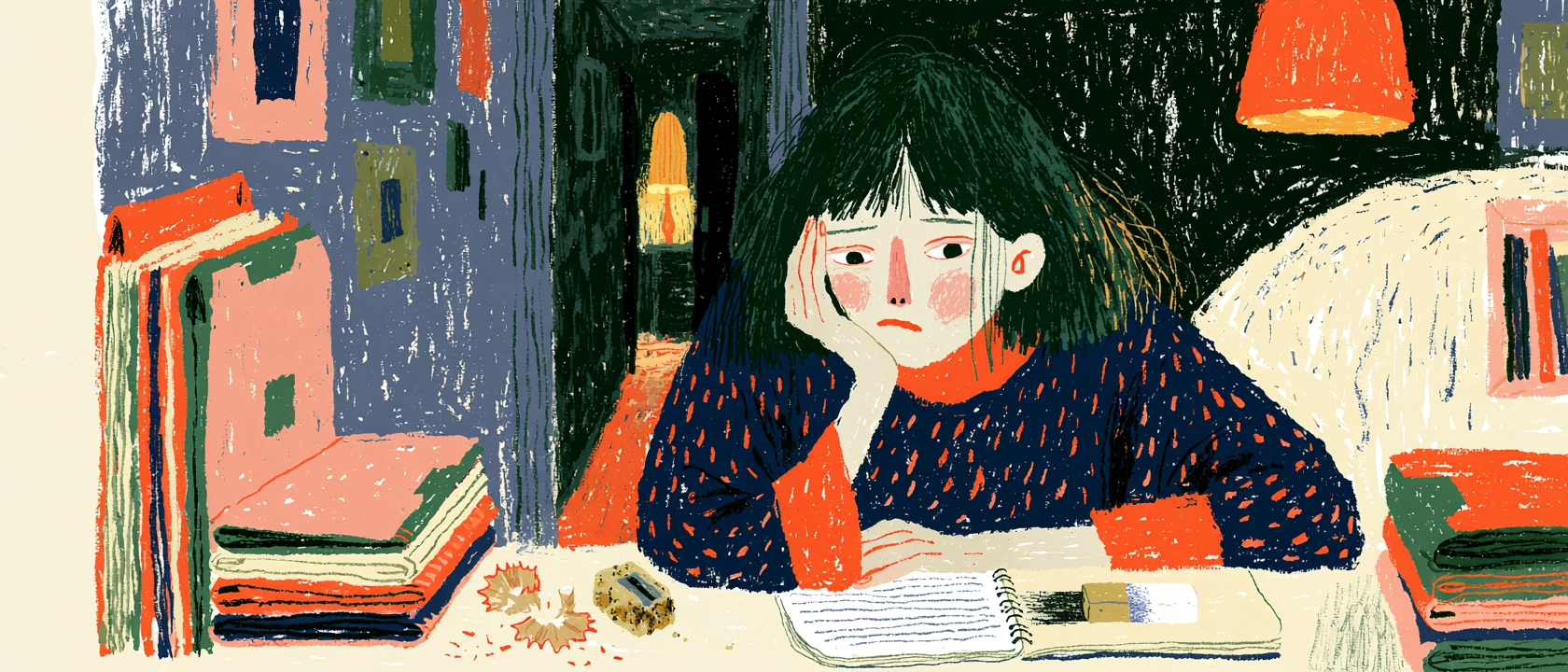
The pattern gets mistaken for personality. "I'm just an angry person." "I sabotage everything good." "I don't do relationships." Each repetition of the pattern deepens the shame, and the shame drives more of the pattern.
Untreated complex trauma also tends to recruit reinforcements, like substance use to manage the flooding, or overwork to outrun the stillness. Some people keep finding partners who feel familiar for exactly the wrong reasons. A storm's damage sits still while you rebuild. A climate keeps producing weather until the conditions change.
Complex PTSD responds to treatment, and the structure of treatment is the point. Trauma work at Layers typically moves in phases: first stabilization, where you and your therapist build emotional regulation skills and a working sense of safety, then processing the traumatic material itself, then rebuilding the parts of life the trauma shaped, including trust and self-concept.
Our team brings several approaches to the processing phase. Isaac Rosas' trauma-informed approach anchors our trauma work with teens and adults, and Karla Pineda brings Advanced accelerated resolution therapy (ART), an eye-movement-based approach, to adult trauma treatment. Which approach fits depends on your history and what your nervous system tolerates, and that gets decided with you, in the room, during the stabilization phase.
The timeline is longer than single-event PTSD treatment, and the phased structure exists precisely so the work never outpaces your capacity to handle it.
It's broader rather than automatically worse. Complex PTSD carries additional symptom clusters, which usually means treatment addresses more territory over a longer arc. Severity varies enormously person to person in both conditions, and comparing suffering rarely helps anyone get better.
The committee behind the DSM-5 chose to expand the standard PTSD criteria instead of creating a separate diagnosis. The World Health Organization went the other way and gave complex PTSD its own entry in the ICD-11. Clinicians trained on trauma recognize and treat it regardless of which manual sits on the shelf.
Complex PTSD already contains the core PTSD symptoms, so the diagnosis covers both. What's common is layering: a childhood climate of chronic trauma plus a discrete adult event, like an assault or accident. Good trauma therapy maps both rather than treating one and hoping.
They overlap enough to be mistaken for each other, and misdiagnosis in both directions is common. Both can involve intense emotions and unstable relationships. Differences show up in the pattern's engine, which is why a careful assessment with a trauma-trained clinician matters before either label gets applied.
Consider a trauma-focused evaluation if you recognize:
If you or someone you love is in crisis:
Layers Counseling Specialists provides trauma therapy in Plano, Texas for both PTSD and complex PTSD, working with adults, teens, and children across the DFW area. If the climate you grew up in is still producing weather, request an appointment with our team.
Herman's patients needed a new name before they could get the right help. The name exists now. And unlike the climate you were raised in, this one changes when the conditions change, starting with the condition of being accurately seen.
This article is for educational purposes and is not a substitute for professional medical advice. If you or someone you know is in crisis, call or text 988 (Suicide & Crisis Lifeline) or text HOME to 741741.
Our Plano therapists specialize in OCD, anxiety, ADHD, autism, ARFID and trauma, in person or online anywhere in Texas. Every clinician starts with a free 15-minute consultation, so you can see whether it feels like a fit before you commit.
trauma
Accelerated Resolution Therapy (ART)
accelerated-resolution-therapy