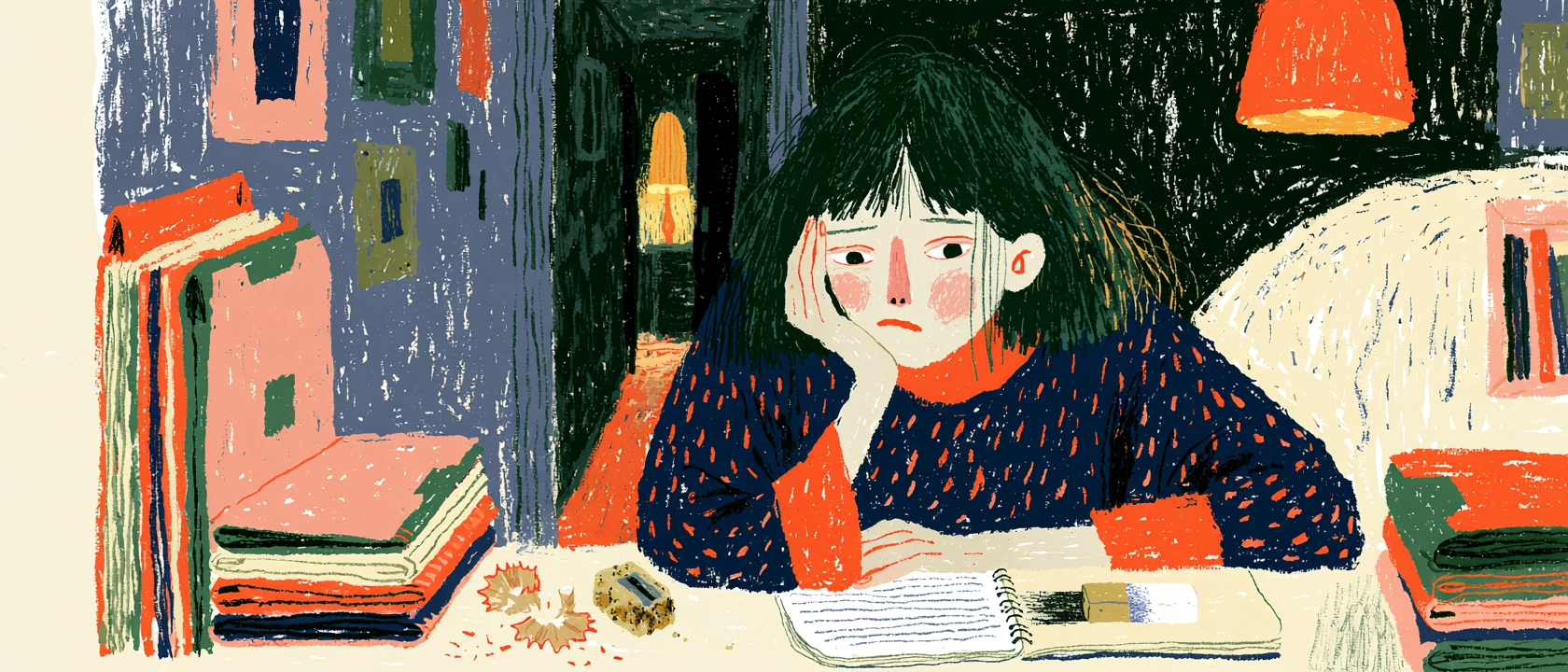
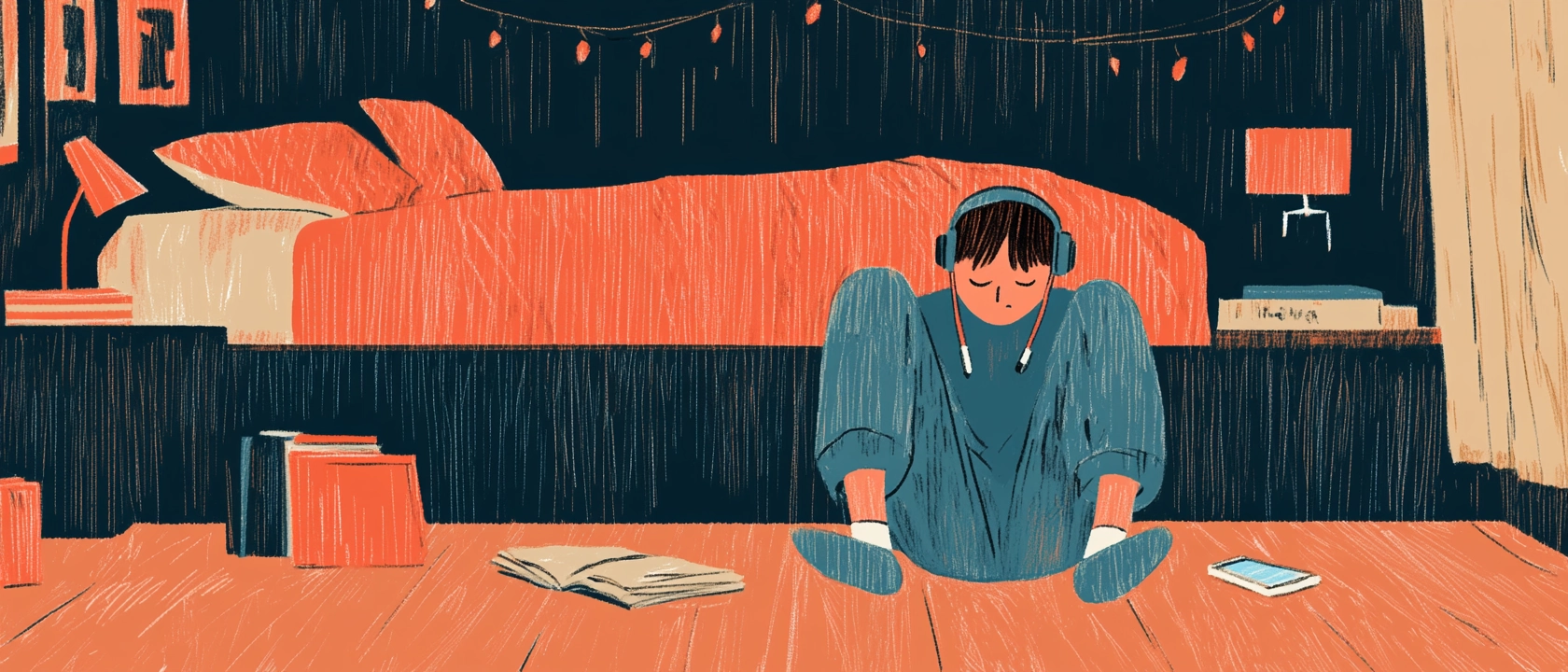
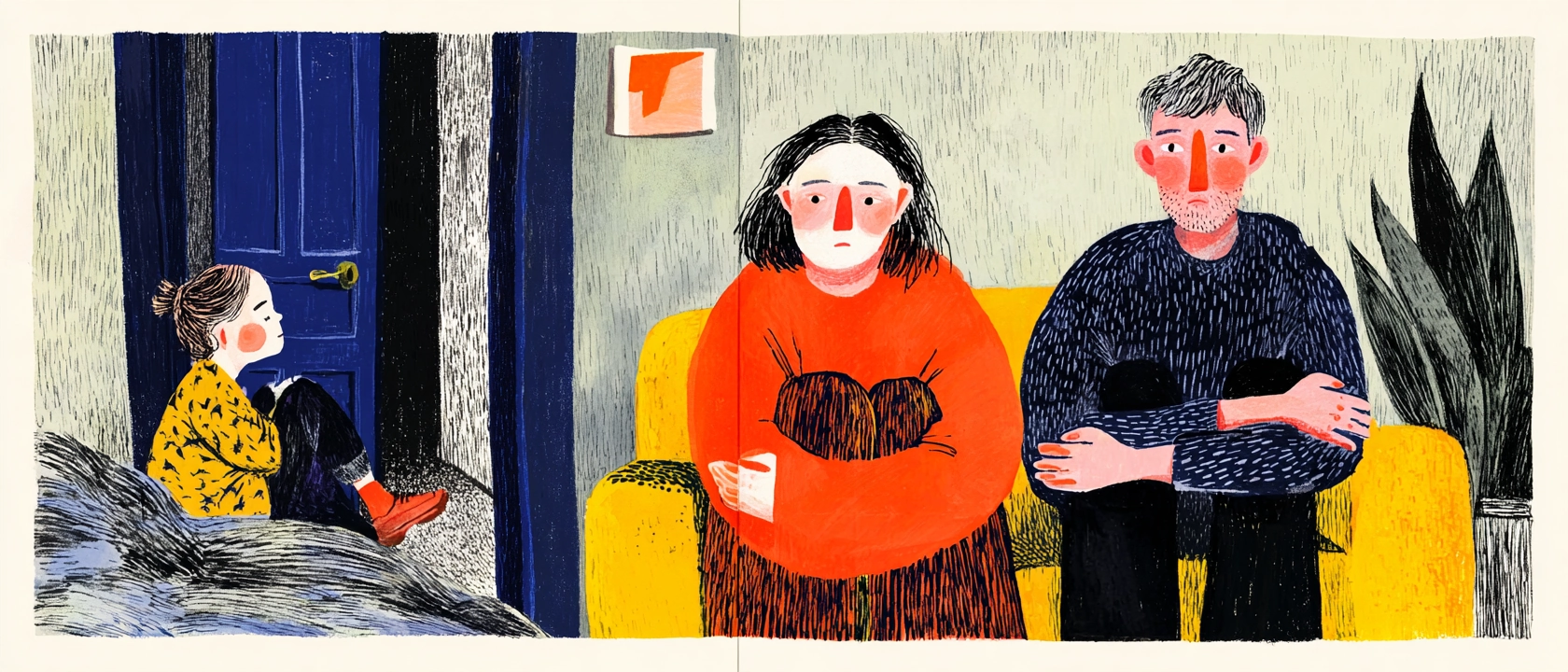
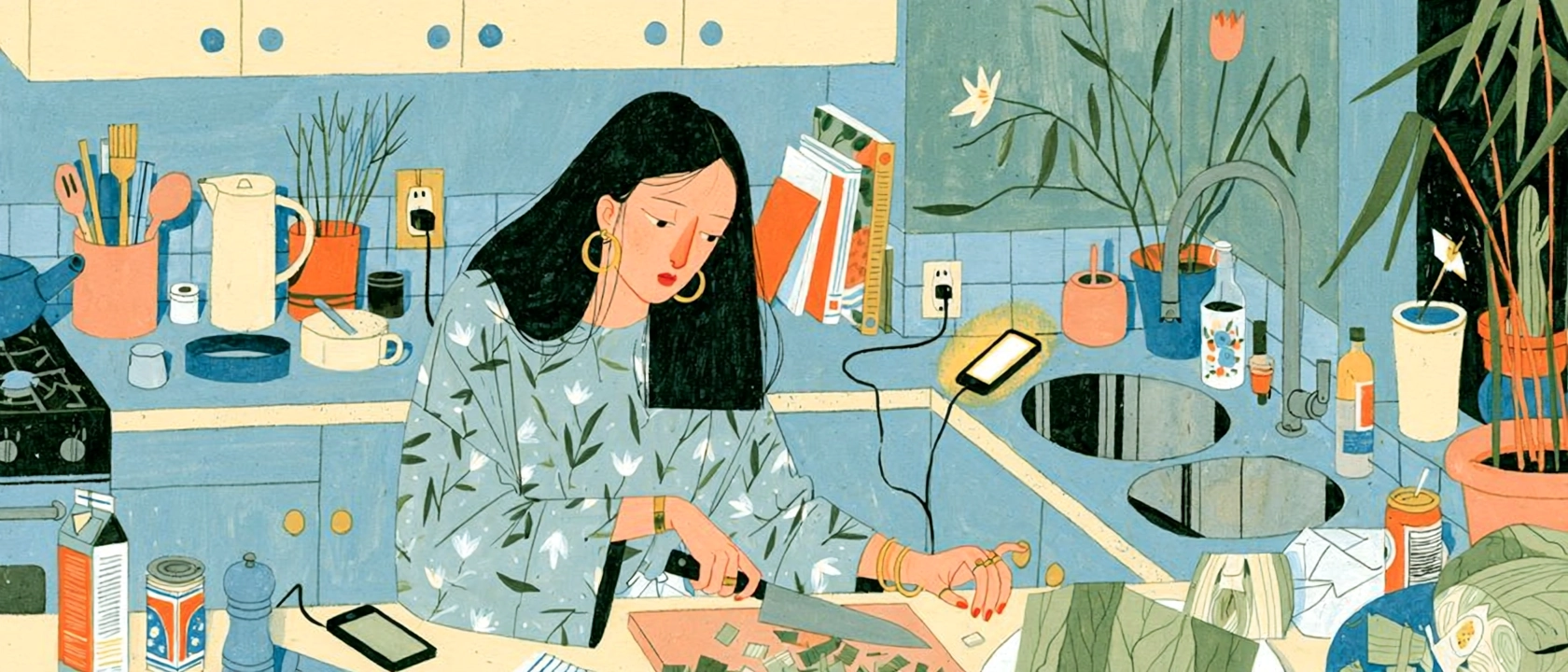
Your child used to love school. But lately, they cry every morning, clinging to you at drop-off like their safety depends on it. They wake in the night, trembling after nightmares. Small frustrations spark big meltdowns. You keep wondering: Is this just a phase—or something deeper?
When a child has lived through something frightening or overwhelming—a car accident, hospital stay, violence at home, or even chronic stress—their body remembers. Trauma doesn’t always look like fear; sometimes, it hides behind defiance, perfectionism, or silence. That’s where play therapy can help. In the playroom, children process what words can’t yet reach. Through toys, art, and imagination, they show the stories their nervous system is still carrying.
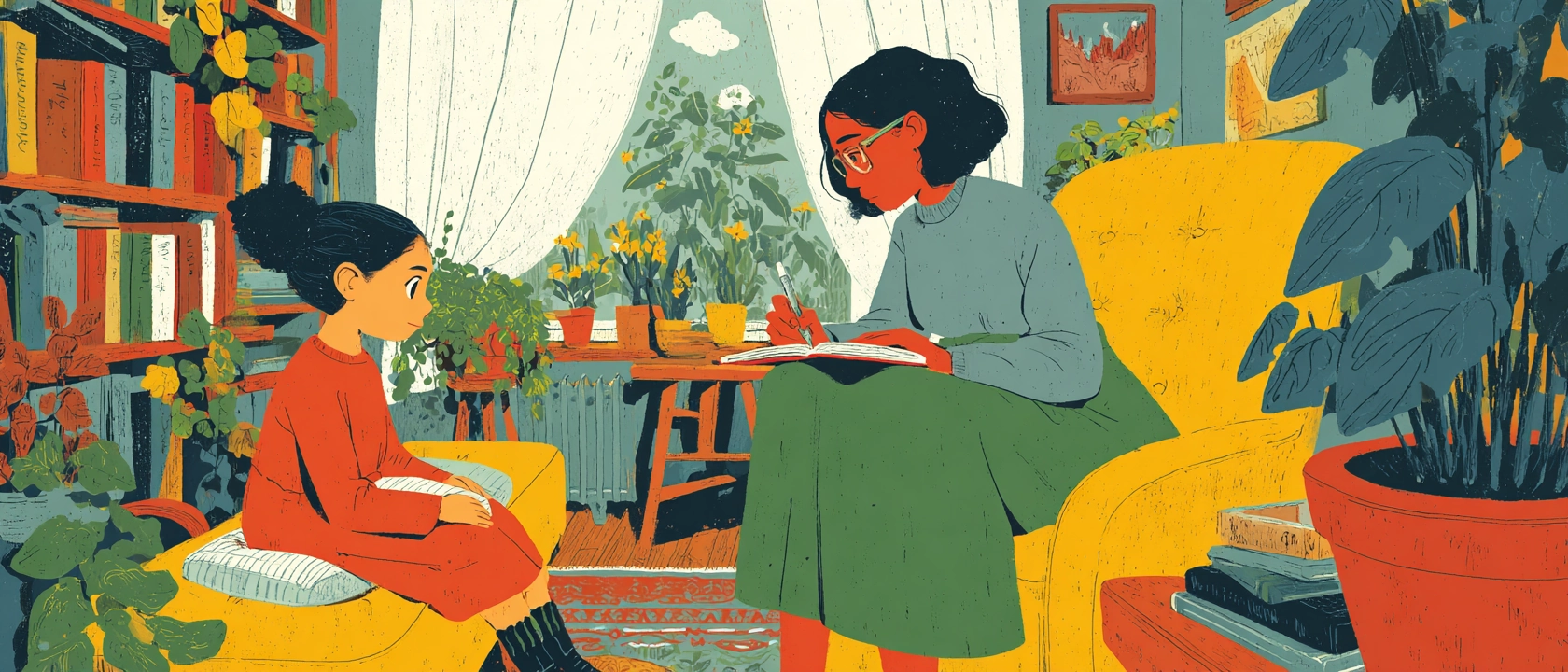
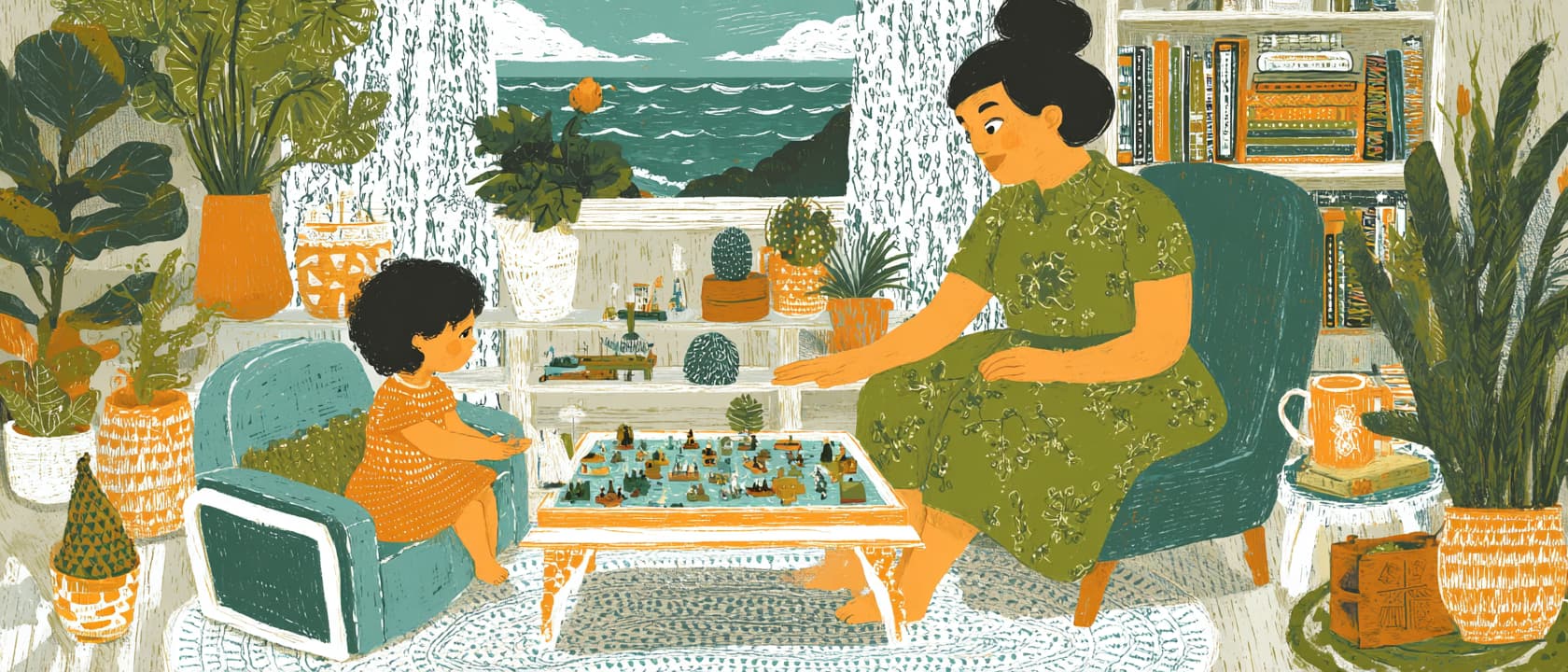
Play therapy is a form of counseling designed especially for children. Instead of talking about their experiences—something that can feel impossible for a traumatized child—they use play as their language.
The Association for Play Therapy (A4PT) calls it “the systematic use of a theoretical model to establish an interpersonal process wherein trained play therapists help children express and resolve psychosocial difficulties through play.” In other words, play is how children work things out (A4PT, 2024).
In the hands of a trained therapist, play becomes a safe laboratory where a child can:
At Layers Counseling Specialists, we often tell parents: play is how the brain rewires itself after danger. It’s not “just playing.” It’s healing in disguise.
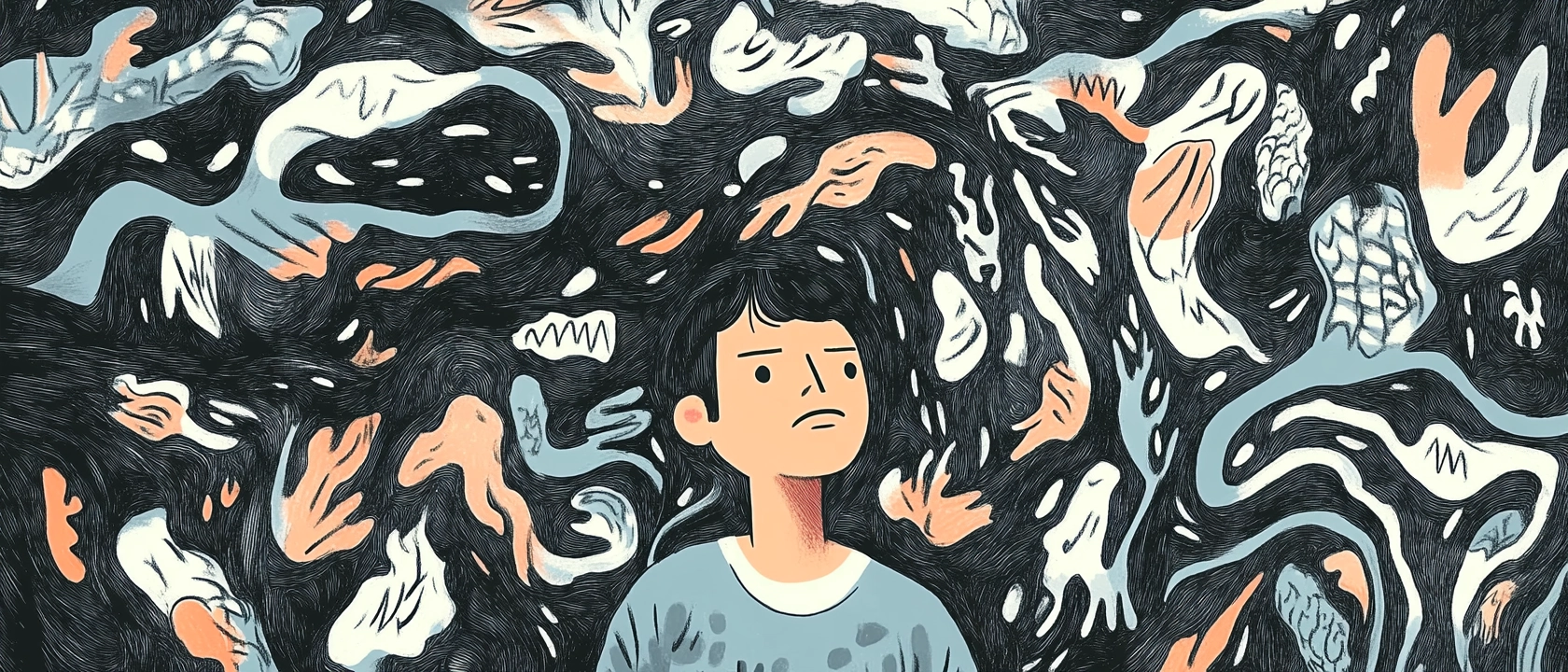
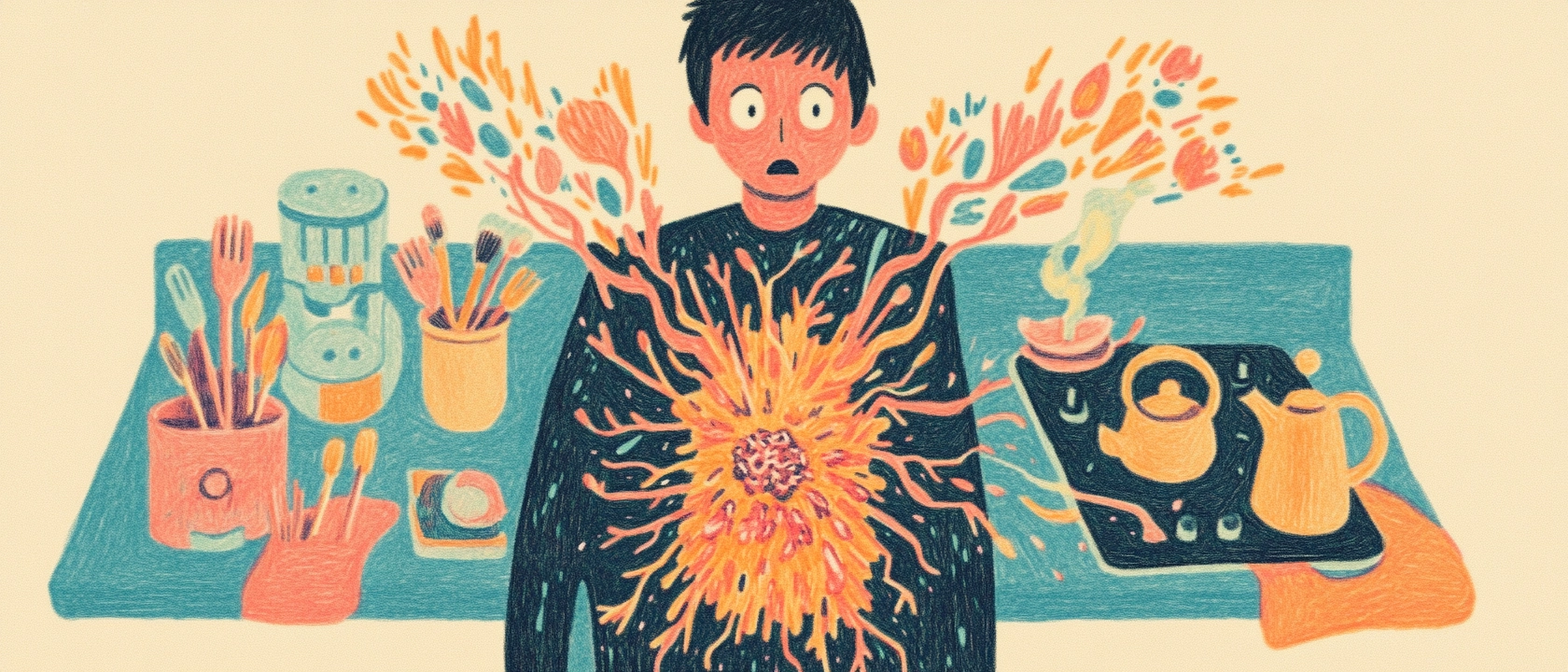
After trauma, a child’s nervous system can get stuck in “alarm mode.” Imagine a smoke detector that can’t tell the difference between real fire and burnt toast—it keeps blaring, even when there’s no danger.
The National Child Traumatic Stress Network (NCTSN) explains that children who have experienced trauma often operate in “survival brain” mode—hypervigilant, impulsive, or detached—not because they’re being difficult, but because their nervous system is still trying to protect them (NCTSN, 2023).
You might see this as overreactions, withdrawal, or sudden aggression—but underneath, it’s a survival response.
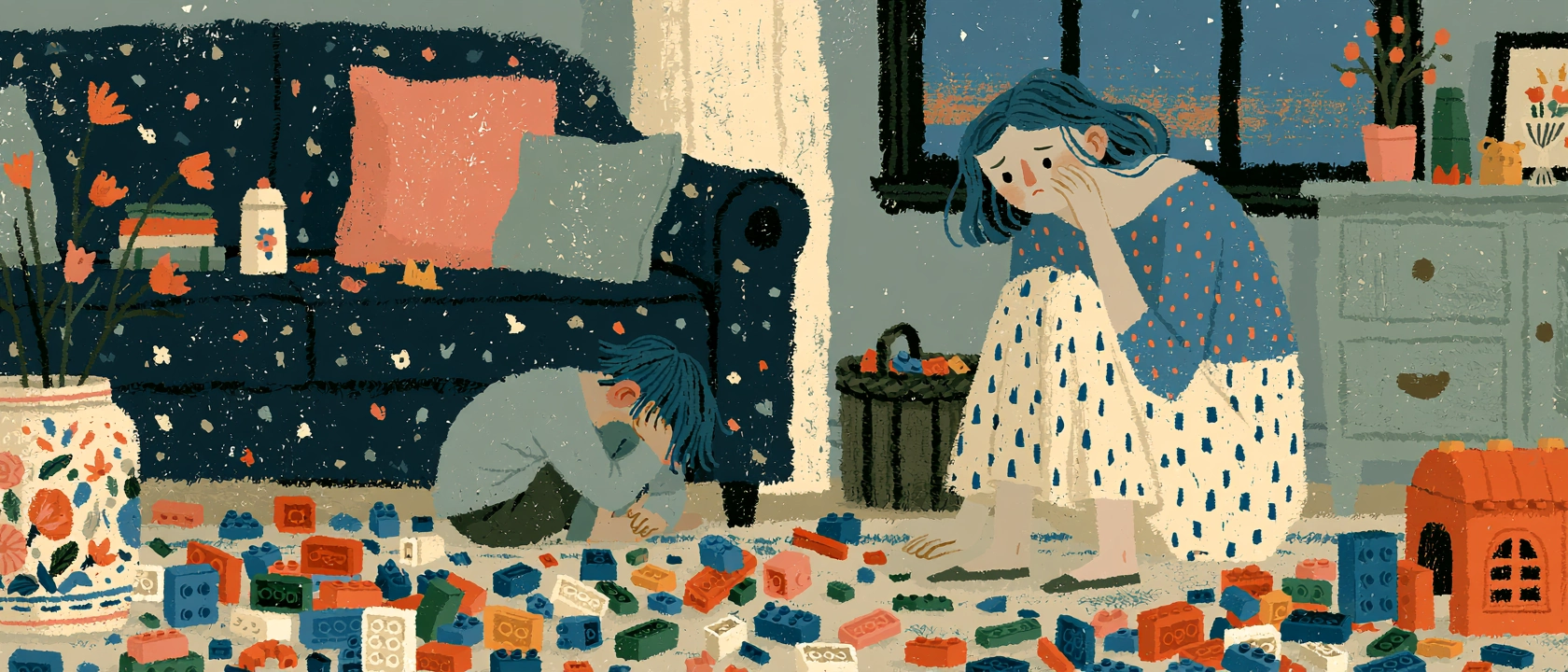
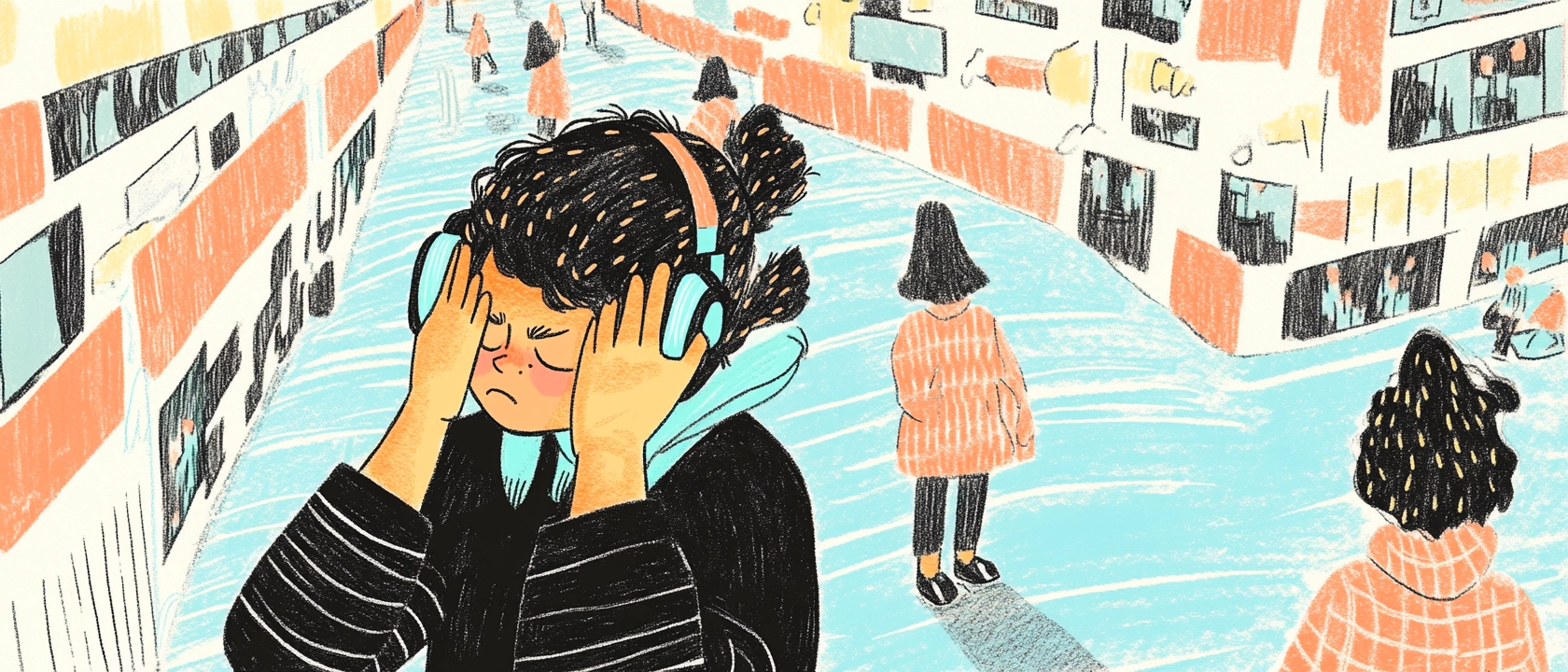
A slammed door, a loud voice, or even a change in routine sends your child spiraling. These aren’t tantrums—they’re trauma alarms. Their nervous system reacts as if danger has returned.
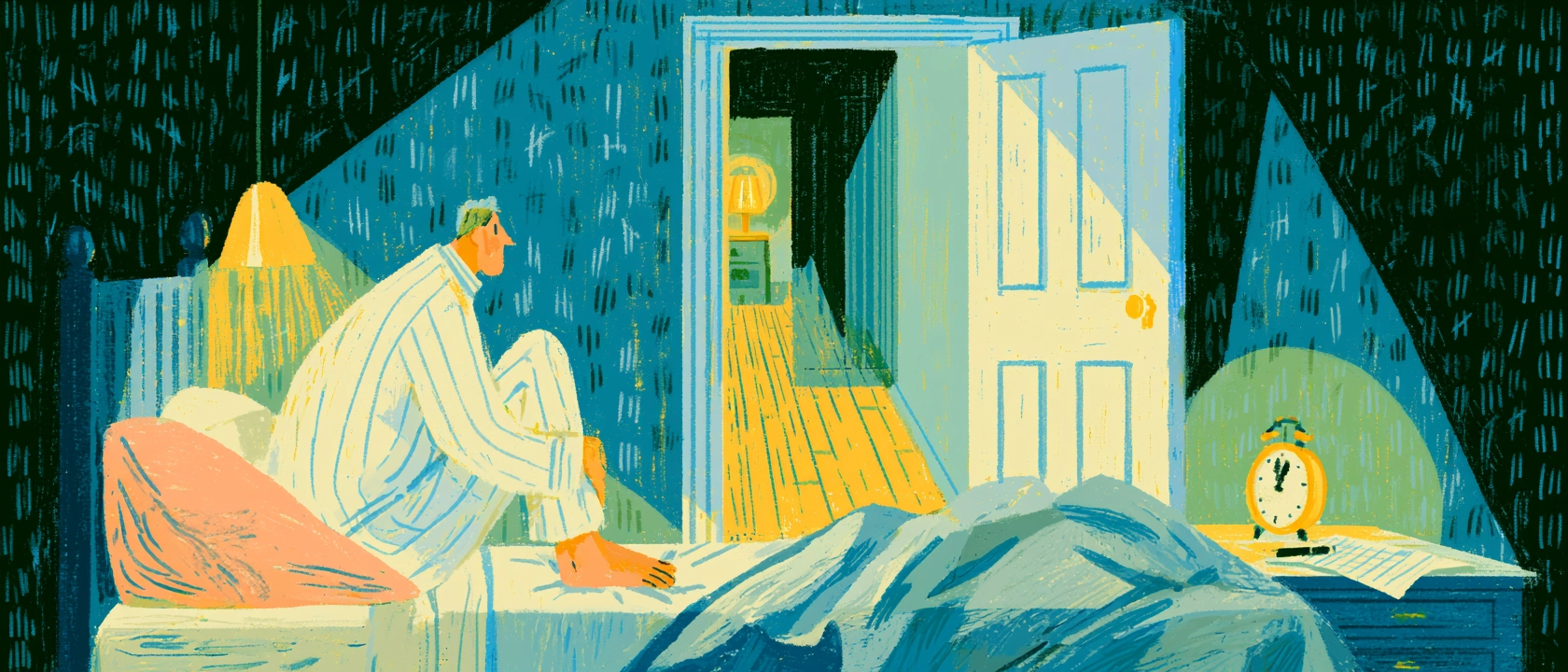
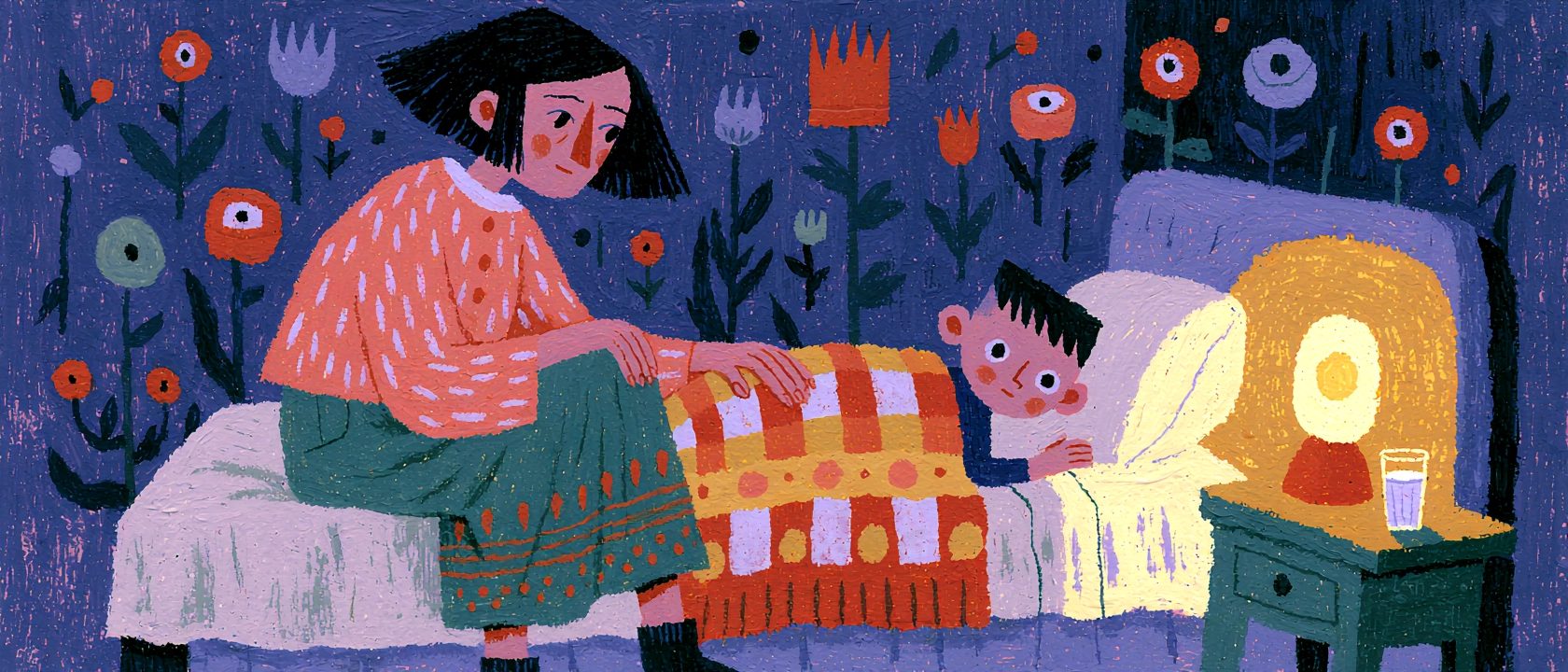
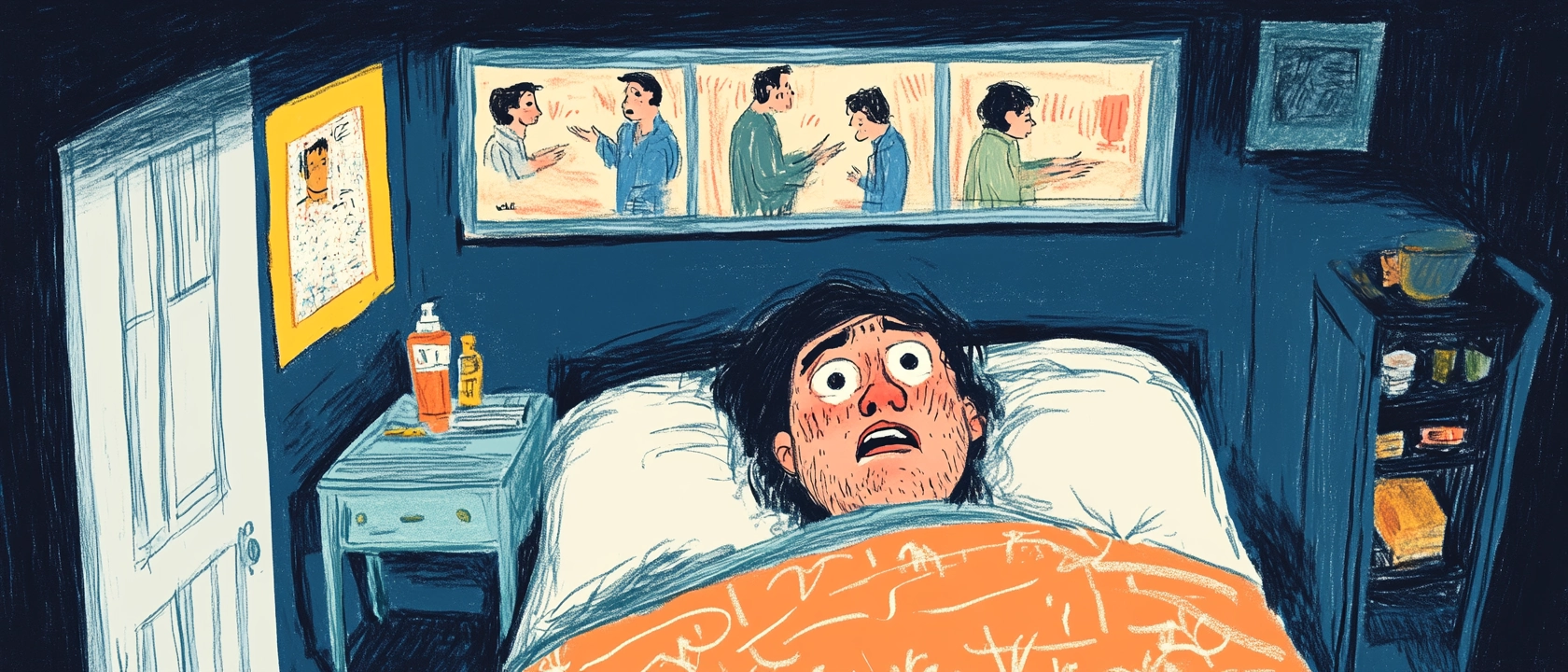
Traumatized children often replay their fears at night. Studies show that post-traumatic nightmares are one of the brain’s ways to process overwhelming memories (APA, Monitor on Psychology, 2022).
Toilet accidents, thumb-sucking, clinginess, or baby talk can reappear after trauma. It’s not “acting out.” Regression is the nervous system’s way of reaching for earlier safety.
You may notice your child shutting down when certain topics arise or avoiding places connected to the trauma. Some children seem “too fine,” as if nothing bothers them. That calm can actually be freeze-mode—a protective shutdown (van der Kolk, The Body Keeps the Score).
Some kids express trauma through intense, repetitive, or violent play themes. Others lash out physically. The Journal of Child and Adolescent Counseling notes that symbolic aggression in play can be a sign the child is trying to regain mastery over past experiences (2023).
Children who felt helpless often try to control everything afterward—lining up toys perfectly, bossing siblings, or melting down when plans change. Control feels like safety.
If your child constantly asks, “Are we safe?” or “Where are you going?”—their body may still believe danger is near. Play therapy helps their system learn: the danger has passed.
When trauma responses go untreated, they don’t fade with time—they get woven into how a child relates to the world. Chronic anxiety, emotional outbursts, learning difficulties, or relationship struggles can emerge years later. The earlier the intervention, the more flexible the brain remains—and play therapy works with that flexibility. According to the American Counseling Association (2023), early, play-based intervention significantly improves emotional regulation and social functioning in children with trauma histories.
Play therapy offers a space where children can symbolically rewrite their story. In the playroom, your child might:
Each act helps the brain integrate the memory instead of reliving it. Over time, their play shifts—from chaos to coherence, from fear to resolution.
At Layers Counseling Specialists, our trauma-trained play therapists combine Child-Centered Play Therapy (CCPT) with evidence-based trauma treatments like TF-CBT, DBT, Accelerated Resolution Therapy (ART), and Brainspotting. This integrative approach helps children regulate their nervous systems, process painful memories safely, and rebuild trust in their world—one story at a time.
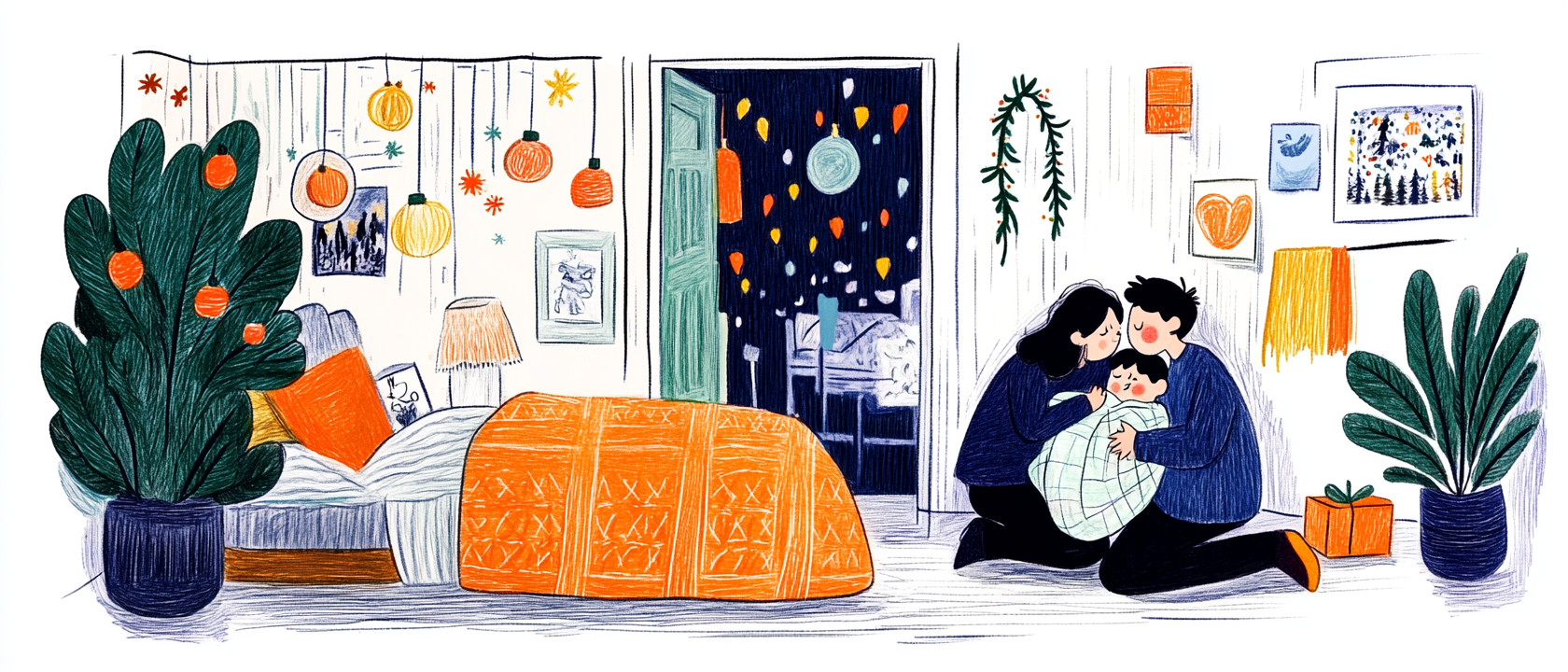
If you’ve noticed any of these signs, it doesn’t mean your child is “broken.” It means their system is doing its best to stay safe. Play therapy gives that system a new script—one where your child isn’t just surviving anymore, but truly healing.
Your child’s play might be telling you something words can’t yet say. Let’s help you understand it.
Contact Layers Counseling Specialists in Plano, Texas to schedule a consultation.