By Karla Pineda, LPC · Last reviewed: August 2026
Kids are resilient. They bounce back. A little conflict builds character.
That's the script most of us inherited, and there's a version of it that's true. Kids do recover from ordinary friendship friction, and they should get the chance to.
Bullying is a different thing than friction. And the kids living through it are usually working hard to make sure you never find out.
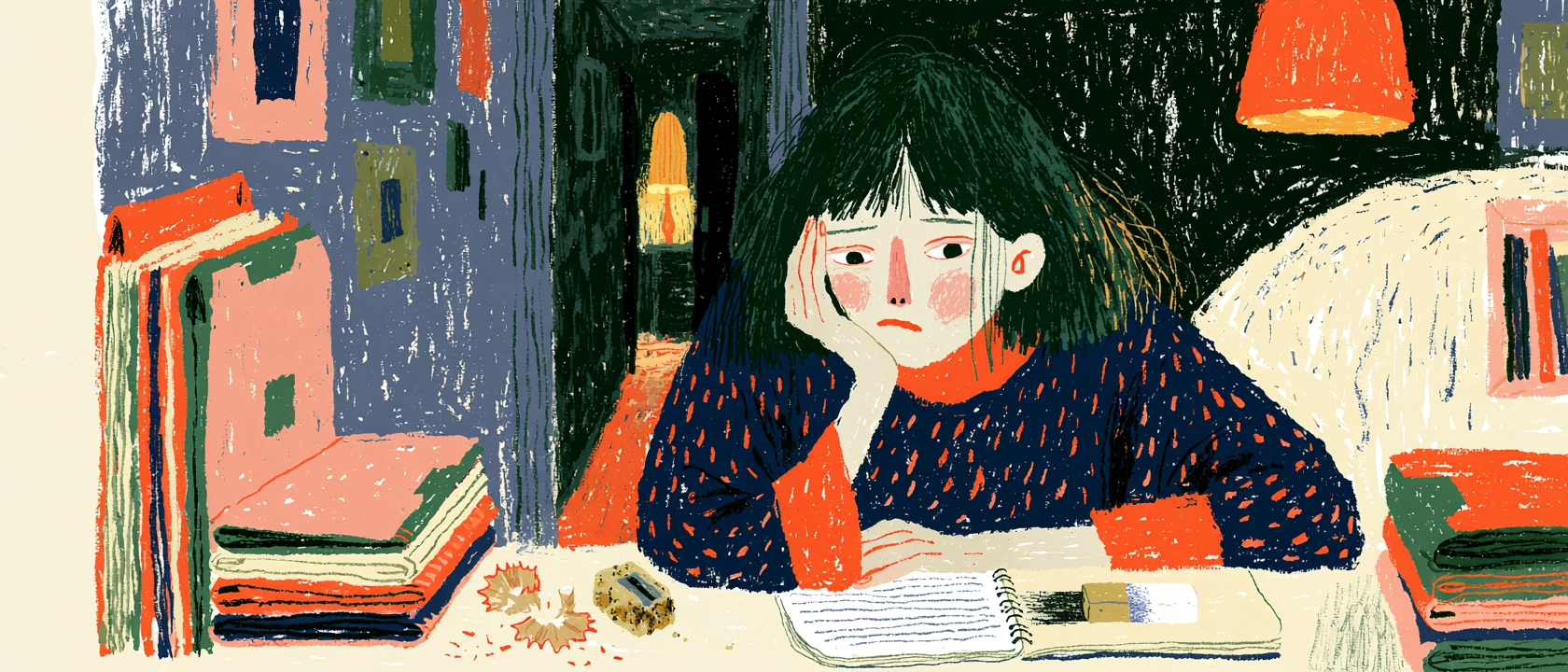
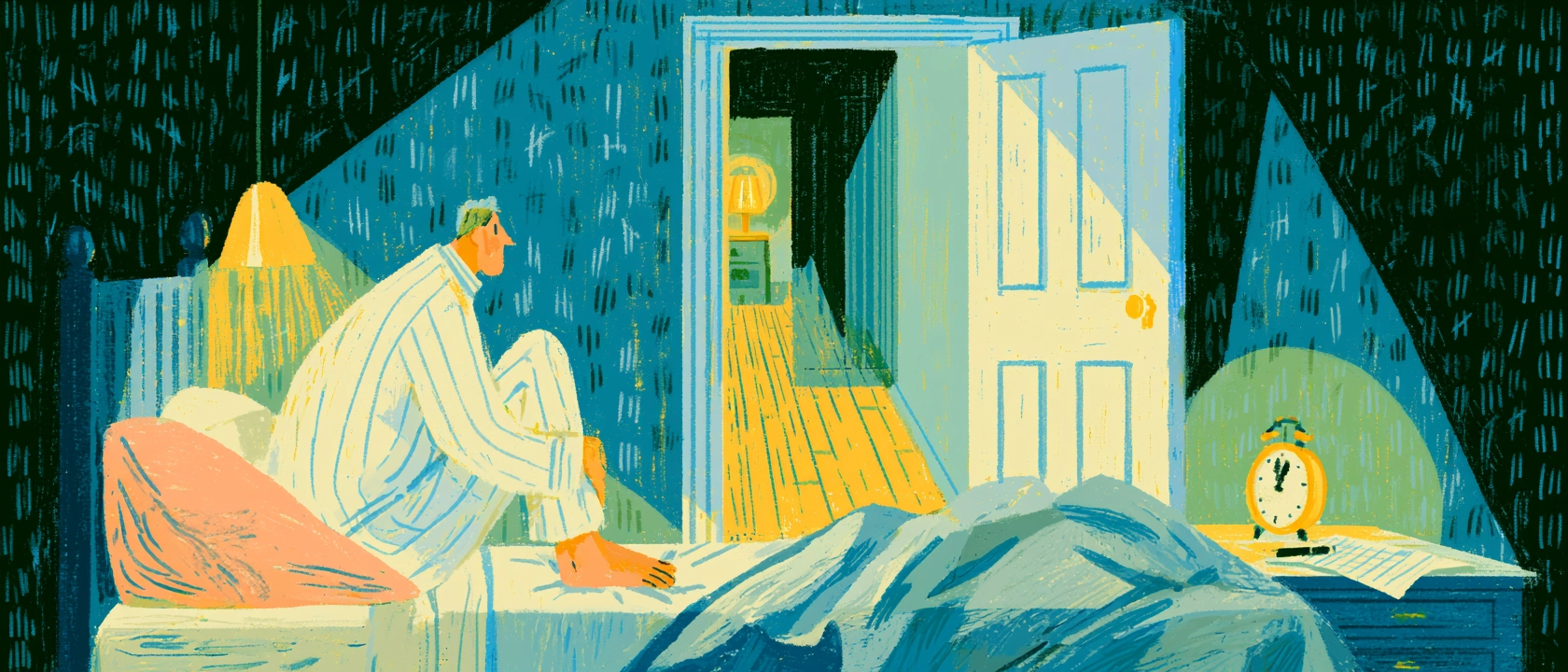
Signs of bullying in children include sudden anxiety or irritability, school avoidance, frequent stomachaches or headaches, dropping grades, withdrawal from friends, lost or damaged belongings, and changes in sleep or appetite. Because most kids hide bullying from adults, behavior changes at home are usually the first visible evidence.
Bullying is repeated, intentional behavior meant to harm someone with less power in the situation. Per StopBullying.gov, it takes four main forms:
One bad recess is conflict. The same target, again and again, with an audience: that's bullying.
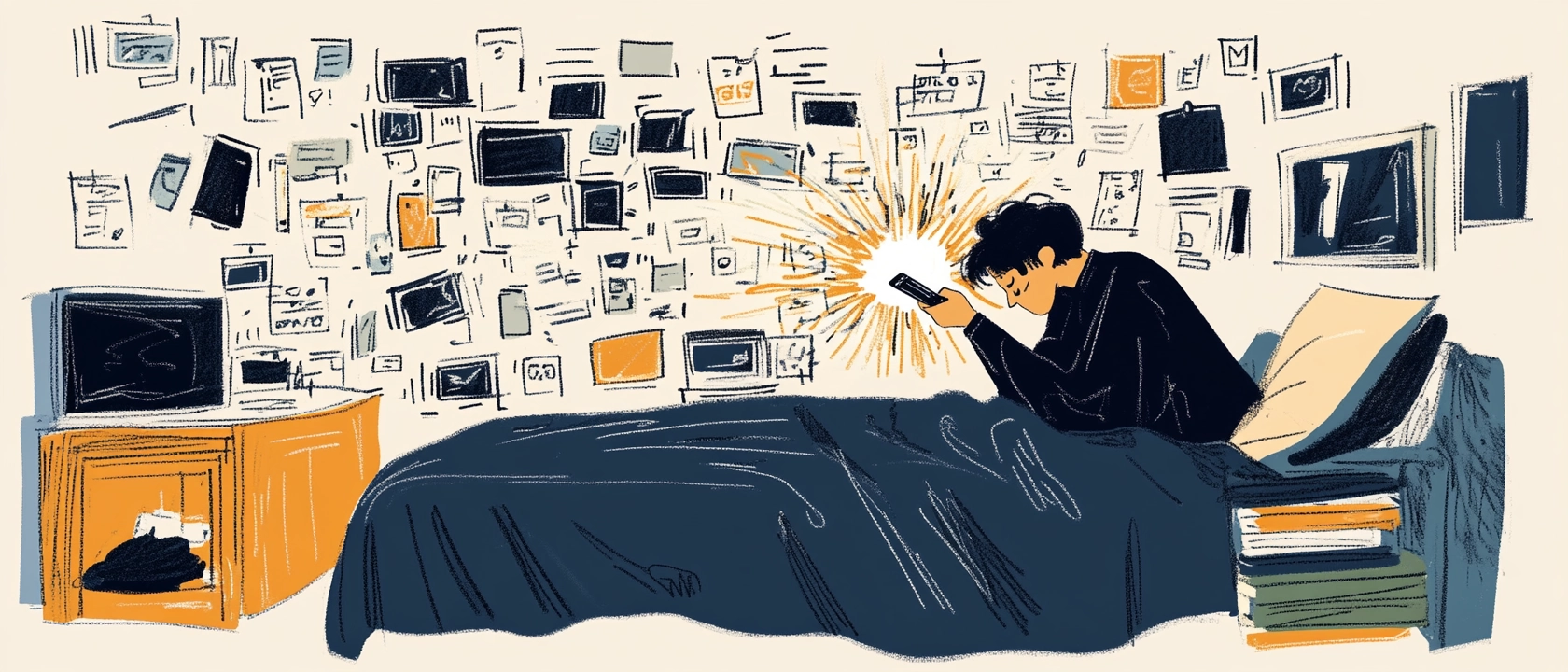
Think of your child's normal presence in the house as a radio station you know by heart. Bullying rarely announces itself. It fades the signal, and most parents realize they've been listening to static only after a few miles.
Emotional and behavioral static:
School-related static:
Body-level static:
No single item on this list proves bullying. A cluster of them, arriving together and sticking around, means the signal is fading and it's time to tune in closely.
This next part changes how you ask.
In our work with kids and teens, the silence almost never protects the bully. Kids stay silent out of shame, out of fear that involving adults will make school more dangerous, and (this is the one that gets parents) to protect you from being upset or disappointed.
Most kids don't stay silent to protect the bully. They stay silent because they're afraid of what the adults will do next.
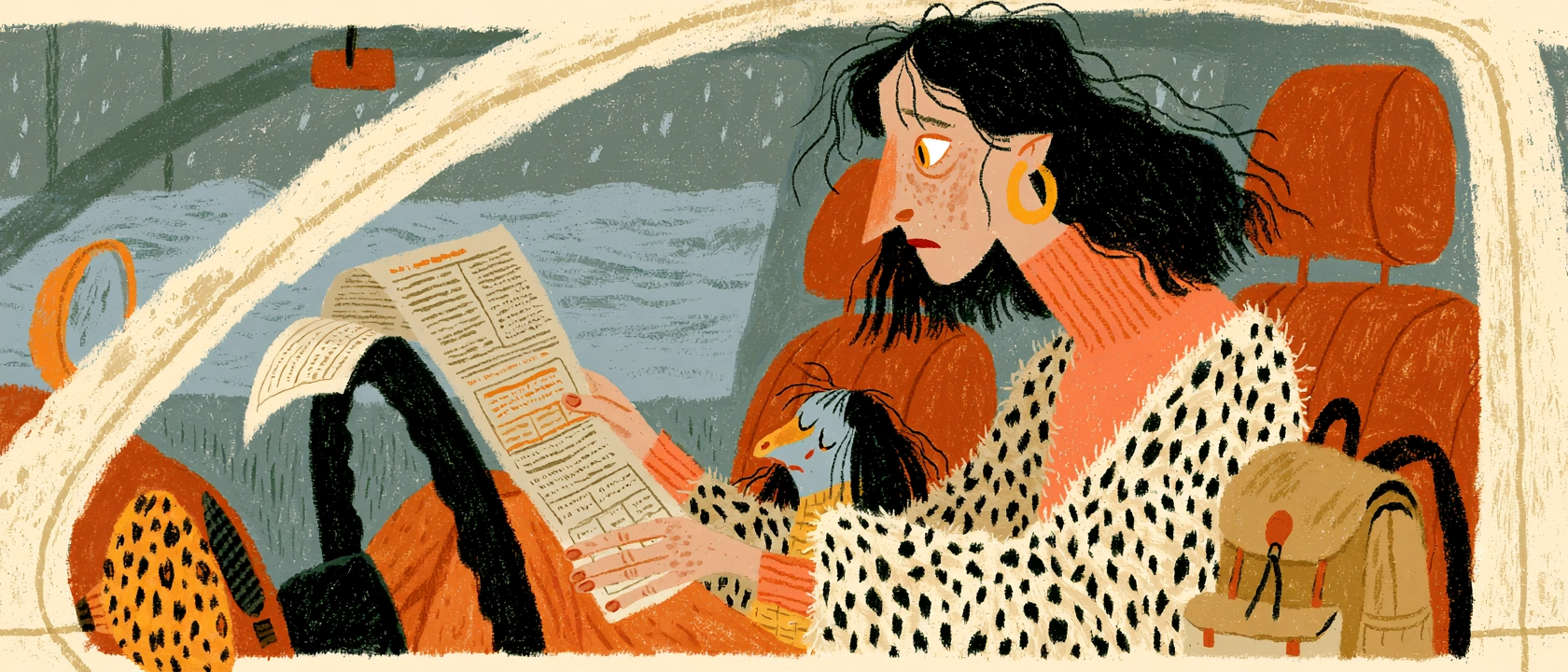
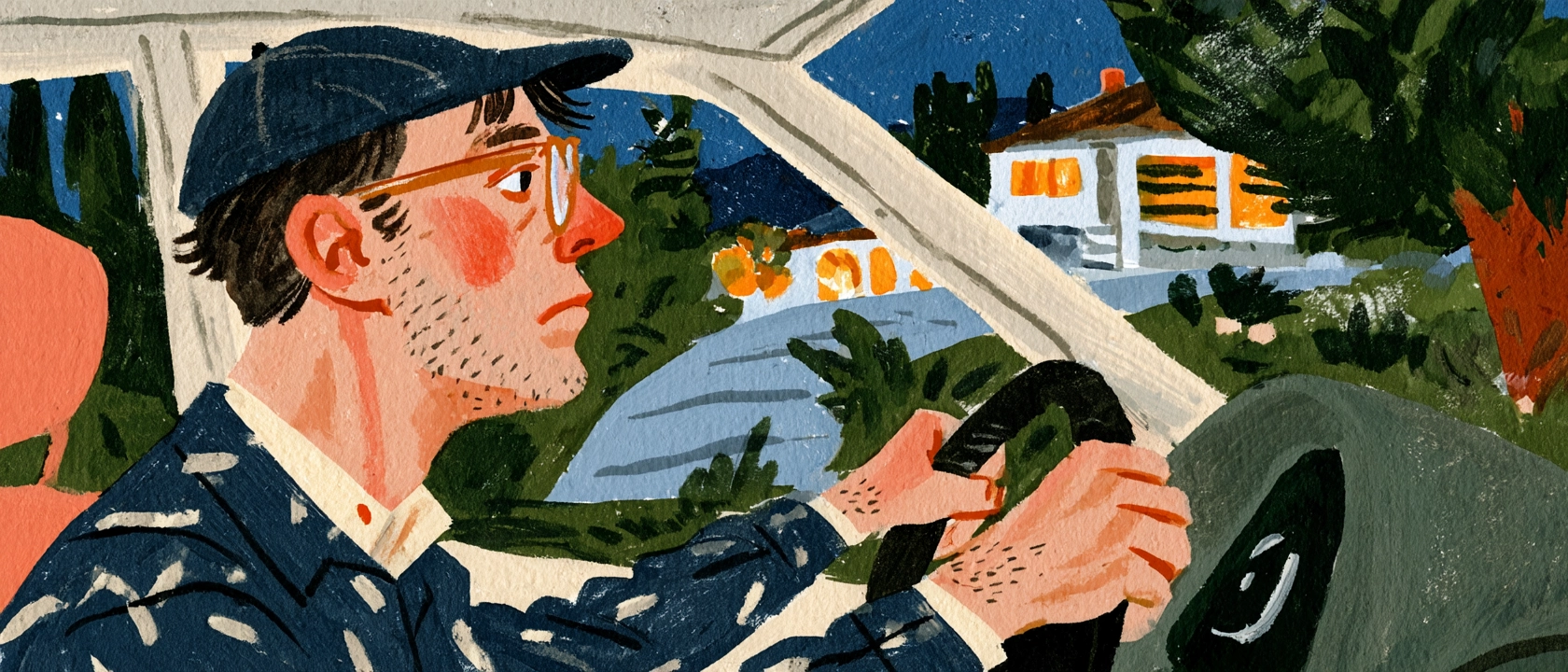
Which means "Are you being bullied?" is usually the least effective question in the house. It demands a confession. Sideways questions work better: "Who'd you sit with at lunch?" "What's the worst part of the day lately?" Disclosure tends to arrive in fragments, in the car, facing forward. Your job in that moment is to stay calm enough to hear the next fragment.
Yes. The Centers for Disease Control and Prevention (CDC) links bullying to higher rates of anxiety and depression, especially when it's chronic. The National Child Traumatic Stress Network treats bullying as a trauma type in its own right, with effects that can include post-traumatic stress symptoms. The developmental years make the wound deeper, since identity is still forming.
A bullied child's nervous system learns two lessons: peers are dangerous, and adults can't help. Hypervigilance, mistrust, shutdown, and panic in social settings are those lessons spreading. Not sure if what you're seeing is normal worry or something more? Look at how long it lasts and how far it spreads.
The costs stack up. Chronic bullying that goes untreated is linked to lasting anxiety and depression, school refusal, and sliding grades. It also builds social patterns that outlast the bully by years. The college student who assumes every group secretly dislikes them learned that somewhere.
For teens, the overlap with mood symptoms is real enough that it's worth reading up on the line between teen moodiness and depression. Early support changes these trajectories. That's the honest stakes, and also the honest hope.
Therapy gives kids a place to say the unsayable without managing anyone's reaction, including yours.
Younger kids, and kids who shut down when asked to talk, often do best with play and expressive approaches. These let them process shame and fear at their own pace. At Layers, Isaac Rosas, LMSW, works with children and teens using trauma-informed, child-centered approaches. Our team supports parents in parallel: decoding behavior, responding without panic, and advocating with schools.
Kids also practice the skills bullying stole. Boundaries. Reading safe people accurately. Trusting their own account of what happened to them.
For parents, PACER's National Bullying Prevention Center has strong school-advocacy resources worth bookmarking before your first meeting with the counselor.
Sideways. Ask specific, low-pressure questions about the day, like who they sat with or what the bus was like, and receive whatever comes back calmly. Big parental reactions teach kids to stop mid-story. Calm ones buy you the next chapter.
Usually yes, once you have specifics: document dates, incidents, and names, request a meeting in writing, and ask directly what the school's plan is. Tell your child before you go. Being blindsided by adult intervention is one of the main reasons kids regret disclosing.
Chronic bullying can produce trauma symptoms that meet criteria for PTSD in some children: intrusive memories, avoidance, hypervigilance, and mood changes. Even below that threshold, the symptoms deserve treatment. Severity of impact matters more than whether the event sounds "big enough."
It takes courage to ask. Bullying behavior is often a signal of the child's own distress: anxiety, trauma exposure, or social skill gaps looking for control somewhere. Therapy helps here too, and addressing it now protects your child and everyone in their orbit.
Consider professional support if your child:
If you or someone you love is in crisis:
At Layers Counseling Specialists in Plano, Texas, we provide trauma-informed therapy for children and teens across the DFW area, including families in Allen. If your child's signal has been fading, reach out today.
The old script said they'd bounce back on their own. The better version: kids recover remarkably well when the adults tune in early and the static gets named. The station comes back. It usually comes back stronger.
This article is for educational purposes and is not a substitute for professional medical advice. If you or someone you know is in crisis, call or text 988 (Suicide & Crisis Lifeline) or text HOME to 741741.
Our Plano therapists specialize in OCD, anxiety, ADHD, autism, ARFID and trauma, in person or online anywhere in Texas. Every clinician starts with a free 15-minute consultation, so you can see whether it feels like a fit before you commit.
child-therapy
Child & Teen Trauma
child-trauma-therapy