By Karla Pineda, LPC · Last reviewed: August 2026
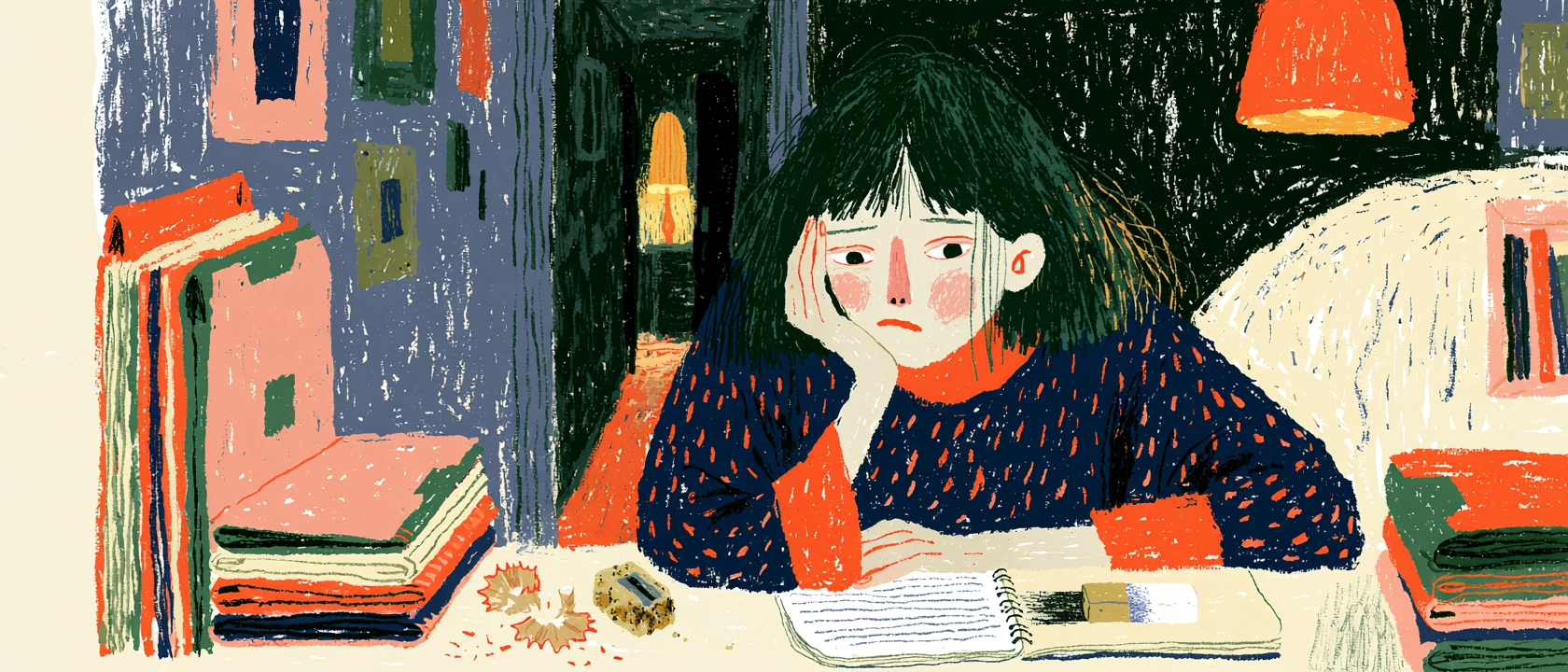
Your child went through something hard. Now they won't talk to you, their teacher, or anyone else.
They just play. Or they stopped playing. Or the play turned dark and repetitive in a way that makes your stomach drop.
Here's what most parents don't know: that silence is the whole point. Children process trauma by playing through it. Play therapy is built to meet them there.
Play therapy is one of the most evidence-supported treatments we have for childhood trauma. At Layers Counseling Specialists in Plano, Texas, it's a cornerstone of how our clinicians work with children and teens who've experienced loss, abuse, medical trauma, family disruption, or other overwhelming events.
This post explains what play therapy actually is, why it reaches children that talk therapy can't, and what you can expect if you're considering it for your child.
Play therapy is a form of child psychotherapy that uses play (toys, sand trays, puppets, art, miniature figures, role-play) as the primary medium for expression and healing. The therapist creates a safe environment and follows the child's lead, observing what themes emerge, what stories get told, what the child returns to again and again.
The structure matters, the relationship matters, and what happens in that room is clinical work, even when it looks like a child just moving trucks around.
According to the Association for Play Therapy, play therapy is recognized as an evidence-based intervention for children experiencing trauma, anxiety, disruptive behaviors, and adverse childhood experiences. A 2024 review in the Journal of Indian Association for Child and Adolescent Mental Health examines how play functions therapeutically and what distinguishes clinical play therapy from ordinary play.
Most children who've experienced trauma don't need to be asked what happened. They need a place where it's safe enough to show you, on their own terms, in their own language.
When something overwhelming happens to a child, it doesn't get stored as a memory the way an ordinary experience does. Trauma gets lodged in the body, in sensation, in reflex. The part of the brain responsible for language and narrative goes offline during a traumatic experience. The words genuinely aren't there.
That's why sitting a seven-year-old down and asking them to explain how they feel about their parents' divorce, or the car accident, or what happened at the sleepover, often goes nowhere. Their brain is protecting them.
Play bypasses that. When a child picks up a family of dollhouse figures and starts enacting a scene, or buries something in a sand tray and then rescues it, or draws the same dark image five sessions in a row, something is moving. The nervous system is working something out. The therapist's job is to witness it, to reflect it back, and to help the child find mastery over what once felt completely out of control.
The National Child Traumatic Stress Network emphasizes that trauma recovery for children requires safety, connection, and developmentally appropriate approaches. Play therapy delivers all three.
This is where play therapy sometimes gets undersold. Parents hear "play" and assume it's soft or supplementary.
The Association for Play Therapy classifies play therapy as an evidence-based intervention, used across a wide range of childhood difficulties: trauma, anxiety, behavioral problems, and adverse childhood experiences. The support is strongest for structured approaches delivered by clinicians with specific training in them.
TF-CBT, Trauma-Focused Cognitive Behavioral Therapy, is one of the best-studied trauma treatments for children in existence. It integrates play elements naturally, and it's part of our clinicians' training. For children with clearly defined trauma histories, TF-CBT provides a structured path through trauma processing.
Early intervention matters too. Trauma that gets addressed in childhood is far less likely to become the anxiety, the relationship patterns, the depression that shows up in the teenager or adult years.
Trauma doesn't always announce itself as trauma. Sometimes it looks like:
Any one of these can be temporary. But if you're seeing a cluster, or if symptoms have persisted for more than a few weeks, that's the nervous system asking for more support than home and school can provide.
If you're still wondering whether what you're seeing qualifies as trauma, this post on warning signs your child may need play therapy walks through the specifics in more detail.
The first few sessions are usually about one thing: safety. Your child is meeting a new adult, in a new room, and their nervous system is already on guard. A skilled therapist doesn't rush this. They let the child lead, follow their cues, and work to establish the kind of consistent, attuned relationship that becomes the actual vehicle for healing.
Once that relationship is established, and this can take a few sessions or several, the real work begins. The child might gravitate toward the sand tray, building and rebuilding scenes that parallel something they can't say directly. They might use puppets to enact something that happened, but with a different ending. They might draw the same image week after week until one day the image changes.
The therapist is actively tracking. They follow themes, reflect the child's experience back in language the child can hold, and gently increase the child's sense of mastery and control. Trauma takes control away. Play, in the hands of a skilled therapist, gives it back.
Sessions run 45–50 minutes, typically weekly. How long treatment lasts varies with the severity and duration of the trauma, the child's age and temperament, and how much stability exists at home. Your therapist will talk through expected timelines with you and revisit them as the work progresses.
Our playroom at Layers is stocked with the materials that give children maximum room to externalize what's inside: dolls, puppets, miniature figures, art supplies, sand trays, sensory toys, and more. Nothing is too strange. The child's play is always the starting point.
For a more detailed look at what sessions look like week to week, this step-by-step guide to what happens in play therapy breaks it down for parents.
You don't stay in the room. That's usually a relief, and sometimes a source of anxiety, depending on the child.
The separation is intentional. Children often show a therapist things they need to protect their parents from seeing. Your child is both protecting you and finding their own voice, and that's a good sign.
But you're not irrelevant. Far from it. The healing that happens in the therapy room has to be supported by what happens at home. Your child's therapist works with parents throughout treatment, helping you understand what themes are emerging, what your child may need more of at home (routine, co-regulation, reduced demands), and how to respond when symptoms flare, all without breaching the child's trust.
The American Psychological Association notes that parent involvement in child therapy consistently improves outcomes, especially for trauma. You don't have to be in the session to be part of the work.
This is the part most parents already sense but don't want to say out loud.
Unresolved childhood trauma usually goes underground. The child who witnessed domestic violence and never got support becomes the teenager with explosive anger and no understanding of why. The kid who experienced a medical trauma and never processed it becomes the adult who avoids doctors until crises force the issue. The child whose sense of safety was shattered early on becomes the adult who struggles to trust: partners, employers, themselves.
None of this is inevitable. The nervous system is genuinely plastic, especially in childhood. Kids who get good trauma support recover. They move through it. That's what the research consistently shows, and it's what therapists see in their offices over and over again.
But the window isn't unlimited. The earlier we address it, the less time the trauma has to harden into patterns that are much harder to shift in adolescence and adulthood.
For more on how childhood trauma shapes development when it goes unaddressed, this post on why time doesn't heal childhood trauma goes deeper on the neuroscience and what that means for your child.
Play therapy is most directly indicated for children ages 3–12, but the principles extend beyond that range. Teenagers often benefit from modified approaches that blend play elements with more verbal processing. If your child is old enough to play, which is essentially always, there's a version of this work that can reach them. At Layers, our clinicians work with children and teens across a range of ages and developmental stages.
No. That's one of the most important things to understand about play therapy. The child never has to name or describe what happened if they're not ready. The healing happens through play, through the therapeutic relationship, and through the child's nervous system doing what it knows how to do when it feels safe enough. Direct disclosure may come eventually, or it may not. Either way, healing can happen.
That's information. A child who sits in the corner and does nothing for the first several sessions is communicating something. An experienced play therapist works with resistance rather than pushing past it. The "nothing" phase often precedes a breakthrough, once the child is convinced the space is genuinely safe.
Change in trauma treatment rarely looks like steady, linear improvement. Parents often see things get slightly harder before they get better, because the child starts processing material that's been held down and it surfaces. Then the change starts. Look for fewer nightmares over time, more flexibility and emotional range, improved regulation (meltdowns getting shorter or less intense), and a child who seems more present, more themselves. Your child's therapist reviews progress with parents throughout treatment so you're never guessing.
Yes. The research supports play therapy across a range of adverse experiences: abuse and neglect, medical trauma, accidents, domestic violence exposure, grief and loss, natural disasters, and community violence. The specific techniques a therapist uses may shift based on the trauma type and the child's age, but the foundational approach of safety, relationship, non-verbal processing, and mastery applies across the board.
If your child has been through something hard and you're watching them struggle, or watching them hold it together in a way that feels fragile, you don't have to wait until things break down to get support.
You can reach out to ask questions. You can schedule a consultation to talk through what you're seeing before committing to anything. You don't need a diagnosis or a referral or a clear picture of exactly what happened. What you need is a concern.
Layers Counseling Specialists is based in Plano, Texas, serving families across the DFW area, including families in McKinney. Our trauma therapy for children and families is grounded in evidence-based approaches, delivered by therapists with specific training in childhood trauma.
Schedule a consultation and let's figure out together whether play therapy is the right next step for your child.
Karla Pineda, LPC, is the Executive Director of Layers Counseling Specialists in Plano, Texas. She specializes in obsessive-compulsive disorder (OCD) and anxiety, with additional training in Accelerated Resolution Therapy (ART) for trauma. Layers' child and teen clinicians are trained in Trauma-Focused Cognitive Behavioral Therapy, Child-Centered Play Therapy, and dialectical behavior therapy (DBT).
This article is for educational purposes and is not a substitute for professional mental health care. If you or someone you know is in crisis, call or text 988 (Suicide & Crisis Lifeline) or text HOME to 741741.
Our Plano therapists specialize in OCD, anxiety, ADHD, autism, ARFID and trauma, in person or online anywhere in Texas. Every clinician starts with a free 15-minute consultation, so you can see whether it feels like a fit before you commit.
trauma
Play Therapy
play-therapy-for-children