By Karla Pineda, LPC · Last reviewed: August 2026
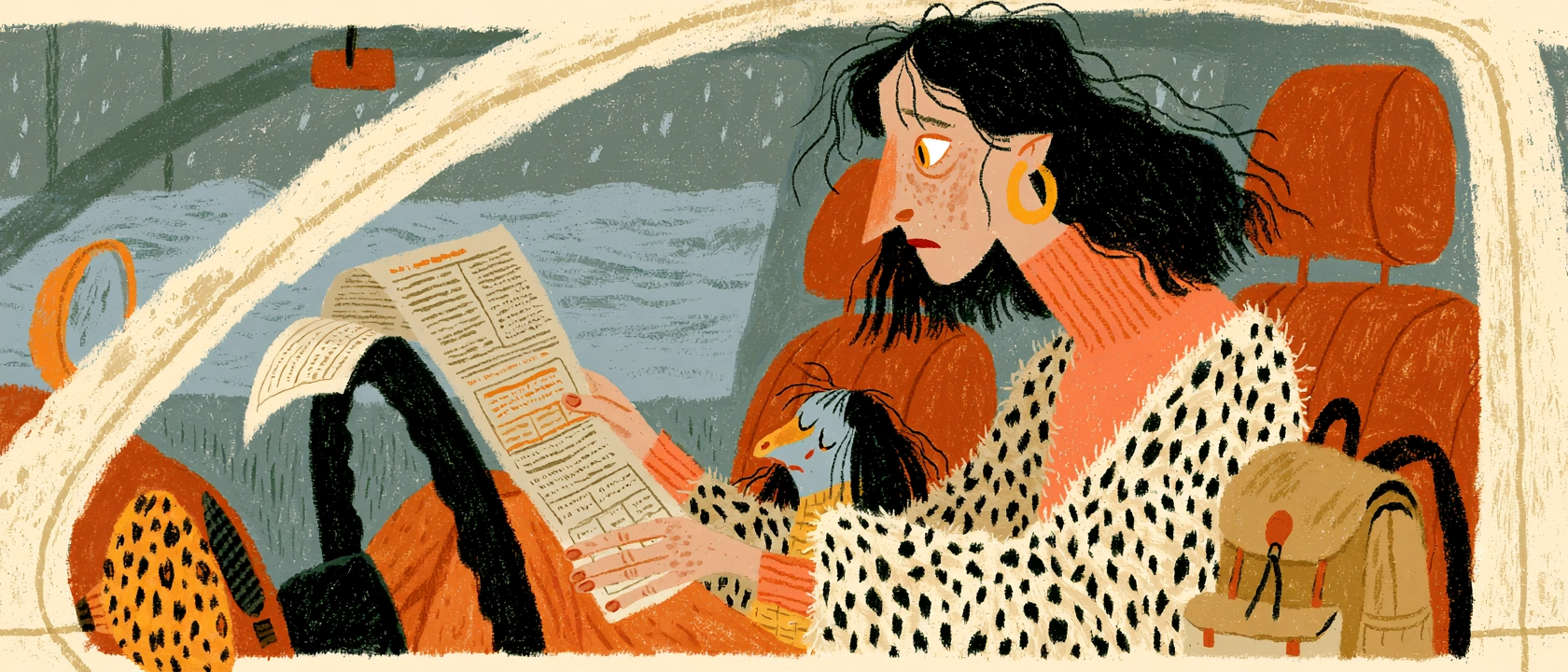
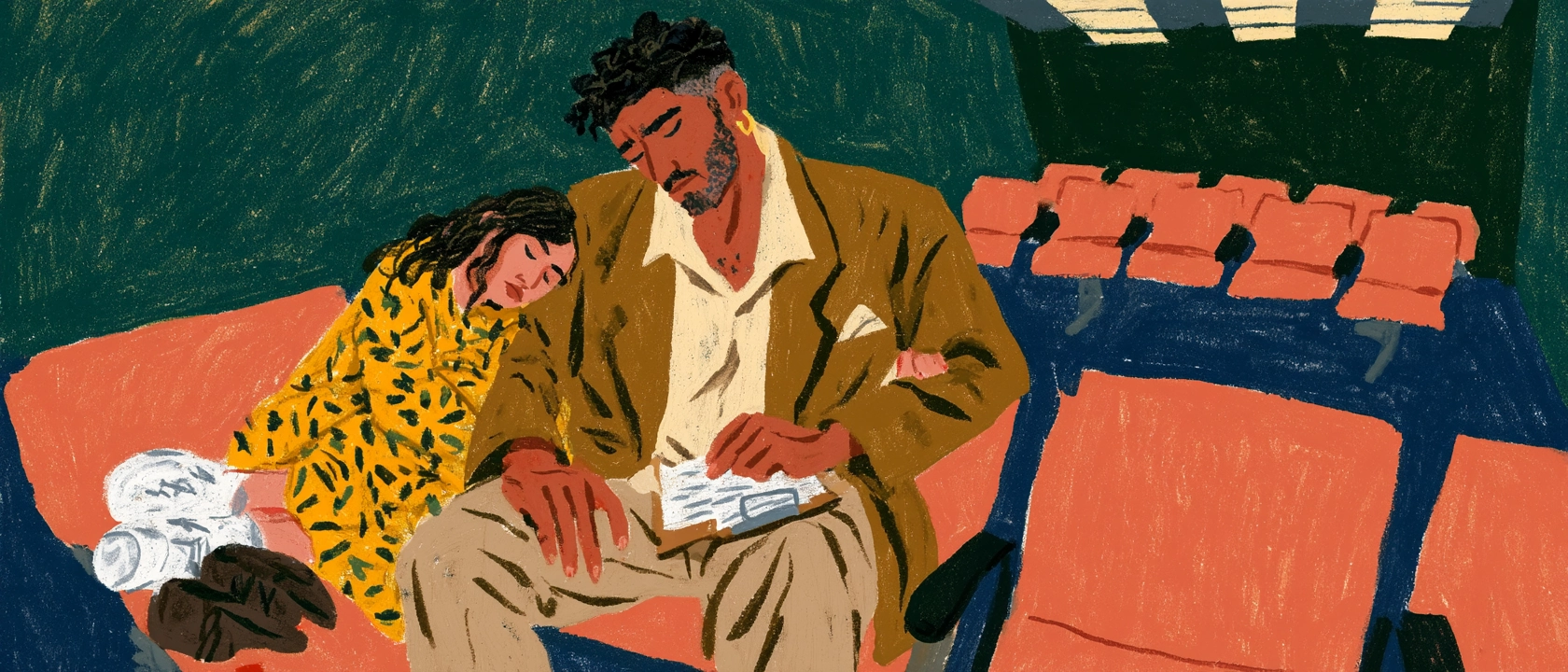
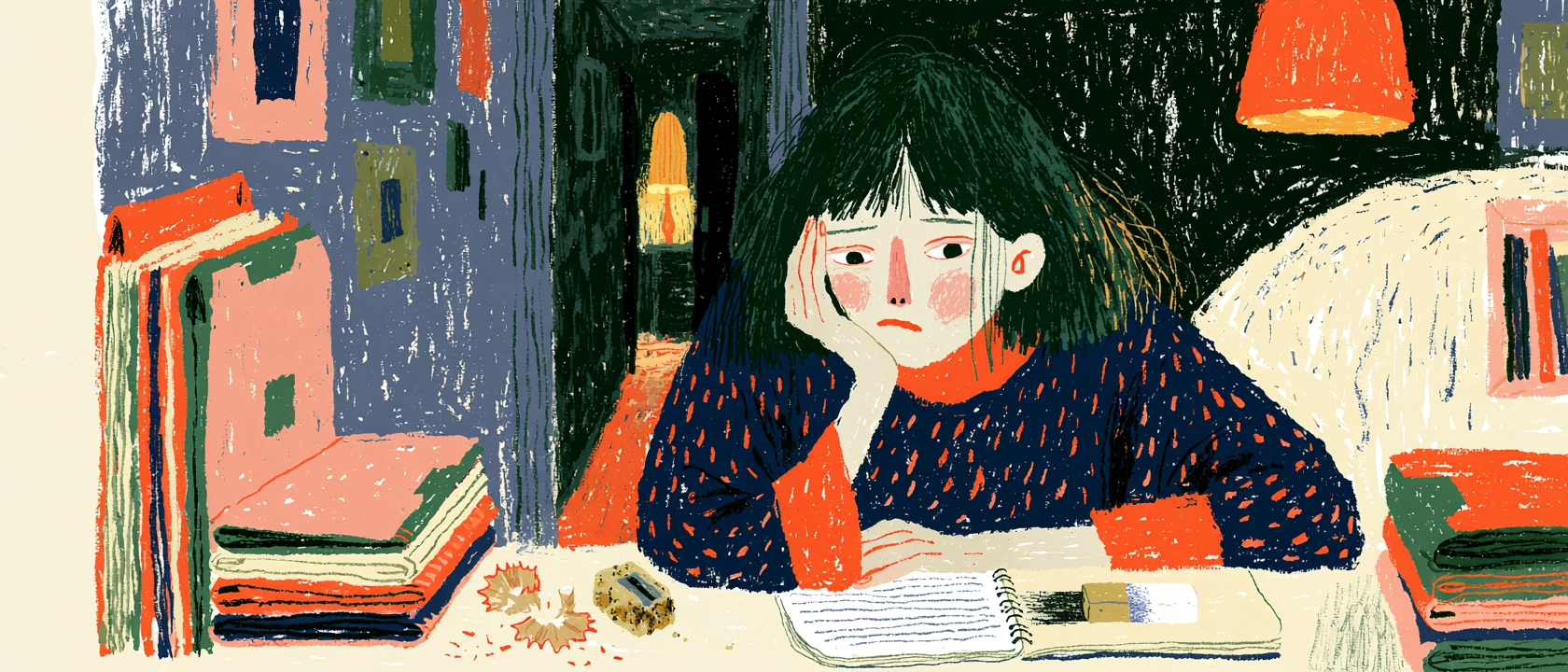
Forty minutes in, the magazine is losing. She's read the same page four times.
Through the door of the playroom: laughter. Actual laughing, from the kid who hasn't laughed much this month. She should feel relieved, and part of her does. The other part is doing math on what this costs and wondering why nobody in there seems to be talking about feelings.
If you're about to book a first appointment, or you just sat through one wondering the same thing, this walkthrough covers what to expect in child therapy. Still deciding whether it's time? Start with when a child should start therapy, then come back.
In child therapy, the first appointment is an intake, where the therapist meets mostly with parents to gather history, concerns, and goals. Sessions after that are typically play-based for kids under twelve and more conversation-based for teens, with regular parent check-ins to review progress and coordinate support at home.
The first session runs on questions, and you can't fail it. Most child therapists spend the intake mostly or entirely with parents, especially for younger children. That structure exists for your benefit: you can speak honestly about family history, marriage stress, a diagnosis you're worried about, or the thing that happened last spring, without small ears in the room.
Expect questions like what prompted the call, when the struggles started, what teachers are noticing, and how sleep and appetite look. Expect happier questions too. What does she love? Which shows, which games, which stuffed animal has tenure? Those answers become working material, because connection gets built out of Pokémon and soccer long before it gets built out of feelings vocabulary.
Two practical notes. Most practices send paperwork ahead; doing it at home keeps the session for talking. And the Child Mind Institute's guidance holds up in our experience: kids feel far less anxious when they know what's coming, so a simple script works wonders. "We're going to meet someone whose whole job is helping kids with big feelings. She has a room full of games. No shots, promise."
Play is a child's first language. Long before a child can say "I've been scared since the divorce," she can build it in a sand tray, draw it, or act it out with two dinosaurs and a doll. A trained child therapist is fluent in that language, and a play therapy session is a structured clinical conversation conducted in it.
What that looks like depends on age. Kids under about twelve mostly work through play, art, and games. Teens shift toward talking, though plenty of good teen sessions still happen over a card game, because eye contact is easier to skip when your hands are busy.
The car-ride debrief goes like this. You ask how it went. "Good." What did you do? "We played Uno." And a small, sinking voice in your head asks whether you're paying a professional to run a game night.
You're allowed to ask the question. Here's the honest answer.
Play is your child's first language, and the therapist is doing clinical work in that language.
The games weren't random. The therapist chose them, watched how your child handled losing, noticed which figures got buried in the sand and which got rescued, and tracked the theme that showed up three sessions in a row. Karla often tells parents at the first check-in that the session they were worried about was the one where the real work started.
The other question parents rarely say out loud is whether the therapist is judging their parenting. What we see most often in our practice is the opposite dynamic: the therapist is recruiting you. You're the expert on your child; the therapist brings the clinical training; check-ins are where those two kinds of expertise trade notes. Expect to leave those meetings with homework of your own.
On privacy, your child's therapist will explain what stays between them and your child and what gets shared with you. The boundaries depend on age and situation, safety concerns are always shared, and a good therapist walks you through all of it before you ever need to ask.
Kids don't confide on command, and the window doesn't stay equally open. Struggles that go unaddressed tend to consolidate: the anxious second grader becomes the fifth grader who has organized her life around avoiding what scares her, and by then the pattern has years of practice behind it.
Waiting also teaches its own lesson. A child who struggles for a long time without help often concludes the problem is who she is rather than something she's carrying. Earlier support usually means a shorter course, and it means the story she tells about herself gets corrected while it's still in pencil.
At our Plano practice, the rhythm looks like the one described above: an intake focused on parents, then sessions in whatever language fits your child's age, with parent check-ins on a regular cadence so you always know what's happening and what to practice at home. Play therapy for children anchors our work with younger kids, and the team spans ages from early childhood through the teen years.
Karla Pineda leads the practice, and every clinician on the team treats parents as partners in the work. If your child's struggles turn out to touch a specialty area, whether anxiety, obsessive-compulsive disorder (OCD), trauma, or something else, the evaluation conversation covers that too.
For younger children, yes, at least at first. Knowing you're right outside makes the new room feel safer. As comfort grows, the therapist will tell you what your child needs. Teens usually prefer a drop-off, and that independence is generally worth honoring.
Keep it simple, honest, and matched to their age. For little kids: a helper with a room full of toys who talks with kids about big feelings. For older kids, connect it to something familiar, like the school counselor. Give a day's notice rather than a week of buildup, and skip any framing that sounds like punishment.
Trust comes first, then change, and change usually shows up at home before your child ever talks about it. Expect a settling-in period measured in weeks, and ask the therapist at the intake how progress will be measured and reviewed with you, because a good answer to that question is one of the best signs you've picked the right person.
You'll get themes, progress, and guidance rather than transcripts. That privacy is part of why therapy works, since kids need a space where they can say the unsayable. Anything touching safety is always brought to you, and the therapist will spell out those boundaries clearly at the start.
Layers Counseling Specialists is based in Plano, Texas, and works with children, teens, and parents across the DFW area. Knowing what to expect in child therapy shouldn't require a leap of faith. Request an appointment here, and the first conversation will map the rest.
Back in the waiting room, three weeks later, the magazine finally gets read. The laughing through the door means what she hoped it meant: her daughter is talking. Just in her first language.
This article is for educational purposes and is not a substitute for professional medical advice. If you or someone you know is in crisis, call or text 988 (Suicide & Crisis Lifeline) or text HOME to 741741.
Our Plano therapists specialize in OCD, anxiety, ADHD, autism, ARFID and trauma, in person or online anywhere in Texas. Every clinician starts with a free 15-minute consultation, so you can see whether it feels like a fit before you commit.
child-therapy
Play Therapy
play-therapy-for-children