By Karla Pineda, LPC · Last reviewed: July 2026
The adoption was finalized fourteen months ago. Tonight the meltdown started over the wrong color cup.
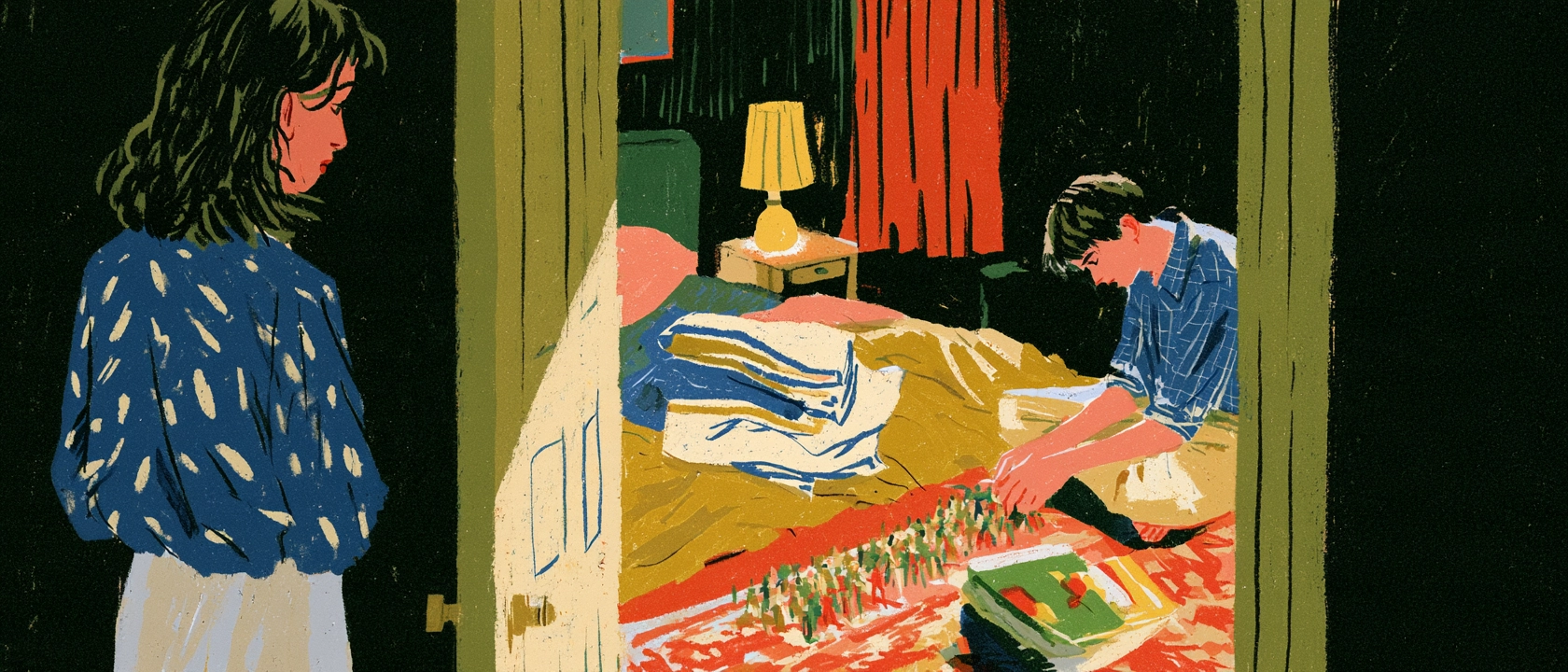
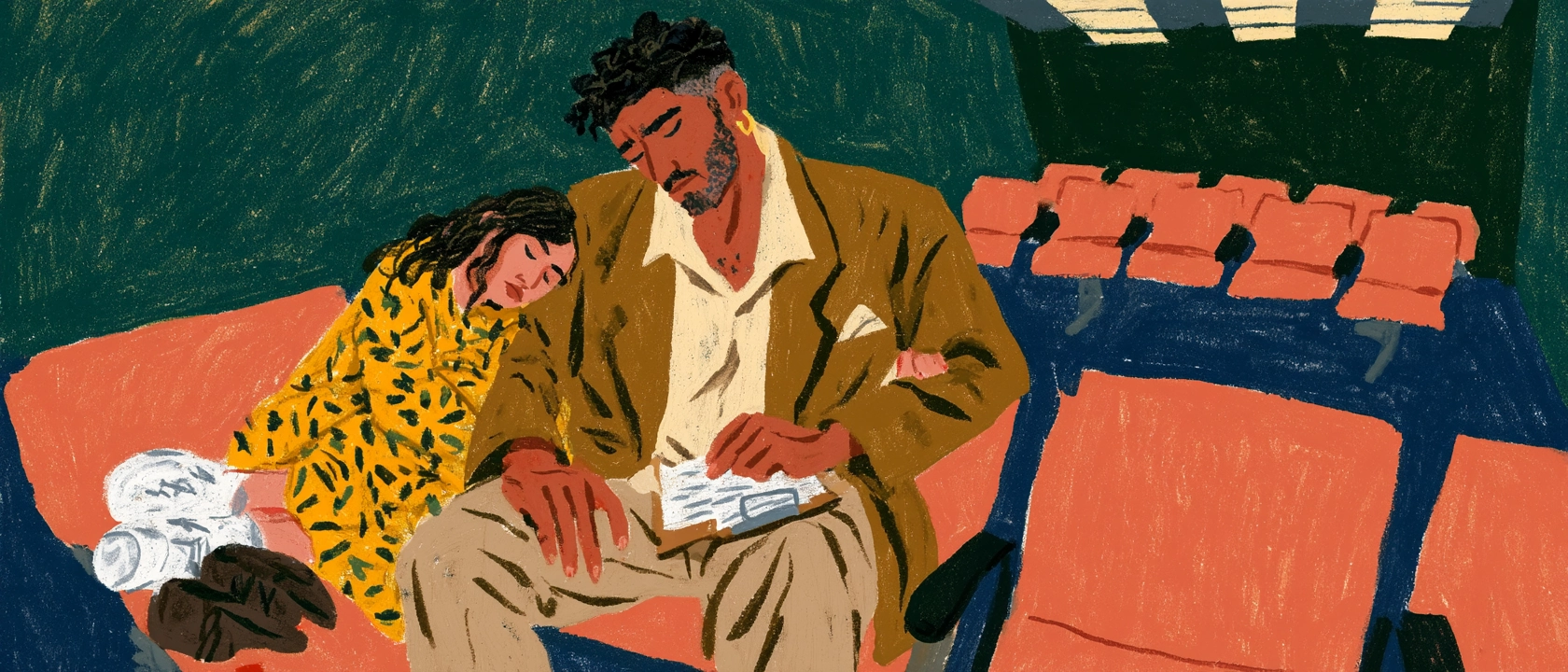
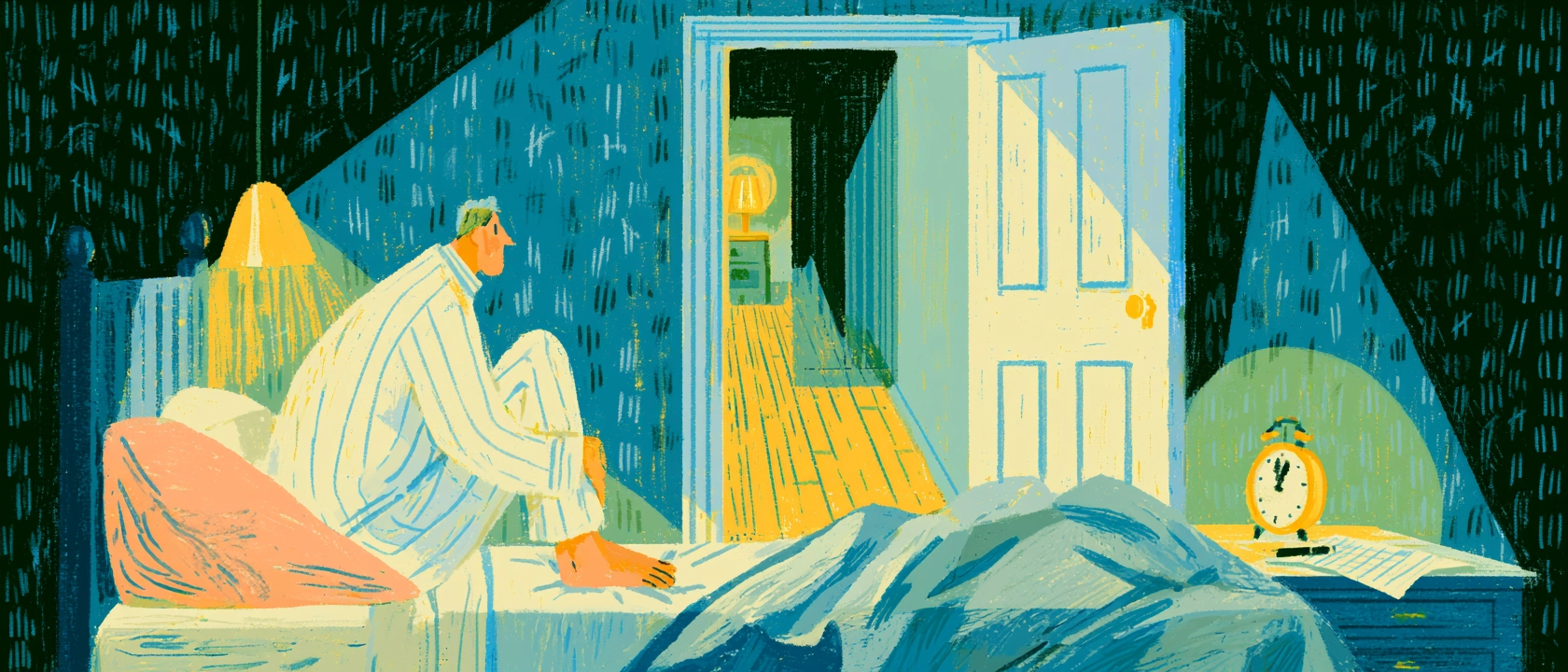
Forty minutes of screaming later, his daughter is finally in bed. As he reaches for the light, she grabs his sleeve and asks him not to leave the room. He stays, confused by the whiplash, wondering what he keeps getting wrong.
He isn't getting it wrong. His daughter's nervous system is running an old map, one drawn in a place where adults were unpredictable, and the map hasn't caught up to the new address.
Attachment trauma in adopted children develops when early caregiving relationships are disrupted through separation, neglect, inconsistent care, or multiple placements. The child's nervous system adapts to survive that environment, and those adaptations persist after adoption, shaping how the child trusts, connects, and responds to stress in their new family.
Every adoption begins with a separation. That's the part of the story that tends to get skipped.
Before or after that separation, many adopted children also experience:
The National Child Traumatic Stress Network calls this complex trauma. Early, repeated disruptions in caregiving shape a child's developing stress-response system. A baby adopted at three days old has no story-memory of any of it. The body keeps its own records, which is why infant adoption doesn't rule attachment trauma out.
Attachment trauma rarely looks like sadness. More often it looks like behavior that seems designed to push you away, which is exactly what the old map trained it to do.
Watch for:
That last pattern deserves its own section, because it's the one that sends most adoptive parents searching at midnight.
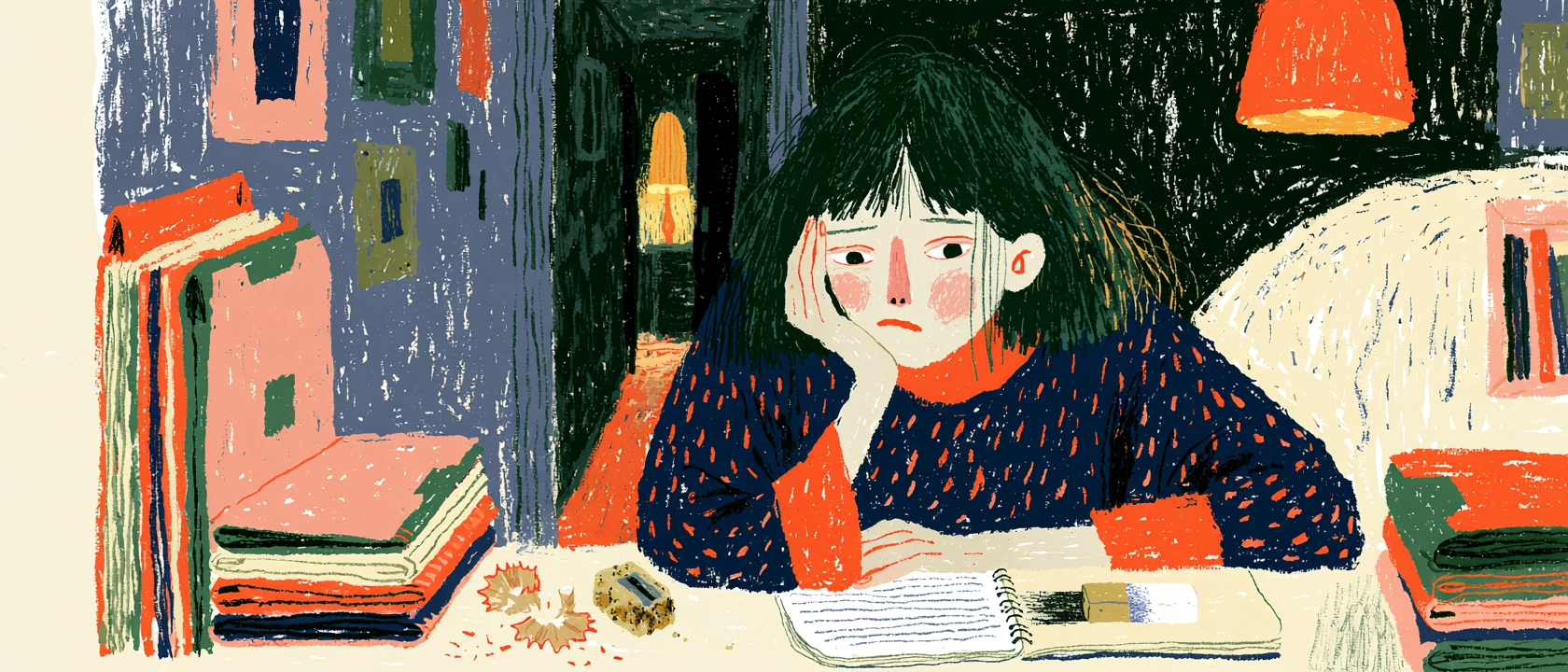
You've done the sticker charts. The consequences. The calm, consistent routines every parenting book promised would help. And your child still comes apart over nothing, or tests you hardest on the gentlest days.
Trauma lives in the nervous system before it shows up in behavior. When a child's body reads the world as unsafe, the thinking brain that responds to logic and consequences is mostly offline. You're negotiating with a smoke-filled room. Kids in this state need, in order:
This is the same principle behind the window of tolerance: a dysregulated child can't use skills they can't access. Structure still matters. It just can't be the first move.
Many adoptive parents notice something that feels backwards. The first months went okay. Then, once the child settled in, the behavior got worse.
In our work with adoptive families, we often reframe that moment. A child who never felt safe doesn't show you their hardest material. They perform, they comply, they watch the exits. The meltdowns that arrive at month eight often mean the watching phase is ending.
The meltdown six months in is often a sign the attachment is working: your child finally feels safe enough to fall apart in front of you.
The old map said falling apart around adults was dangerous. Testing whether you're dangerous when they're at their worst is how the map gets checked against reality. Exhausting for you. Necessary for them.
Unprocessed attachment trauma doesn't fade with time, a pattern we've written about in why time doesn't heal childhood trauma. Without support, the survival map hardens into a working model for all relationships.
That can mean friendships that keep collapsing, escalating school struggles, a teen who reads neutral faces as hostile, and an adult who leaves before they can be left. It can also mean years of a parent and child loving each other across a gap neither can name. Early support narrows that gap while the map is still being drawn.
Children rarely have words for what happened before they had words. They do have play. The American Academy of Pediatrics recommends trauma-informed, relationship-based care for kids with early adversity. That's the frame we use.
At Layers, Isaac Rosas, LMSW, works with children and teens affected by attachment trauma, post-traumatic stress disorder (PTSD), and complex trauma. That includes adopted children. He uses trauma-informed, evidence-based approaches, in English or Spanish. Parents are part of the work too. Therapy helps you decode trauma-driven behavior, respond to the need under it, and build security through ordinary moments. Bedtime. Car rides. The cup negotiation.
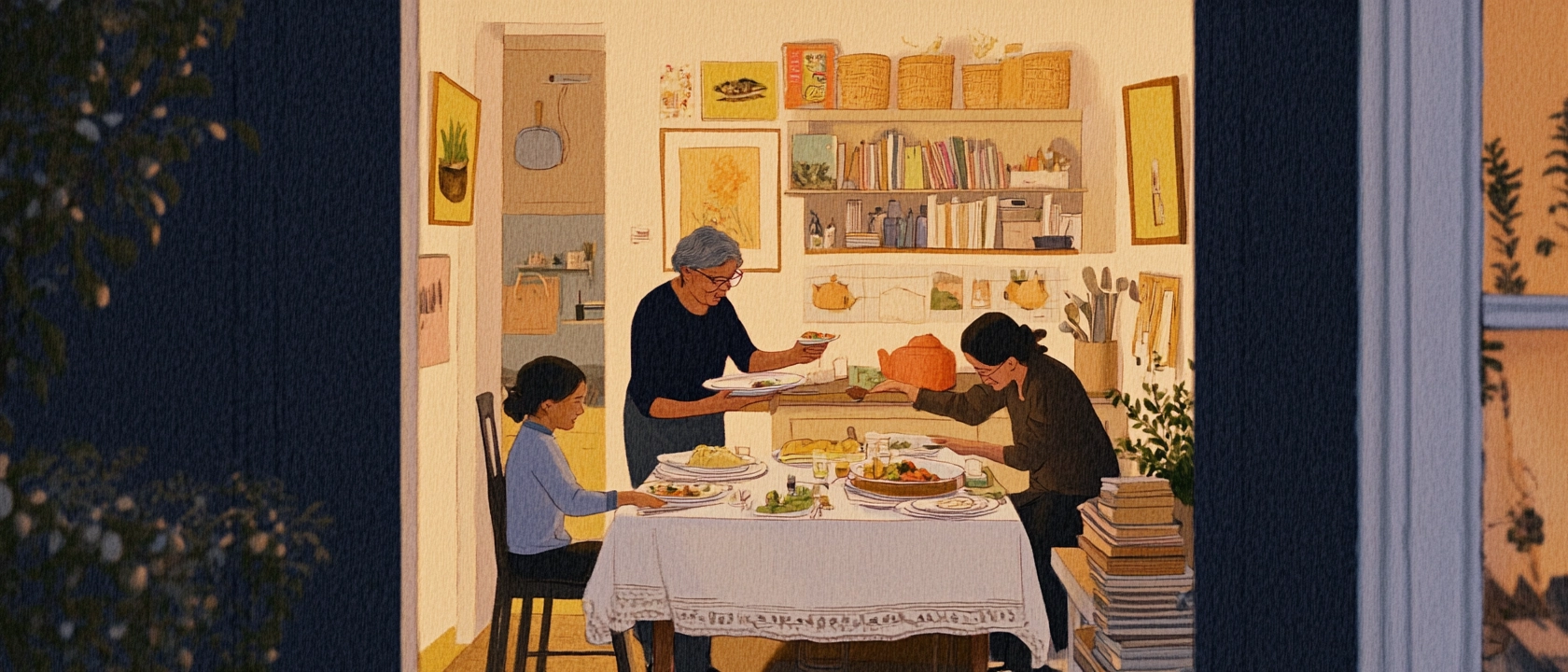
The goal was never a compliant child. The goal is a child whose body has learned that this house, these people, are safe to fall apart with and safe to come back to.
No. Many adopted children thrive without trauma symptoms, and adoption itself heals and protects in millions of families. Risk goes up with early neglect, multiple placements, and institutional care. Watch your actual child instead of assuming trauma or ruling it out.
Yes. Separation from a birth mother, prenatal stress, and early caregiving gaps all register in a developing nervous system. This happens before story-memory exists. Infant adoption lowers the risk but can't erase it, which surprises parents who were told "she won't remember any of it."
Attachment-focused, trauma-informed approaches with parents heavily involved. That means play therapy for younger children, trauma-focused cognitive behavioral therapy (TF-CBT) for school-age kids and teens, and parent coaching throughout. Talk-only therapy that requires adult-level insight usually falls short with these kids.
Focus on predictability and repair. Keep routines visible and narrate transitions before they happen. After conflict, reconnect on purpose, so your child learns that a rupture is survivable. Connection before correction, every day it's possible.
Consider support if your adopted child:
If you or someone you love is in crisis:
At Layers Counseling Specialists in Plano, Texas, we provide attachment-focused trauma therapy for children and teens across the DFW area, including families in McKinney. If this article read like your house, reach out today.
The dad at the bedroom door, by the way, was doing the most therapeutic thing available that night. He stayed. Every stay is a new line on the new map.
This article is for educational purposes and is not a substitute for professional medical advice. If you or someone you know is in crisis, call or text 988 (Suicide & Crisis Lifeline) or text HOME to 741741.
Our Plano therapists specialize in OCD, anxiety, ADHD, autism, ARFID and trauma, in person or online anywhere in Texas. Every clinician starts with a free 15-minute consultation, so you can see whether it feels like a fit before you commit.
child-therapy
Child & Teen Trauma
child-trauma-therapy