

Specialties · Plano office and Texas telehealth
For children, teens, and adults caught in intrusive thoughts and compulsions, from therapists who work with OCD every week.
In person or online
Plano office, Texas telehealth
Evidence-based
research-backed approaches

At a glance
Obsessive-compulsive disorder (OCD) is a cycle of unwanted thoughts, images or urges that bring anxiety or doubt, followed by compulsions done to make that feeling go away. Compulsions can be visible, like washing or checking, or mental, like reviewing and reassuring yourself. OCD affects children, teens and adults, and it responds well to specialized therapy such as exposure and response prevention (ERP).
Everyday worry
OCD
About real-life concerns, like bills, health or a test
Intrusive and often out of character, like fear of harming someone you love
Unpleasant, but they make sense to you
Distressing and sticky, often with a sense that something is wrong
Problem-solve, or let it go
Check, wash, ask, review or repeat until it feels right
Lasts once the issue is handled
Brief, and the urge comes back stronger
A passing part of the day
Can take an hour or more a day
Health worries are a common gray zone. Health OCD or health anxiety? explains the difference.
If OCD came on suddenly and severely in a child, talk with your pediatrician as well. Our post on PANS and PANDAS explains why.
On this page
Overview
OCD can take up hours of your day and most of your peace of mind. It might be a thought you can’t shake, a ritual that has to feel just right, or a question you keep asking even though you already know the answer. You’re not alone in this, and it can get better.
At Layers Counseling Specialists in Plano, we treat OCD in children, teens, and adults. Our therapists use exposure and response prevention (ERP), the most established therapy for OCD, and inference-based cognitive behavioral therapy (I-CBT), a newer approach with growing research, and we see clients in person or online anywhere in Texas.

OCD runs as a cycle. An unwanted thought, image, or urge shows up, and it brings a wave of anxiety or doubt. That’s the obsession. Then you do something to make the feeling go away, like checking, washing, asking, or mentally reviewing. That’s the compulsion. The relief is real but short, and every time the cycle runs, it gets a little stronger.
Many compulsions are invisible. Replaying a conversation, checking how you feel, asking for reassurance, or quietly cancelling out a “bad” thought with a “good” one can be just as exhausting as washing or checking. Because no one else can see them, many people live with OCD for years before anyone names it.
With the right treatment, many people with OCD see real, lasting change. The goal is for those thoughts to stop running your day.
We start by getting to know your OCD: what sets it off, what the rituals look like, and what it has cost you. Then we build a plan together.
You’ll never be pushed into an exposure you haven’t agreed to. We aim for challenging but doable, and we adjust as we go.
Who it's for

Kids often can’t explain what’s happening, only that something feels wrong. We use ERP made for their age and bring parents into the work, so you know how to help at home without feeding the OCD.
Teens often hide OCD because it feels embarrassing or scary. We give them a private, judgment-free place to understand what’s going on, and tools that fit school, friends, and a busy schedule.
Whether OCD started in childhood or showed up after a big life change, we help you take back the time and energy that rituals, reassurance, and rumination have been taking.
If your child won’t come to therapy, SPACE works entirely through you. You’ll learn to respond to OCD with warmth and confidence, and to step out of the rituals one at a time.
We start by mapping what sets OCD off, what the rituals look like and what it has cost you. Then we choose the approach that fits you.
ERP is the most studied treatment for OCD. You gradually face the thoughts and situations that trigger you without doing the compulsion, at a pace you agree to.
I-CBT works on the reasoning that makes an obsession feel believable, with no exposures. A good option if ERP hasn’t felt right for you.
ACT helps you make room for uncomfortable thoughts and put your energy back into what matters to you.
If your child won’t come to therapy, SPACE works entirely through you. You learn to respond to OCD with warmth and confidence and step out of the rituals one at a time.
You will never be surprised with an exposure. We aim for challenging but doable, and we adjust as we go. ERP also works well online, because the things that trigger OCD are often at home.
Why Layers
OCD is a big part of what our team treats every week, and we keep training in it.
We offer ERP and I-CBT, so your treatment is chosen to fit you.
Meet us at our Plano office near the Dallas North Tollway, or by secure video from anywhere in Texas. ERP often works well online, because the things that trigger OCD tend to be at home.
A 15-minute video call with the therapist. Ask about their approach, scheduling and fees. Most people start within about a week.
Fifty minutes on what OCD looks like for you: the thoughts, the rituals, including mental ones, and how much of your day they take.
Together you list situations from easier to harder. You decide where to start, and we move up only when you’re ready.
You practice in the places where OCD actually shows up, and each week we look at what happened and what comes next.
Who you'll work with
Read about each therapist’s experience and approach to care.

Karla recovered from OCD through exposure and response prevention (ERP) herself, and now helps adults stuck in what-if loops. She also offers Accelerated Resolution Therapy (ART) for trauma.
karla-pineda
https://layerscounselingspecialists.clientsecure.me/request/date?clinicianId=1388690¤tTimeZone=America%2FChicago&preselected=true
Waitlist
Book a free consult
Rachel treats OCD in kids and adults and specializes in ARFID, when eating narrows to a few safe foods. Through SPACE, she coaches parents to help an anxious child, even one not ready for therapy.
rachel-tipsword
https://layerscounselingspecialists.clientsecure.me/request/date?clinicianId=1532211¤tTimeZone=America%2FChicago&preselected=true
Accepting new clients
Book a free consult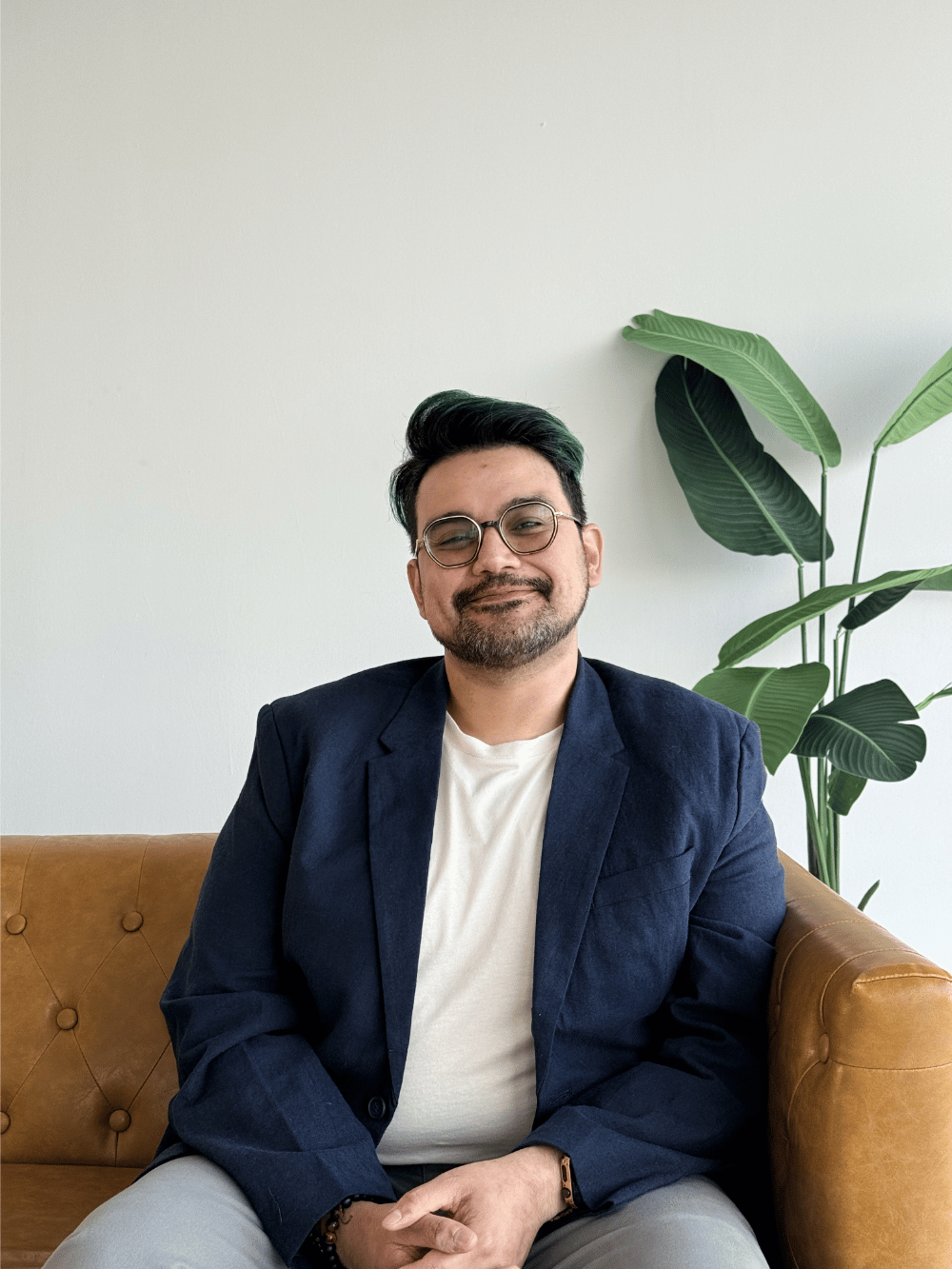
Isaac offers ERP for OCD and anxiety in English or Spanish, plus trauma-informed care, for children, teens, and adults. His warm, structured style comes from 13 years in public schools.
isaac-rosas-lmsw
https://layerscounselingspecialists.clientsecure.me/request/date?clinicianId=2008557¤tTimeZone=America%2FChicago&preselected=true
Waitlist
Book a free consult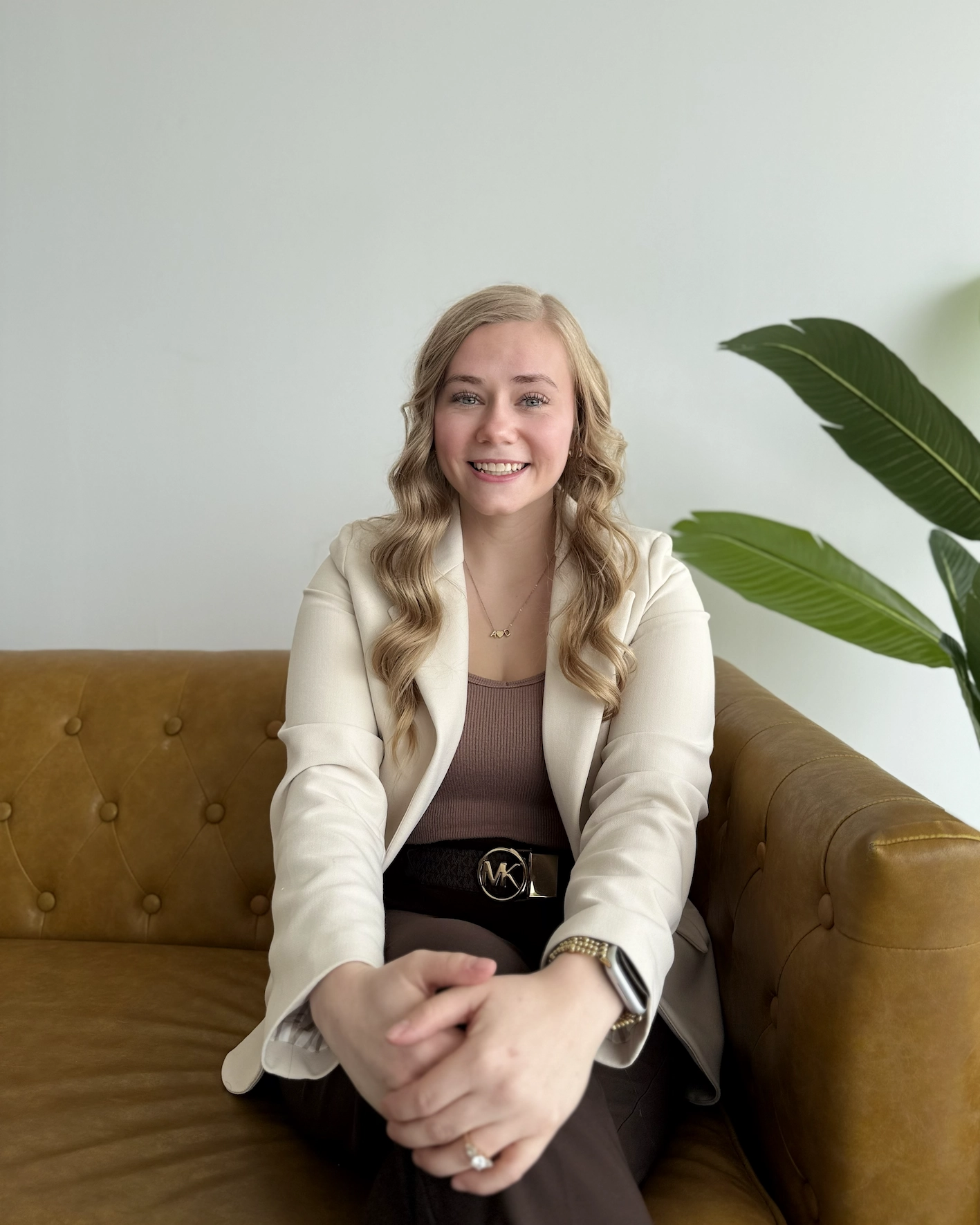
Alesha uses play therapy, AutPlay, and sandtray to help neurodivergent kids and teens handle big feelings, with sensory friendly sessions and parents as partners.
alesha-mizeur
https://layerscounselingspecialists.clientsecure.me/request/date?clinicianId=2158053¤tTimeZone=America%2FChicago&preselected=true
Accepting new clients
Book a free consultYes. Mental reviewing, analyzing and self-reassurance are compulsions too, and ERP and I-CBT both address them. Many of our clients have mostly mental OCD, sometimes called Pure O.
Yes. ERP is adapted to their age, and parents learn how to help at home without feeding the OCD. Teens get a private, judgment-free place to talk about thoughts that feel embarrassing.
Yes. With SPACE, you come to the sessions and change how you respond to OCD at home. Our post on family accommodation explains why that helps.
You set the pace, and nothing happens without your agreement. If exposure-based work still doesn’t feel right, I-CBT treats OCD with no exposures.
Yes, one of our clinicians offers ERP in Spanish. Read more about OCD therapy in Spanish.
Yes. Sessions happen at our Plano office or by secure video from anywhere in Texas. ERP often works well online, because triggers tend to be at home.
We are private pay, so nothing goes through your insurance unless you choose to submit it. We can give you a superbill for possible out-of-network reimbursement, and HSA and FSA cards work.
Next step
A free 15-minute video call with the clinician you want to work with. Ask anything about their approach, scheduling, or fees before you commit.


