By Karla Pineda, LPC · Last reviewed: July 2026
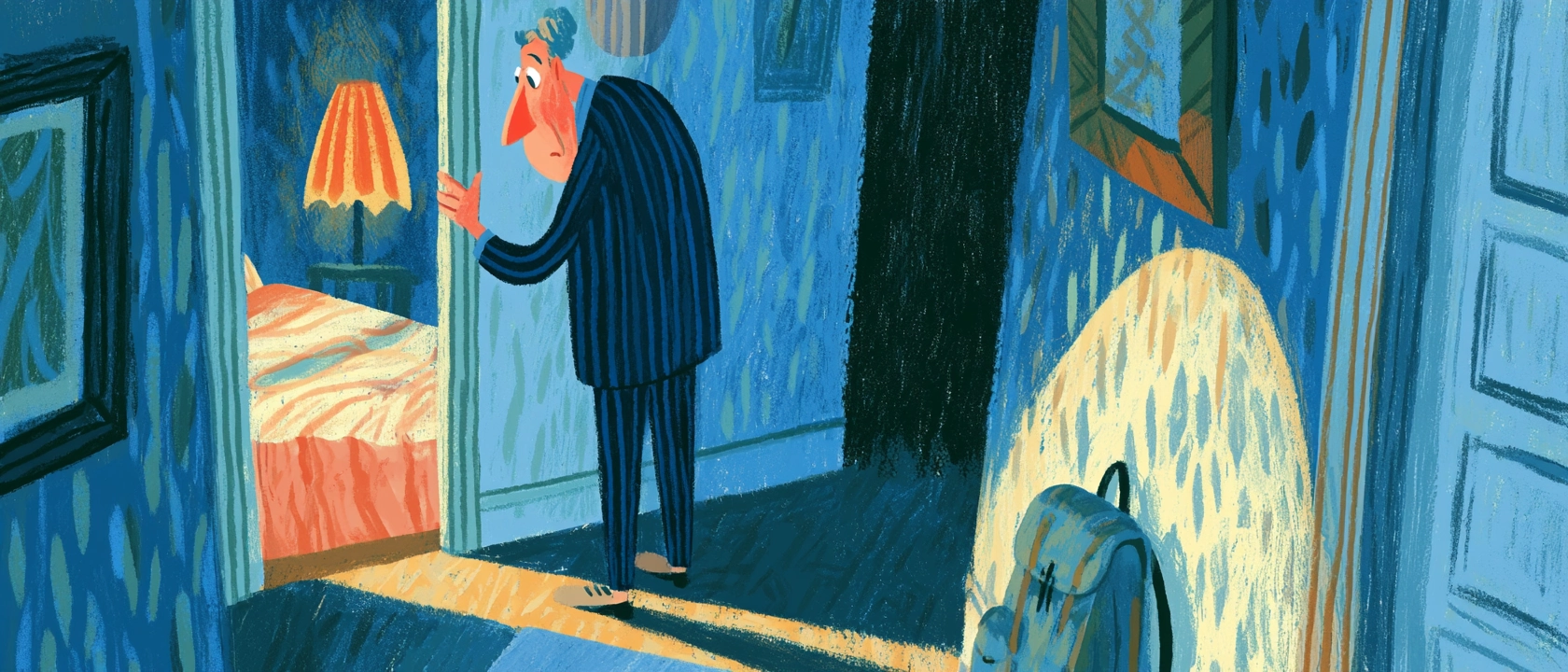
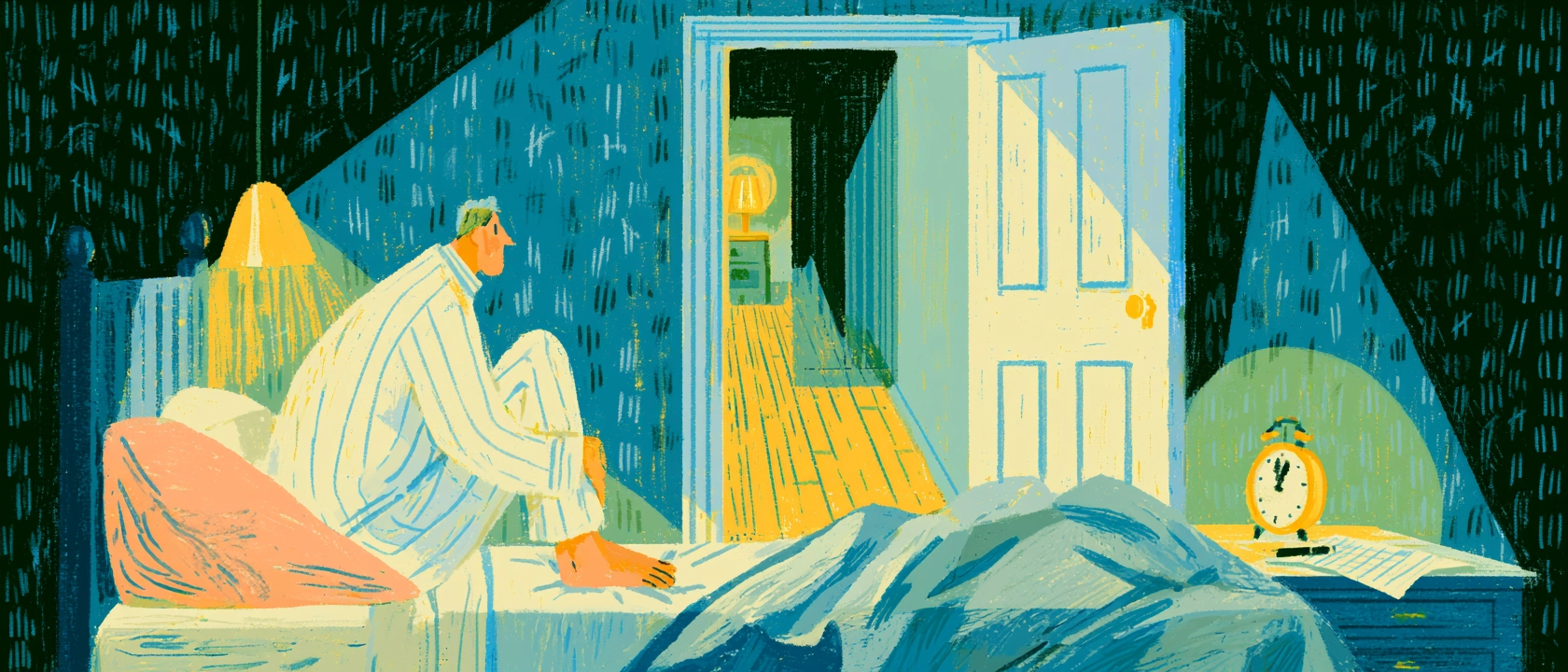
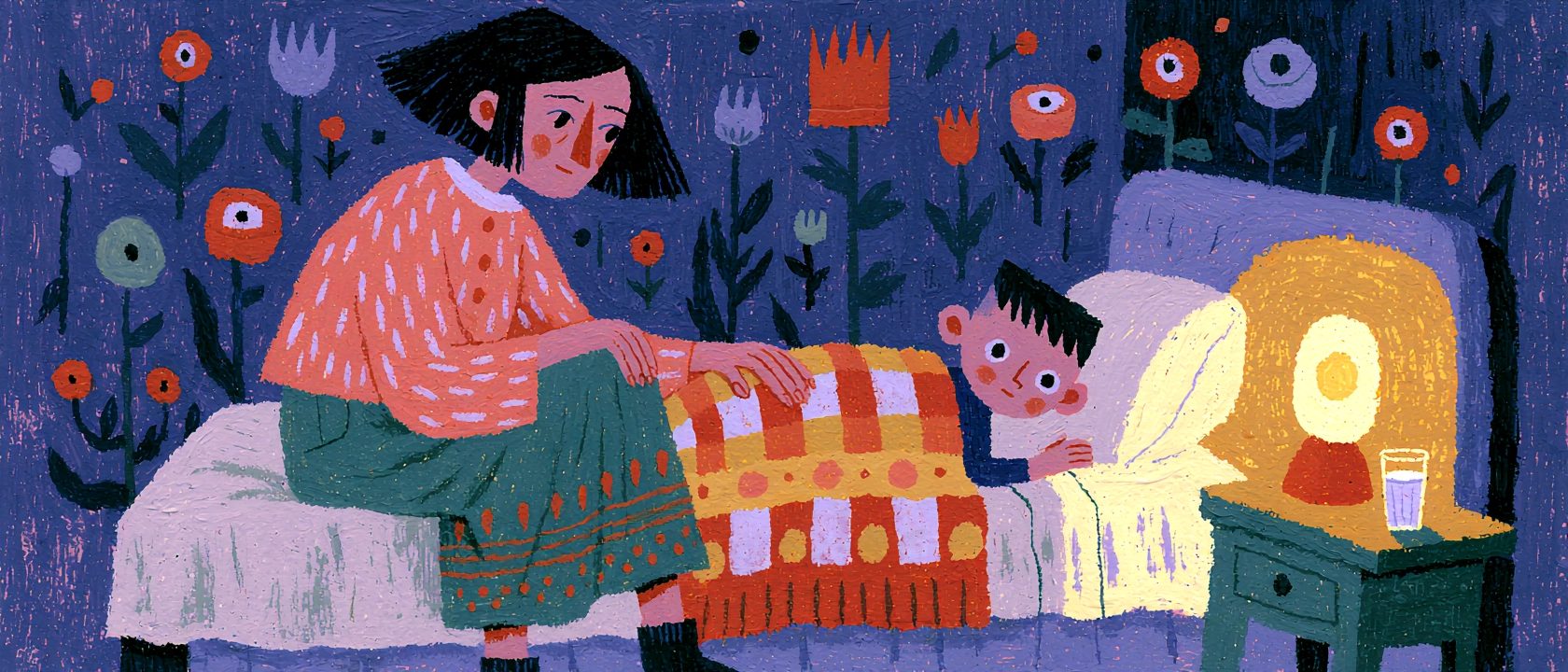
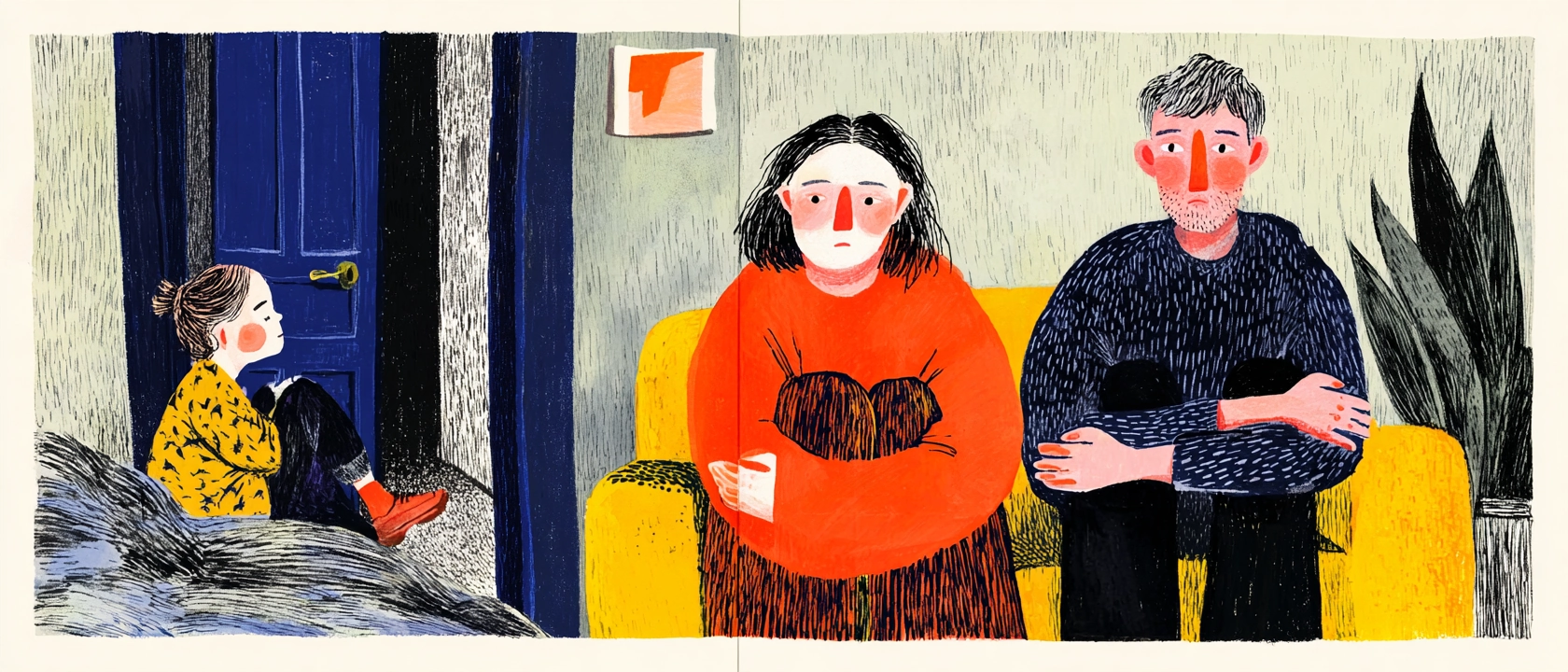
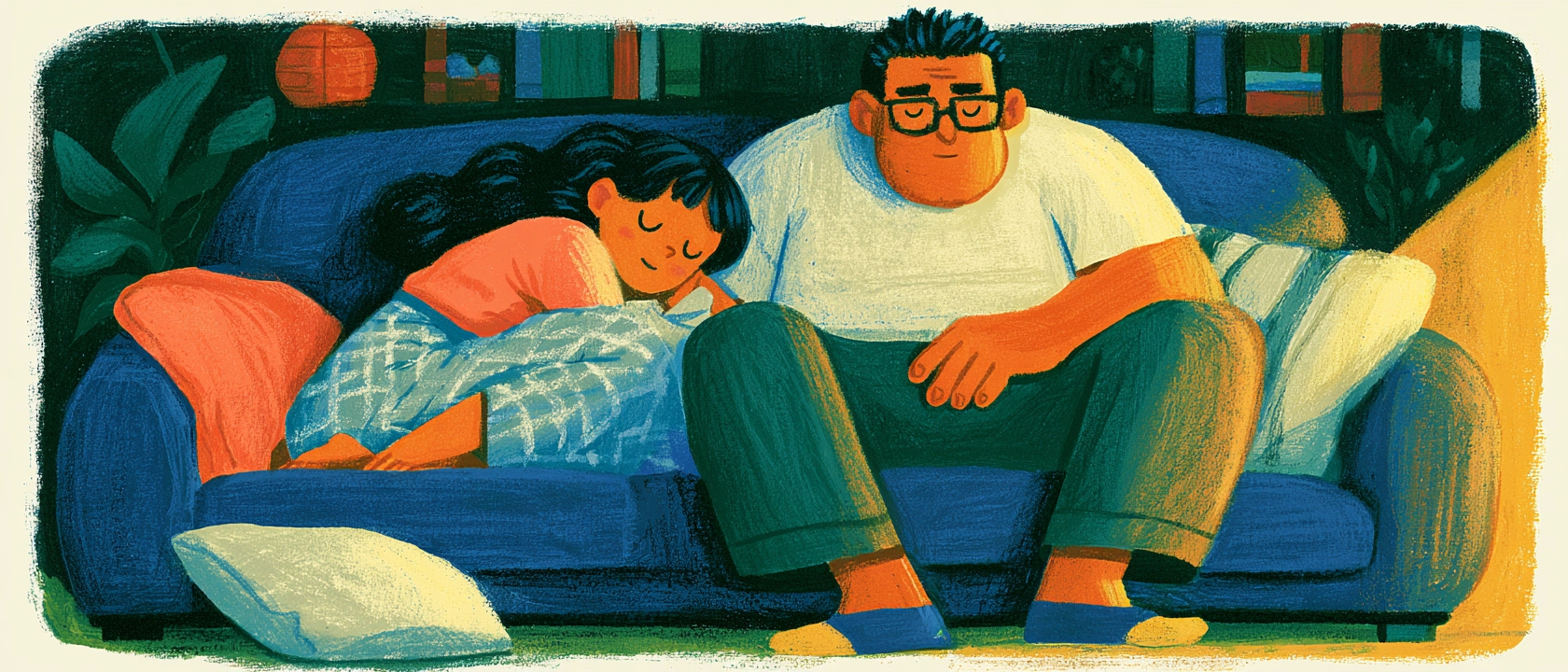
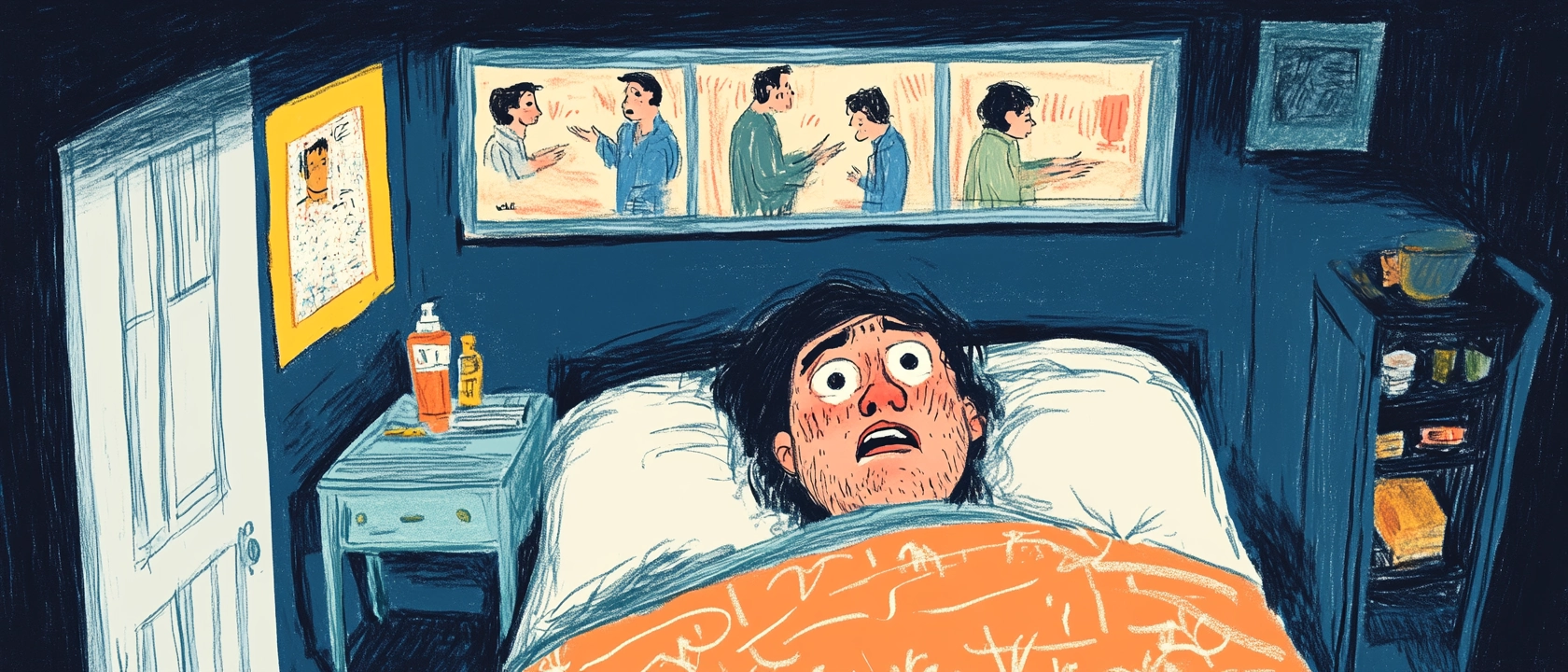
It's 9:40 on a school night, and a mother is standing in her son's doorway answering a question she has already answered three times. "Are you sure I won't get sick?" She's sure. She was sure at 9:10, at 9:22, and at 9:31.
She knows the answer won't stick. She answers anyway, because the alternative is an hour of tears, and everyone has school and work tomorrow. One more "you're fine, buddy" is the cheapest way out of the room.
That math is familiar to almost every family living with childhood OCD. It has a clinical name: family accommodation. And it earned its own name because it works tonight, then bills the family later, with interest.
Family accommodation is any change family members make to their own behavior to help a loved one with OCD avoid or ease distress: answering repeated questions, joining rituals, buying extra supplies, reshaping routines. It shows up in nearly nine out of ten families affected by OCD, and reducing it is a core target of effective treatment.
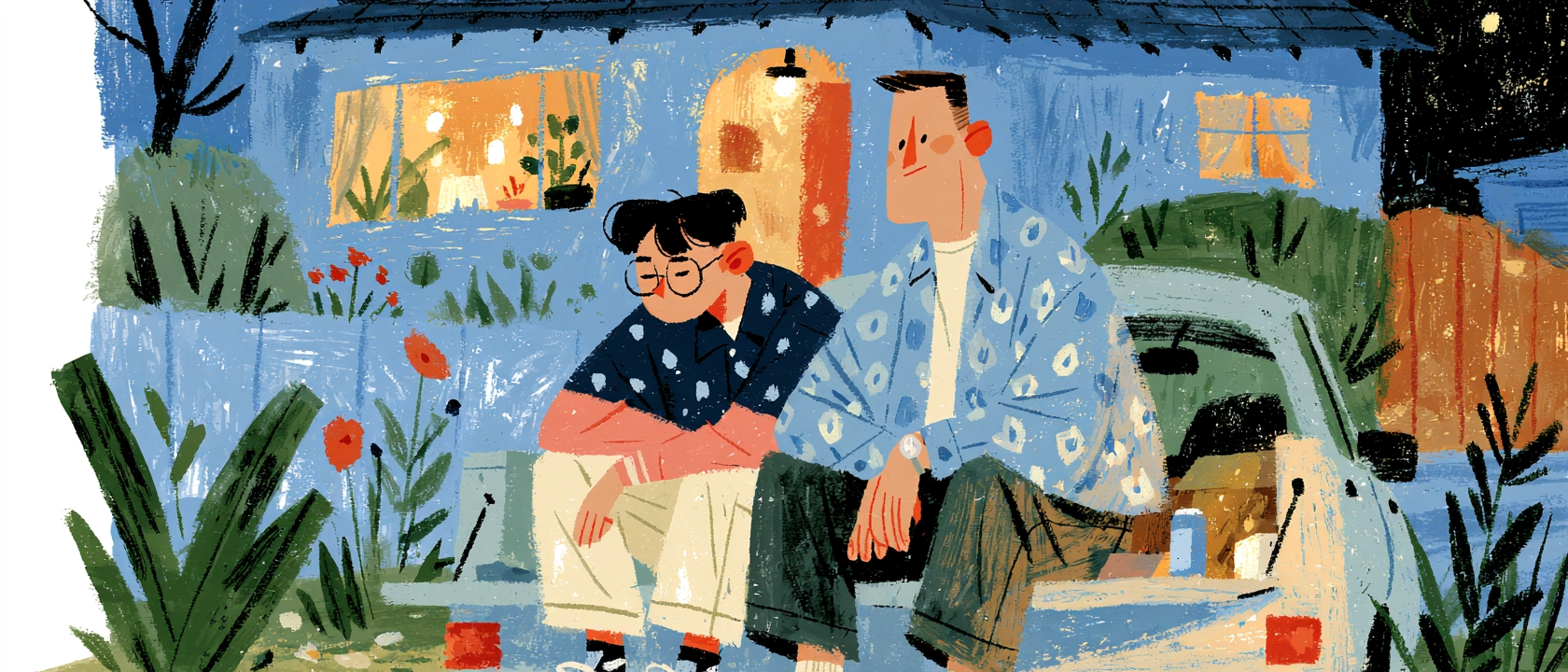
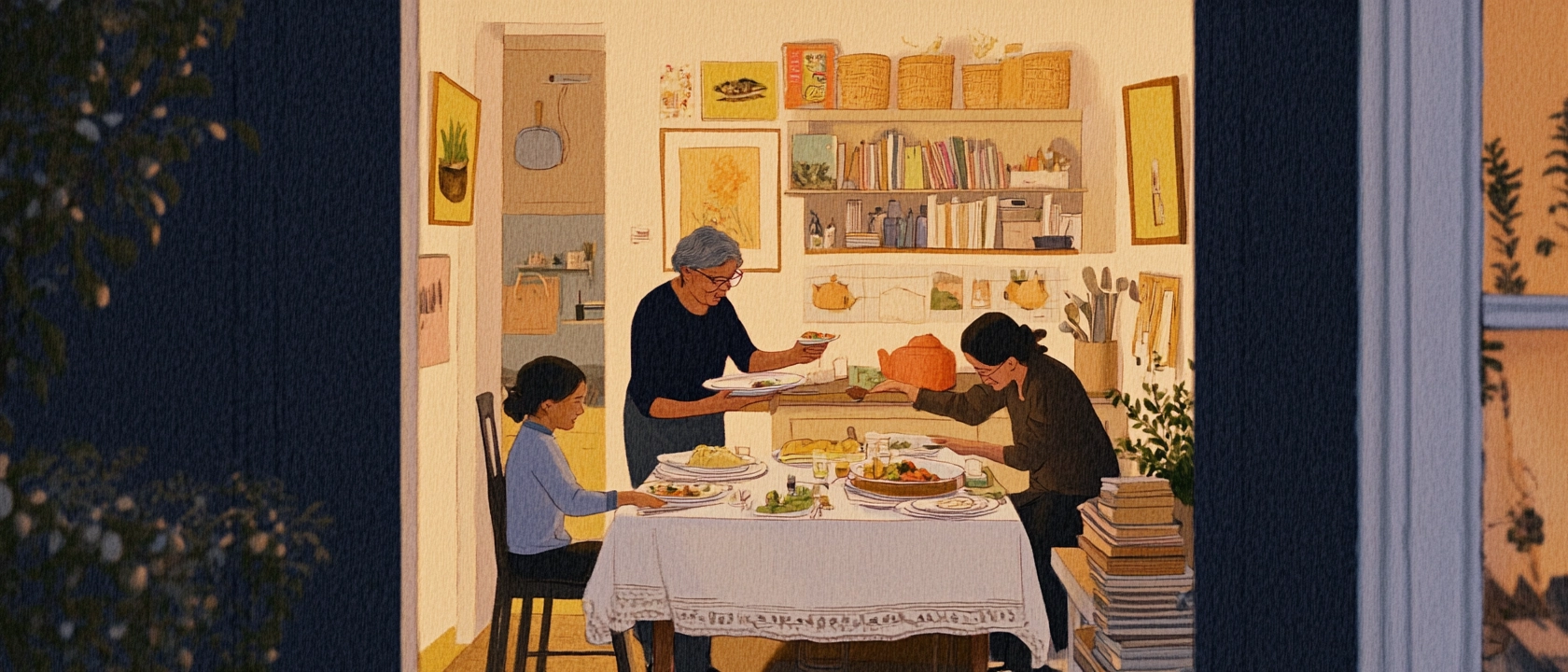
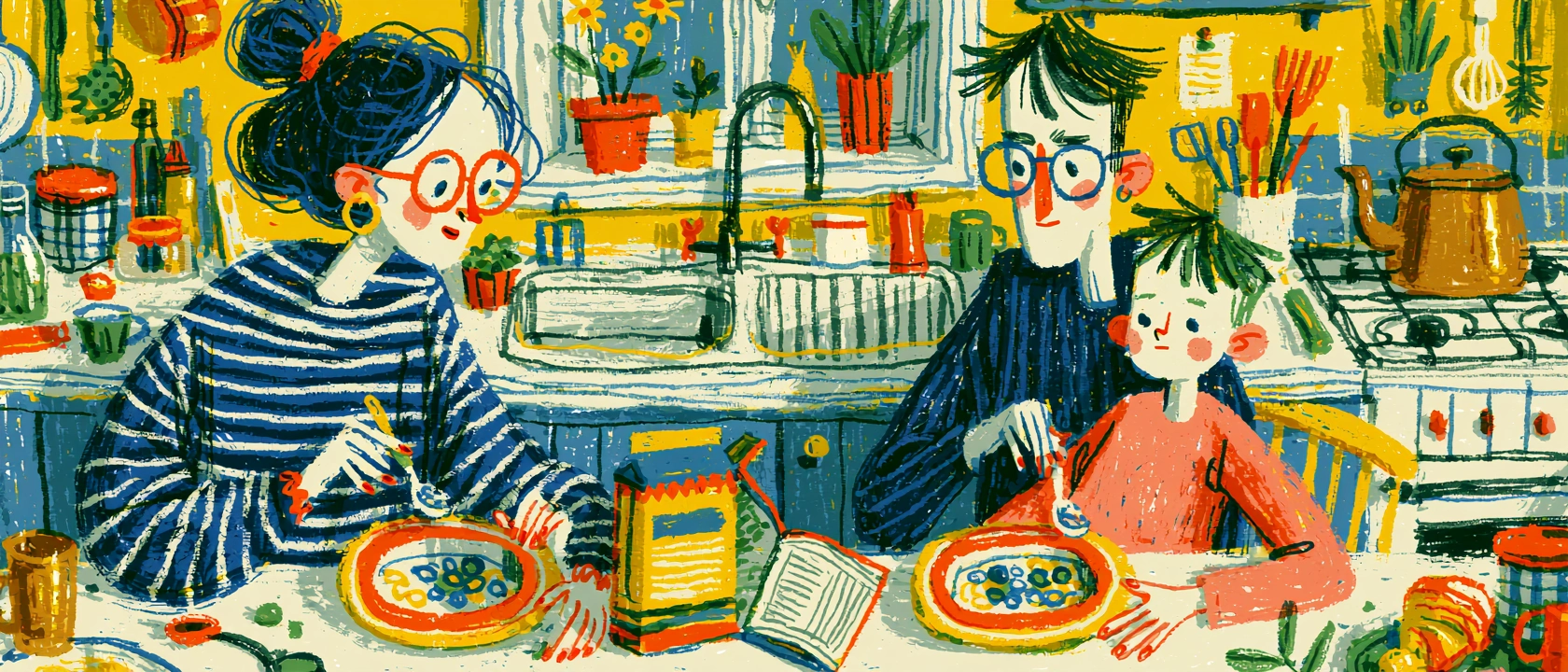
Family accommodation hides inside ordinary moments that would look like kindness to anyone watching. Most parents are doing several of these before anyone gives them a name:
In our work with families in Plano, parents can usually list their household's accommodations within minutes of hearing the definition. Almost none of them had a word for it before that conversation.
Parents accommodate because it works, tonight. The relief is real. The crying stops, dinner happens, everyone gets to sleep. Any parent watching their child suffer will pay that price without hesitating.
The problem is the interest rate. Each accommodation is a small loan against tomorrow, and OCD is a demanding lender. The 9:10 question becomes four questions. The safe plate becomes a safe kitchen. The lender always comes back asking for a little more, and the family keeps paying because each individual payment seems small.
The research here is consistent and sobering. Studies from the Yale group that first measured accommodation find it in nearly 90% of families, and higher accommodation predicts more severe symptoms over time. Treatment studies point the same direction: when family accommodation drops, kids respond better to therapy.
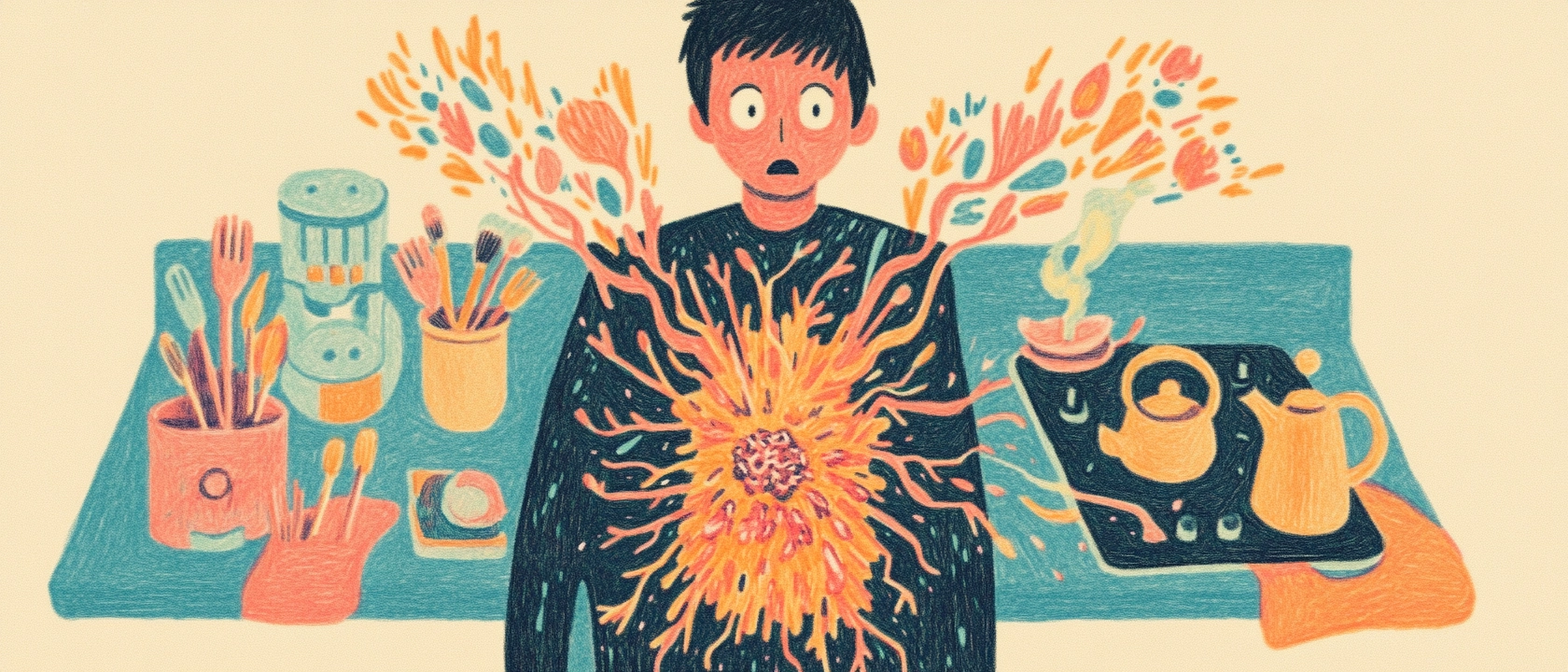
Your child's anxiety alarm learns from outcomes. Every time a feared moment ends through escape, avoidance, or a parent's rescue, the alarm files the same lesson: that danger was real, and I couldn't have survived it without help.
Accommodation scales with love. The families who accommodate the most are usually the ones paying the closest attention, the ones least able to watch their child hurt. OCD exploits exactly that devotion, recruiting the most caring people in a child's life as unpaid staff for the disorder.
Every accommodation is a small loan, and OCD collects the interest.
One caution before you act on any of this. Canceling all accommodations overnight usually detonates the household, and the blowup convinces everyone the old system was necessary. The families who succeed reduce accommodations gradually, one target at a time, with warmth and warning. The next sections cover how.
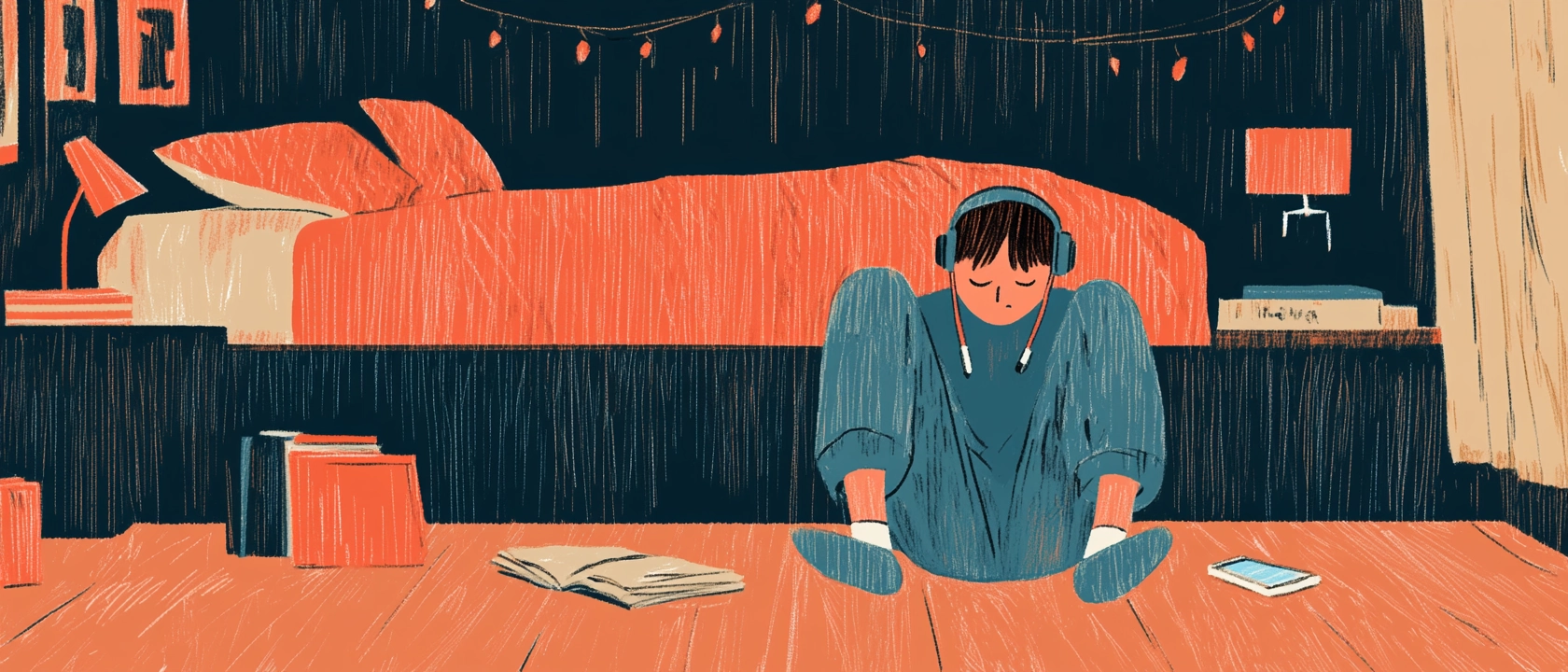
The world shrinks on a schedule. Restaurants drop off the list, then sleepovers, then vacations that can't guarantee the rituals. The child's OCD grows into the space the family keeps clearing for it, and symptoms that stay heavily accommodated respond less well to treatment when the family finally reaches for it.
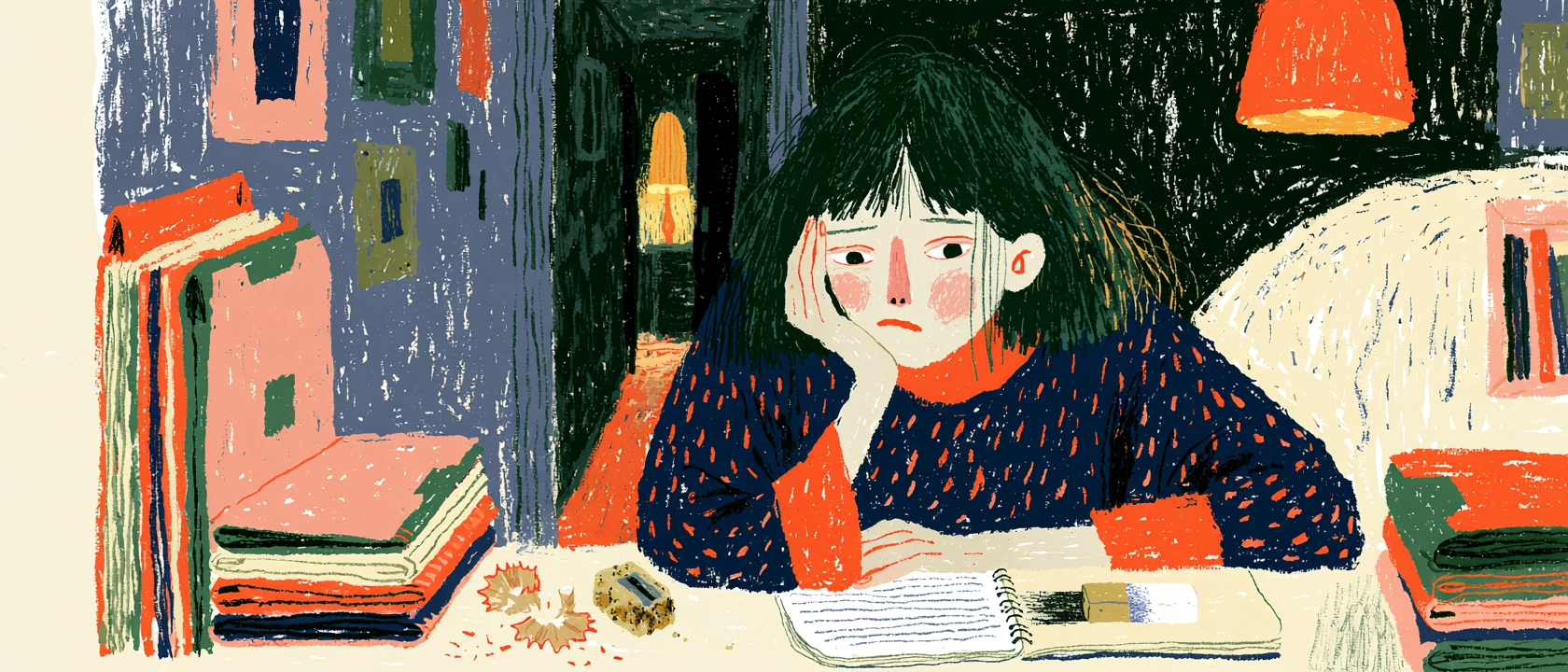
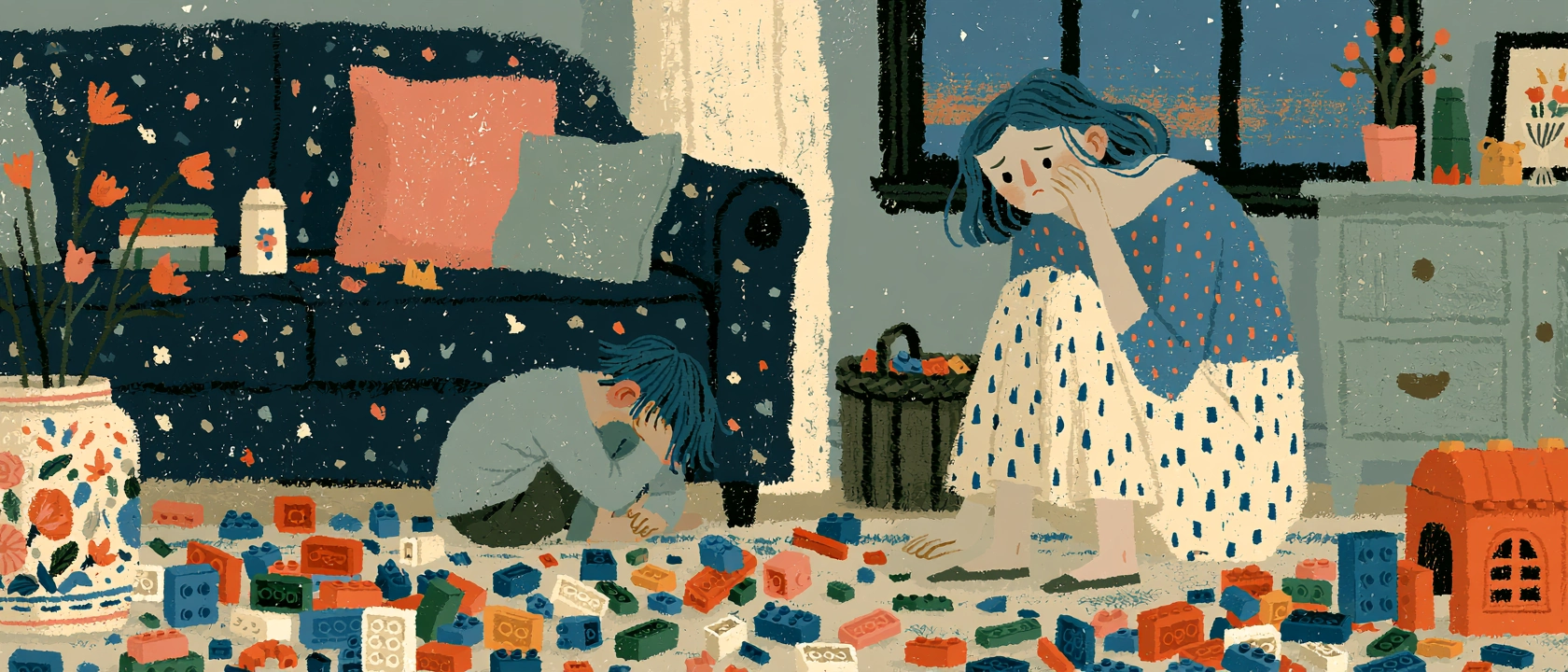
The household pays too. Siblings notice the house runs on one child's fears. Parents burn out from a job that expands every month. None of that means anyone did something wrong. It means the lender has been collecting long enough.
There are two proven paths, and at Layers we use both.
ERP with family involvement. In exposure and response prevention, your child practices facing fears in planned steps while learning to skip the ritual, and parents learn their part: how to respond to the reassurance question, when to step back, how to support without rescuing. At Layers, Isaac Rosas, LMSW sees kids for OCD-focused ERP, in English or Spanish, and parents are built into the treatment plan from the first session.
SPACE, when your child won't go. Supportive Parenting for Anxious Childhood Emotions, developed by Dr. Eli Lebowitz at the Yale Child Study Center, treats child anxiety and OCD entirely through the parents. Sessions teach you to reduce accommodations step by step while ramping up supportive responses, and clinical trials have found it effective. It's the answer to the most common dead end families hit, the one we wrote about in what to do when your child refuses therapy. At Layers, Rachel Tipsword, LCSW is trained in SPACE and leads this work with parents of anxious kids and kids with OCD.
Our team treats OCD from young children through adults. You can read more about our approach to OCD treatment in Plano.
Reassurance becomes accommodation when it repeats. Answering a genuine question once is parenting. Answering the same anxiety-driven question the fourth time tonight is participating in a compulsion, because the question stopped being about information and became a ritual. The repetition, and the growing urgency behind it, is the tell.
Gradual wins. Pick one accommodation, tell your child ahead of time what will change and why, and hold the new line with warmth while the initial protest passes. Once that target sticks, choose the next. Programs like SPACE structure this sequencing so parents aren't guessing about pace or wording.
Refusal closes fewer doors than most parents fear. SPACE was designed for exactly this situation: the parents attend sessions, the child never has to, and the child's symptoms improve as the family's responses change. Starting with parent-based work also often softens a child's resistance to trying therapy themselves later.
OCD has genetic and neurobiological roots. Accommodation influences how much room the disorder takes up once it's present, and that's actually hopeful news, because it means the family has a lever. Parents who reduce accommodation become part of the treatment, and the research shows it makes a measurable difference.
Consider reaching out if:
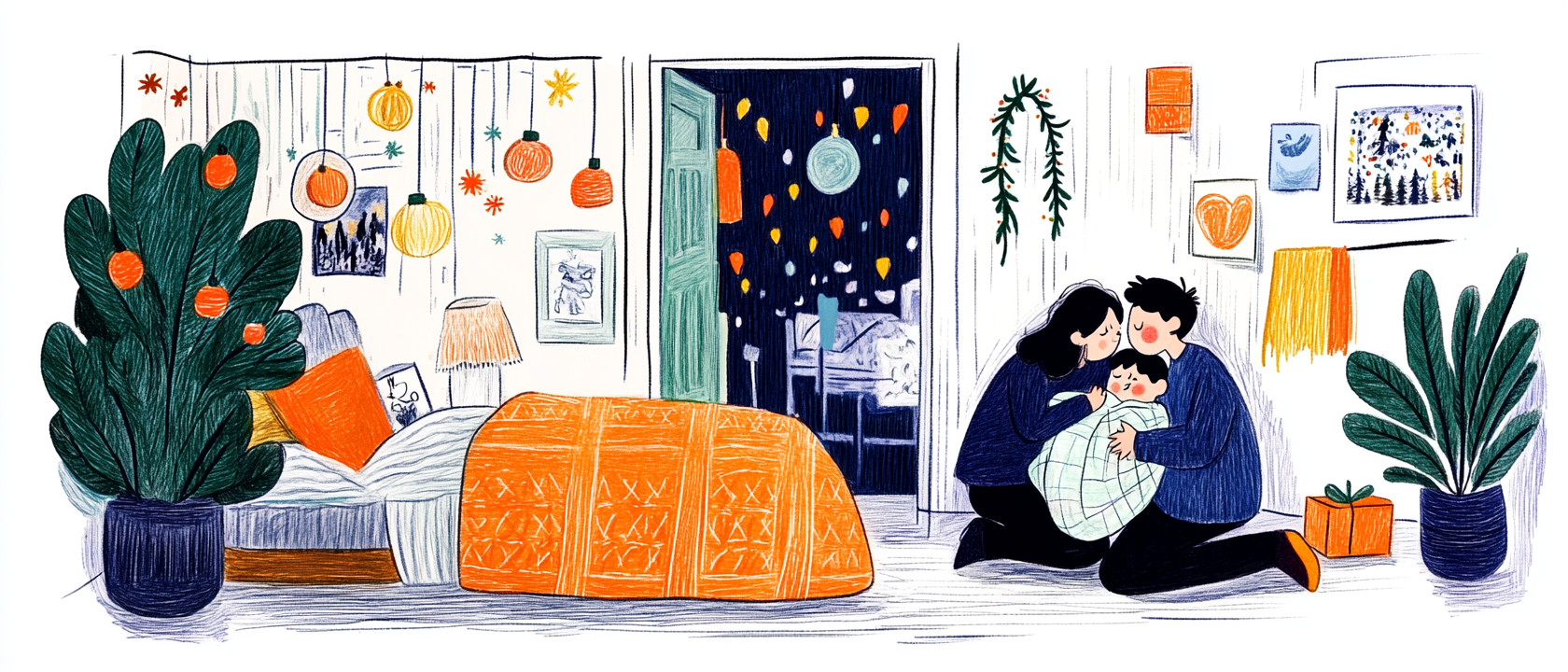
Six months from now, the 9:40 question may still come some nights. The difference is a mother who answers it once, warmly, and stays a moment while the wobble passes on its own. The loan window is closed, and the household knows it. That's teachable, and it's the work.
Layers Counseling Specialists is based in Plano, Texas, serving families across the DFW area. If your family is ready to stop paying the interest, request an appointment and we'll map the first target together.
This article is for educational purposes and is not a substitute for professional medical advice. If you or someone you know is in crisis, call or text 988 (Suicide & Crisis Lifeline) or text HOME to 741741.