By Karla Pineda, LPC · Last reviewed: July 2026
What if I don't actually love them?
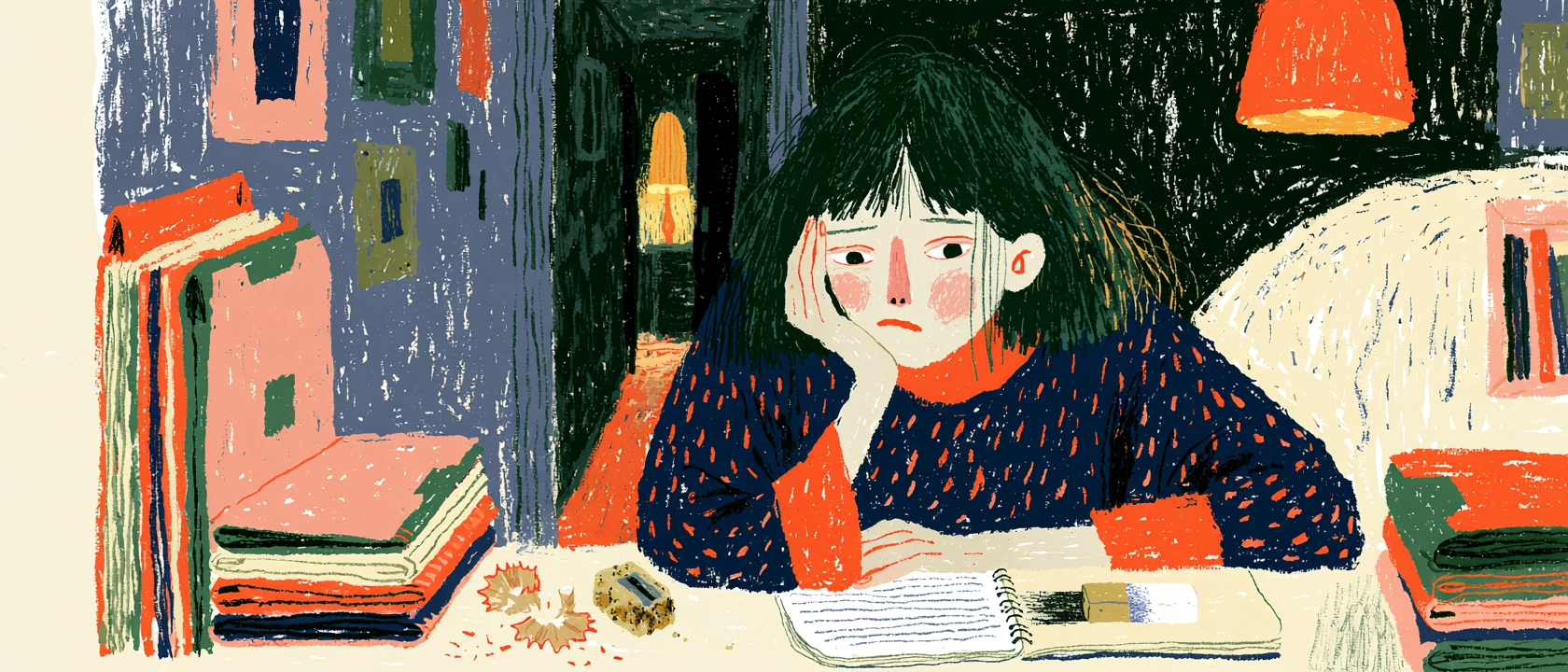
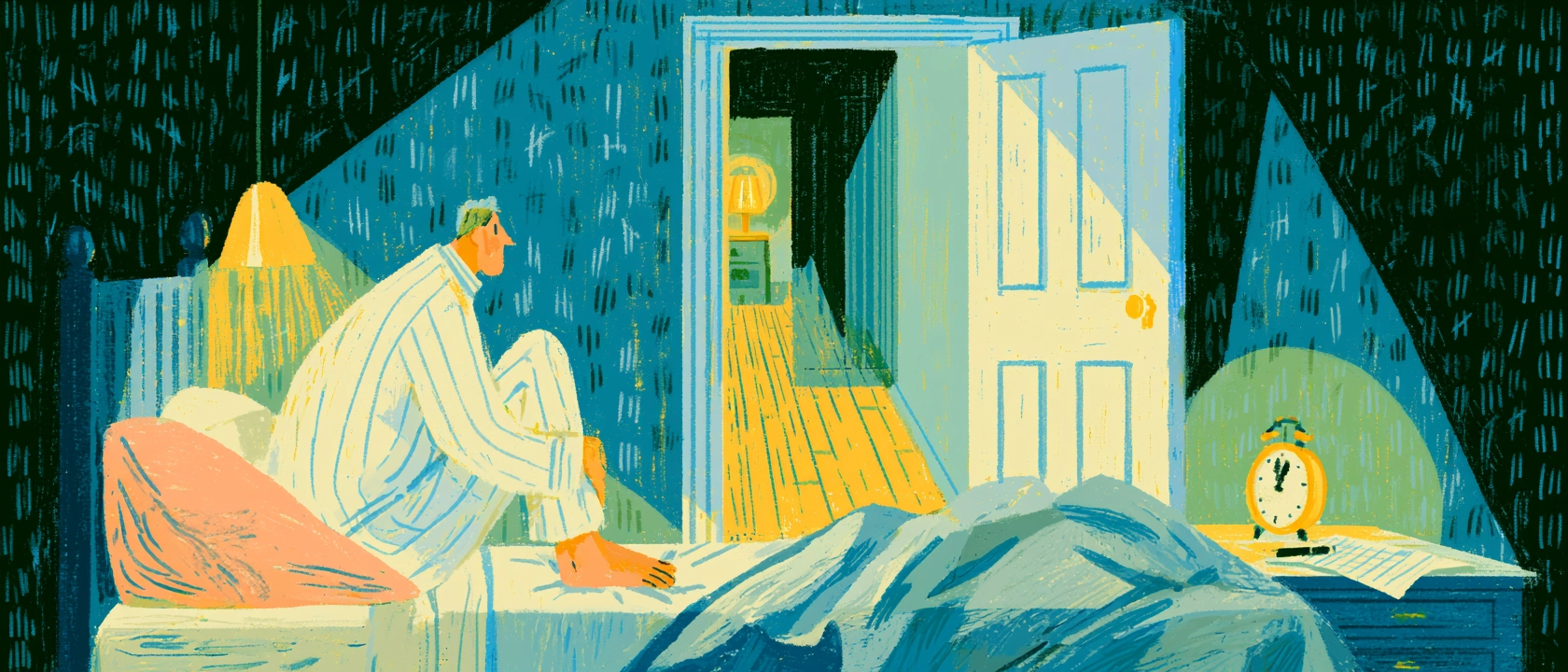
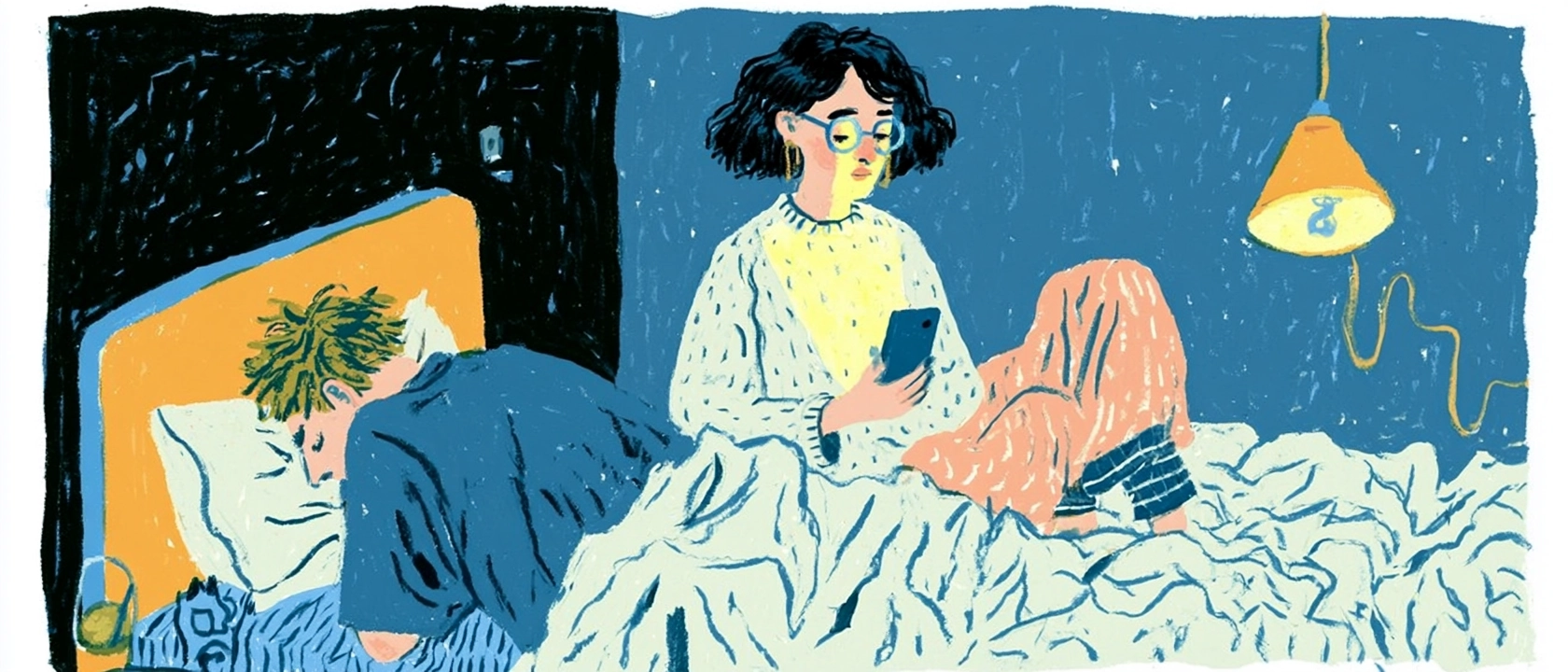
If that question has been running for weeks or months, you probably know the routine that comes with it. Replaying last night's goodbye for evidence. Scrolling three-year-old photos to test for a flutter. Watching the couple at the next table and measuring. Googling "signs you're settling" at 1am while your partner sleeps beside you. Each check promises an answer. None of them settles anything. There's a name for this pattern: relationship OCD, or ROCD, and it runs on the same machinery as every other form of obsessive-compulsive disorder (OCD).
Relationship OCD (ROCD) is a form of obsessive-compulsive disorder in which intrusive doubts center on a romantic relationship: whether you truly love your partner, whether they truly love you, or whether the relationship is right. The doubts feel urgent and answerable, and the compulsive checking they trigger is what keeps them alive.
Relationship OCD shows up in two documented patterns, and many people live with both.
Relationship-centered doubts aim at the bond itself. Do I love them enough? Is this what love is supposed to feel like? Am I making the biggest mistake of my life?
Partner-focused doubts fixate on a partner's perceived flaws. Their laugh, their intelligence, their ambition, their looks. The fixation usually comes packaged with shame, because you know these thoughts feel shallow and you can't stop having them.
Around the doubts, the compulsions build:
When clients finally say these doubts out loud in our Plano office, they usually start with an apology. The shame is part of the picture. So is the visible relief of learning the pattern has a name and a research literature behind it.
Feelings can't produce the kind of proof OCD demands. Love, measured moment to moment, fluctuates in every human being on earth. Attraction dips when you're tired. Irritation spikes over dishes. A settled mind reads that as weather. OCD reads it as data about a catastrophe.
The doubt works like static on a phone line. The harder you press the receiver to your ear, the more static you hear, and the more certain you become that the static means something. Anxiety also blunts feeling, so the moment you check for love is the moment you're least able to feel it. Every test comes back inconclusive. Every inconclusive result demands another test.
The researchers who first defined ROCD, Guy Doron and colleagues, point to this active engagement with the doubts as part of the disorder itself. The checking buys twenty minutes of relief and returns the doubt with interest.
This is the question underneath every other question, so it deserves a straight answer.
The advice you've probably heard is some version of "trust your gut, and if you're doubting, that's your answer." For ordinary relationship trouble, that advice can serve people well. Aimed at ROCD, it's gasoline, because it treats a symptom of the disorder as a verdict about your life.
Signs the doubt is more OCD than gut instinct:
"Just figure out how you really feel" is the compulsion, prescribed as the cure.
One thing worth saying plainly. Treatment doesn't railroad anyone into staying in a relationship. It clears the static so that real decisions, in either direction, become possible again. People with a settled mind sometimes leave. They just do it from clarity instead of terror.
Untreated ROCD tends to cost people the very relationships they were interrogating. Some end a good relationship chasing relief, and the doubt shows up in the next one wearing the same clothes, because the disorder was never about that particular partner. Others stay, but spend the relationship inside their own head, running checks while their partner dates a distracted person.
Partners wear down too. Reassurance demands exhaust the most patient people. Milestones stall, with moving in or engagement postponed for a certainty that never arrives, and the constant interrogation of your own heart is a reliable road to depression. All of it is treatable, which makes the cost of waiting the saddest part.
Exposure and response prevention (ERP) for ROCD targets the checking. In exposure and response prevention, you practice sitting with the doubt without running the test: no replaying, no comparing, no confession, no 1am searches. The exposure is to uncertainty itself, including statements like "I may never feel 100% sure, and I can build a life anyway." Over time, the doubt loses its emergency status. As an International OCD Foundation (IOCDF) registered ERP therapist, Karla Pineda treats ROCD with the same structured approach that works across OCD themes, and partners are often given a role, including an agreed plan for handling reassurance requests.
Inference-based cognitive behavioral therapy (I-CBT) takes a different road to the same place. Inference-based CBT targets the obsessional doubt itself, the faulty reasoning that makes the doubt feel credible before any compulsion happens. ERP builds your tolerance for uncertainty; I-CBT dismantles the doubt's believability. For people who stalled in exposure work, our explainer on I-CBT for OCD covers how that path works.
You can read more about our approach to OCD treatment in Plano.
Yes, and this is one of its cruelest features. Chronic anxiety blunts emotion, so the more you monitor for love, the more numb you feel, which reads as confirmation of the doubt. Many people rediscover warmth for their partner as treatment progresses, once the constant checking stops suppressing it.
Leaving usually brings short-term relief and long-term repetition. Because the disorder is about intolerance of doubt rather than the specific partner, the same questions tend to reappear in the next relationship, or the theme shifts to something else entirely. Treating the OCD travels with you. Ending the relationship, by itself, doesn't.
Commitment milestones are the most common trigger: moving in together, engagement, wedding planning, pregnancy. Stress and major transitions play a role, and many people have a personal or family history of OCD with themes that shifted over the years before settling on the relationship.
Name it together as a ritual rather than a conversation, then agree on a response in advance, something like "that sounds like an OCD question, and I love you." It will feel withholding at first. It's the opposite. Every skipped reassurance loop is a rep of the treatment, and most partners are relieved to have a job that actually helps.
Consider getting support if:
What if I don't actually love them? People who recover still hear that question some evenings. What changes is the next move. They let it sit, static on the line, and go back to dinner.
Layers Counseling Specialists is based in Plano, Texas, serving adults across the DFW area. If the checking has taken over, request an appointment and we'll start clearing the line.
This article is for educational purposes and is not a substitute for professional medical advice. If you or someone you know is in crisis, call or text 988 (Suicide & Crisis Lifeline) or text HOME to 741741.
Our Plano therapists specialize in OCD, anxiety, ADHD, autism, ARFID and trauma, in person or online anywhere in Texas. Every clinician starts with a free 15-minute consultation, so you can see whether it feels like a fit before you commit.
ocd