By Karla Pineda, LPC · Last reviewed: July 2026
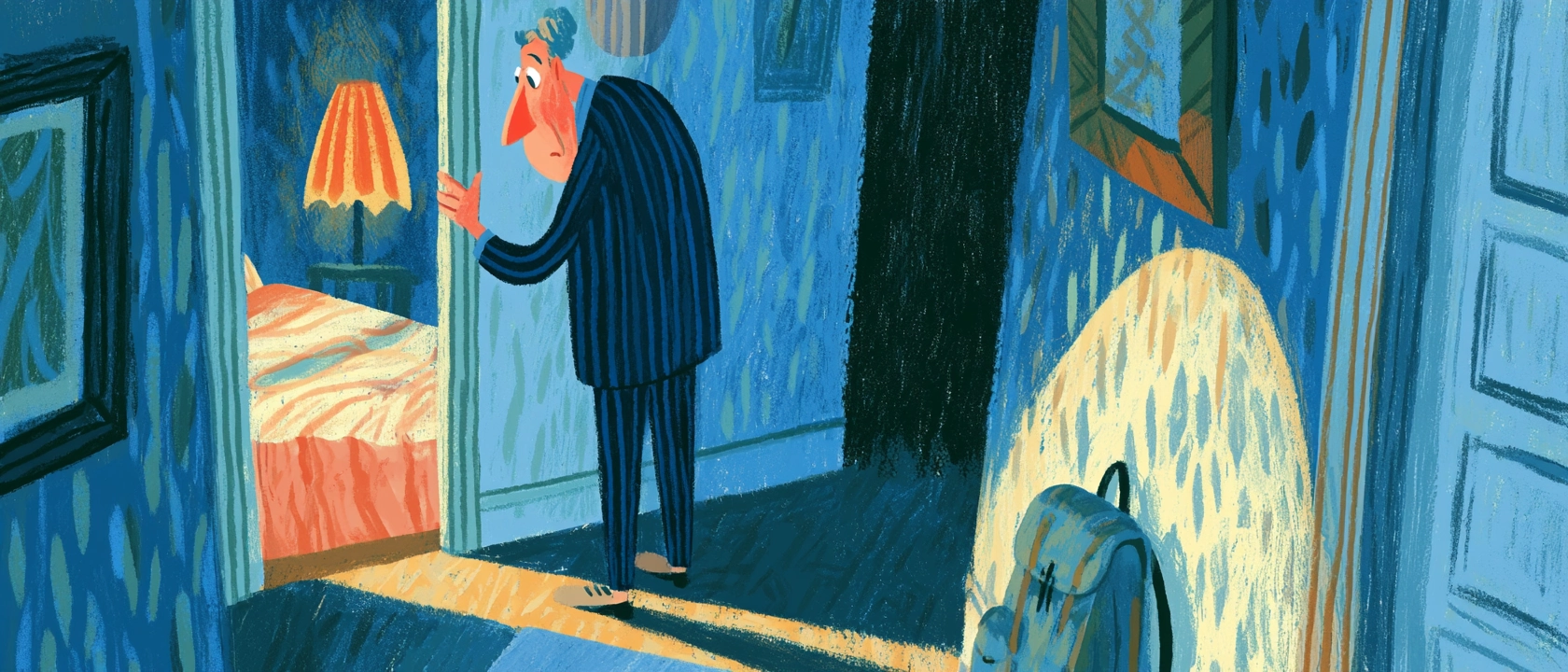
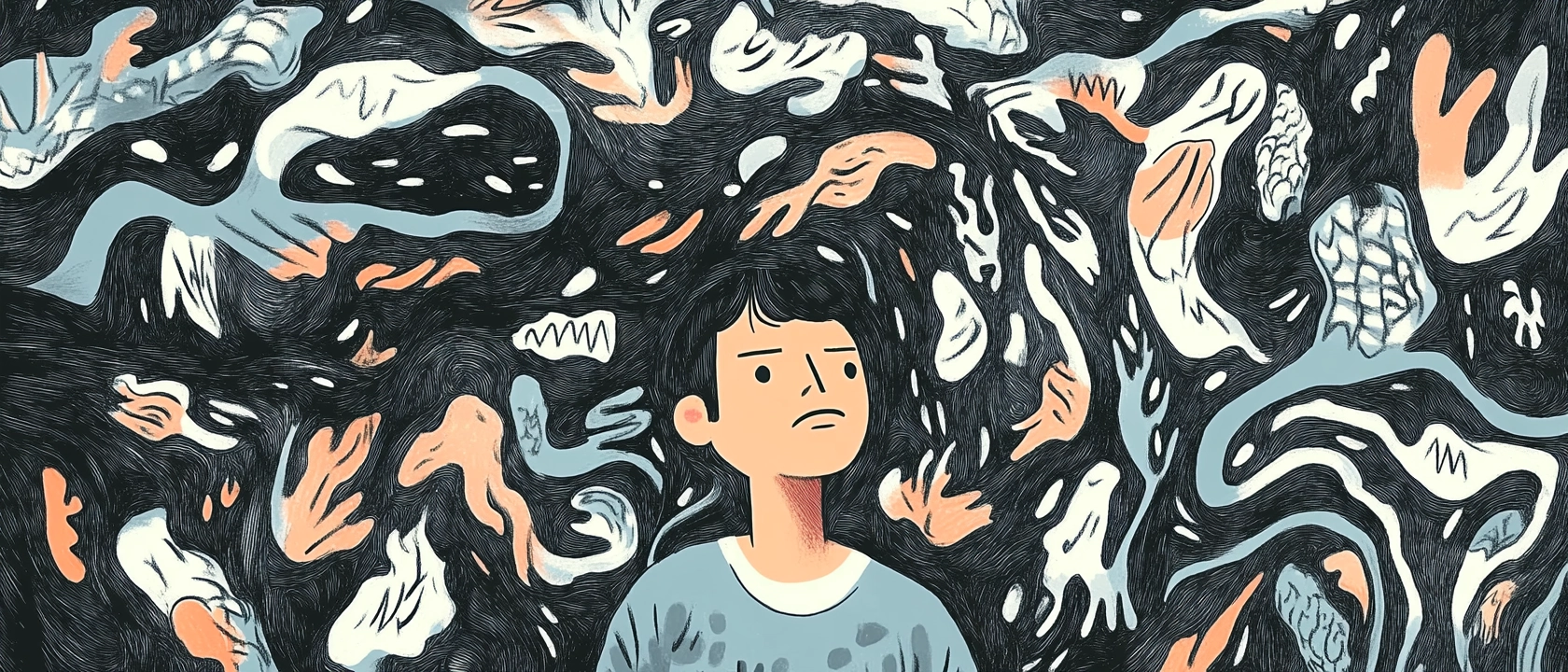
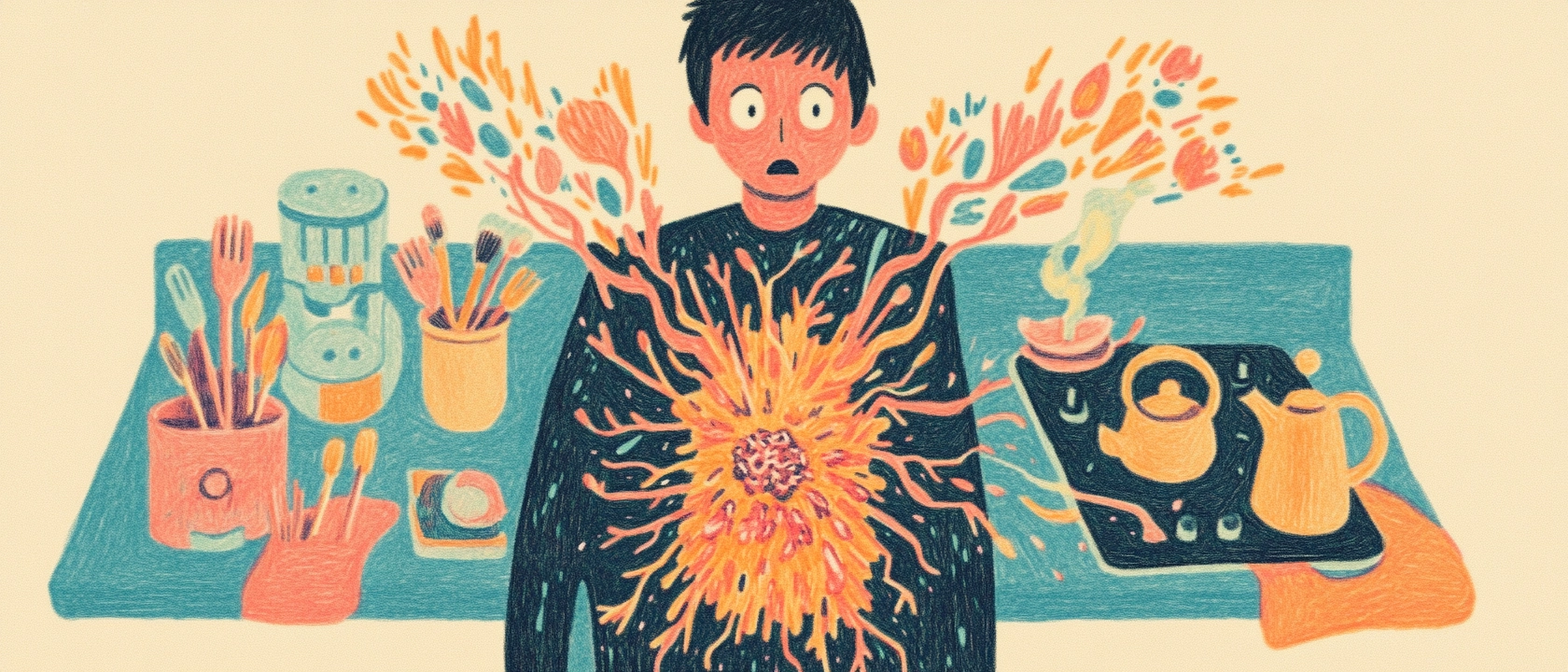
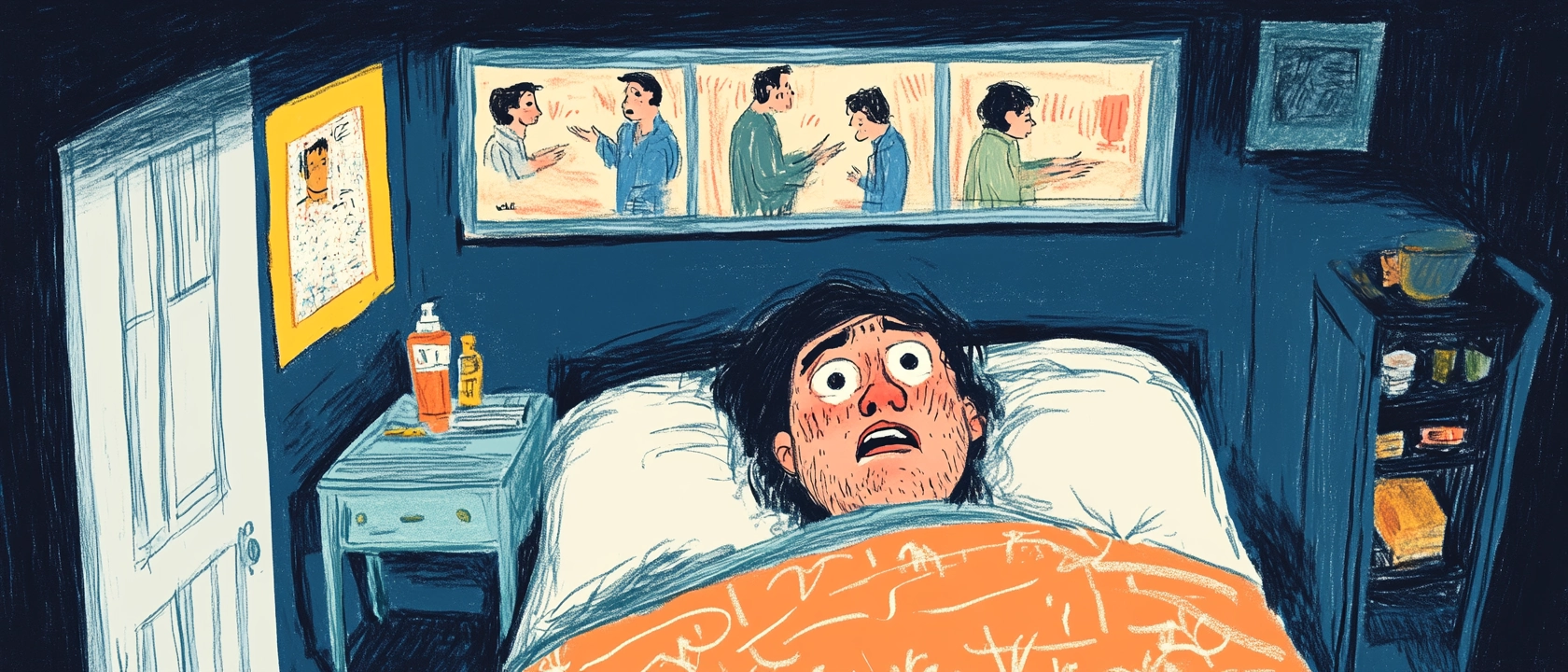
"He was fine on Tuesday. By Friday I didn't recognize my own son."
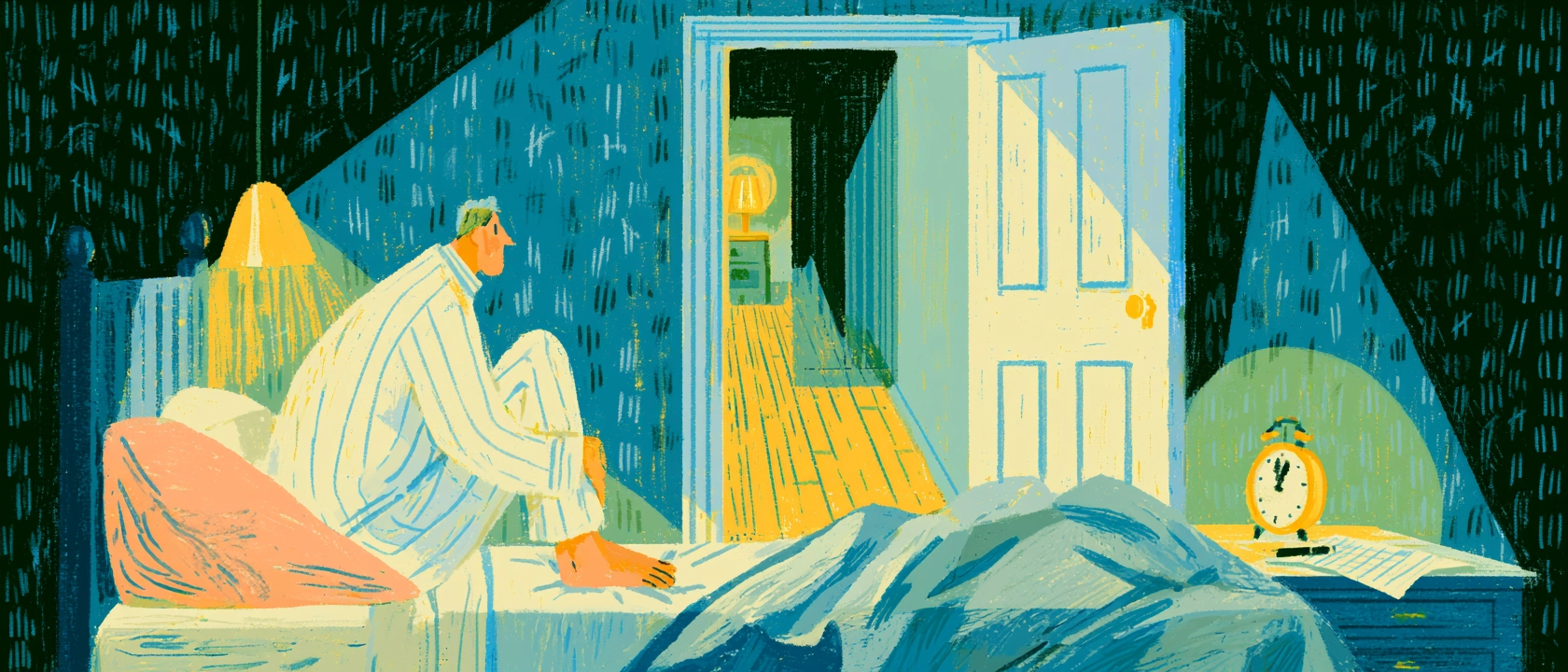
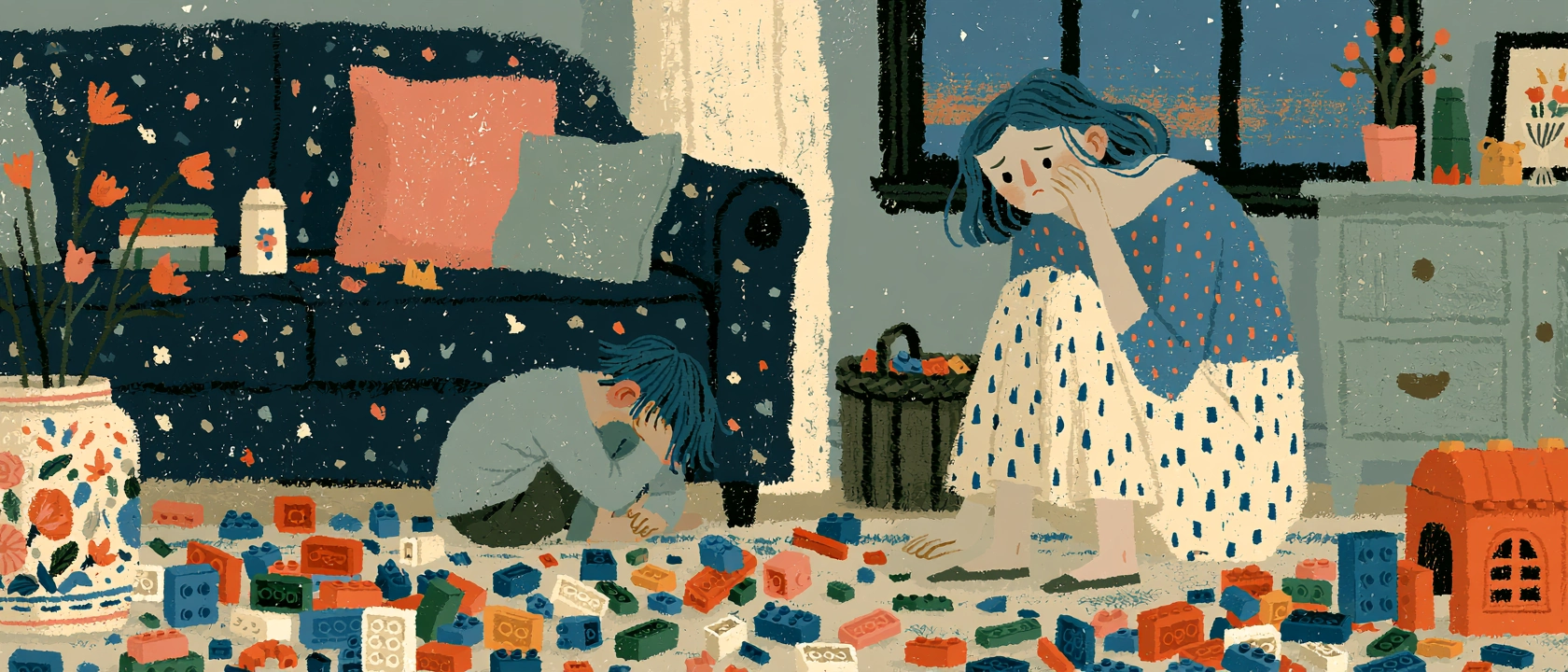
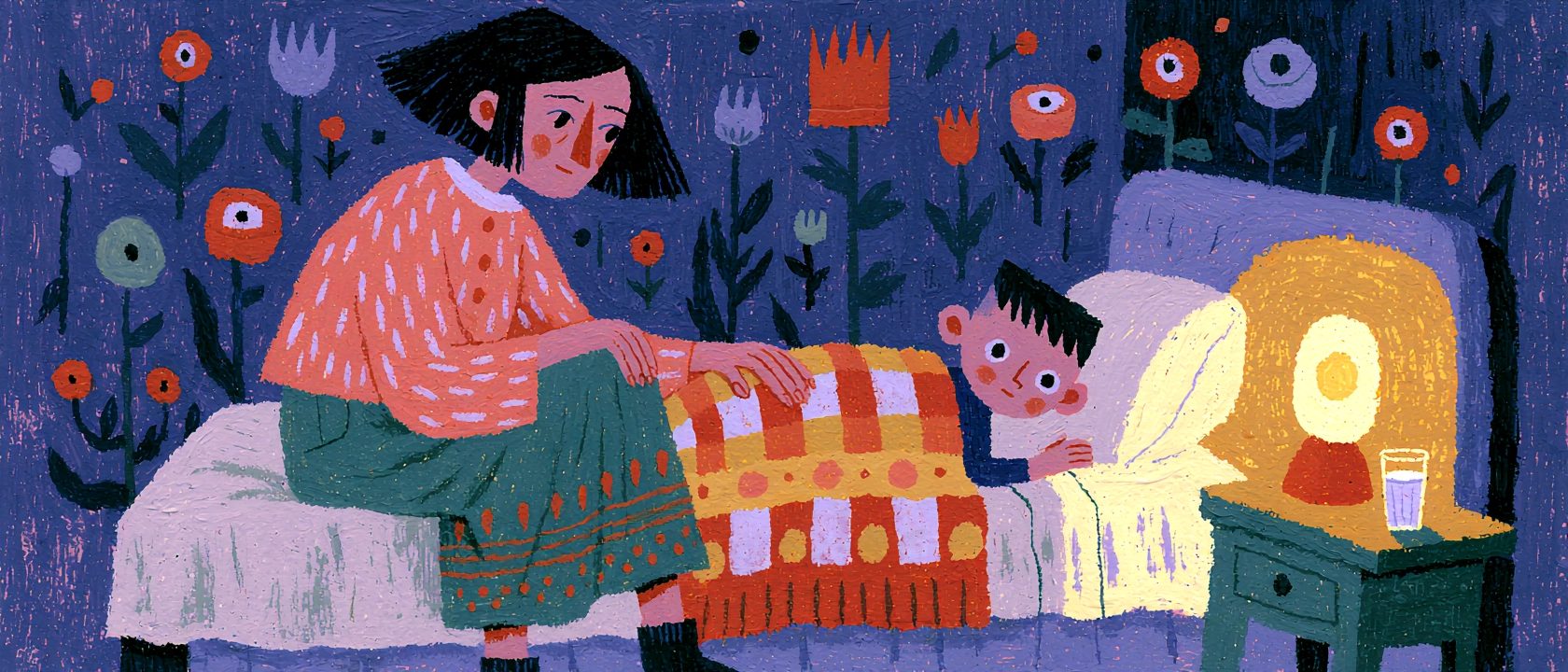
Parents who say some version of that sentence are describing something specific. A nine-year-old who played soccer last weekend is now washing his hands until they crack. A kid who never once worried about germs suddenly can't eat dinner because the fork touched the table. The questions repeat on a loop. Bedtime takes two hours.
And it all started, as best anyone can tell, within a couple of days.
Most childhood OCD builds slowly, over months. When full-force symptoms appear in a day or two, often on the heels of an infection, pediatric specialists start asking about PANS and PANDAS. Both are rare. Both are real. And the path forward starts somewhere many parents don't expect: the pediatrician's office.
PANS (pediatric acute-onset neuropsychiatric syndrome) and PANDAS (its strep-linked subtype) are conditions in which a child develops sudden, severe OCD symptoms following an infection, often alongside eating restriction, tics, anxiety, or behavioral regression. Researchers believe the immune system mistakenly targets the brain. Diagnosis is medical, and treatment combines medical care with therapy.
PANS and PANDAS look like severe OCD that arrives at full volume, surrounded by a cluster of other sudden changes.
The OCD piece is usually unmistakable. Rituals that swallow hours. Contamination fears that appeared out of nowhere. Reassurance questions asked forty times before breakfast.
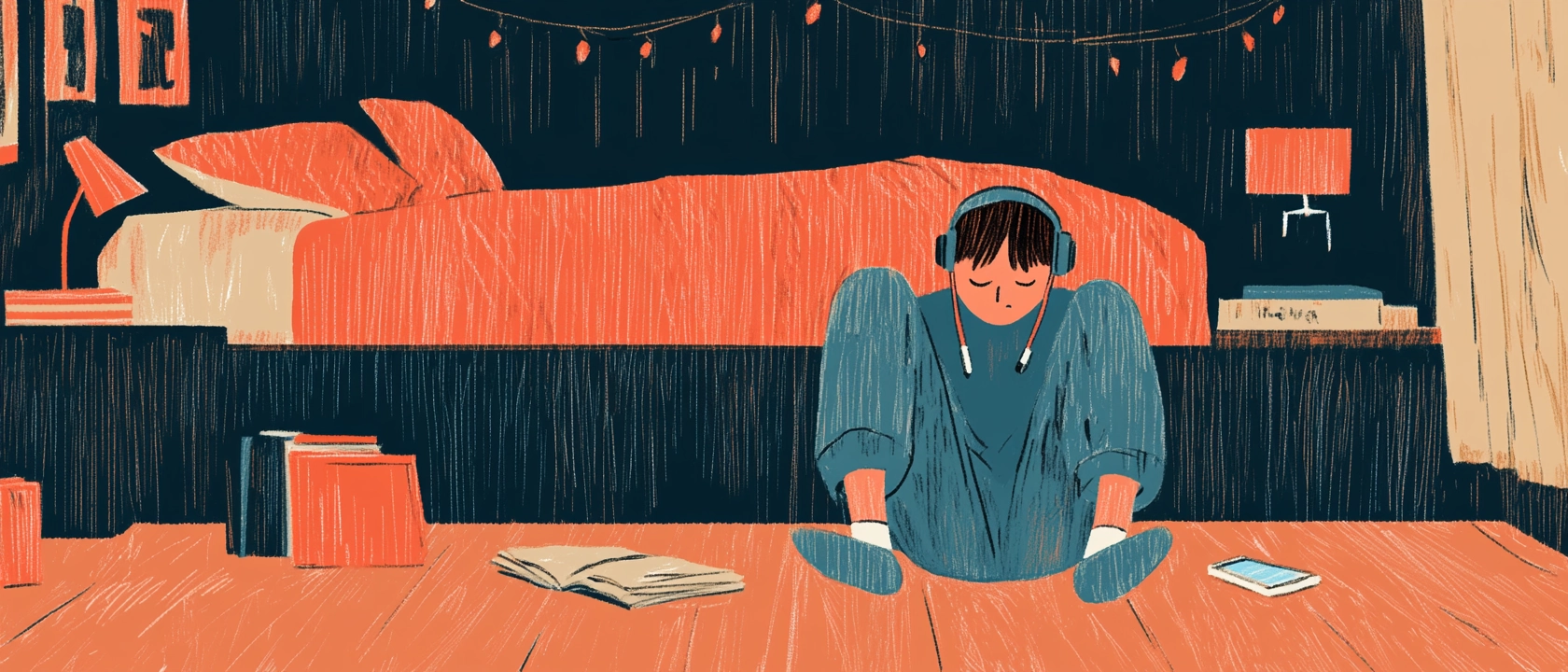
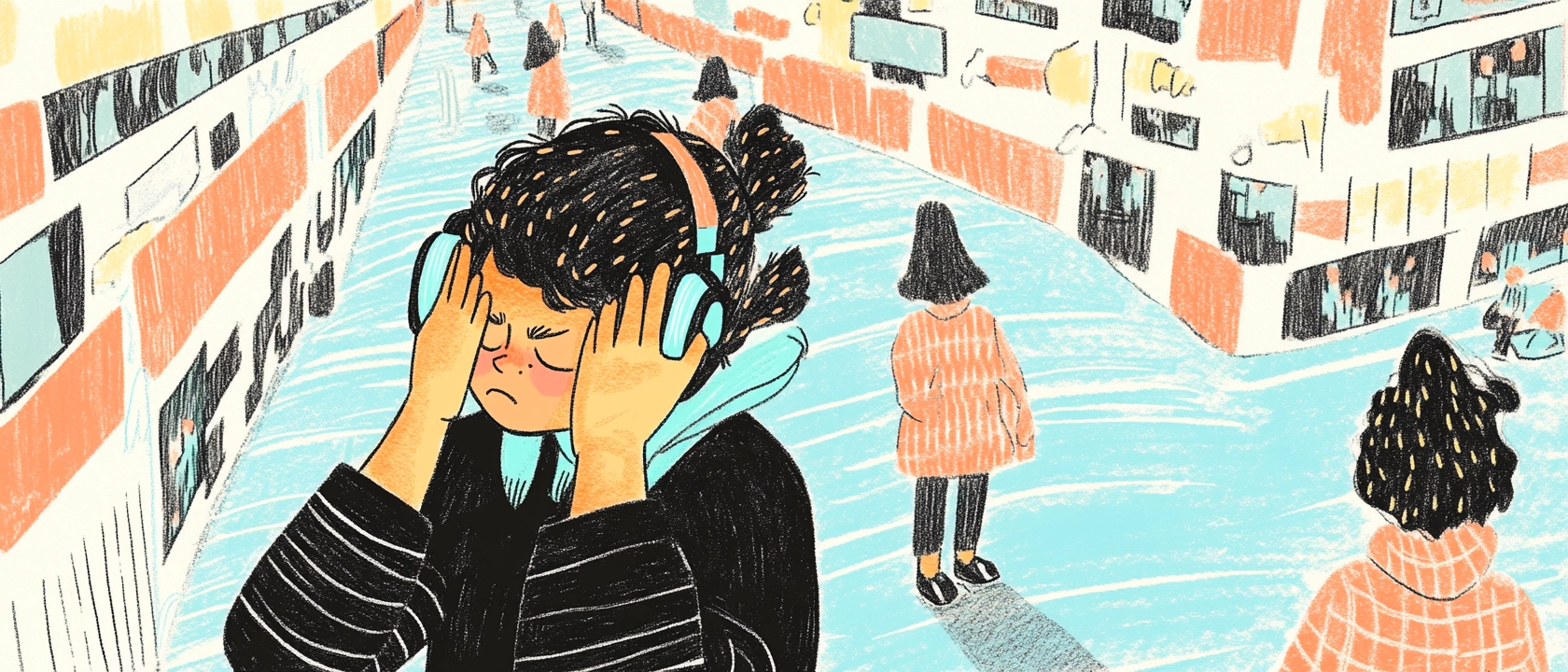
What sets these conditions apart is everything arriving at once. Alongside the obsessions and compulsions, parents often describe a storm of changes in the same week:
No child shows all of these. The pattern that matters is the timeline: a recognizable "before" kid and an "after" kid, separated by days.
Researchers believe PANS and PANDAS happen when the immune system, primed to fight an infection, mistakenly attacks healthy brain tissue instead. The region most often implicated is the basal ganglia, an area involved in movement and behavior regulation.
Strep is the most common trigger, which is where the PANDAS label comes from. The Child Mind Institute notes that the large majority of acute-onset cases are linked to strep, including hidden infections that never produced a sore throat. Other infections, including flu, have been linked to PANS as well.
Honesty matters on this topic: the science is still settling. The American Academy of Child and Adolescent Psychiatry is clear that researchers are still working out the boundaries between PANS, PANDAS, and ordinary OCD, and clinicians disagree about how often these diagnoses truly apply. What nobody disputes is that some children experience abrupt, severe onset, and that those children deserve a medical workup.
Ask the parent of a child with typical OCD when it started, and you'll usually get a shrug and a guess. "Sometime last year? It crept up on us." The early signs of childhood OCD and anxiety tend to hide inside normal kid behavior for a long time before anyone names them.
Ask a PANS parent the same question and you'll get a date.
Most childhood OCD builds over months. PANS arrives with a date on it.
The symptom lists overlap almost completely. Handwashing is handwashing. The speed is the signal. That's why a clinician who hears "this started last Tuesday" should immediately ask about sore throats, fevers, and sick siblings in the weeks before, and why "wait and see" serves families badly here. With gradual OCD, waiting costs time. With sudden onset, waiting can also mean missing an infection that's still treatable.
In our work with anxious kids in Plano, the intake question we care most about is rarely "what are the symptoms?" It's almost always "when did this start, and how fast?"
PANS and PANDAS tend to follow a relapsing-remitting course. Symptoms flare, ease, and flare again, and most children experience at least one recurrence after a new trigger, sometimes a different infection than the first. Clinicians who treat these conditions consistently report that delayed diagnosis lets symptoms settle in and become harder to treat.
The long view is genuinely hopeful. In a 10-year study from Stanford's Immune Behavioral Health Clinic, more than half of children never developed persistent symptoms, and even among those impaired for over a year, 77% ultimately recovered. Prompt treatment of each flare improves those odds.
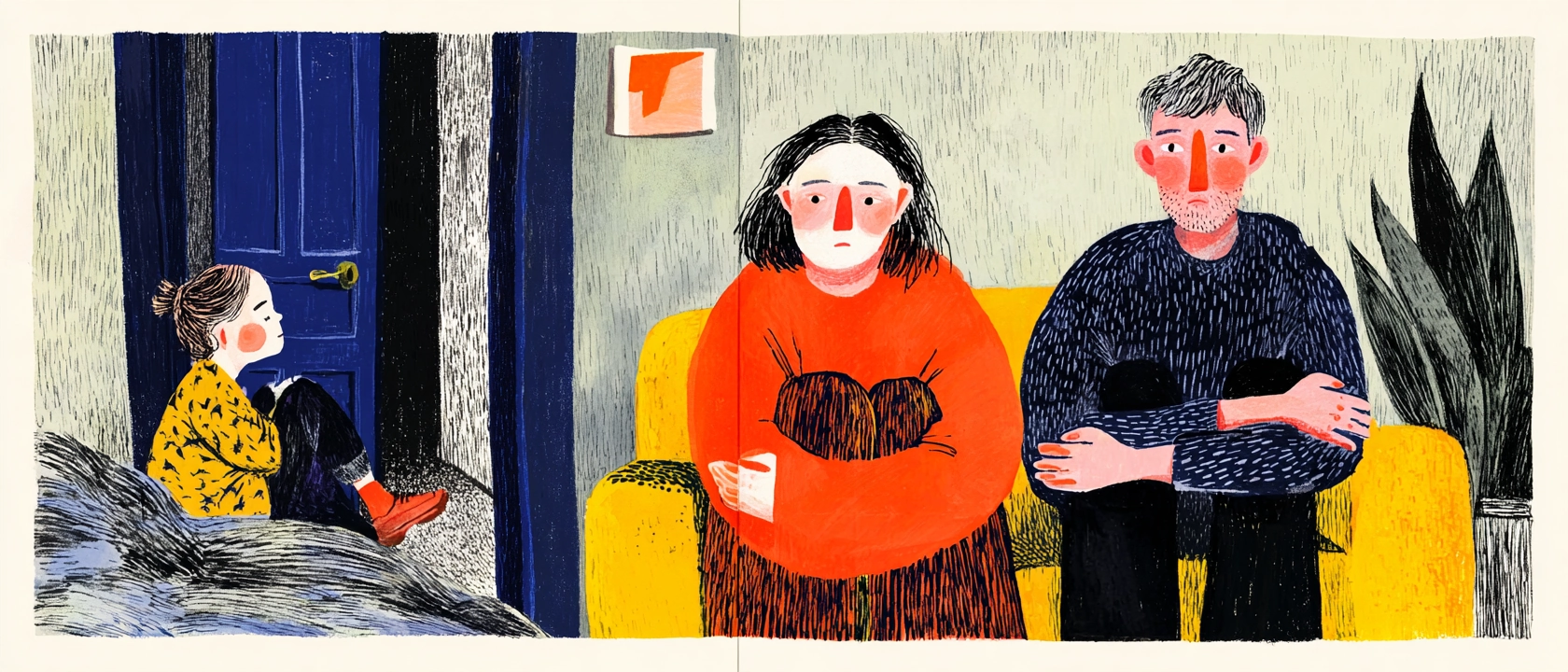
Two cautions belong here. Untreated food restriction can become a medical problem in its own right if weight and fluids drop. And families reorganize around symptoms fast, which wears everyone down and is one more reason early evaluation matters. None of this is cause for panic. It is cause for movement.
Treatment runs on two tracks at once.
The medical track comes first. A pediatrician can test for strep and other infections and, when appropriate, treat with antibiotics or refer to a specialist familiar with PANS/PANDAS. Families should push for that workup whenever severe symptoms appeared within days.
The therapy track runs alongside it. Research supports exposure and response prevention for the OCD symptoms themselves, even while medical treatment is underway. ERP therapy teaches a child to face fears in small, planned steps without performing the ritual, which shrinks OCD's grip regardless of what lit the fuse. It also gives parents a structured role, since so much of childhood OCD runs through the family.
At Layers Counseling Specialists, our team treats OCD across ages, from young children through adults, in both English and Spanish. As an IOCDF-registered ERP therapist, Karla Pineda leads that work, and our clinicians trained in ERP for children and adolescents partner closely with pediatricians when a medical piece is in play. You can read more about our approach to OCD treatment in Plano.
In a small number of children, yes. PANDAS describes cases where a strep infection appears to trigger an immune response that produces sudden, severe OCD symptoms. Most children who get strep never develop these symptoms. If OCD behaviors appeared within days of an illness, mention the timing to your pediatrician and ask about testing.
Ordinary childhood OCD develops gradually over weeks or months, with symptoms slowly taking up more space. PANDAS involves OCD symptoms reaching full intensity within about one to two days, usually after a strep infection, accompanied by other abrupt changes such as tics, eating restriction, mood swings, or regression. The treatment plan for PANDAS includes a medical workup that ordinary OCD care does not.
Many children improve substantially when the underlying infection is treated and OCD symptoms are addressed with therapy. Some children experience flare-ups with future infections, so families learn to watch for returning symptoms after illness. Long-term outcomes vary by child, which is one more reason early evaluation matters.
There is no single lab test. Clinicians diagnose PANS based on the pattern: abrupt, dramatic onset of OCD or severe eating restriction, plus at least two other sudden neuropsychiatric symptoms, with other explanations ruled out. Testing for strep and recent infections is part of the workup. Diagnosis typically involves a pediatrician, sometimes with a specialist.
Call your pediatrician promptly if:
Seek immediate help if your child talks about self-harm or not wanting to be alive. Sudden-onset cases can include frightening emotional symptoms, and that deserves urgent, compassionate care rather than watchful waiting.
If you or someone you love is in crisis:
The mother from the top of this page eventually got her Friday question answered, and the answer changed what the family did next, starting with a strep test. If your own Tuesday-to-Friday story sounds familiar, you don't have to sort it out alone. Layers Counseling Specialists is based in Plano, Texas, serving families across the DFW area, and we're glad to be part of the team around your child. Request an appointment when you're ready.
This article is for educational purposes and is not a substitute for professional medical advice. If you or someone you know is in crisis, call or text 988 (Suicide & Crisis Lifeline) or text HOME to 741741.