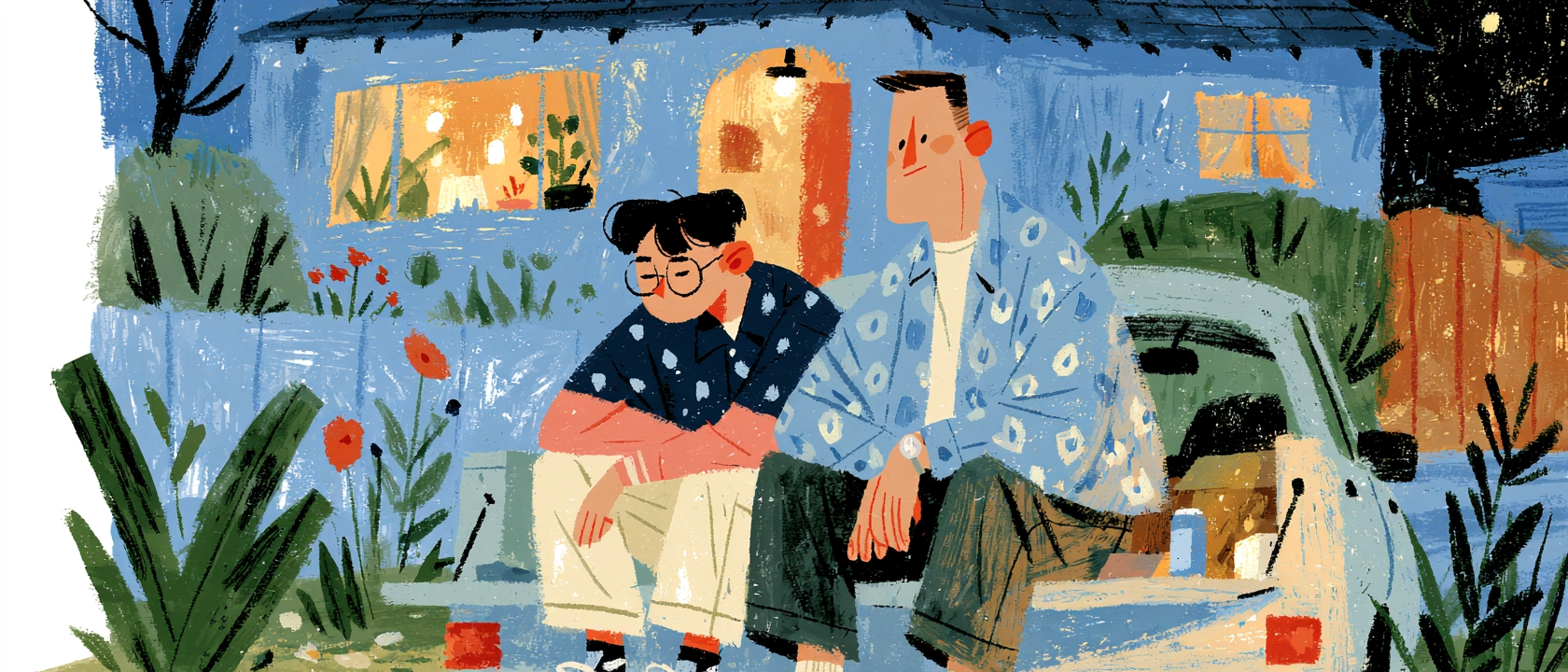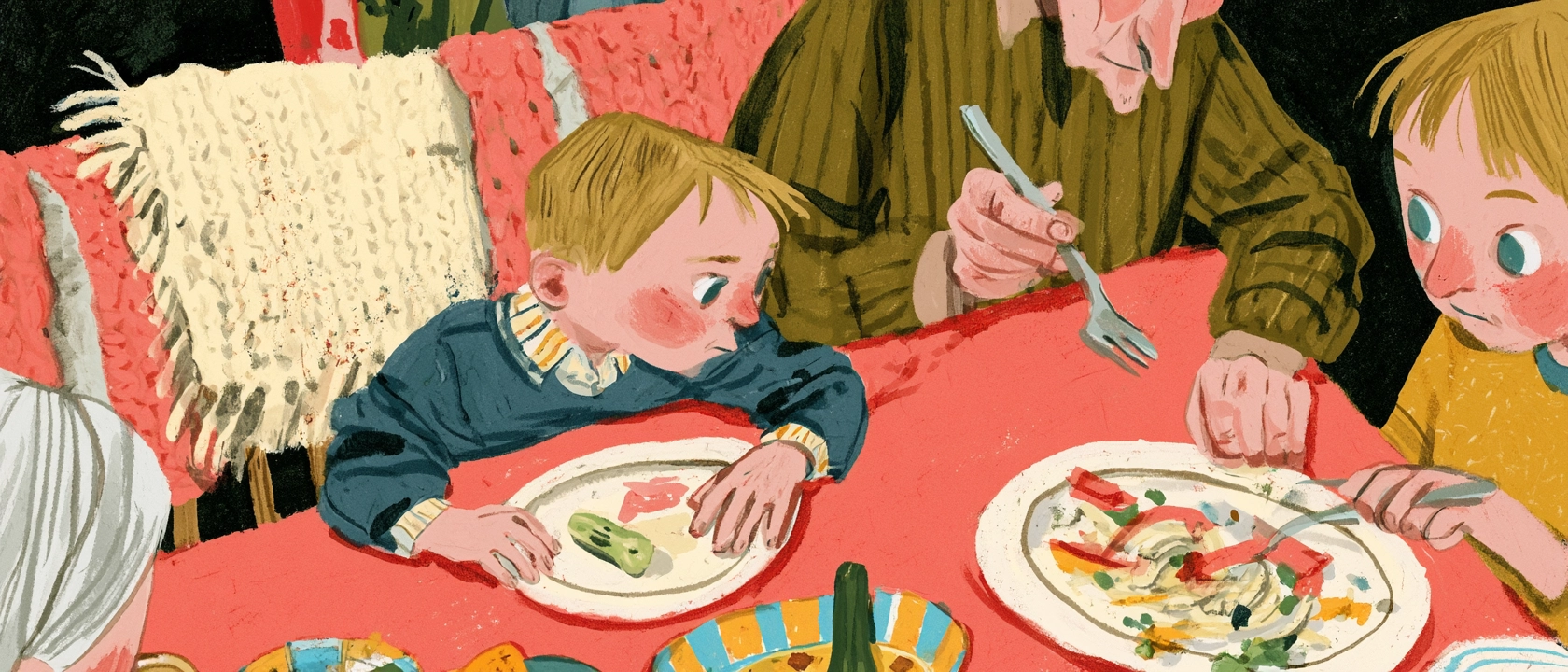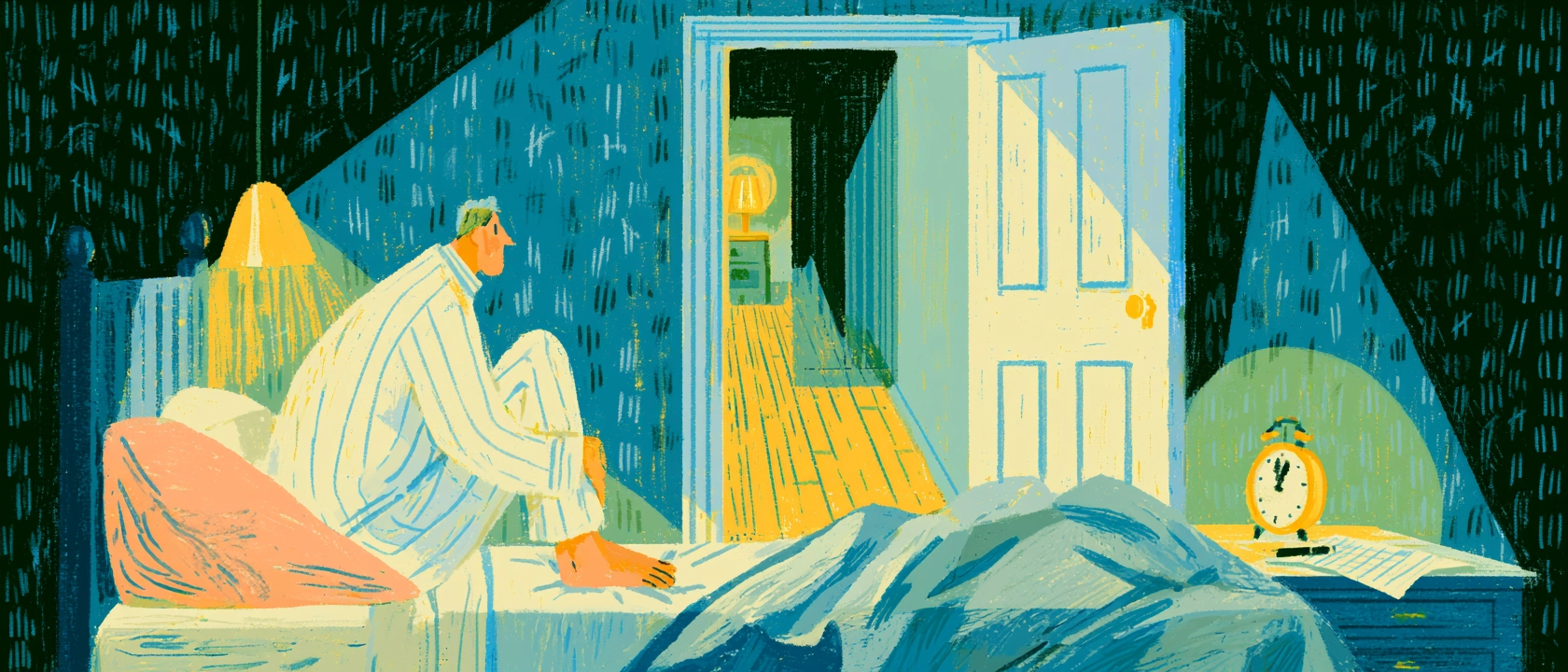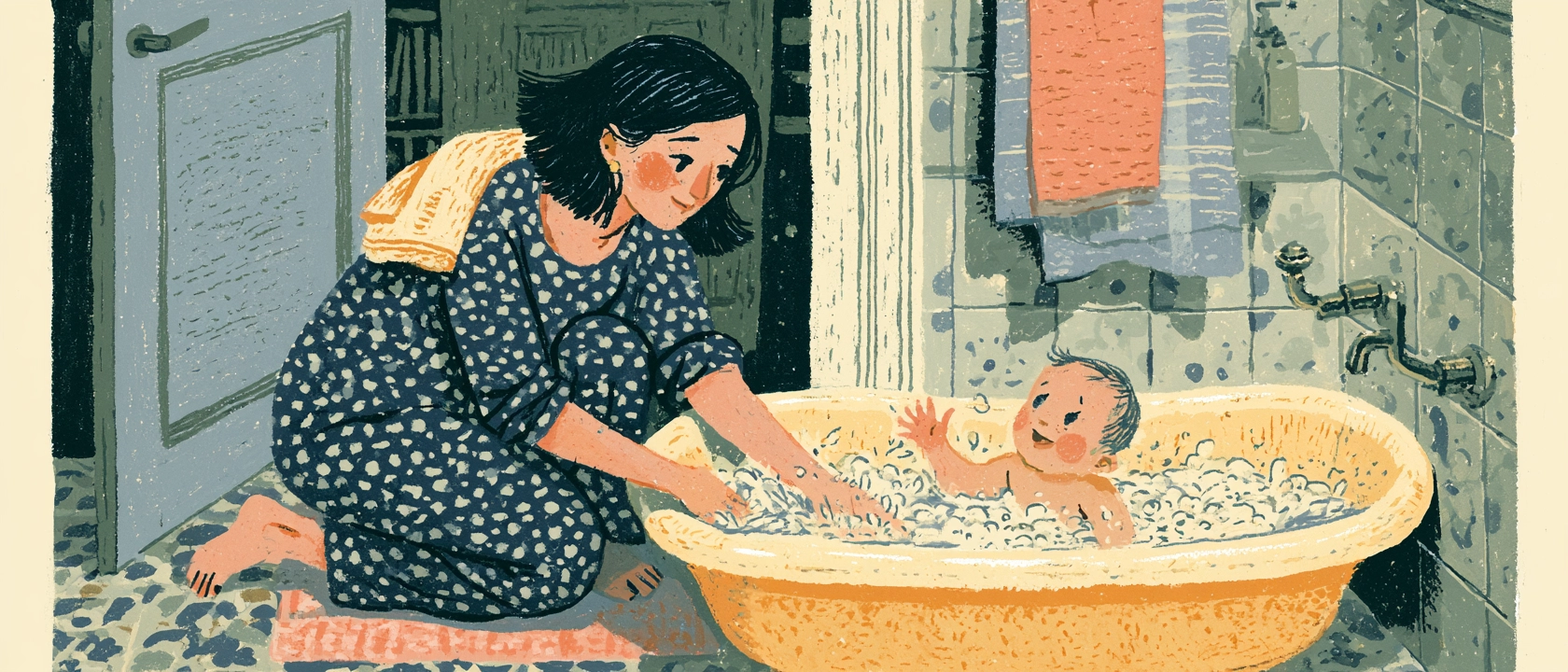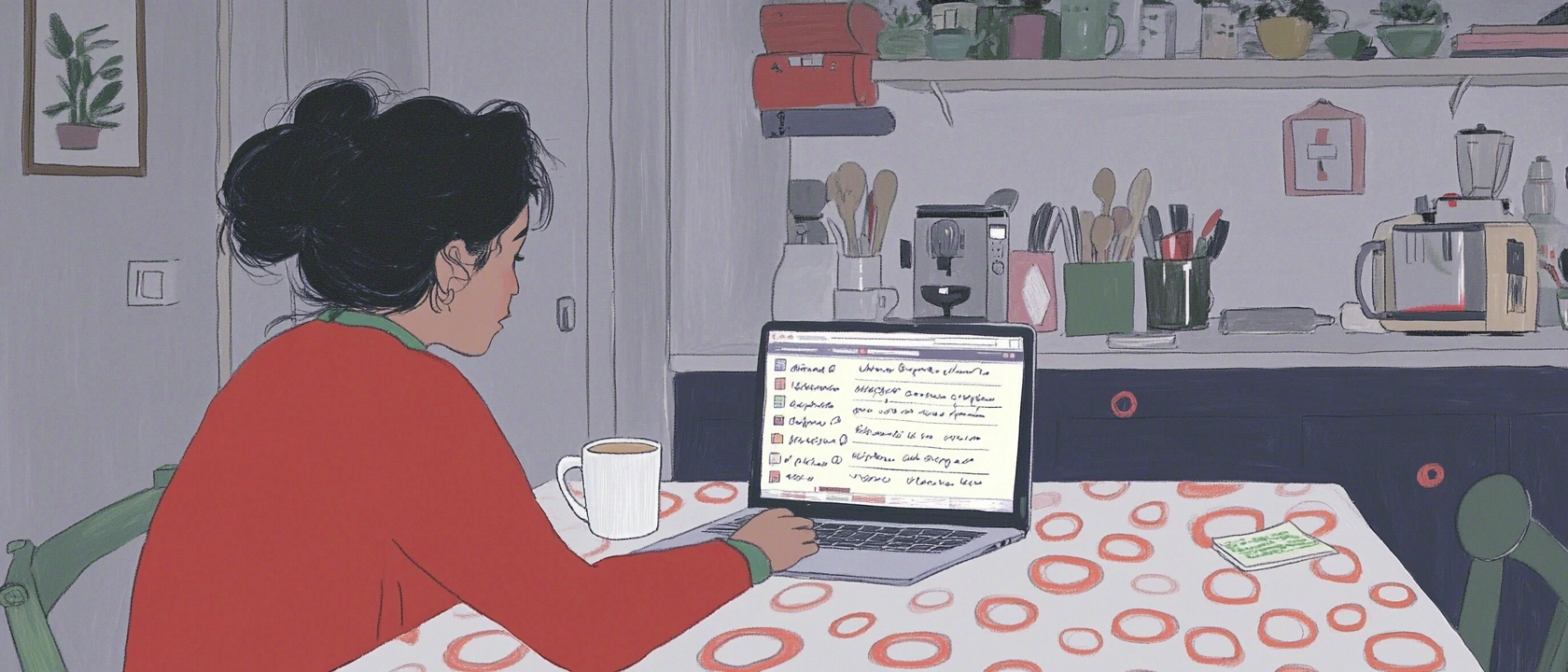
Her intrusive thoughts arrive in Spanish.
They always have. She grew up in a Spanish-speaking home in Dallas, works all day in English, and at 11pm the question that loops is the one her obsessive-compulsive disorder (OCD) asks in her first language: ¿y si algo malo pasa por mi culpa? When she finally searched for help, every OCD therapist she found worked in English only.
So she translated her own fear into a second language, week after week, and wondered why therapy felt like describing someone else's life. If that sounds familiar, this post is for you. OCD treatment in Spanish exists in the Plano area, and the language it happens in matters more than most people realize.
Yes. Specialized OCD treatment, including exposure and response prevention (ERP), can be delivered entirely in Spanish. At Layers Counseling Specialists in Plano, Texas, bilingual therapy is available for OCD and anxiety, so Spanish-speaking clients and families across the DFW area can do the real work of treatment in the language their symptoms live in.
That last part deserves explaining, because it changes how you should search for help.
Think about watching a movie with subtitles. You follow the plot fine. But the joke arrives a beat late, and the moment that should hit your chest reaches you slightly dimmed. A second language works like subtitles for emotion. The meaning gets through; the charge doesn't fully come with it.
For most kinds of conversation, that's a minor loss. For OCD treatment, it's a real problem, because ERP depends on contacting the fear directly. The exposure has to feel like something for your brain to learn from it.
In our work with bilingual clients, we see this constantly. A client can describe an obsession in English calmly, almost clinically. Ask them to say it the way it actually sounds in their head, in Spanish, and the anxiety shows up in the room within seconds. That anxiety is the raw material ERP needs.
The words the obsession uses are part of the obsession. Treatment should be able to meet them there.
OCD itself does not care what language you speak. The core pattern, obsessions that spike anxiety and compulsions that buy relief, looks the same everywhere. What culture shapes is everything around it.
The themes get shaped. In families where faith is central, OCD often attacks there: blasphemous intrusive thoughts, confession that never feels finished, praying rituals that must be restarted until they're "right." The disorder dresses itself in whatever you hold sacred.
The waiting gets longer. Many of our clients grew up hearing that struggles stay in the family. Eso no se cuenta. When mental health carries stigma, compulsions that happen invisibly, mental review, silent counting, internal praying, stay hidden for years. Nobody looks sick, so nobody gets help.
The family gets recruited. OCD pulls loved ones into its rituals in any culture. In close, multigenerational households, there are simply more hands to recruit: the grandmother who re-washes what was already clean, the sister who answers the same reassurance question nightly.
None of this means OCD is a different disorder in Latino communities. It means the road to treatment has extra obstacles on it. July, National Minority Mental Health Awareness Month, exists partly to name those obstacles out loud.
Here's the part that surprises people.
Some bilingual clients prefer therapy in English precisely because it feels more manageable. The scary thoughts sound less scary in translation. The shame stays smaller. Sessions feel calmer.
For talk therapy, that comfort might be neutral. For ERP, comfort at the wrong moment is a leak in the treatment. An exposure that doesn't activate the fear teaches your brain very little, and a fear rehearsed only in translation stays untouched at home, where it speaks Spanish.
If your OCD speaks Spanish, an exposure done in English is practice at arm's length from the real fear.
The goal of good bilingual treatment is flexibility on purpose. Psychoeducation might happen in English. The exposure script gets written in the exact words, in the exact language, your obsession uses. Then you practice with the fear itself instead of its subtitle.
Untreated OCD compounds. That's true for everyone, and the language barrier adds years.
The pattern we see: symptoms start in adolescence, get labeled as personality ("she's just very devota," "he's just particular"), and by the time someone searches for help in their 30s, the compulsions have organized whole routines around themselves. Add a search that turns up only English-speaking providers, and many people close the laptop and decide therapy isn't for people like them.
Meanwhile the accommodation deepens at home, work narrows around the rituals, and depression often settles in beside the OCD. The cost of waiting is measured in years of a smaller life. It is also completely reversible with treatment.
Two of us at Layers treat OCD in Spanish. Isaac Rosas, LMSW provides therapy in English and Spanish, with training in intensive ERP for OCD and anxiety. I provide OCD treatment in Spanish as well, as an International OCD Foundation (IOCDF) registered ERP therapist. Sessions can run fully in Spanish, fully in English, or move between the two the way real bilingual households do. Exposure scripts get built in the language the obsession uses. Family members who speak only Spanish can be part of treatment instead of waiting outside it.
That work sits inside a larger team: our practice treats OCD across children, teens, and adults, at multiple fee levels, with several evidence-based approaches under one roof.
What actually matters when you're choosing: find someone trained in ERP specifically, and find someone who can meet the fear in its own words. In the DFW area, that combination is rarer than it should be. It's the exact gap we built for.
Yes. Two clinicians at our Plano office provide OCD treatment in Spanish: Isaac Rosas, LMSW, a bilingual therapist trained in intensive ERP, and Karla Pineda, LPC, an IOCDF-registered ERP therapist. Sessions can be conducted entirely in Spanish, and Spanish-speaking family members can participate in treatment planning and family sessions.
Yes. ERP is about the structure of treatment, gradual exposure plus response prevention, and that structure works in any language. In our experience it often works better in the client's first language, because exposures make contact with the fear as it actually sounds rather than a translated version of it.
That's exactly the situation bilingual care is for. OCD treatment goes better when the family understands the plan, since family members are often pulled into rituals without realizing it. When everyone can participate in their own language, accommodation gets addressed instead of continuing unseen at home.
Look for two things together: Spanish fluency and specific OCD training, especially ERP. Directories let you filter by language but rarely by real OCD expertise, so ask directly: "¿Tiene entrenamiento en prevención de exposición y respuesta?" A general bilingual therapist without ERP training may unintentionally treat OCD with reassurance, which feeds it.
It's worth a call if any of this is true:
The woman from the beginning of this post did eventually sit across from a therapist and say the thought out loud, in Spanish, in the words it actually uses. The thought didn't change. What changed is that treatment could finally reach it.
Our OCD therapy in Plano is available in English and Spanish, and Layers Counseling Specialists serves families across the DFW area, from Plano to Richardson, Carrollton, and beyond. You can request an appointment with our team in whichever language feels like yours. Aquí sí se cuenta.
By Karla Pineda, LPC
Last reviewed: July 2026
This article is for educational purposes and is not a substitute for professional medical advice. If you or someone you know is in crisis, call or text 988 (Suicide & Crisis Lifeline) or text HOME to 741741.
Our Plano therapists specialize in OCD, anxiety, ADHD, autism, ARFID and trauma, in person or online anywhere in Texas. Every clinician starts with a free 15-minute consultation, so you can see whether it feels like a fit before you commit.
ocd
OCD
ocd