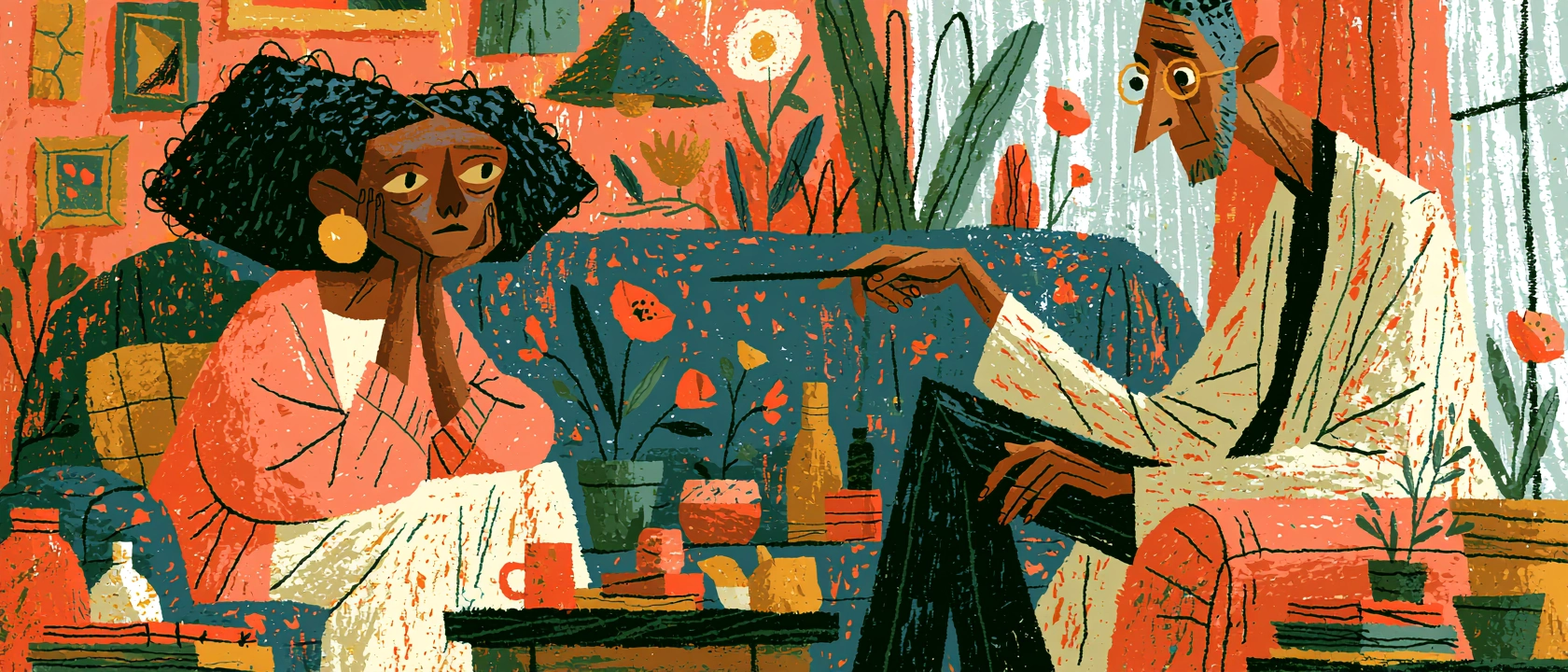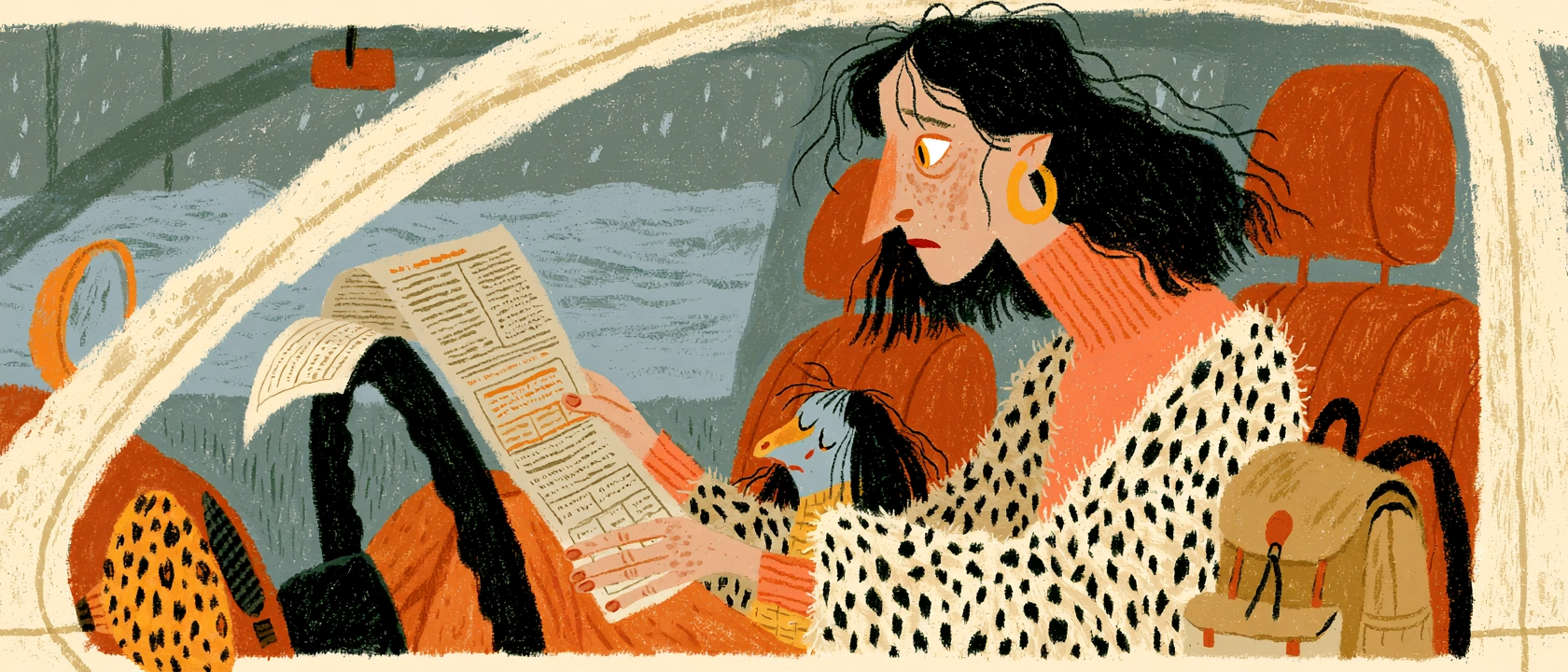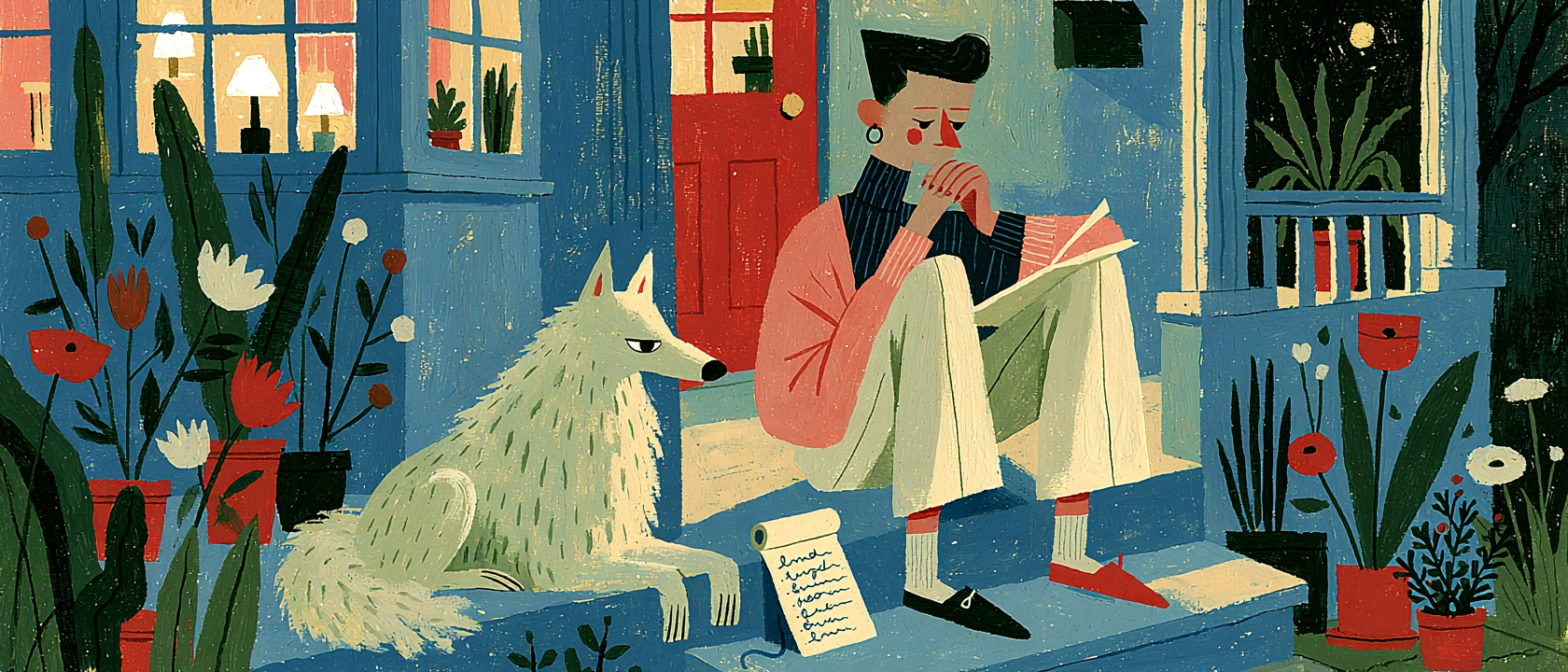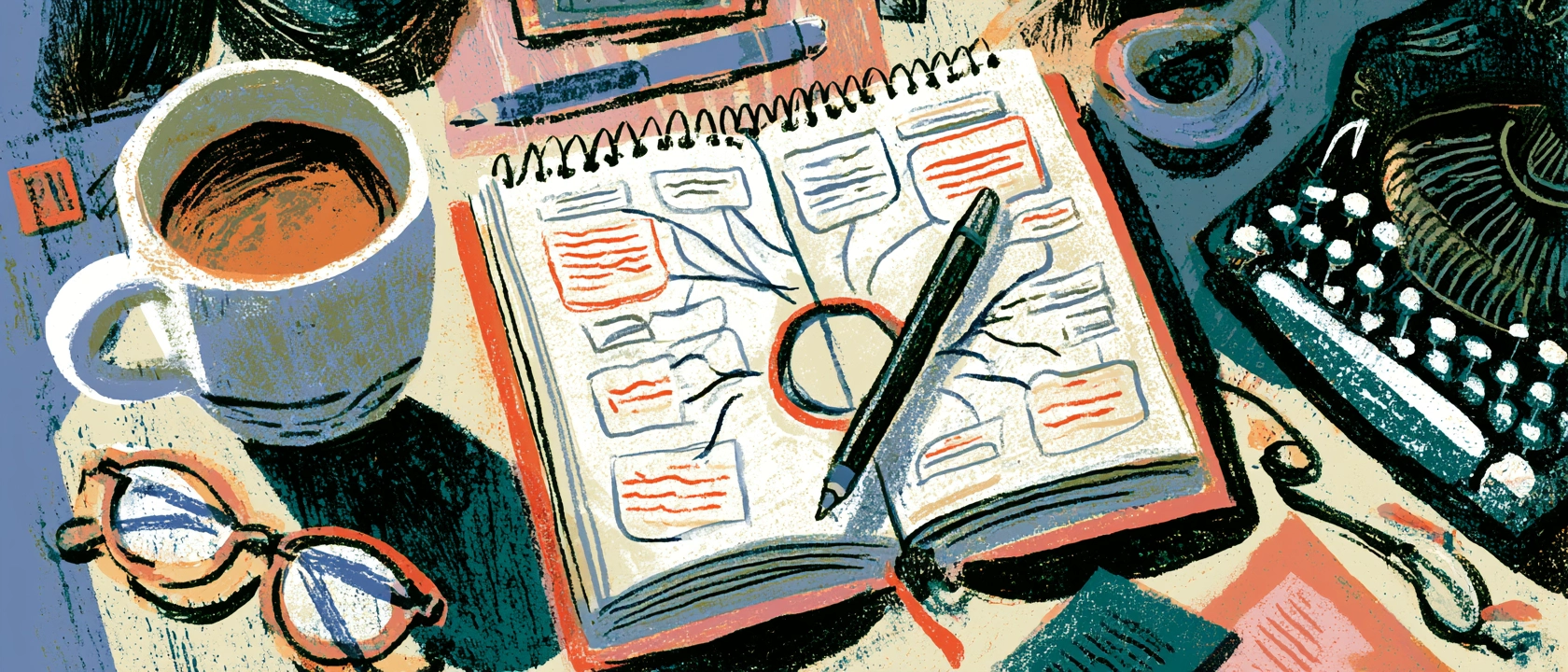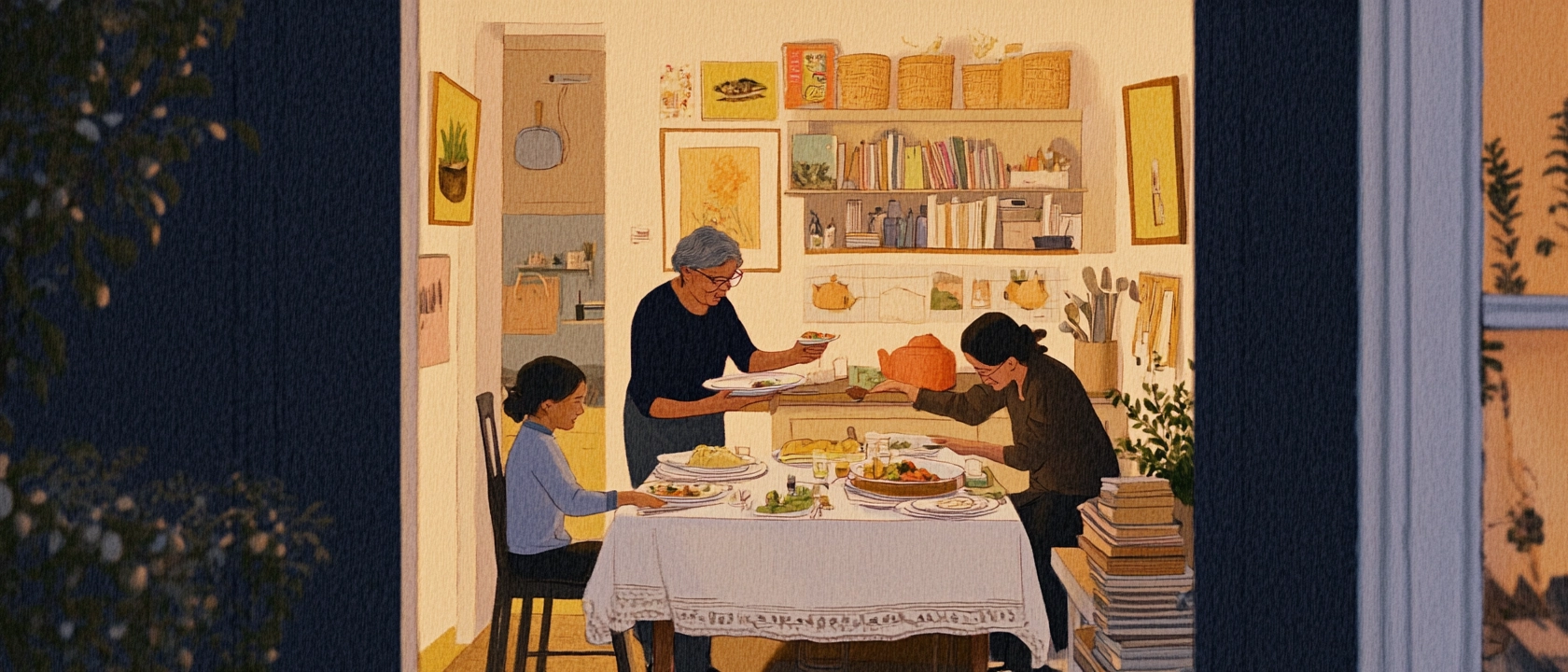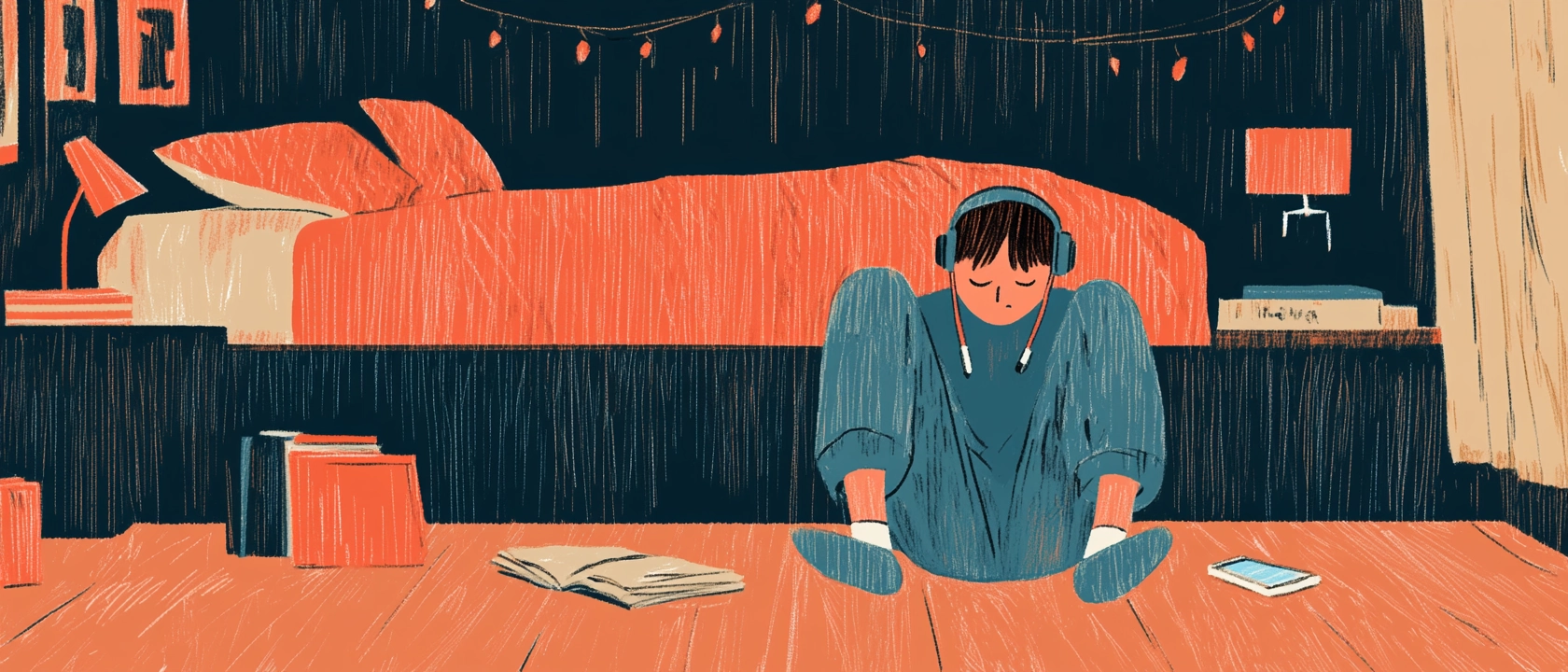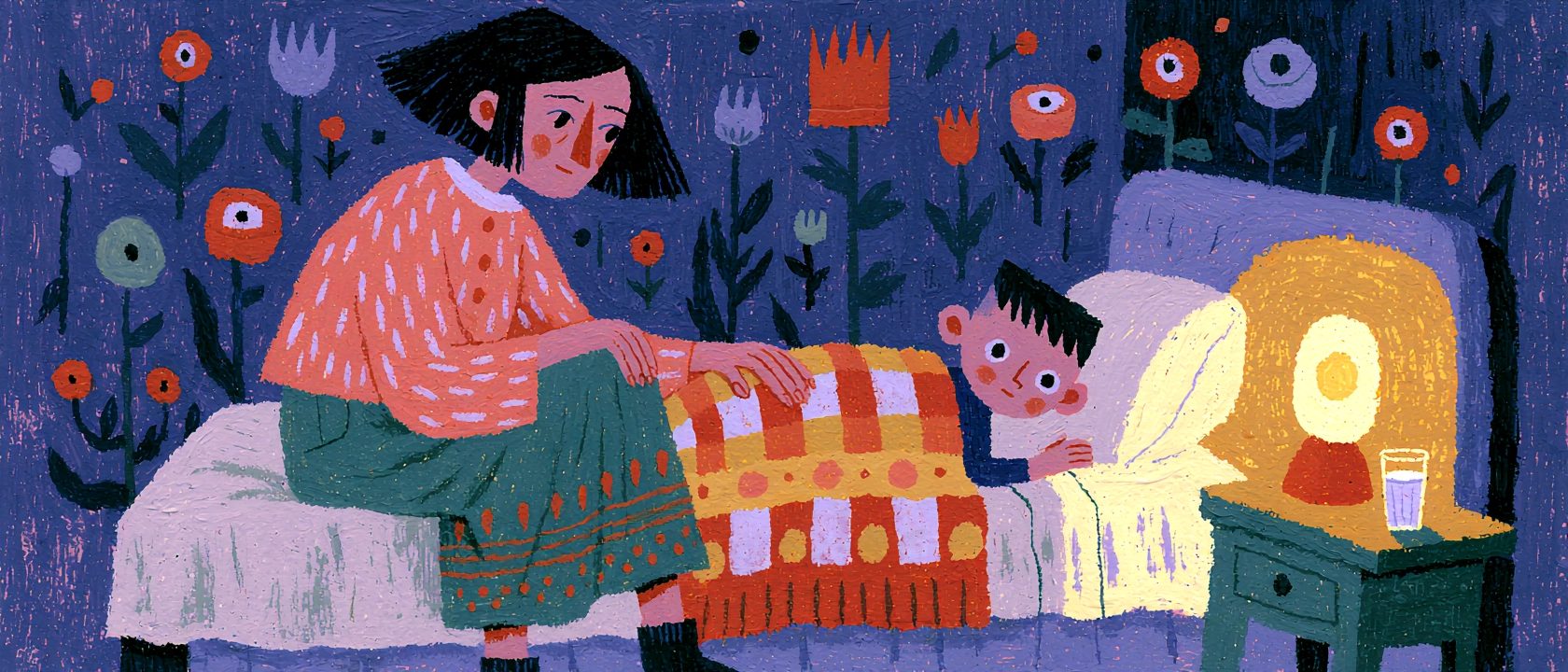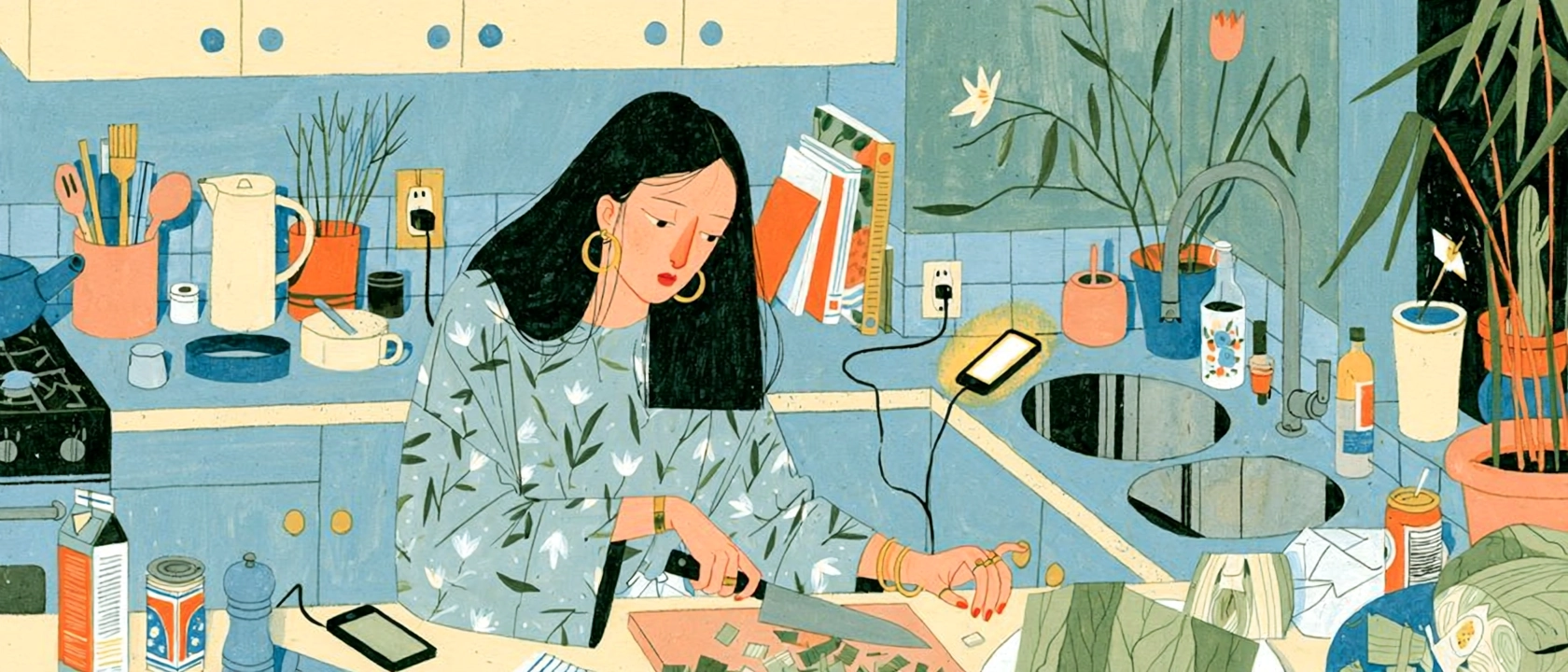
You're chopping onions and your daughter walks into the kitchen. A thought flashes: what if I hurt her with this knife?
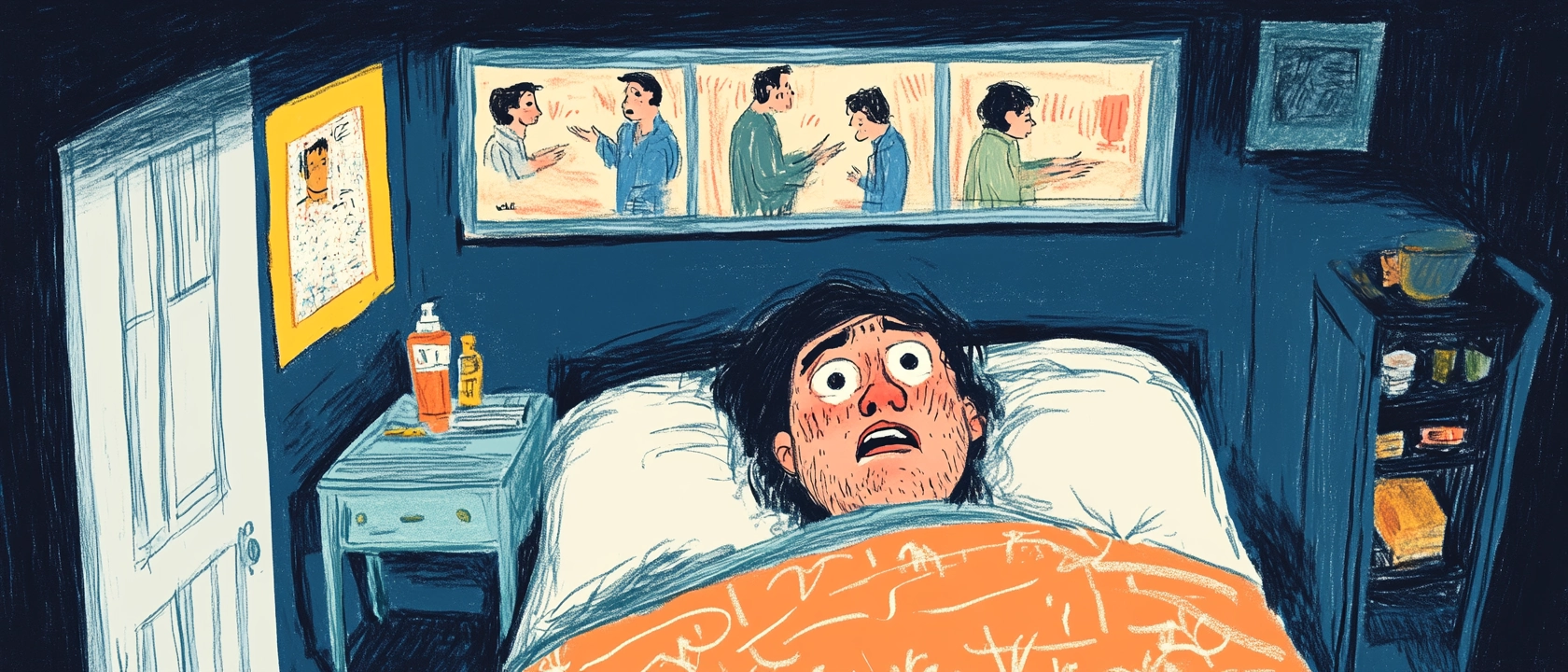
Your stomach drops. You put the knife down. You leave the room. And for the rest of the night, one question loops: what kind of person thinks that?
There's a name for this. It's called harm OCD, and it's one of the most treatable — and most misunderstood — forms of obsessive-compulsive disorder. It is not a warning sign. It is not a hidden desire. And you are far from alone.
Harm OCD is a subtype of obsessive-compulsive disorder marked by unwanted, intrusive thoughts or images about hurting yourself or someone else. The thoughts feel shocking precisely because they contradict your values — which is why they trigger fear and shame rather than intent. Research from the International OCD Foundation confirms these thoughts do not predict violence.
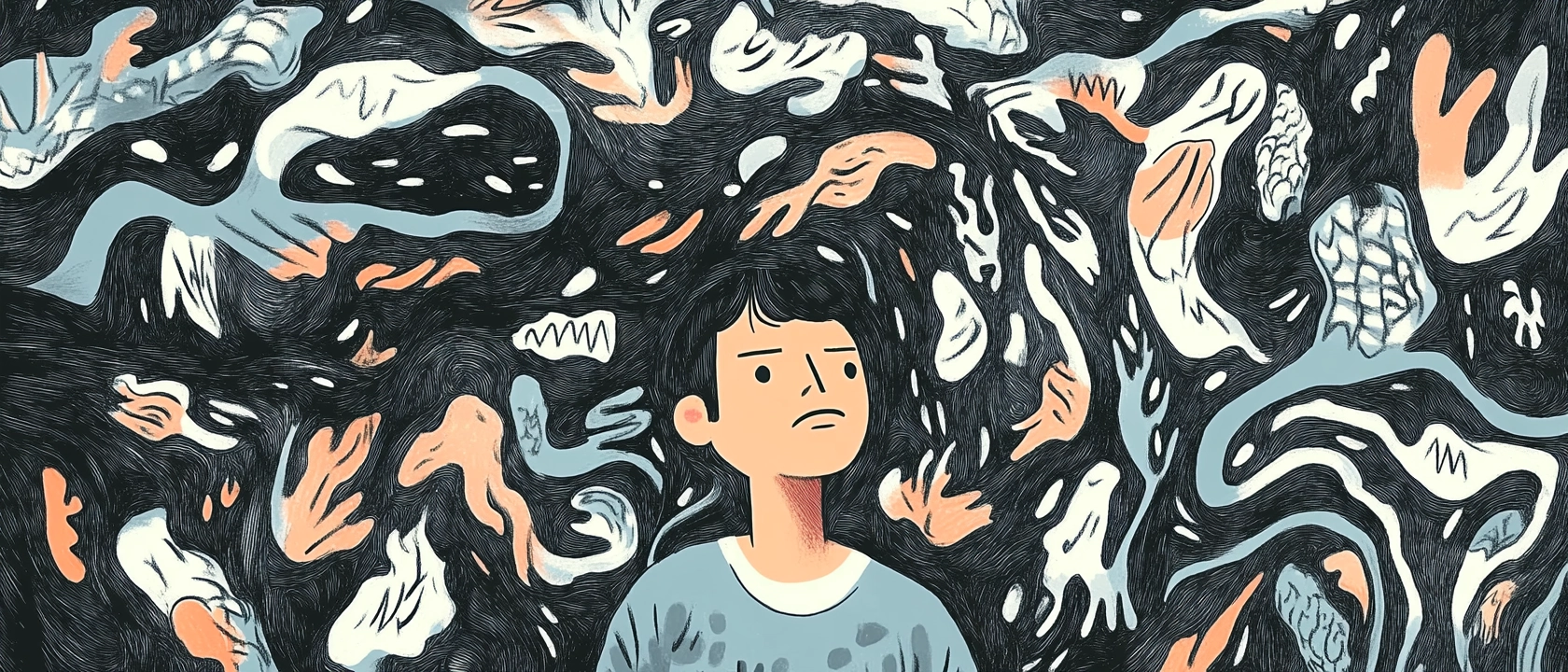
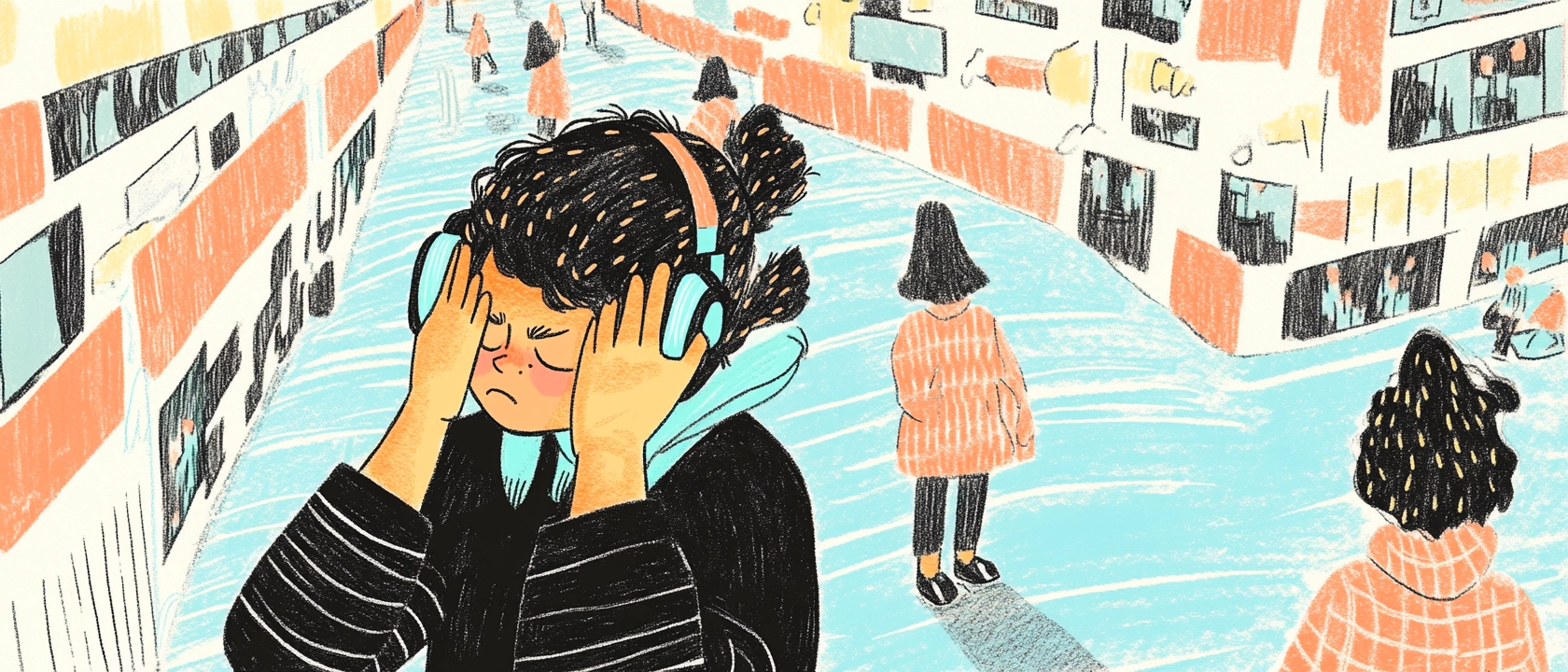
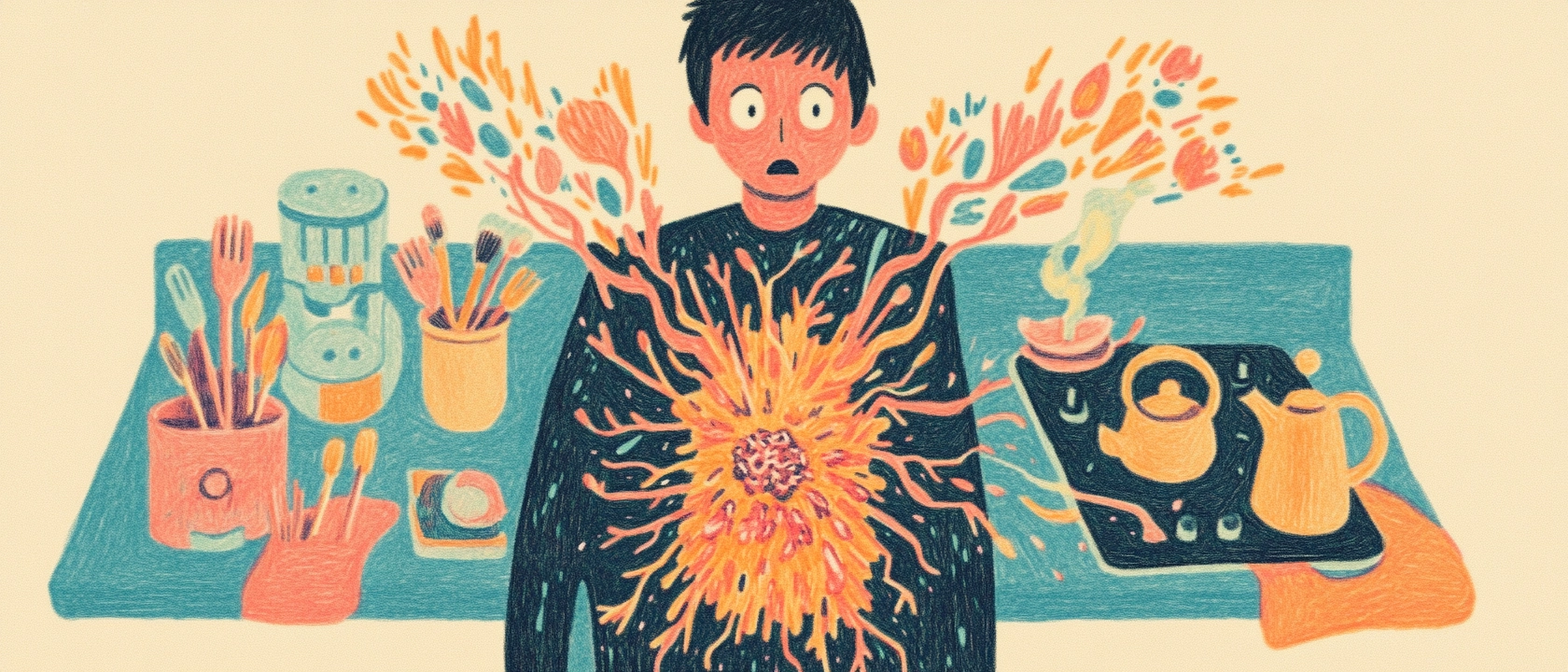
Here's what most people don't realize: your brain is a spam generator. Every brain, all day, produces random junk — weird images, dark hypotheticals, thoughts you'd never claim as your own. Studies cited by the ADAA suggest the vast majority of people experience unwanted violent thoughts at some point.
Most brains glance at the spam and delete it.
Harm OCD is an inbox that flags the junk as urgent. Sender: you. Subject line: this might be who you really are. And once that flag goes up, the thought stops being disposable. It becomes evidence in a case your mind won't stop building. Many of the ways people respond to that case are mental compulsions you can't see from the outside — which is why harm OCD so often stays hidden.
The obsessions vary. The pattern doesn't.
The compulsions are where life starts shrinking. One father I worked with had moved every knife in the house to a locked toolbox in the garage, one at a time, over three weeks. His wife thought he'd reorganized the kitchen. He was months into a private system of avoidance before anyone knew.
Common compulsions include:
Each of these buys a few minutes of relief. Then the inbox refreshes.
OCD attaches to whatever you care about most. That's not poetry — it's the mechanism.
A violent thought only becomes an obsession if it horrifies you. The gentle father gets thoughts about hurting his kids. The devoted partner gets images of pushing their spouse down the stairs. The person who values life above everything gets thoughts about ending their own.
The content of your obsession is a map of your values, inverted.
The real culprit here has a name: the belief that thinking something means wanting it. Psychologists call it thought-action fusion. It's a con. It tells you a thought is a preview of behavior, when decades of clinical evidence say otherwise — thoughts are mental noise, and meaning comes from what you do with them, not from their content.
That con is what turns a two-second flicker into a life sentence. And it's the exact belief treatment goes after.
No. And the reason is worth sitting with, because it's the opposite of what your OCD tells you.
Clinicians distinguish harm OCD from genuine violent intent by how the thoughts are experienced, not by their content. In harm OCD, the thoughts are ego-dystonic — they clash violently with who you are, which is why they produce panic and shame. Genuine intent doesn't work that way. It comes with some pull toward the idea, not revulsion from it.
The horror you feel is the evidence. People who intend harm aren't terrified by the thought of it.
In our work with clients at Layers, this is often the turning point: realizing that the intensity of your fear, the thing that's been torturing you, is exactly what a careful clinician reads as a sign of safety. Your alarm system still works. It's just aimed at spam.
The thoughts don't usually escalate into action. What escalates is the avoidance.
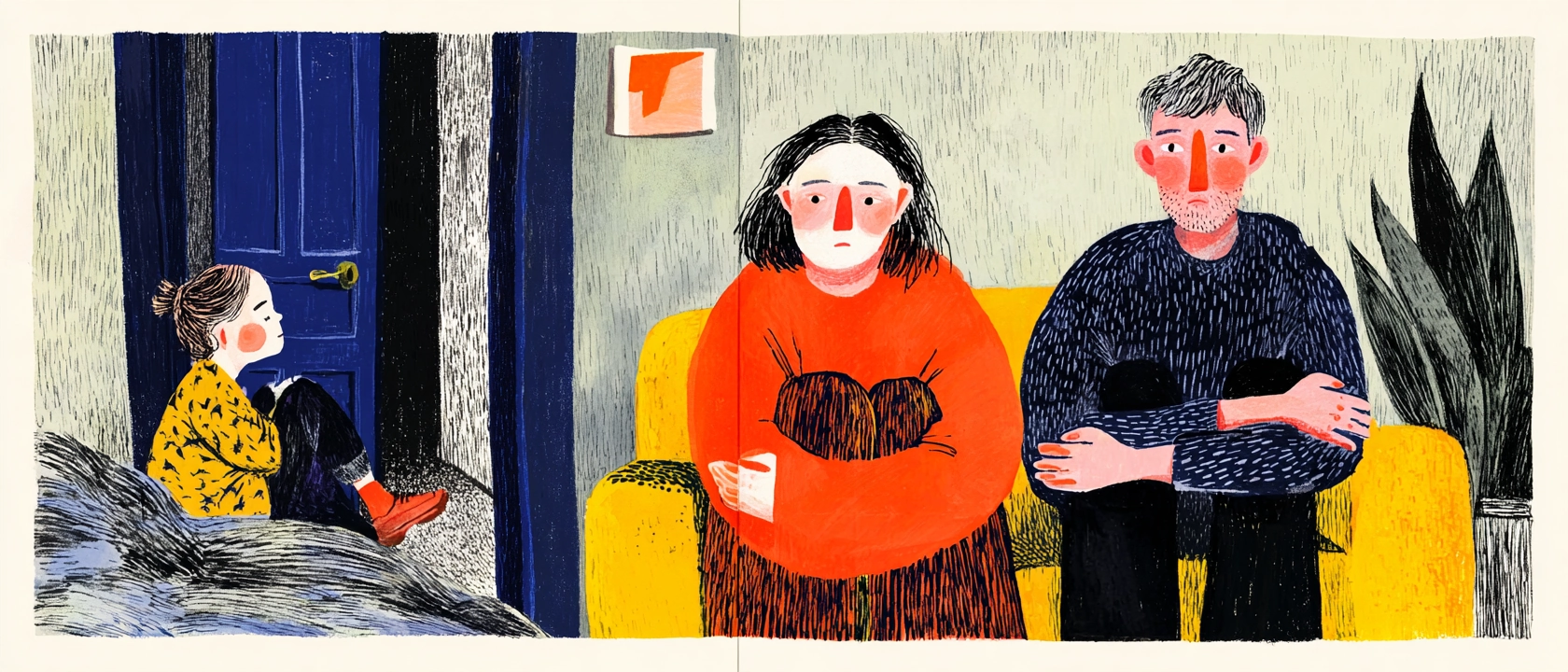
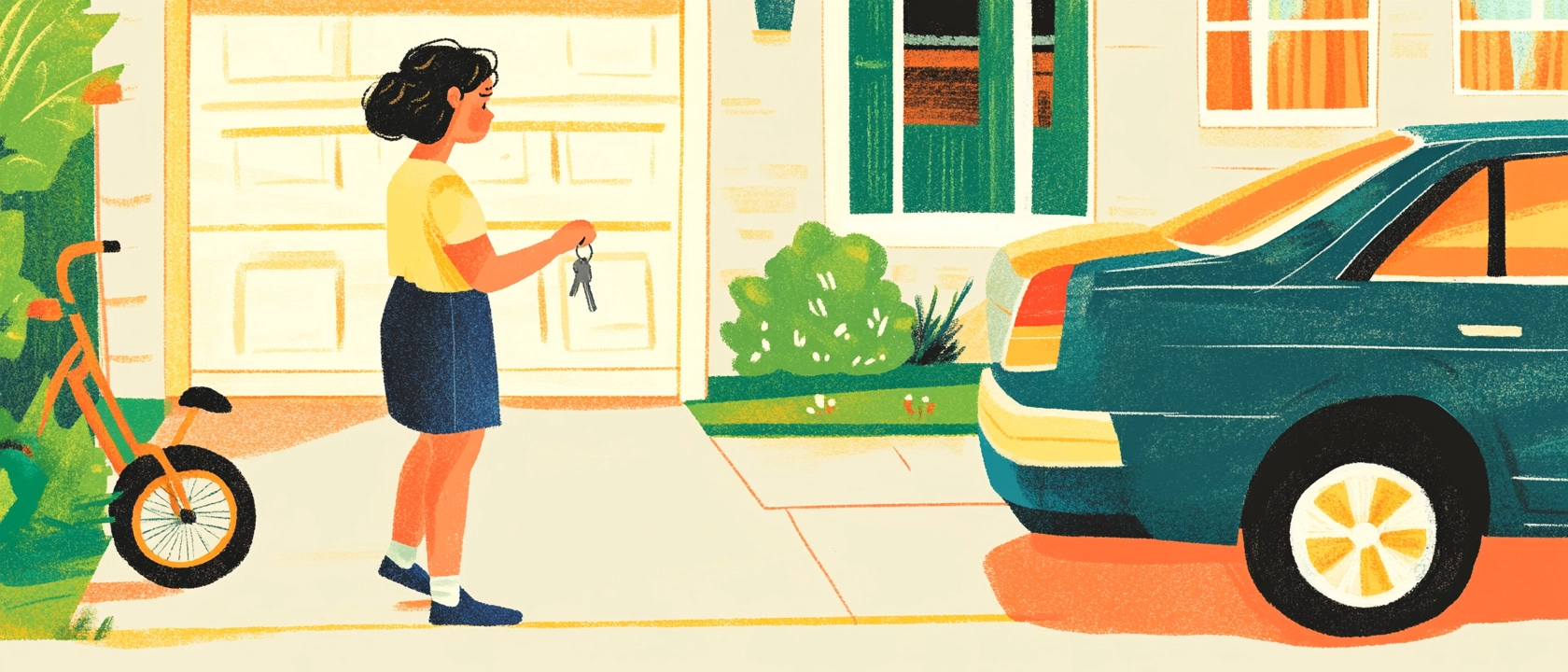
People stop cooking. Stop driving. Stop babysitting their grandkids, holding their newborns, keeping medication in the house. Careers narrow. Marriages strain under secrets a partner can't decode. And because the fear of confessing the thoughts feels as dangerous as the thoughts themselves, many people suffer for years before telling anyone — often longer than with any other OCD subtype.
Depression frequently moves into the space the avoidance clears out. The disorder doesn't make you dangerous. Left alone, it makes you smaller.
Exposure and response prevention, or ERP, is the gold-standard treatment for harm OCD, backed by the IOCDF and decades of research. As an IOCDF-registered ERP therapist, I'll tell you what ERP is not: it is not proving the thoughts are false, and it is not being talked out of them.
ERP teaches your brain to reclassify the spam. You practice letting the thought sit in the inbox — unopened, unanswered, unflagged — while doing the things that matter to you. Holding the knife. Driving the route. Staying in the room. Over weeks, your nervous system learns what your logic already suspected: the alarm was never about real danger.
One warning worth naming: traditional talk therapy that digs for the "hidden meaning" of violent thoughts tends to make harm OCD worse, according to the IOCDF. The thoughts don't have a hidden meaning. Treating them as if they do feeds the con.
At Layers, our team treats OCD across ages, in English and Spanish, and across multiple evidence-based modalities — so treatment can fit the person, not the other way around.
An OCD-trained clinician recognizes harm OCD immediately and knows these thoughts are not threats. Misunderstanding by providers unfamiliar with OCD is a real fear — and a real reason to seek someone with specific OCD training. Describing intrusive thoughts you're horrified by is not a reportable event; it's a textbook presentation.
It tends to wax and wane, but the underlying pattern rarely resolves without treatment. The compulsions that bring short-term relief are the same behaviors that keep the cycle alive. With ERP, most people see meaningful reduction in symptoms, per IOCDF treatment guidance.
Common triggers include knives and sharp objects, driving, heights, being alone with children, and news stories about violence. Stress, sleep loss, and major life transitions — including the postpartum period — can intensify symptoms.
No. In harm OCD, thoughts of self-harm are unwanted and frightening — you fear them precisely because you don't want to die. Suicidal ideation involves some degree of wish or intent. If you're unsure which you're experiencing, that uncertainty deserves professional support either way, and quickly.
It's time to talk to someone if:
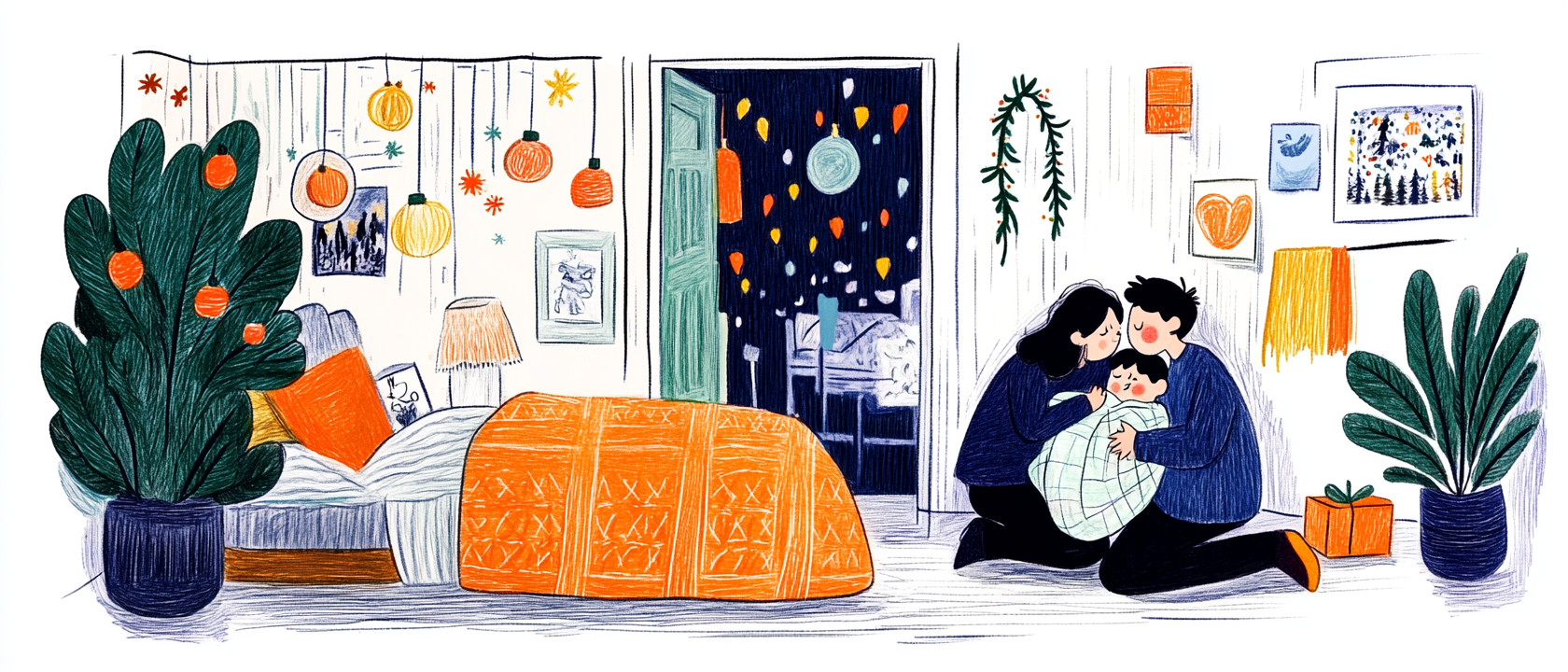
Remember the father with the toolbox? The knives are back in the block. The thoughts didn't vanish — they went back to being spam. He reads the subject line, doesn't open it, and keeps chopping the onions.
He didn't become fearless. He got his kitchen back.
If you or someone you love is in crisis:
If harm OCD sounds like what you've been living with, our approach to OCD therapy in Plano was built for exactly this. Layers Counseling Specialists is based in Plano, Texas, serving families across the DFW area. You can request an appointment with our team — and you can say the thoughts out loud. We've heard them before.
By Karla Pineda, LPC
Last reviewed: July 2026
This article is for educational purposes and is not a substitute for professional medical advice. If you or someone you know is in crisis, call or text 988 (Suicide & Crisis Lifeline) or text HOME to 741741.