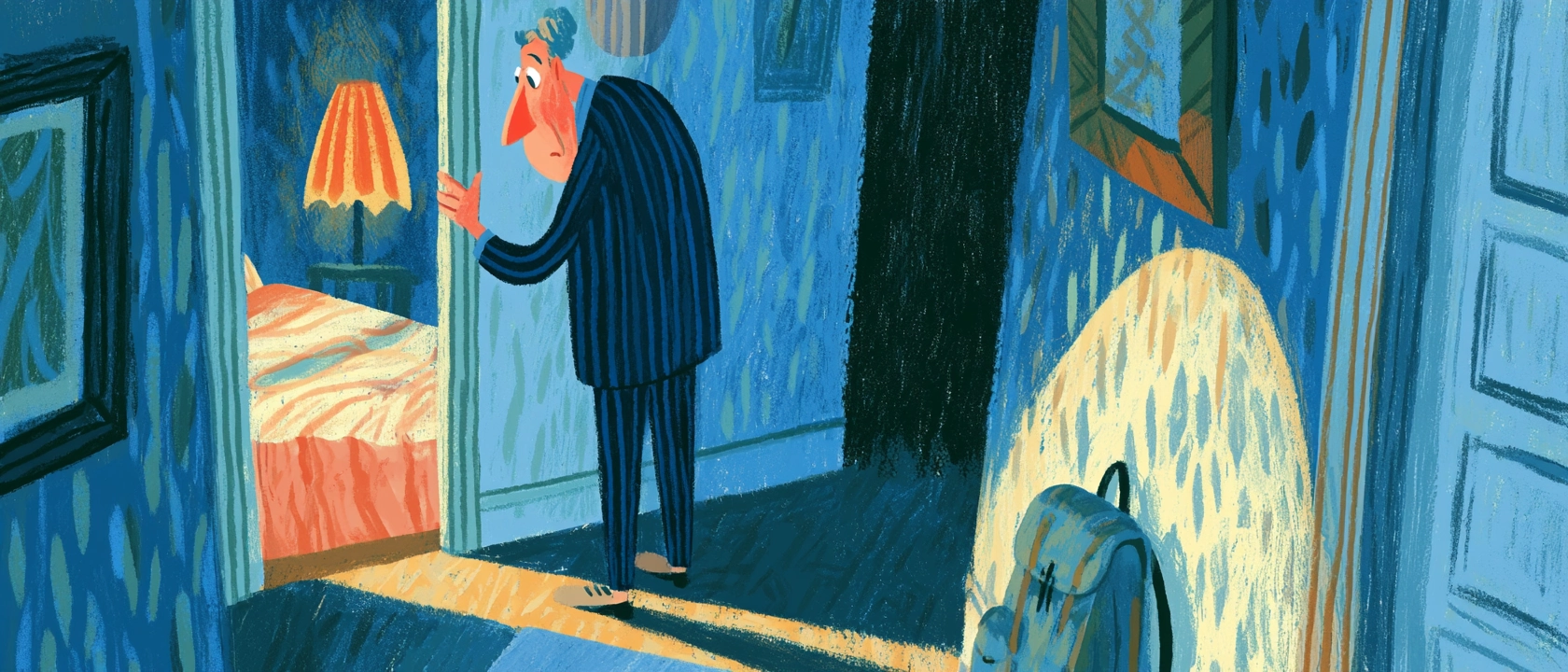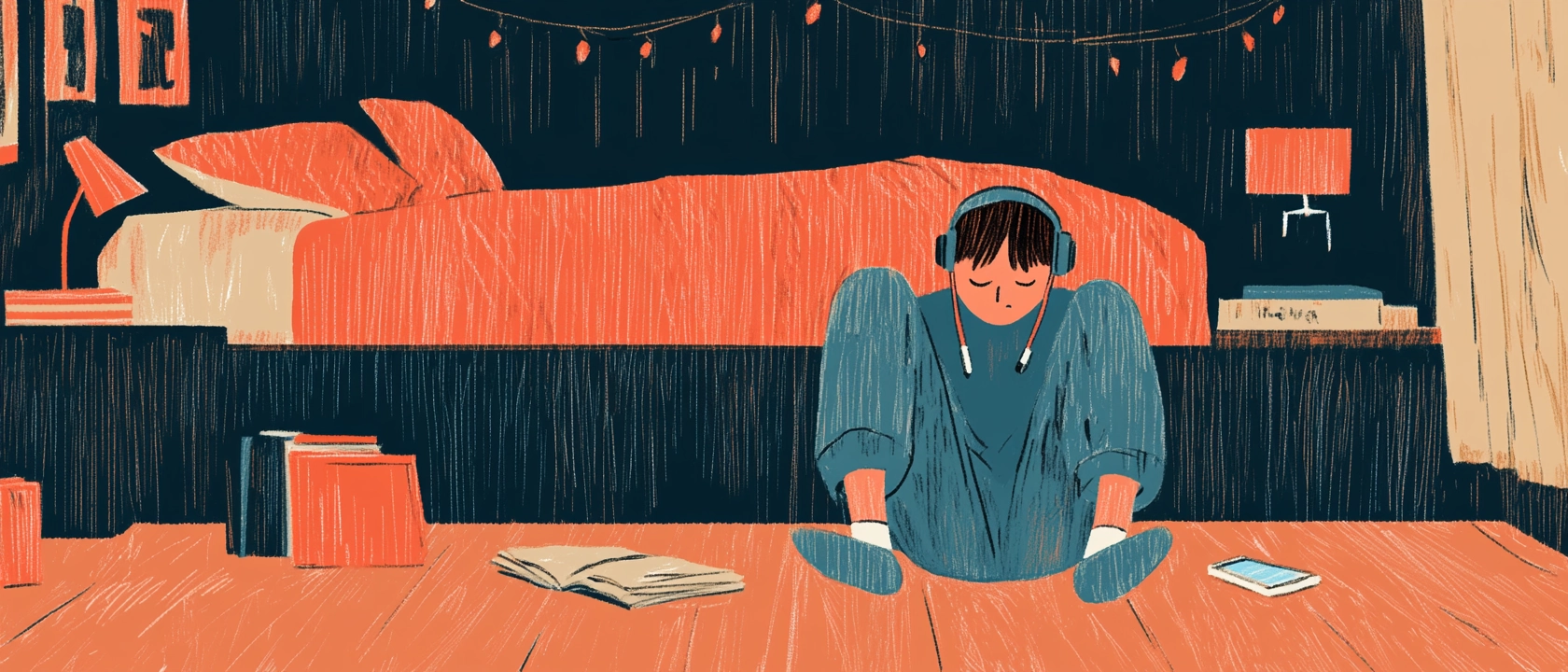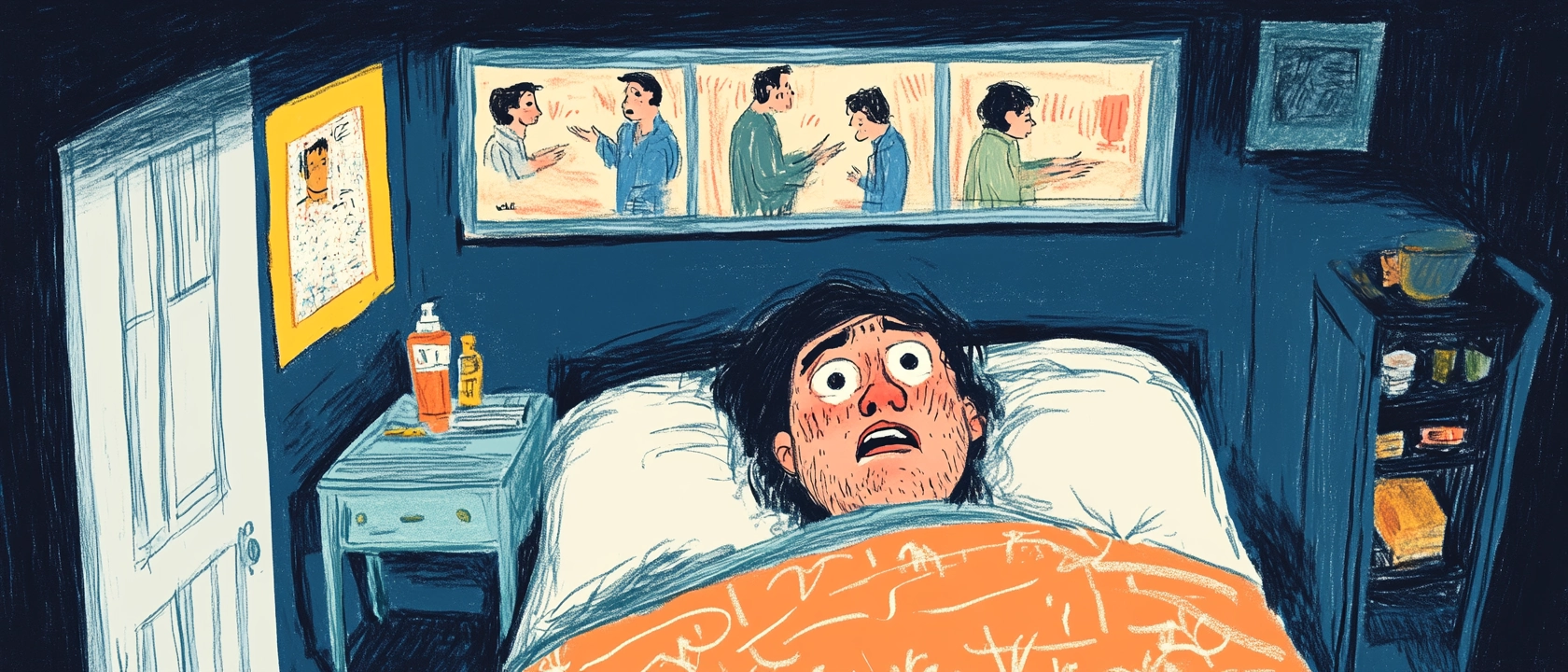
Your kid used to be funny. Now they shrug at everything.
The shower's running for forty minutes. Homework sits open and untouched. You ask one question and get an eye roll that feels personal. Friends stopped coming over. The pediatrician says it's "just teenage stuff," and something about that answer doesn't sit right with you.
You're probably not wrong.
Trauma in teenagers shows up in the body before it shows up in words. It looks like chronic stomachaches, exhaustion that doesn't lift, shutdown after small stressors, and what most adults read as attitude. The nervous system has shifted into a protective mode called dorsal vagal shutdown, and the teenager often can't explain or control it.
Here's what we miss. When a teenager has experienced something their nervous system couldn't fully process, whether a loss, a bad relationship, a frightening event, ongoing chronic stress, bullying, an assault, or household instability, their body learns to protect them by going offline.
That happens at the level of autonomic biology, not metaphor.
The vagus nerve, which runs from brainstem to gut, has a freeze pathway that activates when fight-or-flight isn't an option. According to the National Center for PTSD, teen trauma responses often involve withdrawal, numbness, and physical symptoms that look unrelated to anything specific.
What that looks like in your living room:
The body remembers what the conscious mind has filed away.
Trauma frequently expresses itself physically in adolescents. Research published in the National Library of Medicine on adolescents exposed to traumatic experiences found significant rates of somatic symptoms across body systems, including gastrointestinal, neurological, and musculoskeletal, even in teens who didn't meet full PTSD criteria.
The pattern most parents miss:
Chronic stomach issues with no medical cause. Multiple pediatrician visits. Maybe a GI workup. Everything comes back clean. The pain is real. The source is the nervous system rather than the gut.
Headaches that have a pattern. Sunday nights. Right before a specific class. The morning after a fight at home. The body is tracking something the teen hasn't named.
Sleep that's broken in a specific way. They fall asleep fine. Then they wake at 3am wired, or sleep ten hours and wake exhausted. The nervous system can't drop into deep rest while it's still scanning for threat.
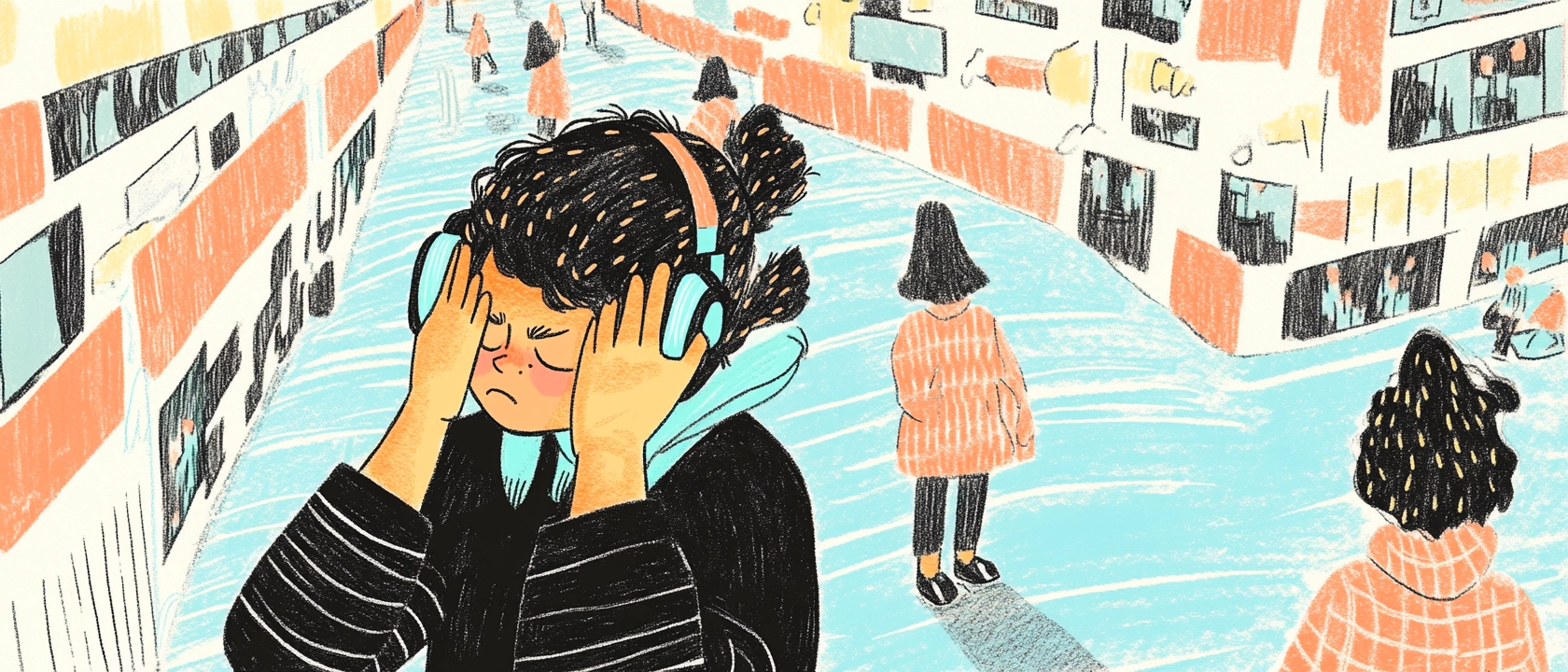
Startle responses out of proportion. Door slams. A hand on their shoulder. A loud voice. Their body jumps before their face does.
The flat affect. Sometimes this is depression. Sometimes it's hypoarousal, a shutdown state where the nervous system has lowered its volume on everything, including connection.
This is the part that breaks parents' hearts when they finally understand it.
When a teenager's nervous system is in dorsal vagal shutdown, the parts of the brain that handle language, planning, and social engagement have literally taken less blood flow. They're conserving energy. They can't reach the words to explain what's wrong because the language part of their brain has gone partly offline.
What looks like teen attitude — the eye-rolling, the shutdown, the "whatever" — is often a nervous system in freeze. Punishing it pushes the kid deeper.
So when you ask "What's wrong with you?" and they say "Nothing," they may not be lying. They may not have access to it.
And when you escalate, whether by yelling, taking the phone, or grounding, their nervous system reads it as more threat. Shutdown deepens. They stare at the floor. They don't fight back. Parents read this as defiance and turn the heat up further.
What actually happens in the body during that exchange: heart rate drops, facial expression flattens, voice gets quieter, body slumps. These are dorsal vagal shutdown signs. Your teen is not choosing them, and not choosing them to hurt you.
Most parents wait too long to consider trauma because they don't think anything "bad enough" has happened.
Trauma gets measured by how a specific nervous system, at a specific developmental moment, processed an overwhelming experience. Event severity is a poor guide. The American Academy of Child and Adolescent Psychiatry includes among potential trauma triggers: serious accidents, exposure to violence in home or community, the death of a loved one, divorce, illness, bullying, and assault.
Some experiences that often qualify but get dismissed:
The body decides what's traumatic. It doesn't take votes from adults about whether something should have been a big deal.
The hard truth, said with care: untreated adolescent trauma rarely stays where it is.
What we see most often when teens don't receive trauma-informed care is that the somatic symptoms become chronic. Sleep dysregulation entrenches. Academic performance erodes, because the prefrontal cortex struggles to focus while the body is scanning for threat. Substance use often emerges as self-medication. Relationships narrow.
The teen may also begin to identify with the trauma response itself. "I'm just a moody person" is how a symptom becomes a personality.
Adolescent trauma that isn't addressed often reappears in early adulthood as anxiety disorders, depression, chronic pain, autoimmune-pattern symptoms, or relationship patterns that mirror the original wound. The body keeps the score until something helps it write a new one.
Treatment for adolescent trauma in our trauma therapy practice in Plano, Texas doesn't start with talking about what happened. That matters, because most parents and many teens assume therapy means immediately rehashing the worst thing.
It starts with the nervous system.
The first phase of trauma work is teaching the body that it's safe enough now to come out of shutdown. That means somatic awareness, simple regulation skills, and tools the teen can actually use when the freeze hits. Therapies like Brainspotting and EMDR work directly with the body's stored response rather than only the cognitive narrative.
Once the nervous system has more capacity, we can begin processing what the teen actually went through. Sometimes that's TF-CBT, where the teen builds a coherent story of the event with support. Sometimes it's Brainspotting, which lets the body release what it's been holding without requiring the teen to fully verbalize it. Often it's a combination. If you're weighing the options, we've mapped the four families of trauma therapy and how to choose between them.
What changes when treatment works: the somatic symptoms loosen first. The stomachaches lighten. Sleep improves. Then connection comes back, in eye contact, real conversation, a laugh that sounds like the kid you remember.
Timelines vary with the trauma history. Most families notice nervous system shifts before they notice mood shifts, and meaningful symptom reduction generally takes several months of consistent work. Complex or repeated trauma takes longer. The trajectory is consistent: with the right approach, teens get better.
Trauma in teenagers often looks like withdrawal, irritability, shutting down, chronic physical symptoms such as stomachaches, headaches, and fatigue, sleep disruption, sudden academic decline, and changes in friendships or interests. Many parents mistake these signs for typical teenage behavior. Trauma symptoms tend to be more intense, longer-lasting, and clustered together across multiple areas of life.
Yes. Adolescent trauma frequently produces somatic symptoms including chronic stomach pain, headaches, muscle tension, fatigue, sleep disturbances, and unexplained physical complaints. These are real physical experiences caused by an autonomic nervous system stuck in protective states like fight, flight, or freeze. A pediatrician's workup may show no medical cause because the source is neurological.
Typical adolescent moodiness comes and goes, responds to connection, and doesn't usually involve physical symptoms or persistent withdrawal. Trauma symptoms are more intense, last longer than a few weeks, occur across multiple settings, and often include physical symptoms with no medical cause. If you've been worried for more than a month and your gut says something is off, that's worth a professional assessment.
No. Pressuring a teen to verbalize trauma before their nervous system is regulated often increases shutdown. The most helpful thing parents can do is stay present, stay non-reactive when shutdown happens, and seek a trauma-trained therapist. The therapist's job is to create the safety that lets the teen approach the experience at the right pace, which is rarely the parent's pace.
It depends on the trauma history. Most teens notice nervous system changes before they notice mood changes, and meaningful symptom reduction generally takes several months of consistent work. Complex trauma or multiple traumatic events typically take longer. Progress isn't linear, and consistency matters more than speed.
Don't wait if any of these apply:
If you or your teen is in crisis:
Layers Counseling Specialists offers trauma-informed therapy for adolescents across the DFW area, including Plano, Frisco, and families in Allen. Our approach combines somatic and evidence-based modalities, including TF-CBT and trauma-informed, nervous-system-aware care, calibrated to where your teen actually is in their nervous system rather than where a textbook says they should be. Isaac Rosas, LMSW leads much of our teen trauma work, bringing trauma-informed care in English and Spanish.
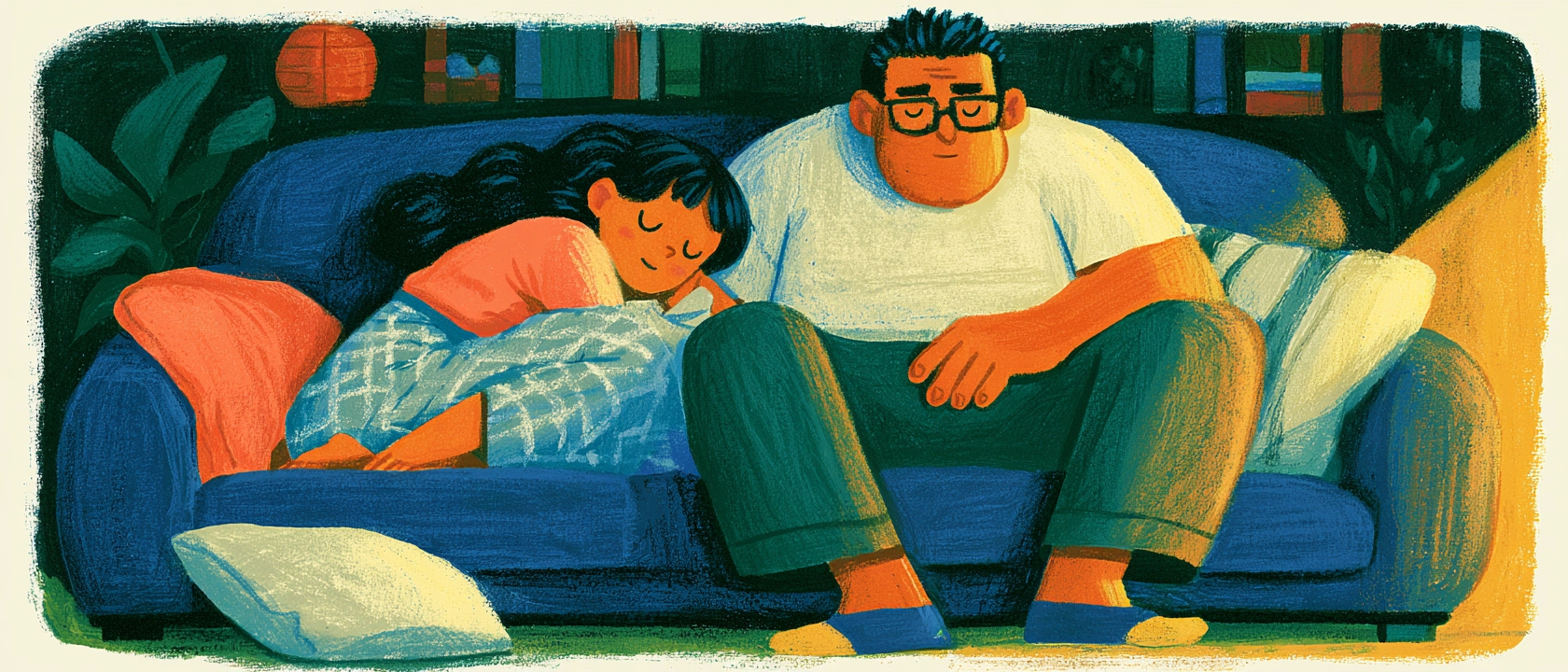
If your teen has been struggling and you're tired of being told it's just a phase, we'd be glad to talk with you about what's going on.
Written by Karla Pineda, LPC, Executive Director at Layers Counseling Specialists. Karla is an IOCDF-registered ERP therapist with training in Rumination-Focused ERP and in Advanced ART for trauma processing.
Last reviewed: August 2026
This article is for educational purposes and is not a substitute for professional mental health care. If you or someone you know is in crisis, call or text 988 (Suicide & Crisis Lifeline) or text HOME to 741741.