By Karla Pineda, LPC · Last reviewed: August 2026
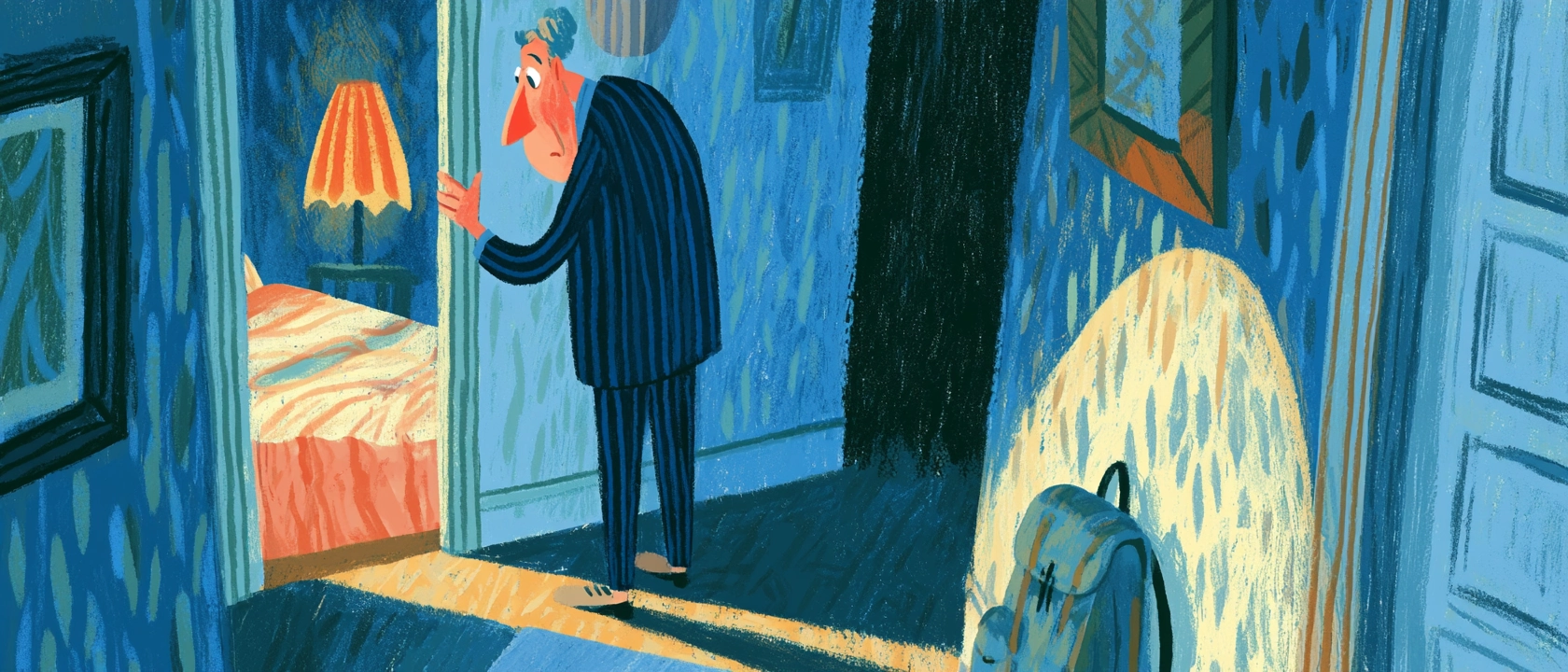
The Lego tower made it to four bricks.
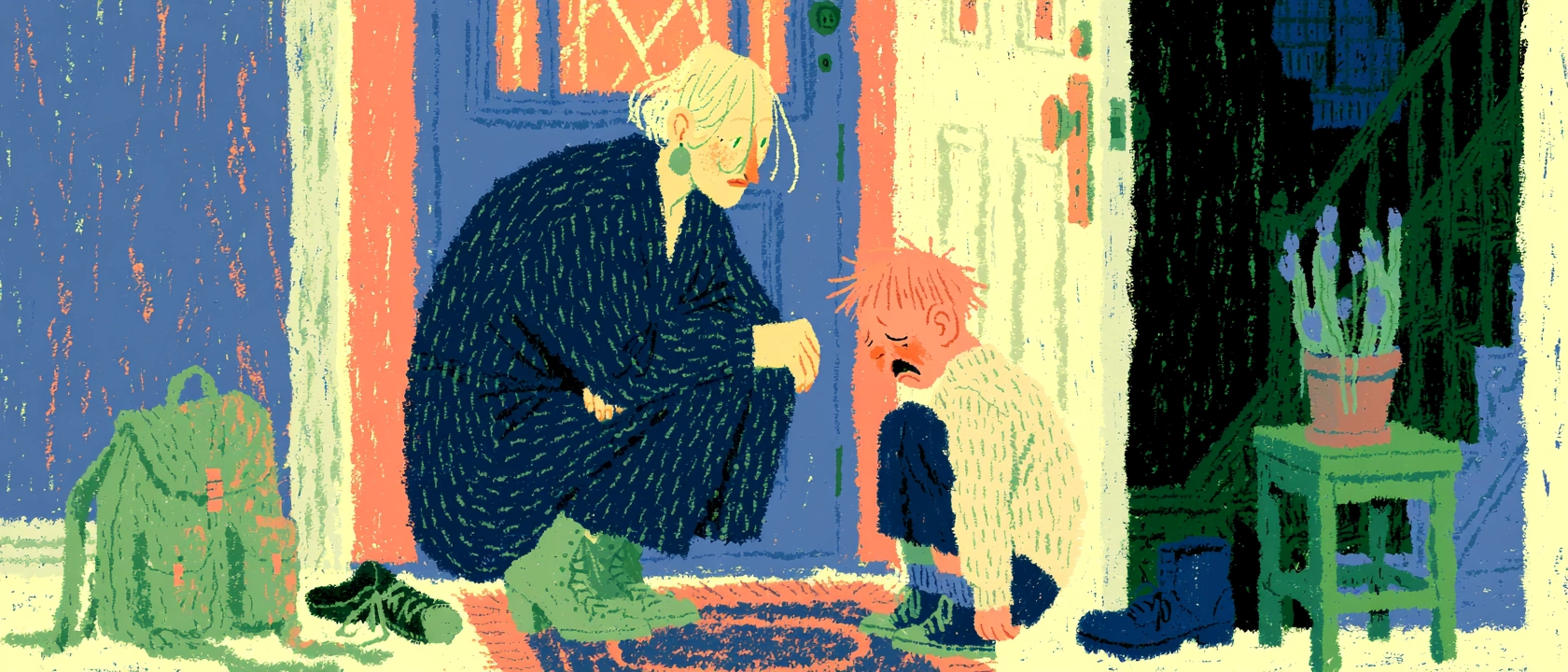
At 4:15 it was a project. At 4:16 it was across the room, your child was on the floor, and you were standing in the doorway doing the math on what just happened. Nothing happened. That's the part that gets you.
There's a name for the mechanics behind the flip, and it explains more about your child's meltdowns than any behavior chart ever will. Therapists call it the window of tolerance.
The window of tolerance, a concept from psychiatrist Dan Siegel, describes the zone of arousal where a child can think, listen, and manage emotions. Above the window the nervous system fires fight-or-flight; below it, shutdown. Children's windows are naturally smaller than adults', and stress or trauma narrows them further.
Karla often explains it to parents as an engine's working range. Every engine has a band where it runs well. Push the revs too high and it redlines; drop too low and it stalls. Your child's nervous system has the same working band, and inside it they can listen and respond, solve problems, handle a no, and stay connected to you.
A child's band is narrower than yours, by design and by development. Their engine redlines faster and stalls easier, and the regulating parts of the brain that widen the band are still under construction until well into the twenties.
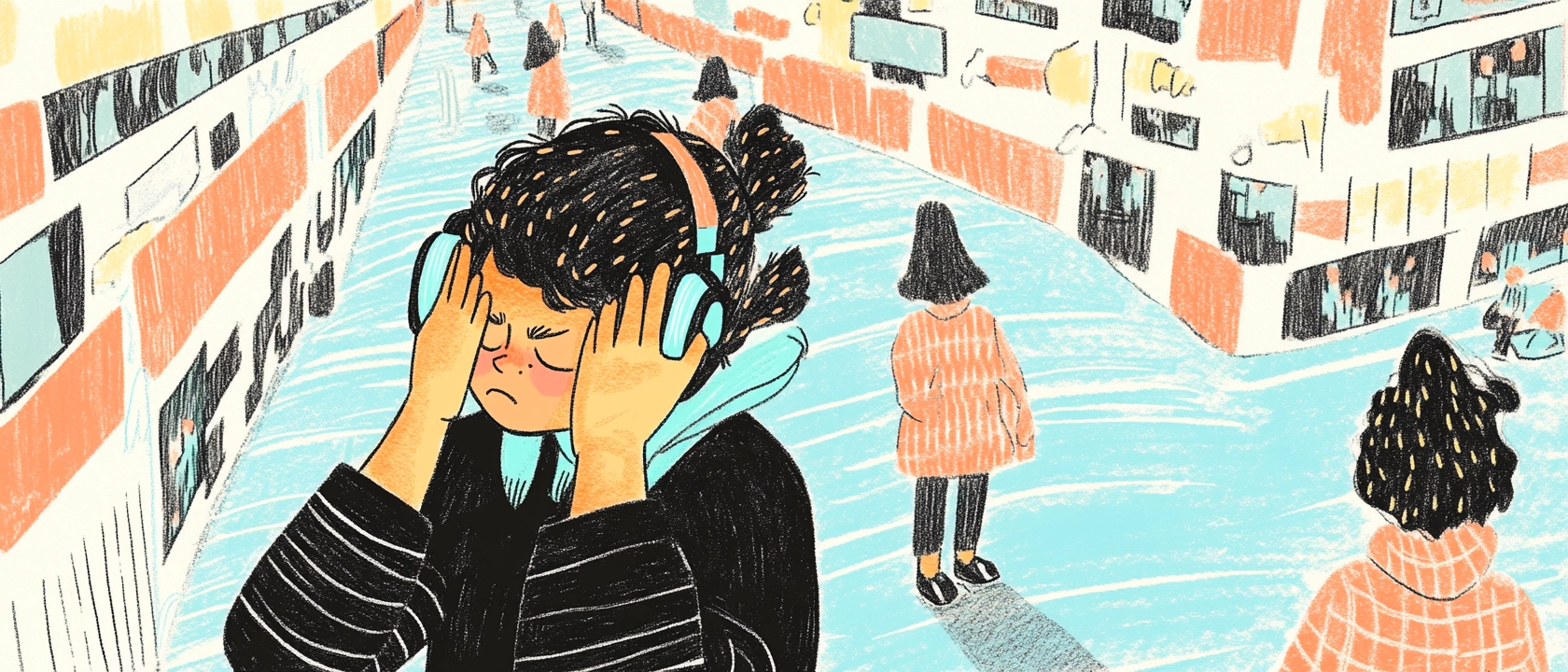
Above the window, the body runs fight-or-flight. That can look like:
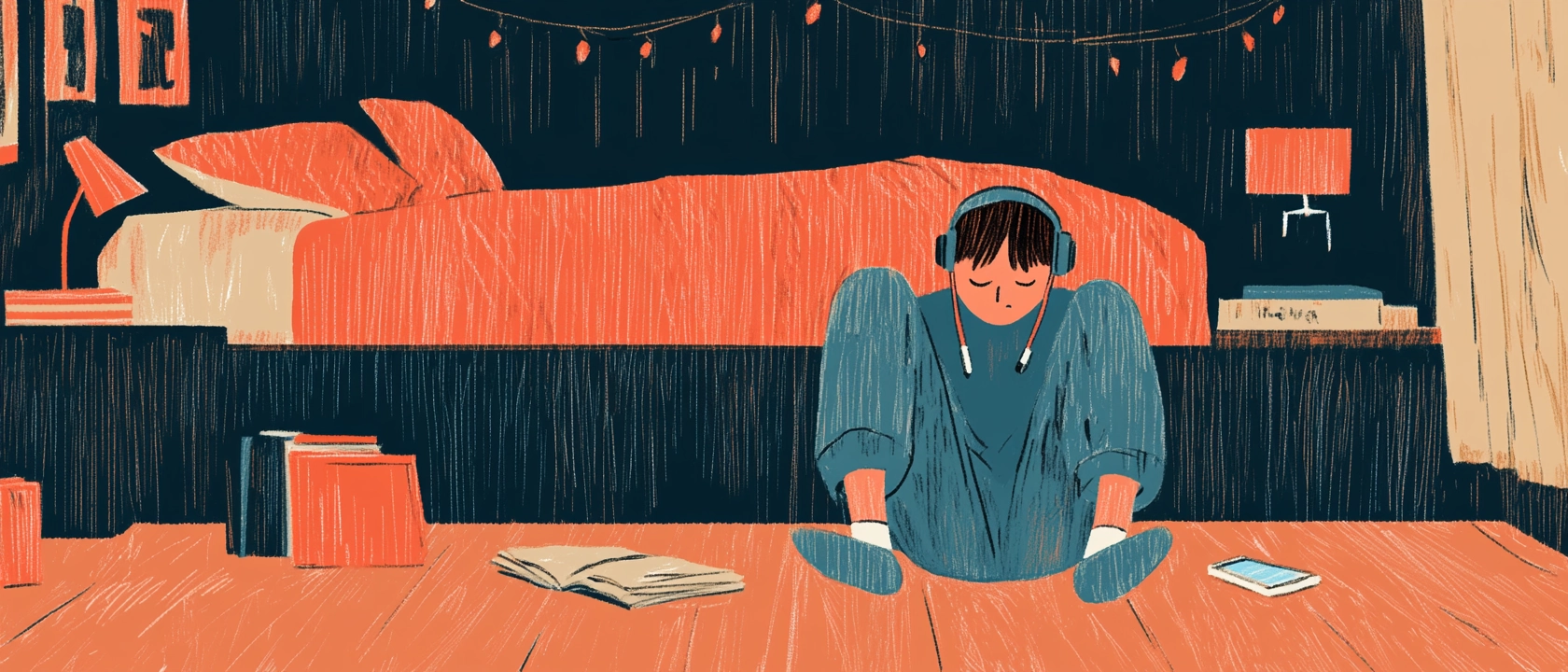
Below the window, the body pulls the plug instead. That can look like:
Neither state is a choice. Both are body responses, running on circuitry older and faster than reasoning, which is why reasoning bounces off them.
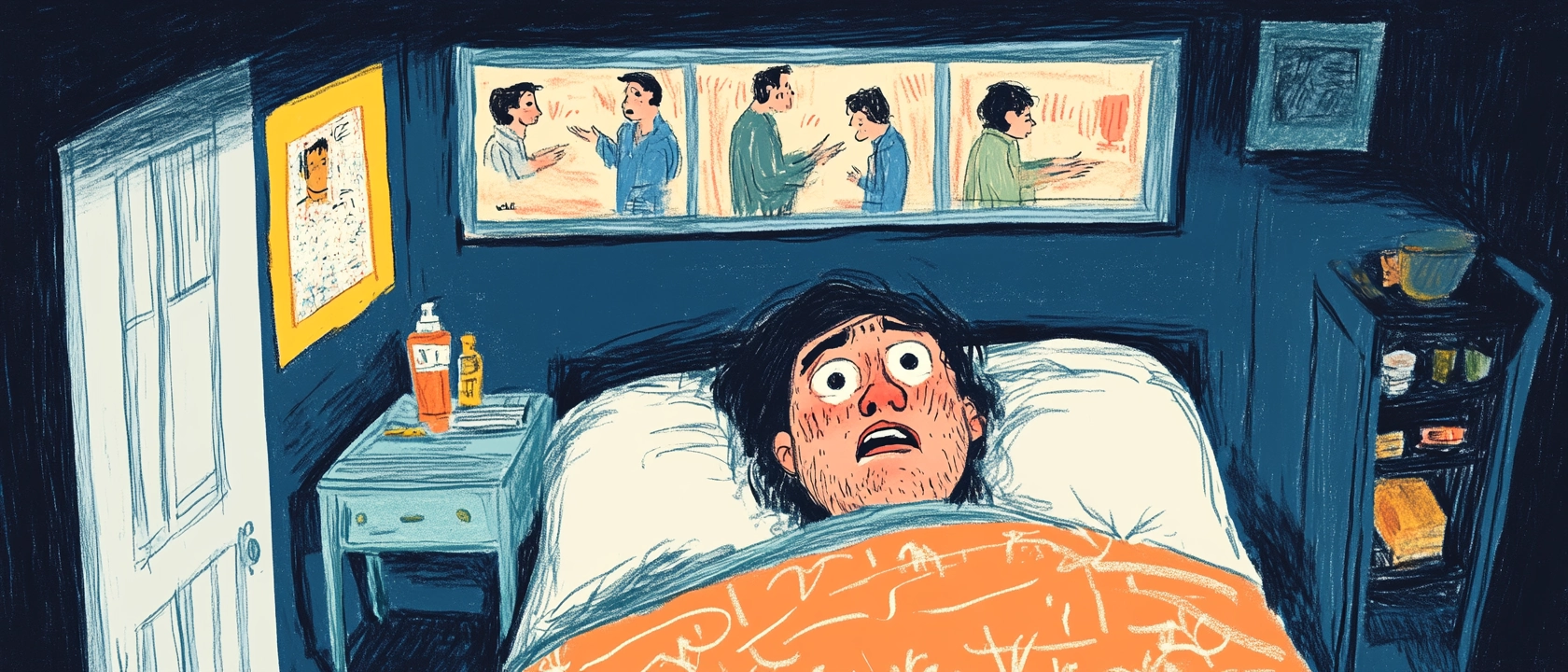
Usually it didn't. What looks sudden is almost always a slow fill. The scratchy shirt, the skipped snack, the loud cafeteria, the surprise change of plans, each one taking up room in a window that only holds so much. The Lego tower was the last drop, and it got blamed for the flood.
The American Psychological Association notes that stress changes how the brain responds to perceived threat, and for kids carrying anxiety or a trauma history, the window starts narrower still. We've written about how trauma reshapes the nervous system, and a narrowed window is that reshaping in daily-life form.
When your child is outside the window, the thinking brain is offline. Words like "calm down," consequences announced mid-meltdown, and three-point explanations of why the behavior was unacceptable all require the exact machinery that just went dark.
A dysregulated child borrows calm from the nearest regulated adult.
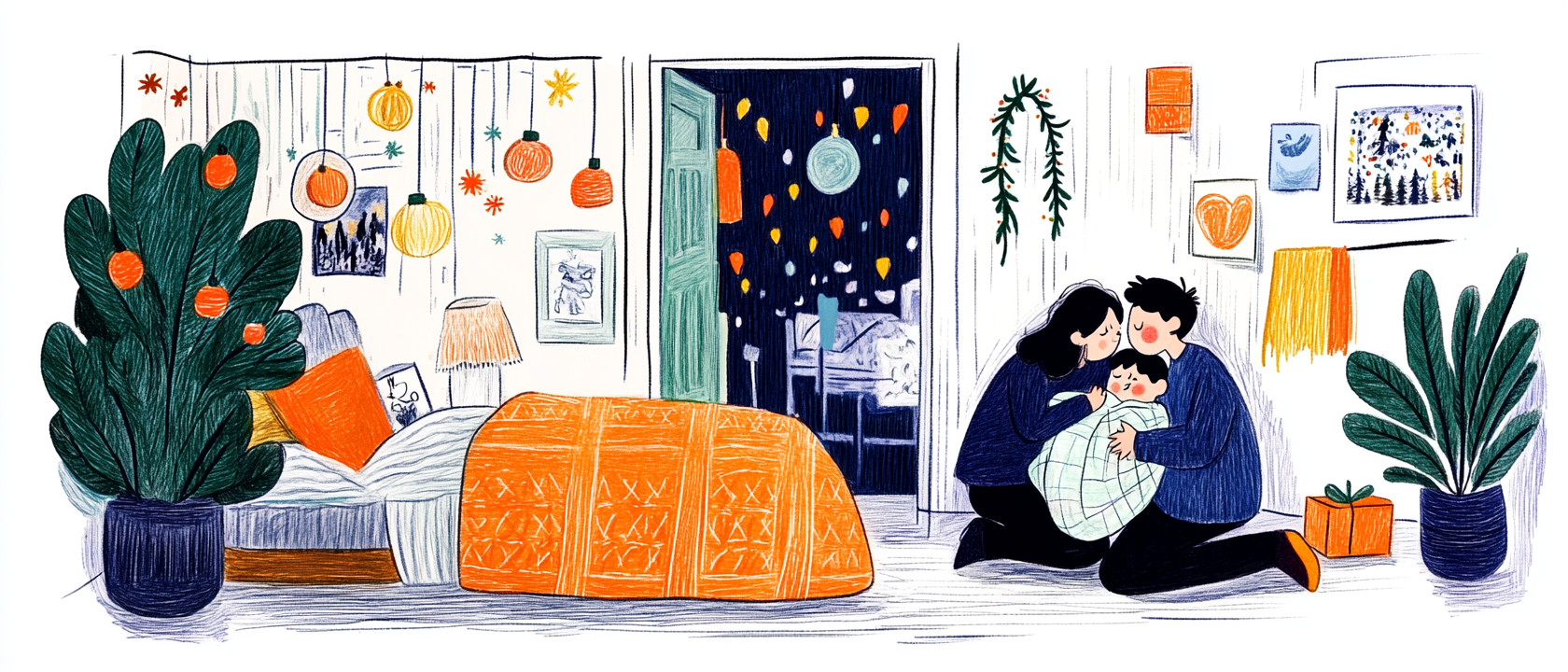
That's co-regulation, and it's the only reliable route back inside the window. Your steady voice, your unhurried body, your presence without a lecture attached. In our work with families at Layers, this is the turn that changes households: connection first, and correction after the engine is back in its band, when the lesson can actually be heard.
Every successful return teaches the nervous system something it keeps: I can come back from this. Enough returns, and the window itself starts to widen.
A narrow window starts collecting labels. The kid who flips. The dramatic one. The one who can't handle losing. Teachers manage around them, friends grow wary of them, and the child hears the labels earliest and believes them hardest.
Under that kind of chronic stress the window tends to narrow further, and families slide into full-time avoidance, steering around every trigger instead of building capacity to face them. Windows widen with support. That's the whole reason this concept matters: it's a description of a starting point, and starting points move.
At Layers, this work runs on two tracks at once. Your child learns to notice the engine revving early, name what's filling the window, and use regulation skills that fit their age, often through play rather than conversation. You learn what's underneath the behavior, how to co-regulate without escalating, and how to rebuild the moments that used to end in shame.
Isaac Rosas, LMSW anchors this nervous-system-focused work with children and families, using trauma-informed approaches that treat the window itself rather than just the behavior it produces. And if you're still weighing whether what you're seeing is a phase, when a child should start therapy walks through that decision.
Yes. Psychiatrist Dan Siegel introduced it, and it's now standard vocabulary across trauma-informed and child therapy. It describes measurable nervous-system states rather than a metaphor invented for parenting books, which is part of why it holds up so well in the living room.
The meltdown outside the window is physiology. A child mid-flip has lost access to the machinery that deliberate manipulation requires. Kids can absolutely learn that meltdowns produce outcomes, and that pattern is workable in therapy, but the state itself arrives uninvited.
Start with yours, since co-regulation only works if someone in the room is regulated. Beyond that: predictable routines, naming feelings during calm moments rather than hot ones, and treating recovery after a flip as repair time instead of lecture time.
Windows widen naturally with brain development, and they widen faster with support. The gap to watch is a window that stays narrow while peers' windows grow, or one that seems to be shrinking. That trajectory is the signal worth acting on.
Layers Counseling Specialists provides trauma-informed child therapy in Plano, Texas, serving families across the DFW area. Request an appointment here.
The tower will fly again some Tuesday. What changes, months into this work, is the return trip — ten minutes instead of an hour, repair instead of shame, and a kid who can tell you the engine is revving before it redlines.
This article is for educational purposes and is not a substitute for professional medical advice. If you or someone you know is in crisis, call or text 988 (Suicide & Crisis Lifeline) or text HOME to 741741.