By Karla Pineda, LPC · Last reviewed: August 2026
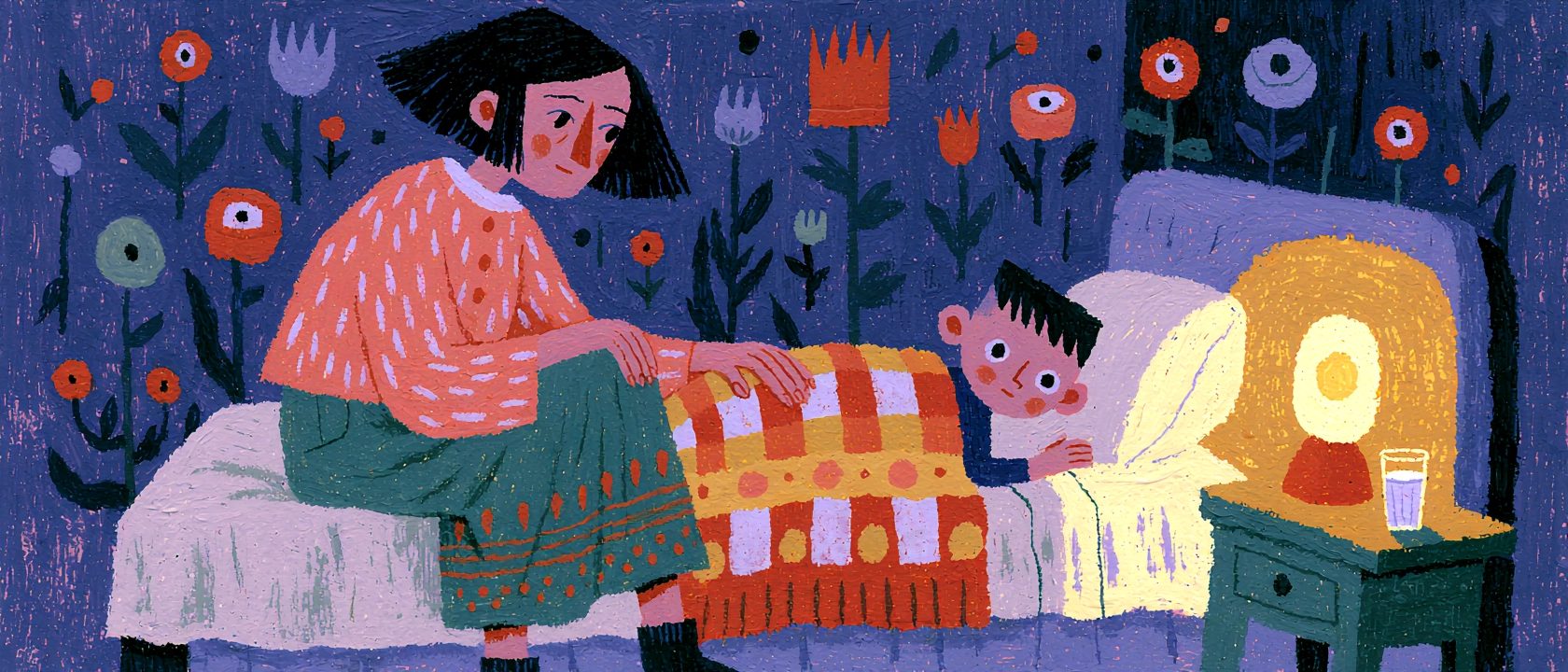
"My stomach hurts."
Same three words, every school morning, right around backpack time. The pediatrician found nothing. The teacher suspects avoidance. And you're stuck between worrying that something's wrong and worrying that you're being played.
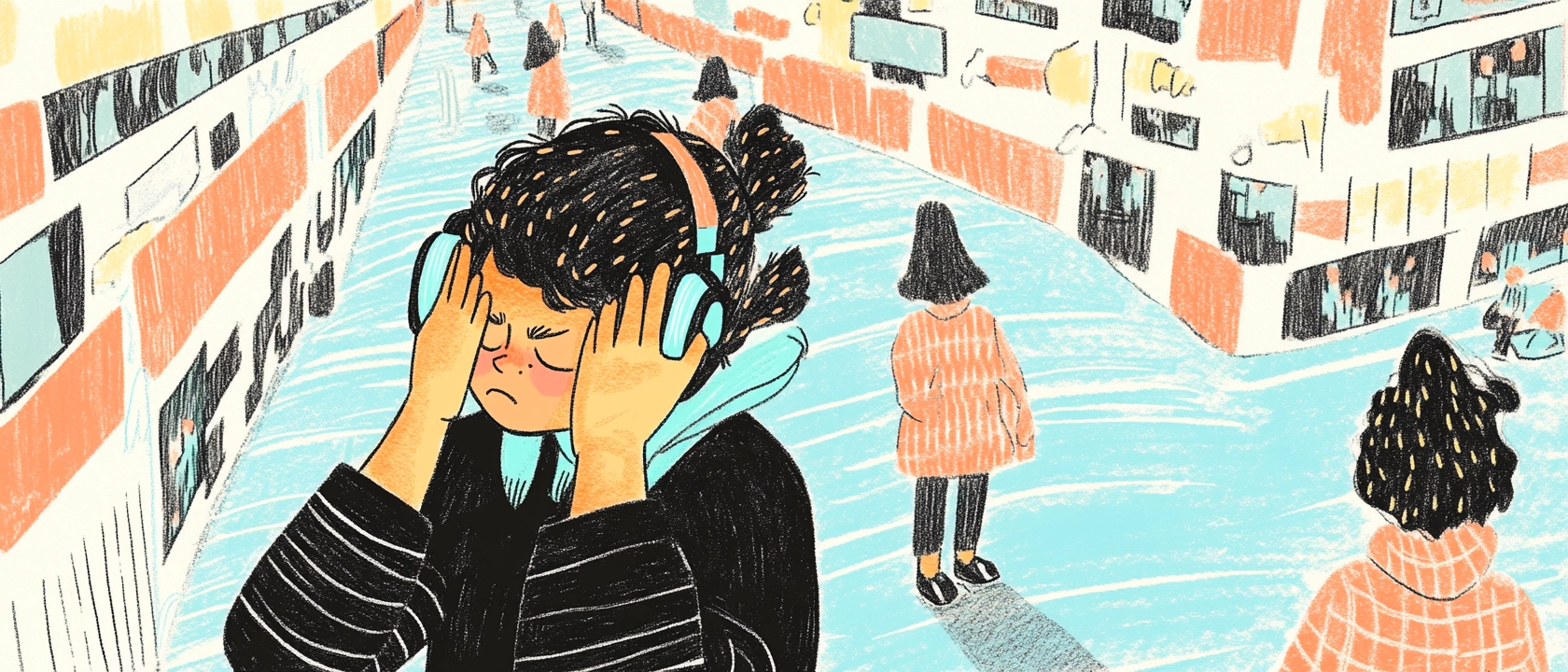
The pain is real. Trauma and chronic stress show up in children's bodies before they show up in children's words, and the stomachache is often the first sentence of a story your child can't tell yet.
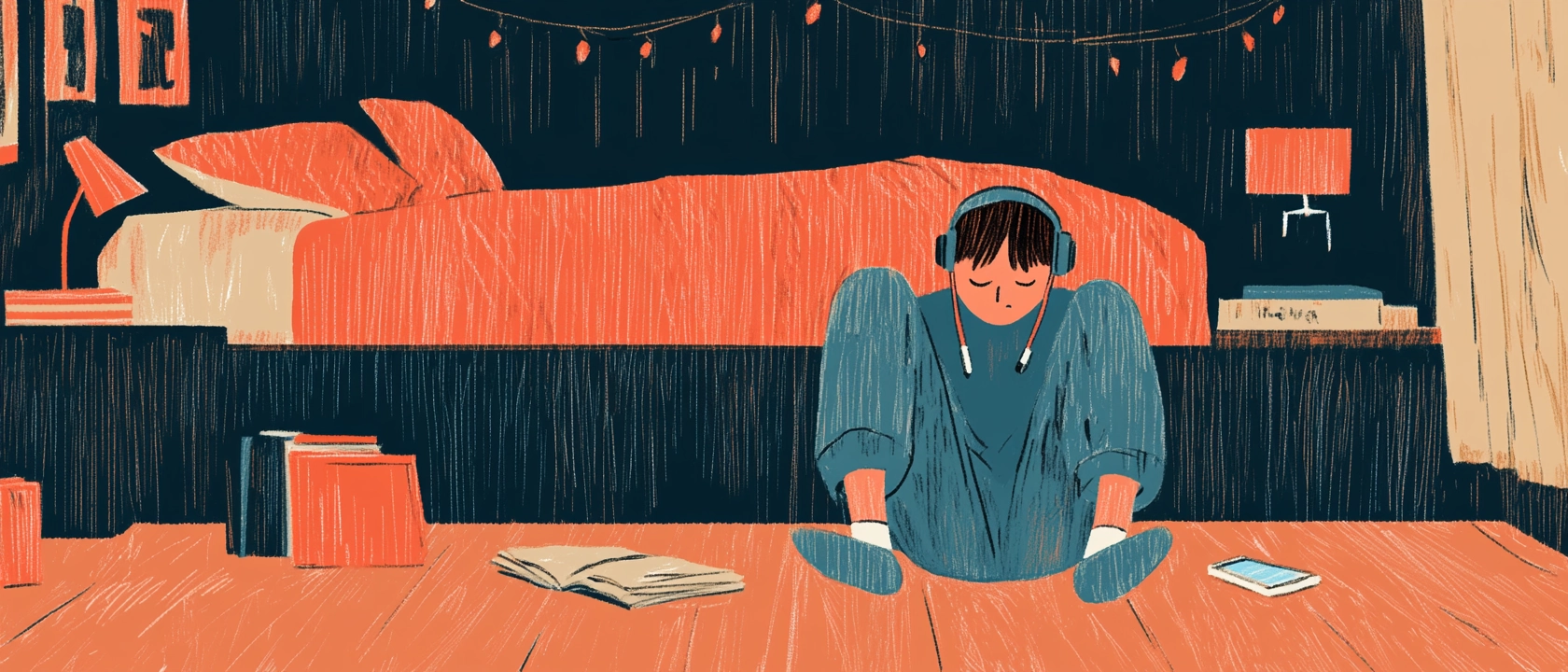
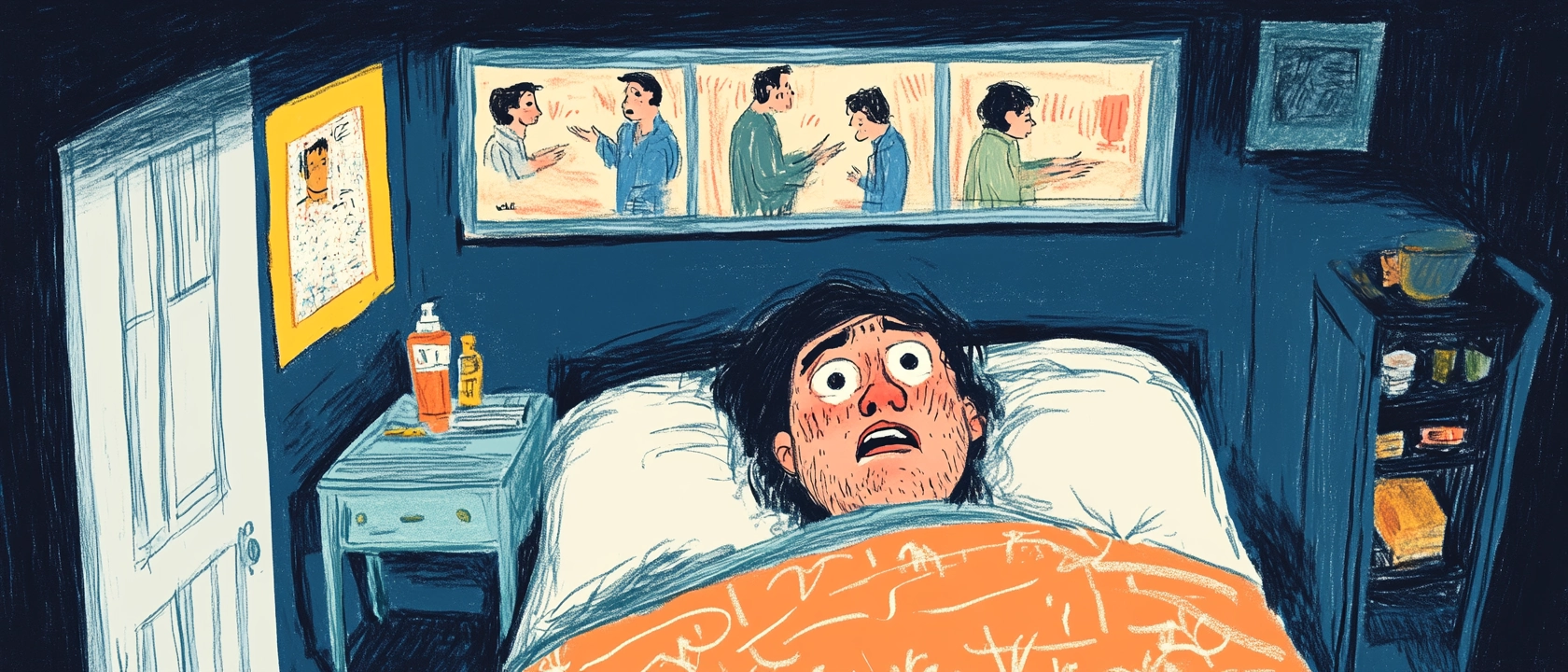
Trauma shows up in children's bodies as stomachaches, headaches, sleep problems, restlessness, or unexplained fatigue, because overwhelming stress keeps the nervous system in protection mode after the event has ended. The National Institute of Mental Health notes that trauma affects the body's entire stress-response system, reaching well beyond memory.
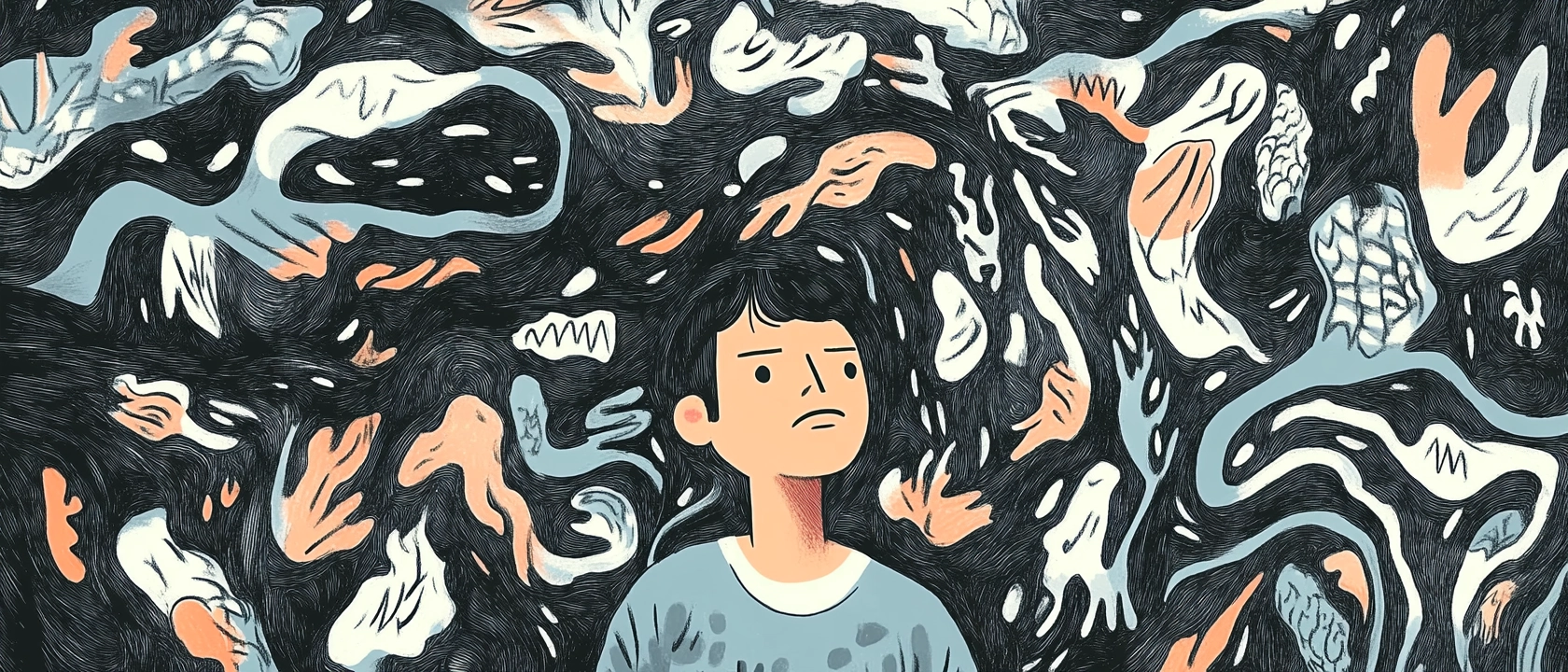
Karla often tells parents that the body puts up scaffolding during an emergency. Heart rate climbs, muscles brace, breathing changes, digestion pauses. All of it is construction for survival, and all of it is supposed to come down once the danger passes. When stress is too big or lasts too long to process, the crew never gets the message that the job ended. The scaffolding stays up.
In children, standing scaffolding tends to look like this:
These symptoms are honest. A child reporting the stomachache is filing an accurate report from a nervous system doing exactly what it was built to do.
Because nobody dismantled the scaffolding. A nervous system that learned the world can go wrong stays braced for it, and bracing is expensive: it burns energy, disrupts digestion and sleep, and keeps stress hormones circulating long past the event.
This is also why waiting rarely fixes it. Time passes and the scaffolding weathers in place — we've written about why time alone doesn't heal childhood trauma, and the body is where that shows most clearly. By adolescence, the same wiring produces its own patterns, which we cover in how trauma shows up in teenagers' bodies.
"It's all in their head" deserves retirement, and so does its gentler cousin, "they're just anxious." Both dismiss the body's report, and the report is accurate.
A child's stomachache can be the most honest sentence in the house.
What we see most often in our practice is a child whose words and body disagree: "I'm fine" from the mouth, clenched shoulders and a Sunday-night headache from everything else. Children protect their parents, avoid what they can't explain, and lack vocabulary for dread. So the body files the report instead.
Pushing through teaches the wrong lesson. A child told to tough out symptoms learns that the report was received and dismissed, and a nervous system that feels unheard doesn't stand down. It gets louder.
The symptoms grow structures around themselves. School avoidance builds around the morning stomachache. The medical carousel spins, with specialists finding nothing while the child concludes their own body can't be trusted. Chronic muscle tension becomes posture; hypervigilance becomes personality.
None of that is destiny. It's the default when the body's messages keep going unanswered, and the earlier the answer comes, the less there is to unbuild.
Trauma therapy for children at Layers works with the body rather than around it. Kids learn to notice their body's signals early, build regulation skills sized to their age, and process what happened at a pace their nervous system can tolerate. Children set that pace, and much of the early work happens through play and movement, without retelling anything.
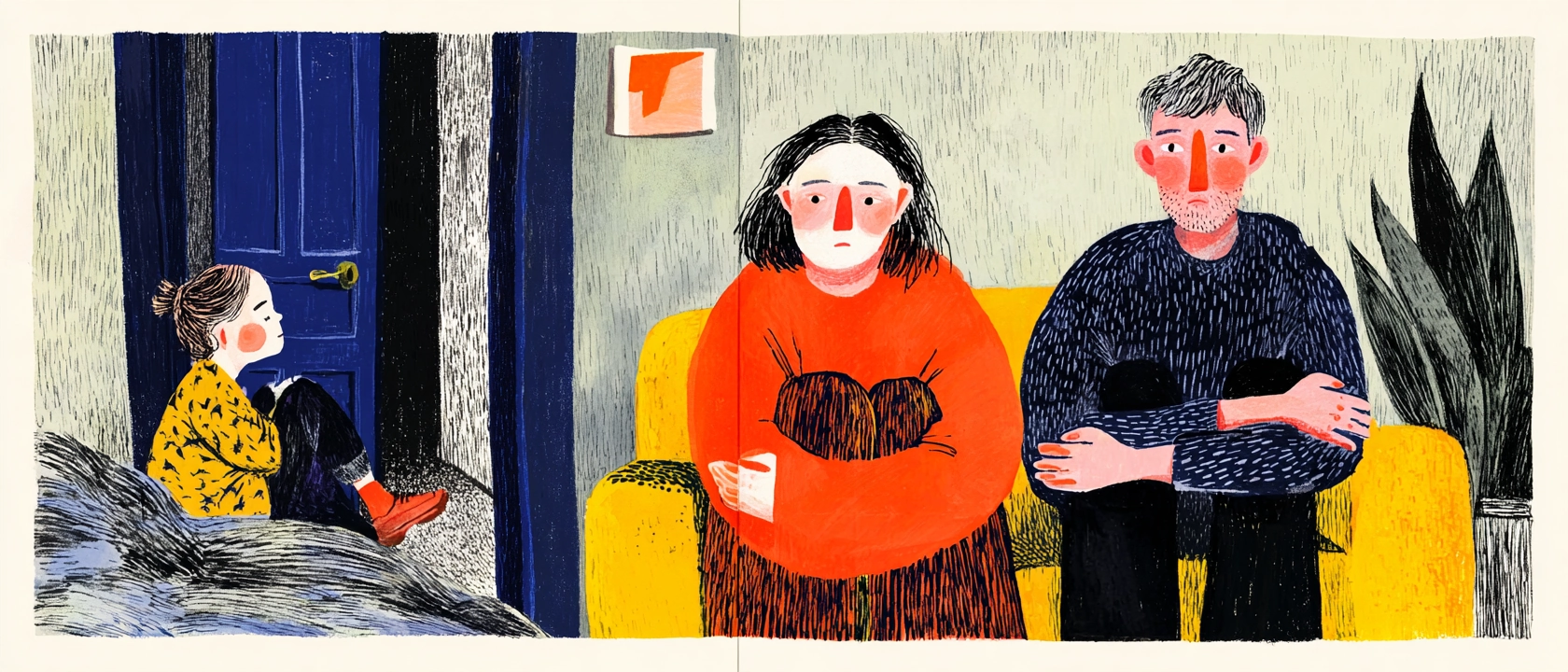
Isaac Rosas' trauma-informed, nervous-system-aware approach anchors our trauma work with children and teens, and parents get their own role: learning to respond to symptoms with curiosity instead of alarm, and to become the safe place a braced body can finally relax around.
Yes. Chronic stress accumulates the way a single event overwhelms: an unpredictable home, ongoing conflict, medical procedures, or a scary season can all leave scaffolding standing. The body responds to what it experienced as unsafe, whether or not an adult would rank it as traumatic.
Pediatrician first, or both in parallel. Ruling out medical causes matters, and a good pediatrician takes recurring symptoms seriously. When the workup comes back clear and the pattern continues, that's the handoff point, and you can tell the therapist exactly what's been ruled out.
The pain is real, and avoidance can still grow around it. Both statements are true at once, which is why neither "push through it" nor "stay home whenever it hurts" works alone. Therapy addresses the pain's source while a gradual plan rebuilds school attendance, so the symptom stops running the calendar.
Curiosity over interrogation. Acknowledge the pain as real, keep the routine as predictable as you can, and skip the detective work in the moment. Patterns are worth tracking in private, noting when symptoms show up and after which days, because that log becomes gold in a therapist's hands.
If you or someone you love is in crisis:
Layers Counseling Specialists provides trauma therapy in Plano, Texas for children, teens, and families across the DFW area. If your child's body has been trying to tell you something, request an appointment here.
Some school morning down the road, the three words change. "My stomach hurts" becomes "I'm nervous about the spelling test," and that trade is the scaffolding coming down, one plank at a time.
This article is for educational purposes and is not a substitute for professional medical advice. If you or someone you know is in crisis, call or text 988 (Suicide & Crisis Lifeline) or text HOME to 741741.