By Karla Pineda, LPC · Last reviewed: July 2026
Which one is actually me?
If you carry both an autism and an attention-deficit/hyperactivity disorder (ADHD) diagnosis, or suspect you should, you've probably asked it during some ordinary moment: mid-shutdown over a changed plan you were already bored of, or watching yourself build a flawless routine on Sunday and abandon it by Wednesday. The question feels urgent because the two answers seem to pull in opposite directions.
AuDHD describes having autism and ADHD together. The combination produces experiences neither condition explains alone, like craving routine while resisting it, or seeking stimulation while being overwhelmed by it. Until 2013, diagnostic rules didn't even permit both diagnoses in the same person, which left a generation of adults with half an answer.
If the term itself is new to you, start with our explainer on what AuDHD is and how the overlap works. This post is about the inside of it.
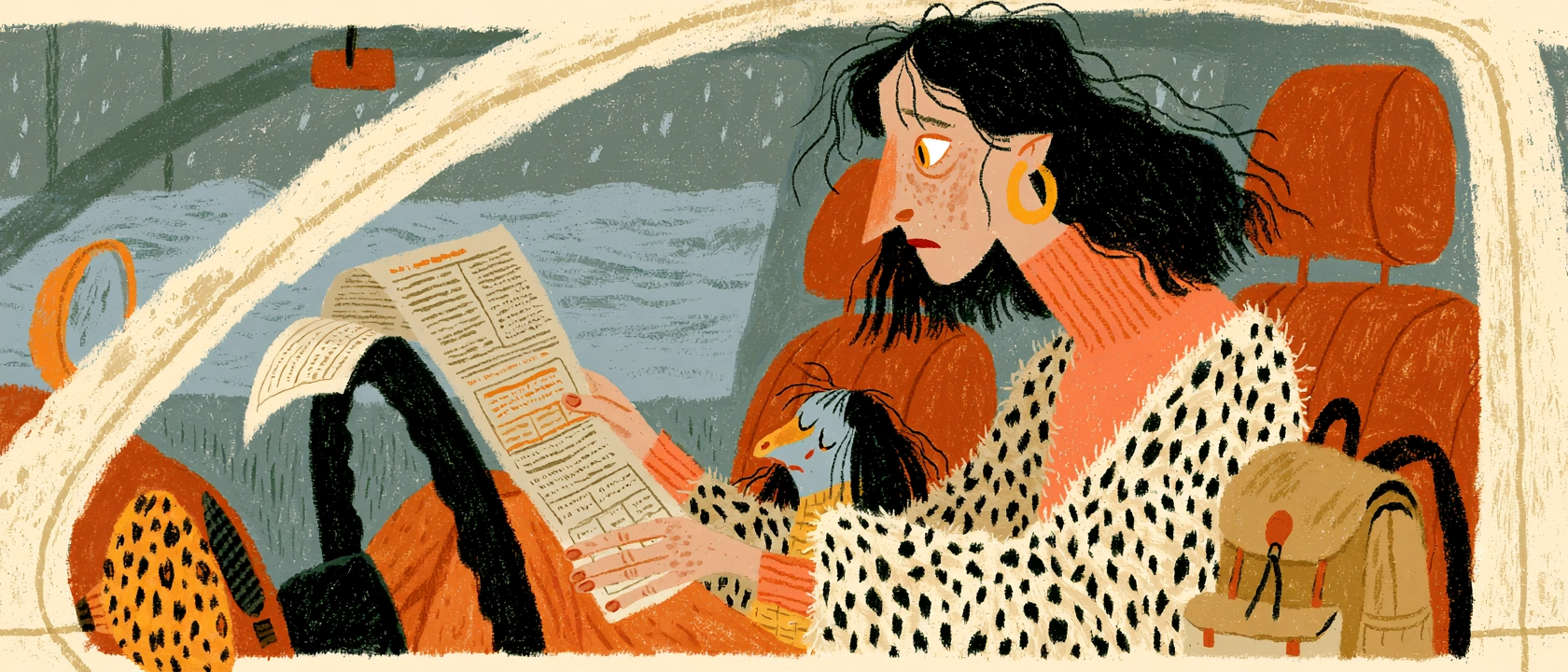
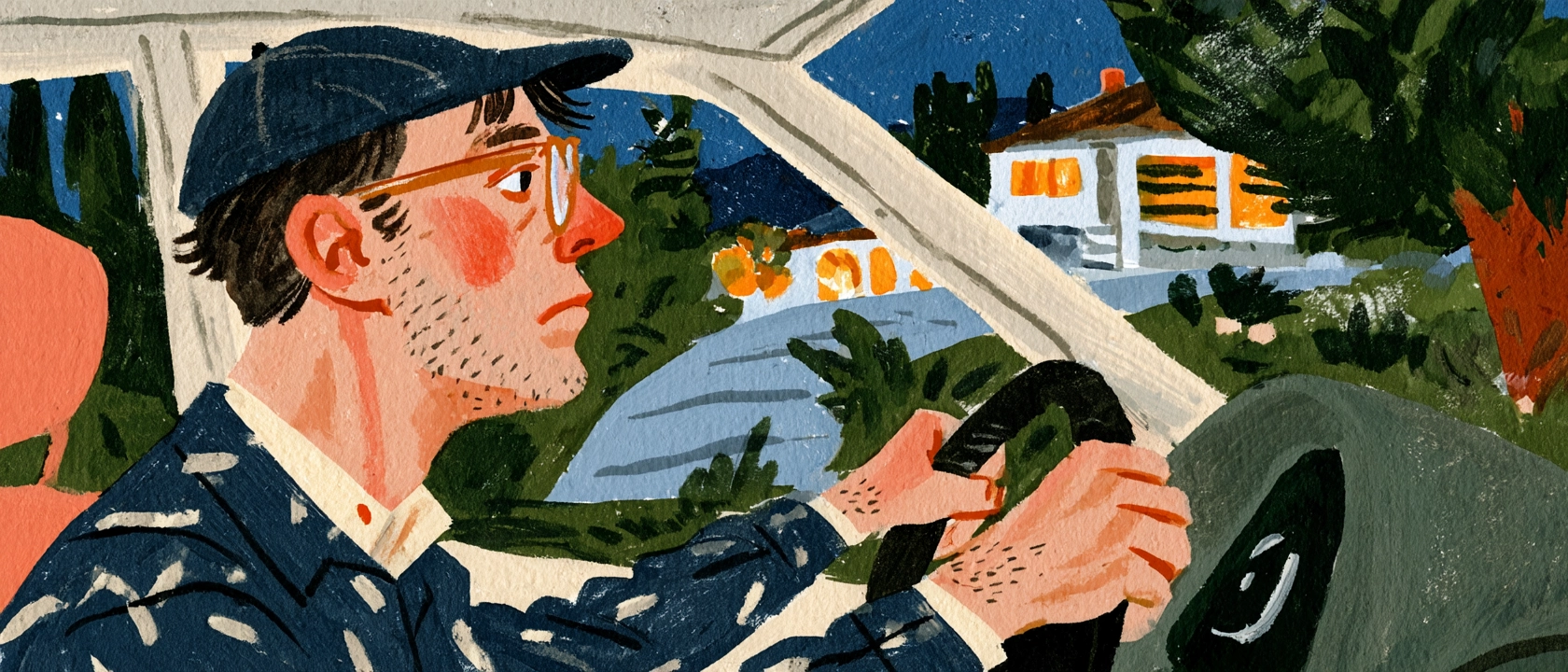
Picture driving with one foot resting on the gas and the other on the brake.
The ADHD system wants novelty, momentum, the next interesting thing. The autistic system wants predictability, depth, and warning before anything changes. Both pedals are being pressed most of the time, and the effort of holding them balanced is invisible from outside the car.
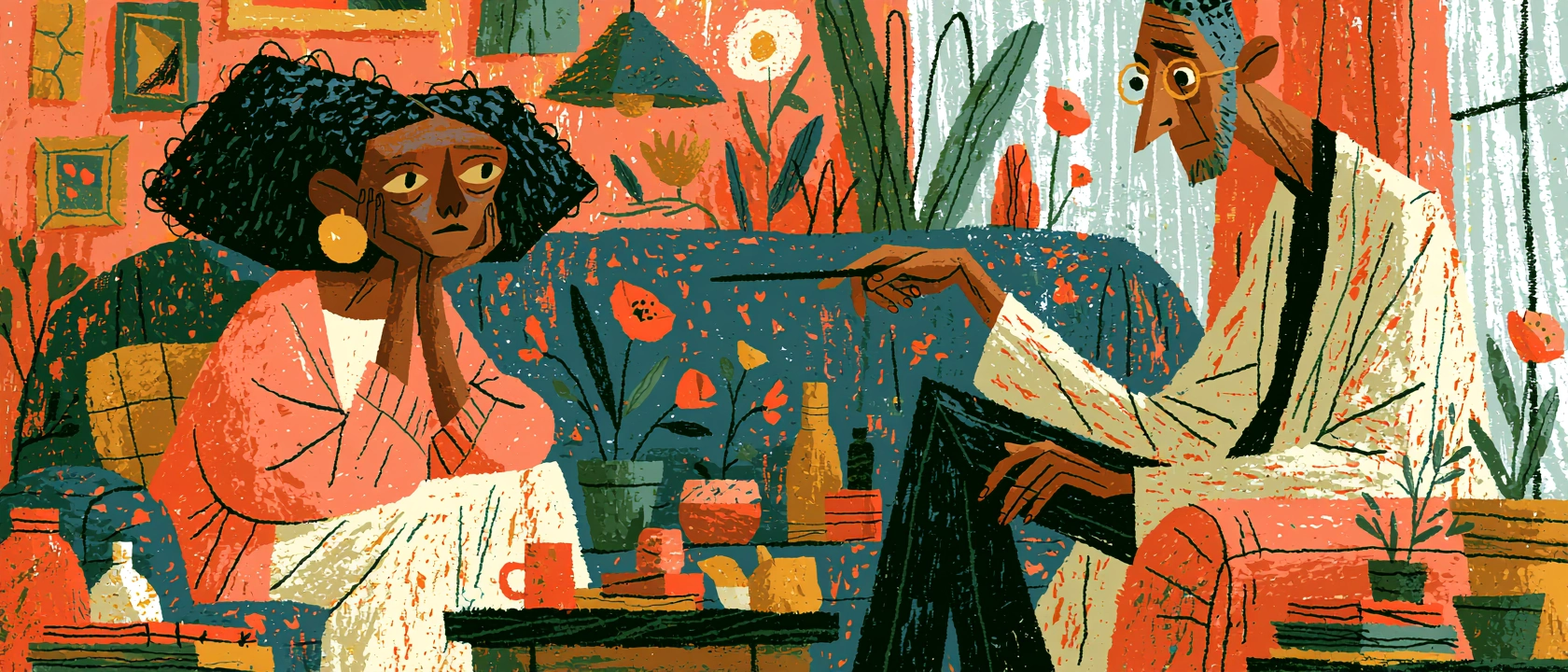
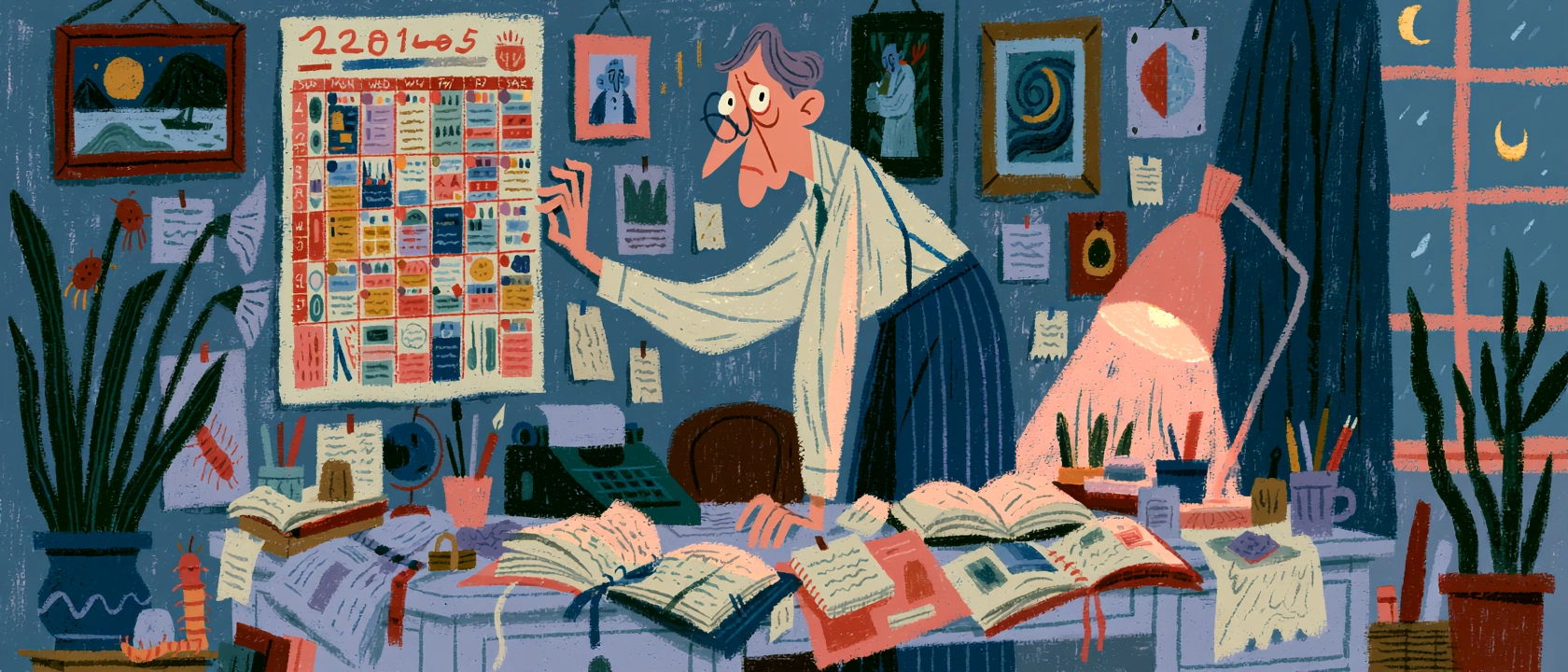
In daily life, the contradiction gets specific. A client we'll call Marcus built a color-coded weekly system every Sunday night, beautiful and complete, and abandoned it by Wednesday. He needed the structure. He also could not survive the repetition of it. People in the AuDHD community describe the same push and pull constantly, wanting order and being unable to maintain it, planning carefully and acting on impulse anyway.
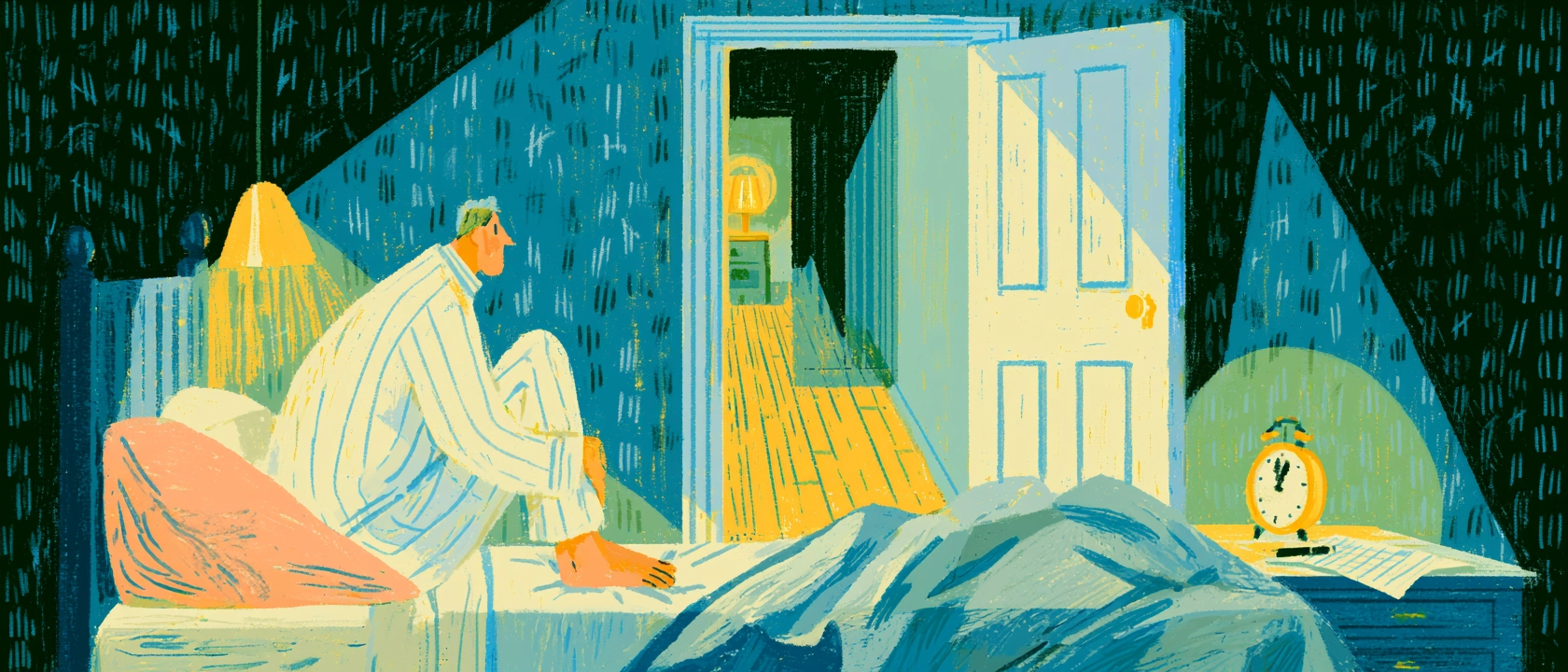
Add the sensory layer, deep focus that skips meals, and social interest that costs a full day of recovery, and you get a life that looks inconsistent from outside and exhausting from inside.
Until the Diagnostic and Statistical Manual of Mental Disorders, fifth edition (DSM-5) arrived in 2013, autism was literally an exclusion criterion for ADHD. Clinicians had to pick one.
The deeper reason is stranger. The two conditions can hide each other. Autistic structure can compensate for ADHD disorganization so well that the ADHD stays invisible. ADHD chaos can bury the autistic need for order so completely that nobody, including you, sees the pattern underneath. Research suggests 50 to 70% of autistic people also have ADHD, yet plenty of adults reach their thirties or forties with one diagnosis, a stack of anxiety labels, or nothing at all.
The car looks parked. Both pedals are on the floor.
Sometimes the second diagnosis arrives through the first one's treatment.
We hear versions of this story often: an adult starts ADHD treatment, the disorganization finally settles, and the autistic traits that the chaos had buried become visible for the first time. It can feel like something went wrong. Usually it means something went right. One system stopped shouting, and the other could finally be heard.
Understanding both rewrites the story you tell about yourself. The "lazy" years get re-explained as pedal wars. The friendships that faded after every burst of social energy make sense. Marcus stopped grading himself against people driving entirely different vehicles, and that, more than any planner, is what changed his weeks.
The most common cost is a carousel of half-right labels. Anxiety, depression, and burnout diagnoses that treat the smoke and miss the fire, sometimes for decades.
Unrecognized AuDHD also feeds cycles of autistic burnout, because a person managing two competing systems without knowing it tends to run at capacity all the time. Careers stall on "inconsistency." Relationships strain under the social-recovery math nobody can see. And the self-story hardens: undisciplined, too much, not enough. That story does more damage over time than either condition does.
Support starts by mapping which system is asking for what.
Some struggles need ADHD-style scaffolding, like external structure and momentum tools. Others need autistic accommodations, like sensory adjustments and transition warnings. Plenty of strategies that help one system punish the other, which is why generic advice keeps failing you. The work is finding the set that serves both.
Jessica Morales, LPC-Associate works with autistic, ADHD, and AuDHD adults from a neurodiversity-affirming perspective, including clients untangling a late or partial diagnosis. And because AuDHD so often travels with anxiety or obsessive-compulsive disorder (OCD), our Plano, Texas team can fold those into the same plan rather than sending you somewhere else for each piece.
Is AuDHD an official diagnosis?
No. AuDHD is a community term that grew up outside the DSM. Clinicians diagnose autism and ADHD separately, and since 2013 a person can hold both. The term matters because the combined experience differs from either condition alone, and people needed language for that.
Can autism and ADHD really mask each other?
Yes. Autistic organization can compensate for ADHD executive struggles, and ADHD spontaneity can hide autistic rigidity. The masking runs both directions, which is why an accurate picture often requires an evaluator experienced with the overlap rather than either condition alone.
How is AuDHD identified in adults?
Through separate assessments for autism and ADHD, usually involving a clinical interview, developmental history, and evidence that traits existed in childhood even if nobody named them. Screening tools can help you decide whether to pursue a full evaluation, but they can't diagnose.
Is it worth pursuing a second diagnosis if I already have one?
Often, yes. If supports built for your existing diagnosis keep half-working, the missing half of the picture may be why. Clarity changes strategy, and for many adults it also changes decades of self-blame.
Consider reaching out if:
So, which one is actually you? Both. It was always both, and the exhaustion you couldn't explain was the cost of working two pedals nobody knew were there.
The goal was never to swap out the engine. It's learning to drive this particular car, with support that respects both systems. Layers Counseling Specialists serves adults and families across Plano and the DFW area, and our ADHD specialty team can help you map what each system needs. Request an appointment when you're ready.
This article is for educational purposes and is not a substitute for professional medical advice. If you or someone you know is in crisis, call or text 988 (Suicide & Crisis Lifeline) or text HOME to 741741.
About the author: Karla Pineda, LPC, is the Executive Director of Layers Counseling Specialists in Plano, Texas. She is an International OCD Foundation (IOCDF) registered exposure and response prevention (ERP) therapist (rumination-focused ERP, or RF-ERP) who works with adults on OCD, anxiety, and the places where anxiety and neurodivergence overlap. Request an appointment.
Our Plano therapists specialize in OCD, anxiety, ADHD, autism, ARFID and trauma, in person or online anywhere in Texas. Every clinician starts with a free 15-minute consultation, so you can see whether it feels like a fit before you commit.
adhd
ADHD
adhd