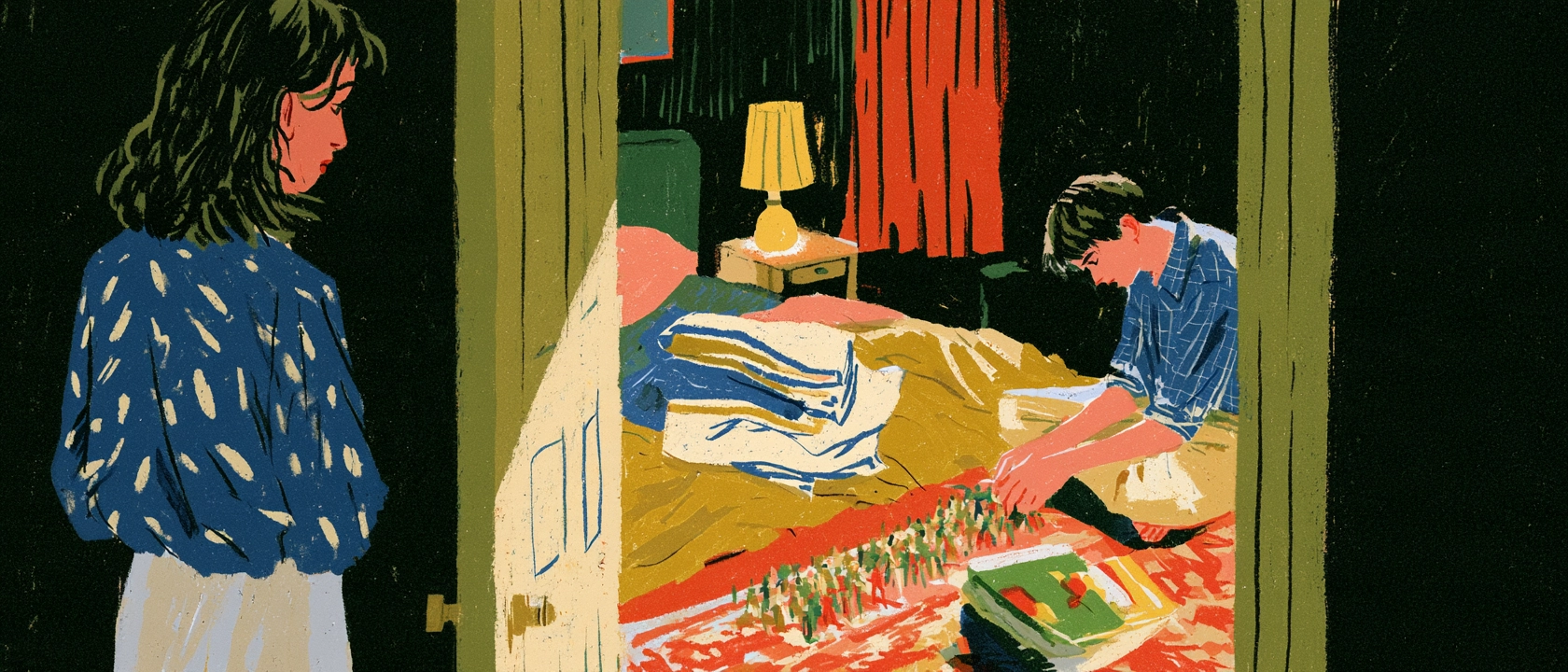
You're at the party. You told yourself you'd go for an hour, but you're stuck on your phone, scrolling through nothing in particular. Around you, people are talking, laughing, genuinely seeming to enjoy themselves. You're there. Technically. But you're not actually present, and some part of you knows it.
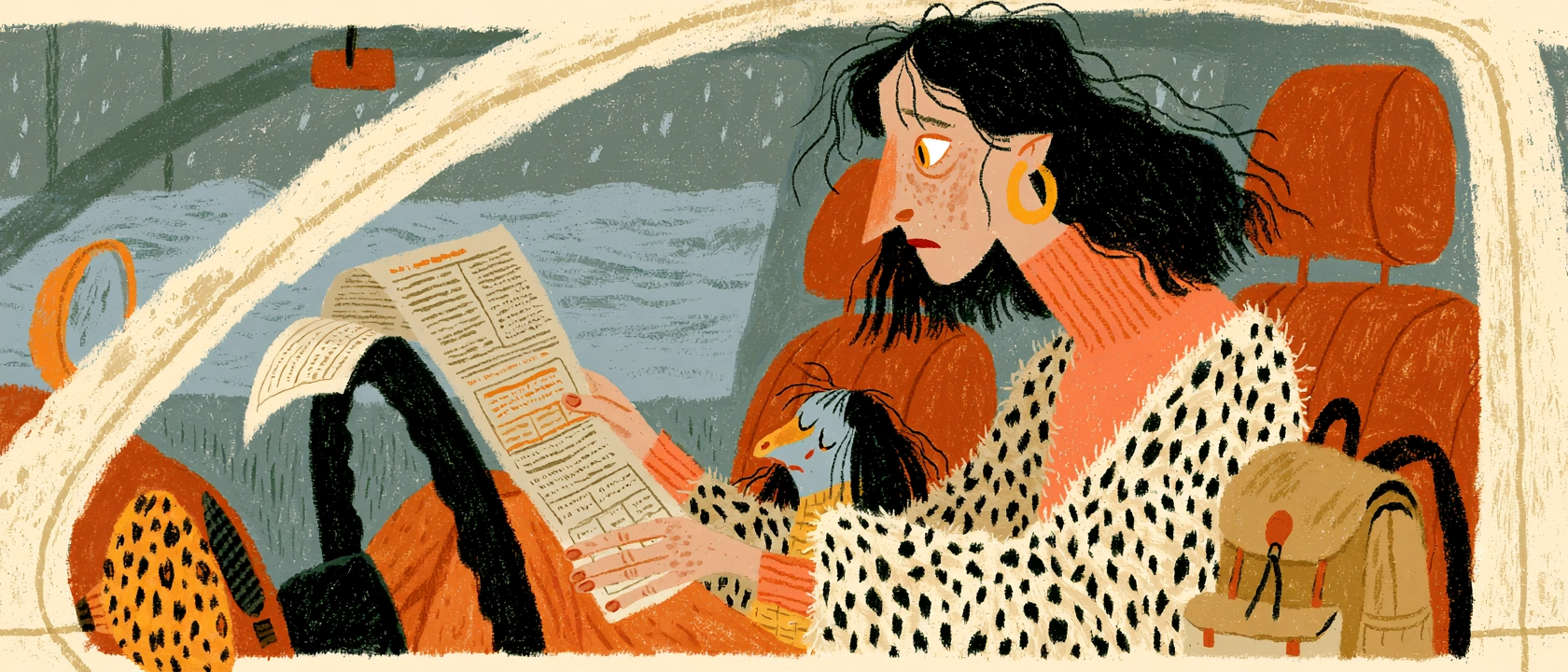
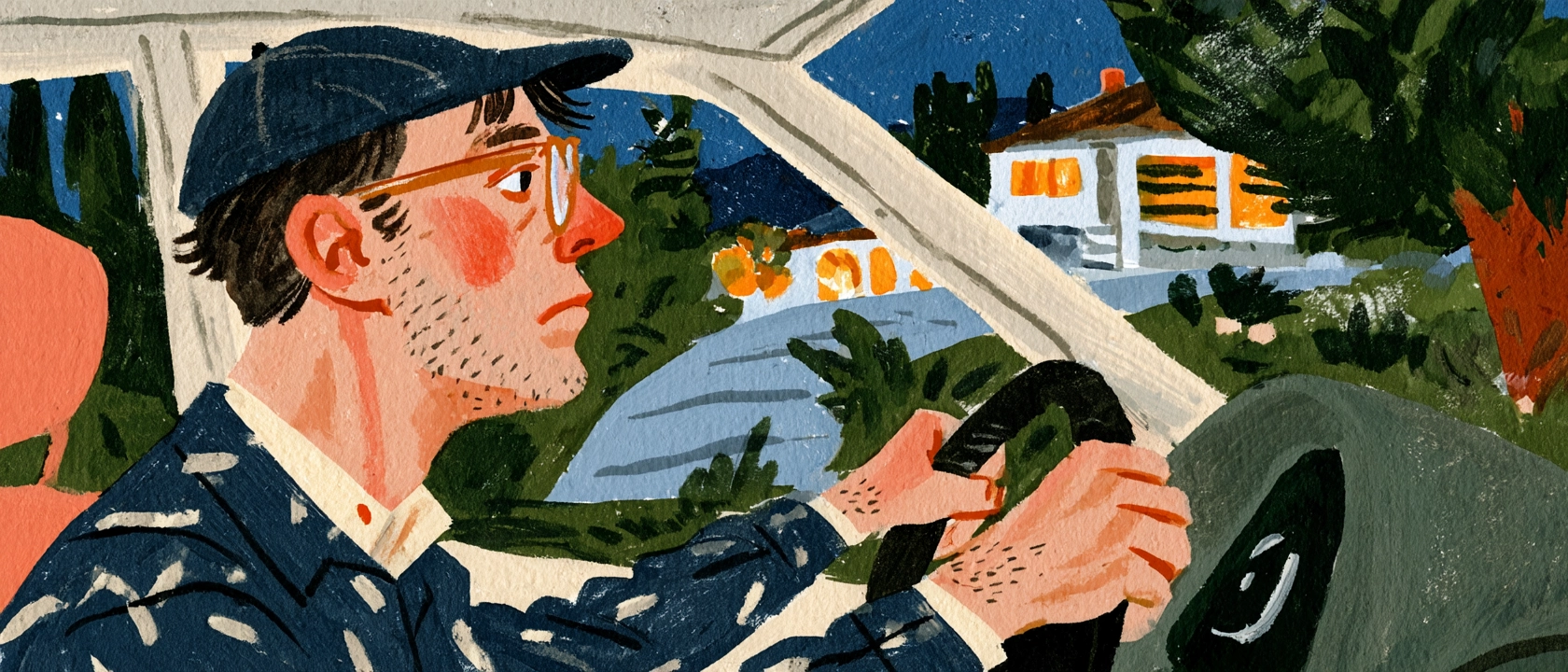
Later, on the drive home, you replay the whole thing. Did anyone notice you were quiet? Did that comment about work sound stupid? You text a friend: "Hey, was I weird tonight?" Part of you hopes they'll say it was fine. Part of you isn't sure which answer would feel worse.
This is what social anxiety looks like when you're trying to manage it.
When people hear the word "compulsion," they usually think of obsessive-compulsive disorder (OCD): repeatedly checking locks, washing hands, arranging things just so. Social anxiety works differently. Instead of compulsions, people with social anxiety develop what therapists call safety behaviors.
A safety behavior is anything you do to make a scary situation feel more manageable. It offers immediate relief. It makes the anxiety quieter in the moment. And that's exactly why it's a trap.
As Karla Pineda, LPC, Layers' International OCD Foundation (IOCDF) registered exposure and response prevention (ERP) therapist, describes it: "The problem with safety behaviors is that you're still going out and doing the activity, but you're doing it while not fully experiencing it. And when you don't fully experience the situation, the fear never gets to be proven wrong."
Here's what that actually looks like:
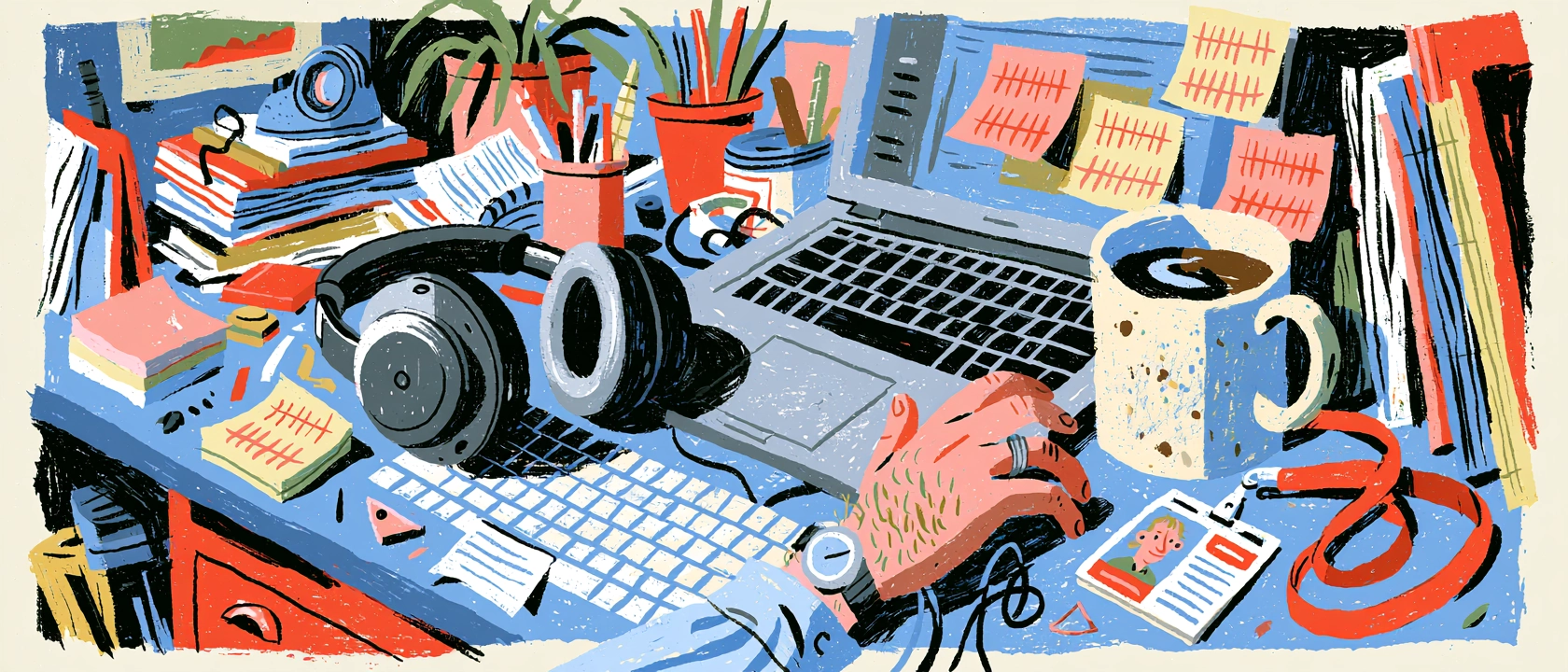
Phone use at social gatherings. You're physically present but mentally checked out. The phone is a buffer: it keeps the anxiety quieter, but it also prevents you from discovering that you could have survived without it.
Rehearsing before you speak. You mentally run through exactly what you're going to say. You workshop it. You prepare for every possible response. But your brain stays in high-alert mode because you're treating ordinary conversation like a performance that could go catastrophically wrong.
Staying close to one "safe" person. At a party, you glue yourself to the one person you trust completely. You don't branch out. You don't test whether other people might actually be glad you're there. Your anxiety never gets evidence that you can manage on your own.
Asking for reassurance afterward. After most social interactions, you need to know how it went. "Was I weird?" "Did I say anything wrong?" You want someone to confirm that you didn't screw up. And reassurance works, for about twenty minutes. Then the doubt comes back, and you need another round.
Minimizing your presence. Avoiding eye contact. Speaking softly. Shrinking into the edges of the room. You make yourself small so fewer people will notice you. But the result is that people often don't engage with you, because you've made yourself unavailable.
Here's the neurology behind why safety behaviors backfire.
Social anxiety is sustained by a belief: social situations are dangerous, and I can't handle them. When you use a safety behavior, your brain records a very specific conclusion: I survived that situation because of what I did to protect myself. In your brain's version, the phone, the rehearsing, and the trusted person nearby did the saving.
The threat detector stays on.
Every time you scroll your phone at a party, you're teaching your brain: This situation was threatening enough that I needed a buffer to get through it. Every time you seek reassurance, you're telling yourself: I can't trust my own judgment about how I did. Every time you stay anchored to one safe person, you're confirming: I cannot navigate this space without a lifeline.
The anxiety doesn't shrink. It gets validated.
The thing that feels like coping is actually the cage keeping the anxiety in place.
Safety behaviors aren't the only way social anxiety sustains itself. There's a second mechanism, one that happens after you leave the situation.
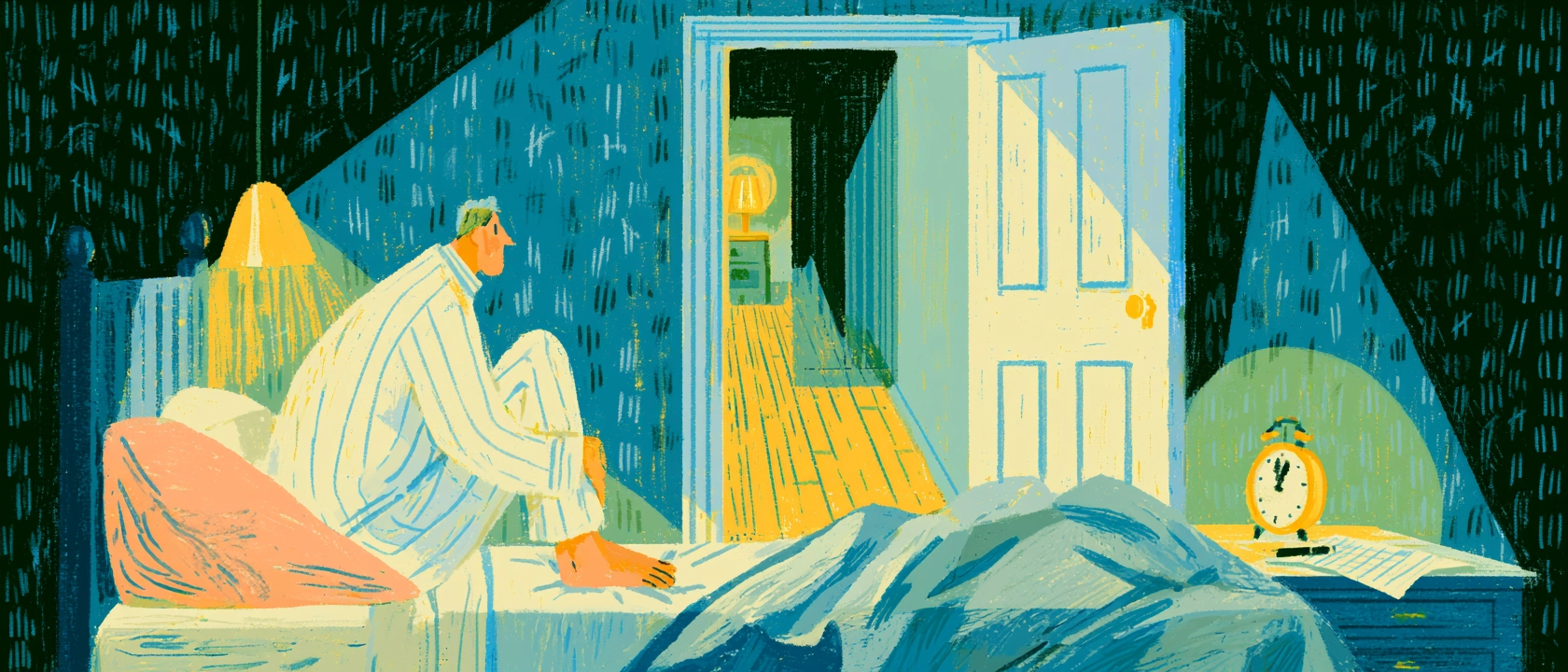
Most people with social anxiety engage in what's clinically called post-event processing: detailed, negative rumination about how the interaction went. You replay every moment that felt awkward. You fixate on the one joke that didn't land. You reconstruct what people were probably thinking about you as they drove home.
It feels productive. Like you're problem-solving, figuring out what went wrong so you can do better next time.
But that's not what's happening. The rumination deepens the fear. It tells your brain: That situation deserved this level of analysis. Your instincts to be afraid were correct.
Research confirms this. Post-event processing is one of the key mechanisms that maintains social anxiety over time, because the rumination makes events feel worse in retrospect than they were.
When safety behaviors and post-event rumination combine, you get a closed loop: You use safety behaviors during the interaction (so you never fully test the fear). Then you ruminate afterward (reinforcing that the situation was dangerous). Then the next event arrives and your brain says: Remember how scared you were? You'll need those safety behaviors again.
The anxiety doesn't resolve. It compounds.
Social anxiety is often minimized, written off as shyness, introversion, or just "being nervous." But untreated, it tends to expand.
It narrows your world gradually. Fewer invitations accepted. Fewer opportunities taken. Friendships that don't deepen because you were never fully present in them. Career moves avoided because they'd require visibility. Relationships that stayed surface-level because vulnerability felt too risky.
Over time, untreated social anxiety commonly contributes to depression, as a result of the accumulated losses. The social connection you quietly gave up. The version of yourself you kept hidden.
The good news: social anxiety responds very well to treatment. The pattern isn't permanent. The brain can learn something different, but only if it's given the chance to actually experience something different.
At Layers Counseling Specialists in Plano, Texas, social anxiety treatment starts with one thing: understanding your specific safety behaviors. Everyone's list looks different. Some clients are phone-scrollers. Some are obsessive rehearsers. Some are reassurance-seekers. Most are doing several of these at once without realizing it.
Once we've mapped the pattern, we use Exposure and Response Prevention (ERP), the same evidence-based approach used for OCD, applied to social anxiety. ERP is effective for social anxiety for one specific reason: it removes the safety net on purpose.
In ERP, you deliberately engage in social situations that trigger anxiety, but without the safety behaviors you'd normally use. You go to the event without your phone. You speak without rehearsing. You sit with the discomfort instead of reaching for reassurance afterward. The goal is to give your brain the experience it's been missing.
Here's what happens when you do: Your brain goes into the situation predicting disaster. Then, without the safety behavior to buffer it, you discover something your anxiety never let you discover before: The thing I feared didn't actually happen. I was uncomfortable, but I didn't fall apart.
This is called extinction learning. Your brain gradually unlearns the threat association because you experienced it being fine, without a crutch.
We also address post-event processing, the rumination loop that keeps anxiety going after the situation ends. Learning to interrupt the rumination cycle is as important as working on the safety behaviors themselves. Both pieces have to move for real change to happen.
Our team includes multiple clinicians trained in ERP, working with clients across the lifespan: children, teens, and adults. Karla Pineda, LPC, Isaac Rosas, LMSW, and Rachel Tipsword, LCSW all bring ERP training to anxiety treatment. Sessions are available in both English and Spanish, and we offer clinicians at different fee levels, so cost doesn't have to be the reason someone stays stuck.
Treatment looks different for everyone. Some clients work through a structured exposure hierarchy over several months. Others find that understanding the mechanism, really understanding why their coping is backfiring, shifts things faster than they expected.
If you're in Plano, Frisco, Allen, or anywhere in the DFW area and social anxiety has been quietly limiting your life, reach out to Layers Counseling Specialists. The first step is a conversation about what the pattern looks like for you.
Safety behaviors are actions people take during or after social situations to reduce anxiety in the short term: things like scrolling your phone, rehearsing conversations ahead of time, staying close to a trusted person, or seeking reassurance afterward. While they feel protective, they prevent the brain from learning that social situations are safe, which keeps anxiety going over time.
Yes, over time. Reassurance feels helpful in the moment, but it teaches your brain that it can't evaluate social situations on its own. Each time you seek reassurance and get it, you get about twenty minutes of relief before the doubt returns, often stronger. Breaking the reassurance cycle is one of the core goals of ERP for social anxiety.
Yes. ERP, exposure and response prevention, is one of the most evidence-based approaches for social anxiety. It works by deliberately practicing social situations without safety behaviors, giving the brain the chance to learn that the feared outcome isn't as likely or as catastrophic as it expects. Research consistently shows that dropping safety behaviors during exposure significantly improves treatment outcomes compared to exposure alone.
Shyness is a personality trait: a preference for smaller social settings or a slower warm-up time with new people. Social anxiety is a clinical condition in which social situations trigger a fear response that the brain treats as genuine danger. The key difference: shyness doesn't typically lead to significant avoidance, impairment, or the kind of rumination cycle described above. Social anxiety does.
If social anxiety is causing you to regularly decline invitations, avoid situations that matter to you, or spend significant time ruminating after social interactions, it's worth talking to someone. Social anxiety is highly treatable. Most people who engage in ERP-based treatment see meaningful improvement within a few months.
If social situations regularly involve any of these, it may be time to talk to a therapist:
Layers Counseling Specialists serves families and individuals across Plano, Frisco, Allen, McKinney, and the broader DFW area. Request an appointment here. You don't have to keep managing this alone.
By Karla Pineda, LPC | Layers Counseling Specialists, Plano, TX
Last reviewed: May 2026
This article is for educational purposes and is not a substitute for professional mental health advice. If you are in crisis, call or text 988.
Our Plano therapists specialize in OCD, anxiety, ADHD, autism, ARFID and trauma, in person or online anywhere in Texas. Every clinician starts with a free 15-minute consultation, so you can see whether it feels like a fit before you commit.
anxiety
Anxiety Disorders
anxiety-disorders