By Karla Pineda, LPC · Last reviewed: July 2026
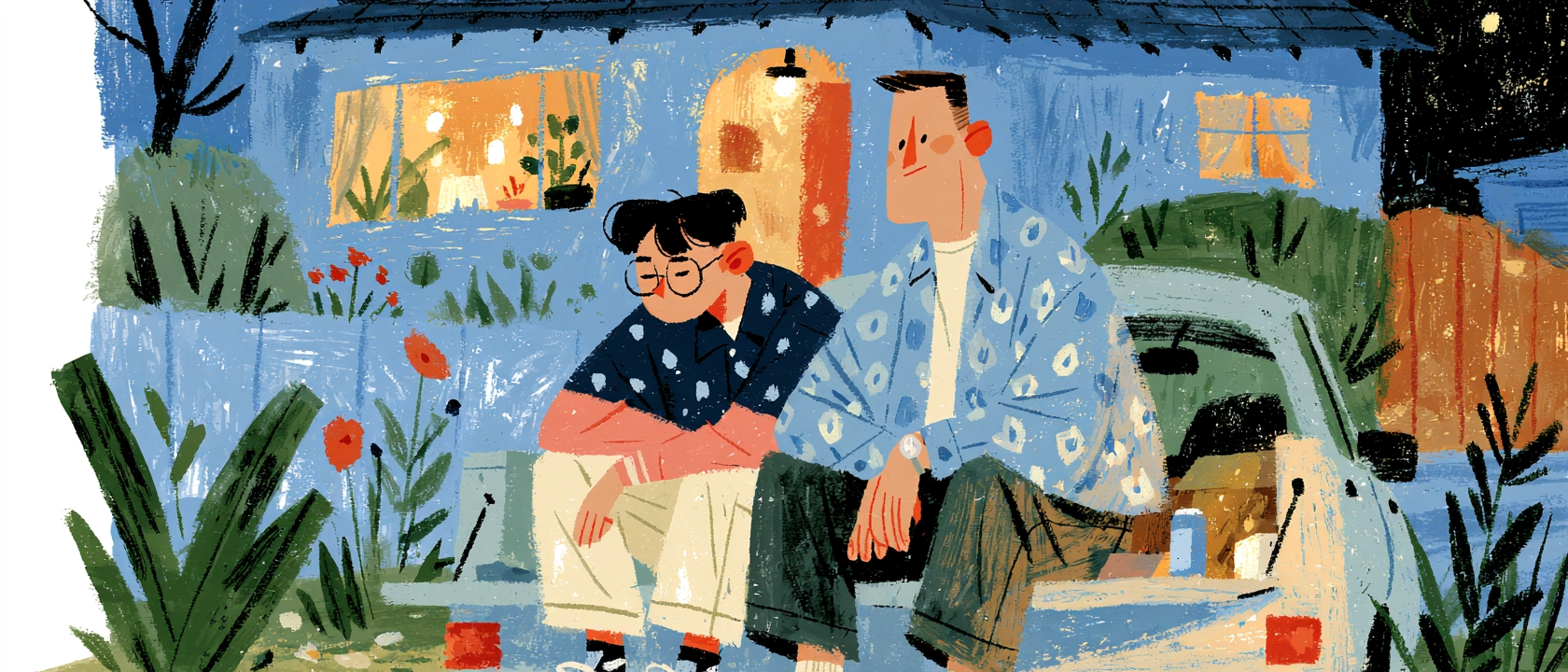
The book has been on the sofa cushion for forty minutes. You want to read it. You picked it, you've been looking forward to it all week, and it is eleven inches from your hand. Your hand does not move.
If you're autistic, or love someone who is, you may know this exact distance. It has a name in the autistic community: autistic inertia, and it covers far more than books.
Autistic inertia describes a difficulty initiating, stopping, or changing activities that many autistic people experience, including with things they genuinely want to do. The term comes from the autistic community rather than the diagnostic manual, and it runs in both directions: the start that won't start, and the stop that won't stop.
It sits alongside better-known autistic experiences, and if the broader framing is new to you, our post on neurodiversity-affirming care is useful ground. This post is about the eleven inches.
Like the intention arriving without the ignition.
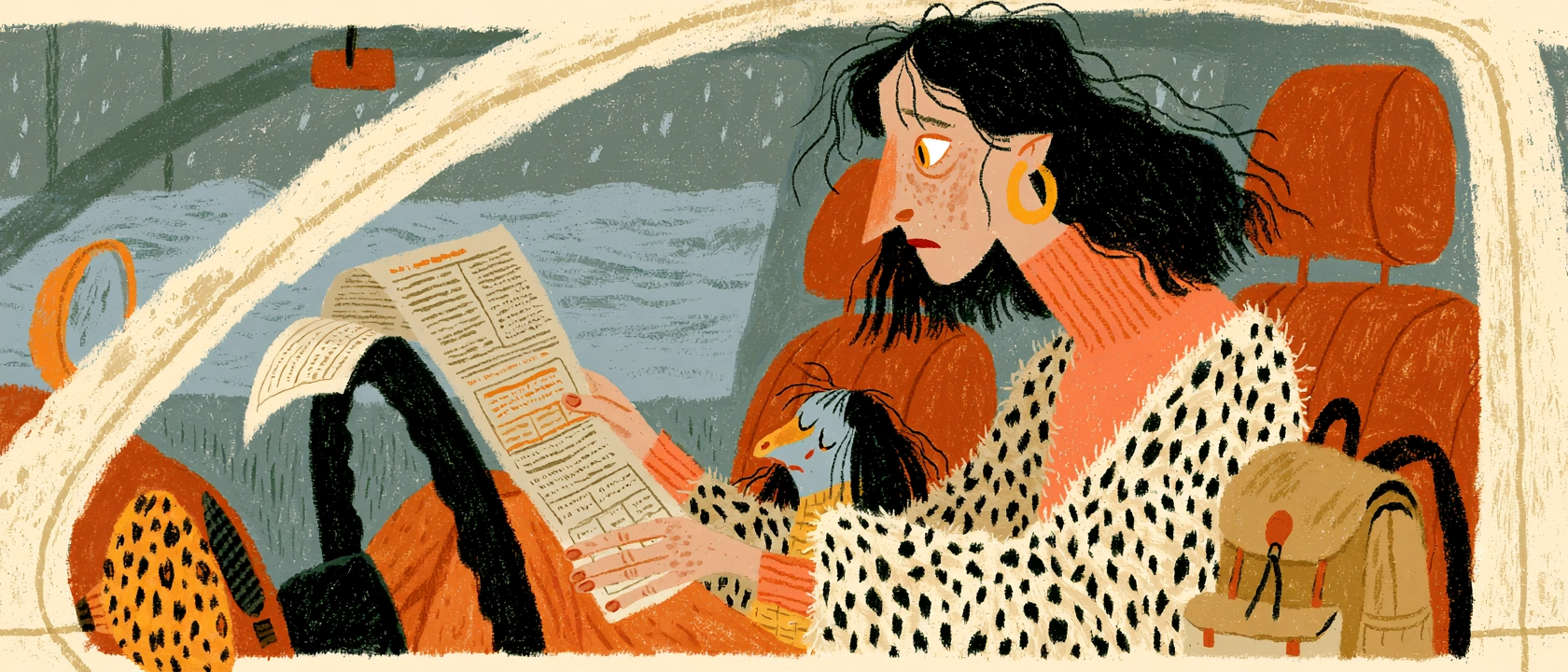
A client we'll call Priya described sitting fully dressed for a shower she wanted, sometimes for an hour, thinking get up in a calm and reasonable voice the entire time. Nothing about it looked like struggle from outside. From inside, it was a standoff between a decision and a body.
The stopping side confuses people just as much. The same person who can't begin the dishes may be unable to put down a project at 2am, long after the enjoyment has faded, because the current is moving and turning it costs more than continuing. Transitions between activities can be the steepest part of a day, which is why "one quick thing" before leaving the house so often swallows the morning.
And the whole time, the wanting is intact. That's the part outsiders miss. Priya wanted the shower. You want the book. The gap sits somewhere after wanting.
Because attention behaves like a river, and a river follows its channel.
Autistic attention tends to run deep and single-channel. Once engaged, it carves in, which is where the remarkable focus comes from. But the same depth means changing course is expensive. The current follows the channel that exists, and no amount of shouting at the water changes where the banks are.
Getting stuck is a channel problem, and effort only deepens the channel.
Research on this is young but pointed in one direction. The term was named by autistic people describing their own lives, and the first-hand-account studies that exist keep finding the same theme: people report that the state often ends only through some outside change, a person arriving, an alarm, a shifted condition, rather than through an internal act of will. In our Plano practice, that matches what clients tell us almost word for word. The ones who found traction changed their banks. The ones still stuck are usually still paddling harder.
They overlap, they can coexist, and the engine differs.
Attention-deficit/hyperactivity disorder (ADHD) task paralysis usually runs on interest and urgency: the brain won't release fuel for tasks that lack stimulation, then floods it at the deadline. Autistic inertia is more about momentum itself, and it applies even to interesting, chosen, wanted activities. Plenty of people live with both, since autism and ADHD travel together far more often than either travels alone, and untangling which pattern is running matters because the supports differ.
The label does compounding damage the stuckness alone never would.
A person who hears "lazy" for years starts pre-explaining, then over-promising, then avoiding commitments entirely because every commitment is a chance to be misread again. Jobs and relationships wear down over missed starts nobody can see the mechanics of. And self-trust erodes hardest, because when your own body won't execute your own decisions, and everyone including you calls that a character flaw, the conclusion you draw about yourself gets dark.
Inertia also deepens under load. During autistic burnout, the stuck states get longer and more frequent, which is one reason a "sudden" inability to function is worth taking seriously rather than pushing through.
By redesigning the banks instead of blaming the river.
That looks like ramps into tasks: starting rituals, body doubling, shrinking the first step until it's nearly frictionless. Ramps out of tasks: transition warnings, landing pads between activities, endings designed in advance. And load management, because inertia grows when capacity shrinks. Alongside the practical work sits the identity work, unlearning the laziness story a person has usually carried for decades.
Jessica Morales, LPC-Associate works with autistic and AuDHD teens and adults from a neurodiversity-affirming perspective, where the goal is a life shaped around how your attention actually moves. Our Plano, Texas team can help you figure out where to start, in a way that doesn't require you to already be unstuck to begin.
Is autistic inertia a real, recognized condition?
It's a real and widely reported experience, though the term comes from the autistic community rather than the Diagnostic and Statistical Manual of Mental Disorders (DSM). Formal research is small but growing, built largely on first-hand accounts, and clinicians increasingly use the concept because it describes a pattern that executive function language alone doesn't capture.
Is autistic inertia just laziness or procrastination?
Laziness implies not wanting to. Inertia happens with wanted activities, which is the defining feature. Procrastination usually involves avoiding discomfort; inertia can block a person from starting things they expect to enjoy, and from stopping things they no longer do.
How do you get unstuck from autistic inertia?
External changes work better than internal pressure. Alarms and timers, a body double, a starting ritual, breaking the first step down until it's tiny, or having someone else begin alongside you. Over time the goal is designing routines so fewer raw cold-starts are needed at all.
Does every autistic person experience inertia?
No. Like most autistic experiences, it varies widely in presence and intensity, and it fluctuates within one person depending on stress, sensory load, and burnout. Many people notice it most during high-demand seasons and least when routines are stable.
Consider reaching out if:
Priya still doesn't win standoffs with the shower through willpower. She stopped entering them. The water starts on a timer at 9pm, and a running shower turns out to be a changed bank, an outside condition her current can follow.
The book is still eleven inches away. Move the bank: put it on your pillow, or hand it to someone and ask them to hand it back at eight. The river was never broken. Layers Counseling Specialists serves teens, adults, and families across Plano and the DFW area, and our autism specialty team can help you redesign the channel your days run through. Request an appointment when you're ready.
This article is for educational purposes and is not a substitute for professional medical advice. If you or someone you know is in crisis, call or text 988 (Suicide & Crisis Lifeline) or text HOME to 741741.
About the author: Karla Pineda, LPC, is the Executive Director of Layers Counseling Specialists in Plano, Texas. She is an International OCD Foundation (IOCDF) registered exposure and response prevention (ERP) therapist (rumination-focused ERP, or RF-ERP) who works with adults and teens on obsessive-compulsive disorder (OCD), anxiety, and the places where anxiety and neurodivergence overlap. Request an appointment.
Our Plano therapists specialize in OCD, anxiety, ADHD, autism, ARFID and trauma, in person or online anywhere in Texas. Every clinician starts with a free 15-minute consultation, so you can see whether it feels like a fit before you commit.
autism
Autism
autism