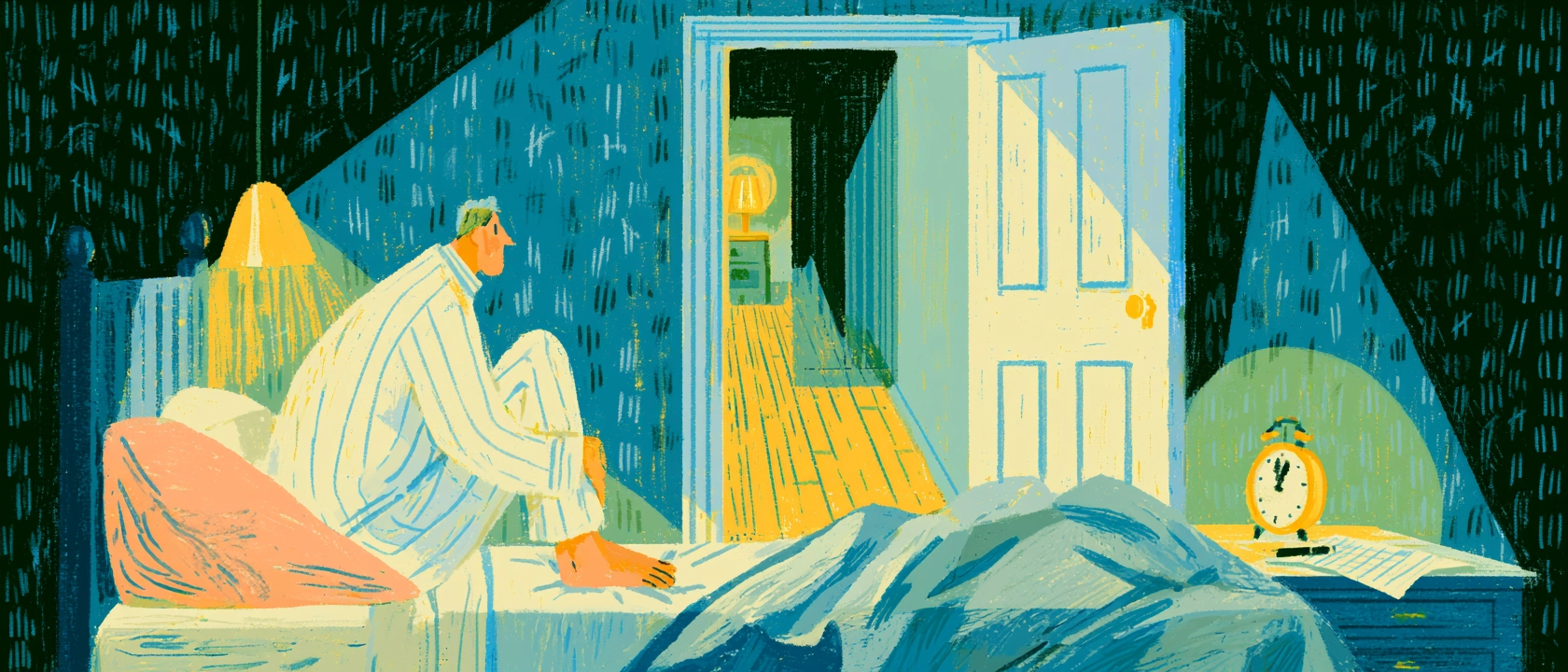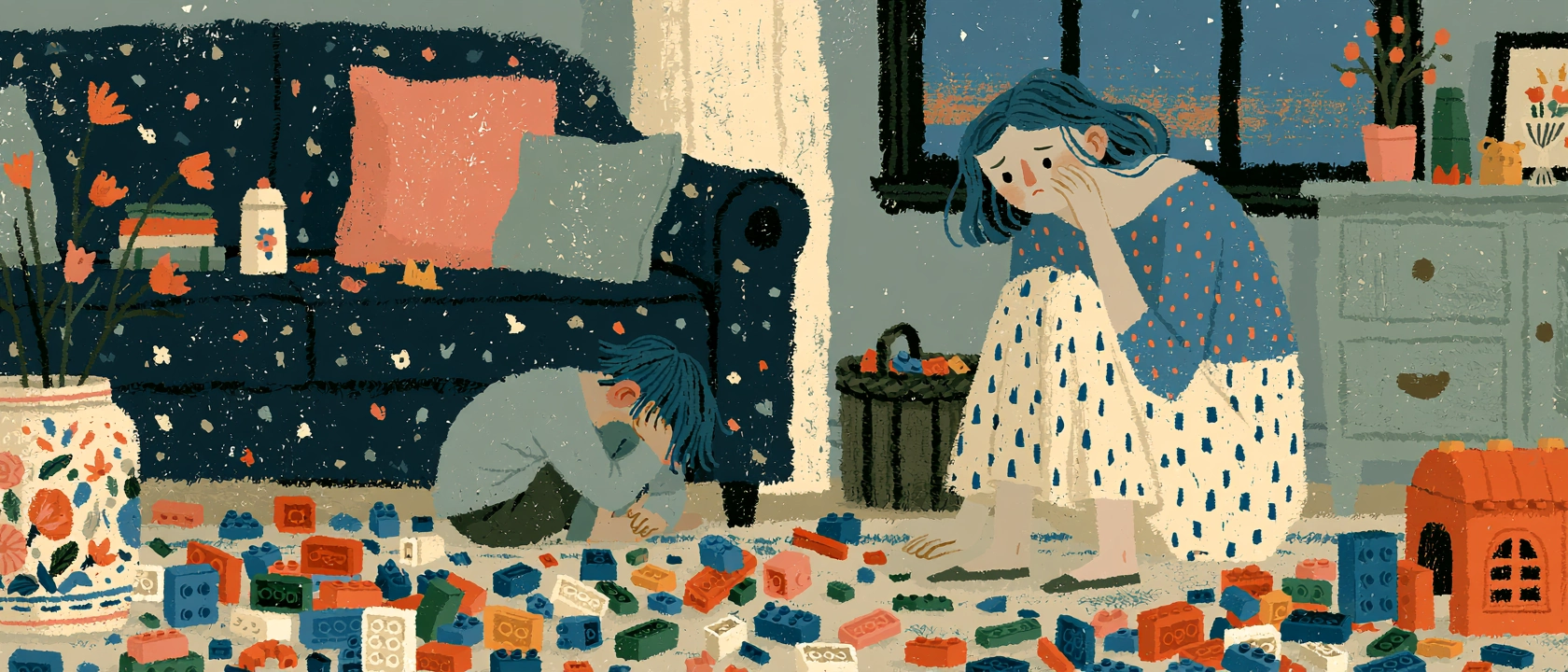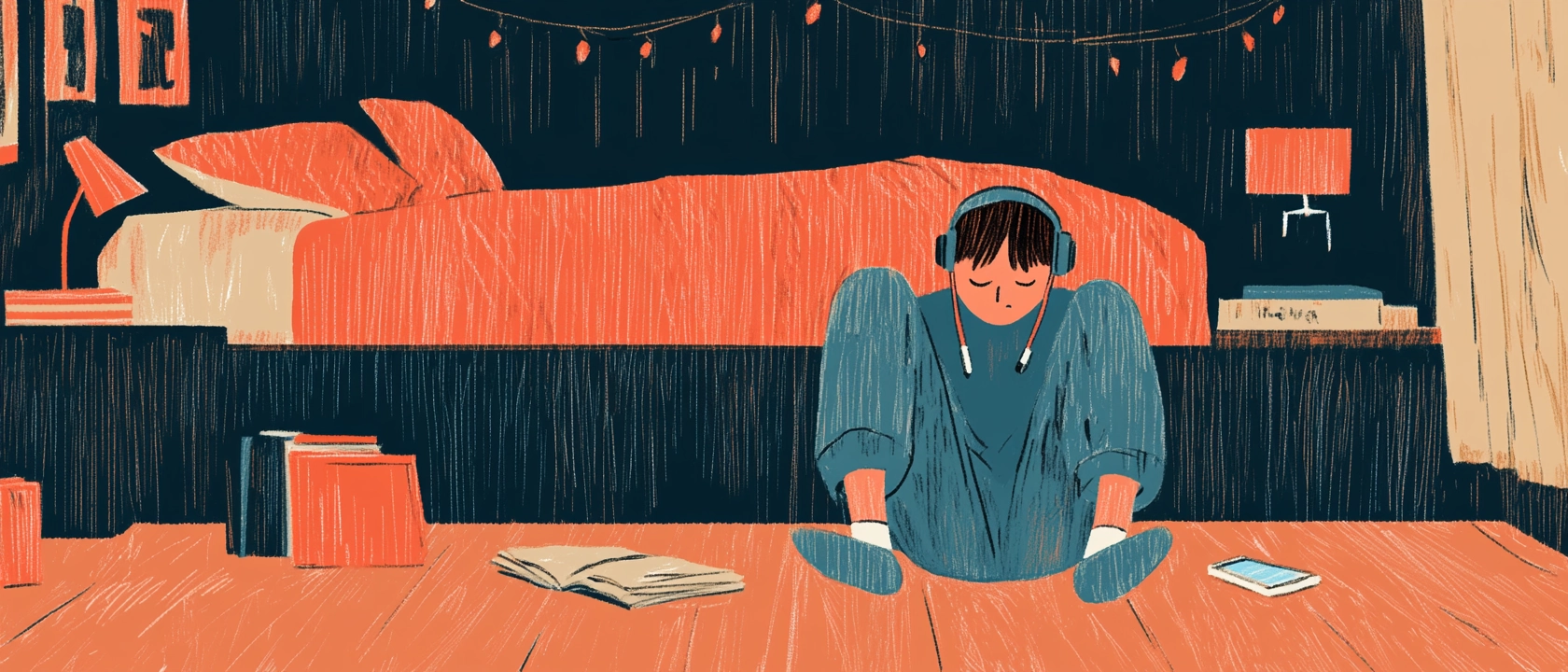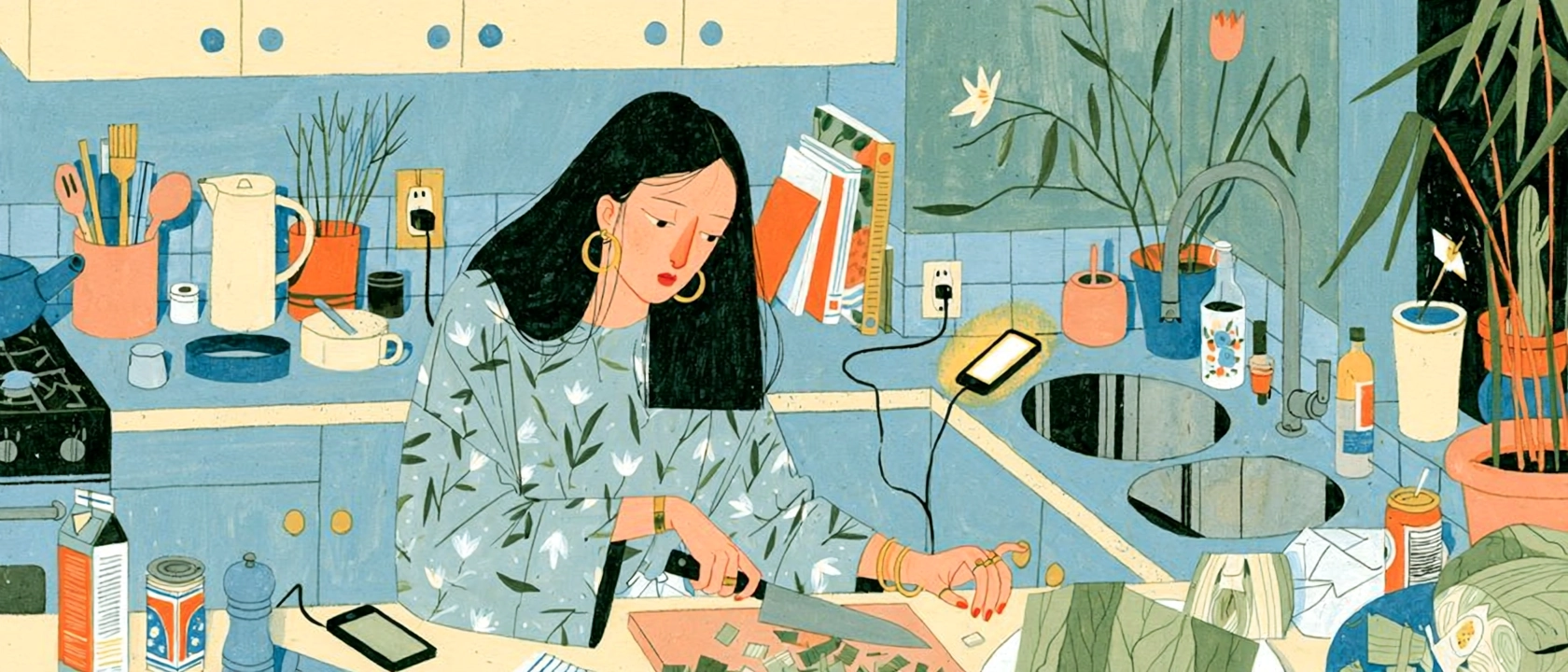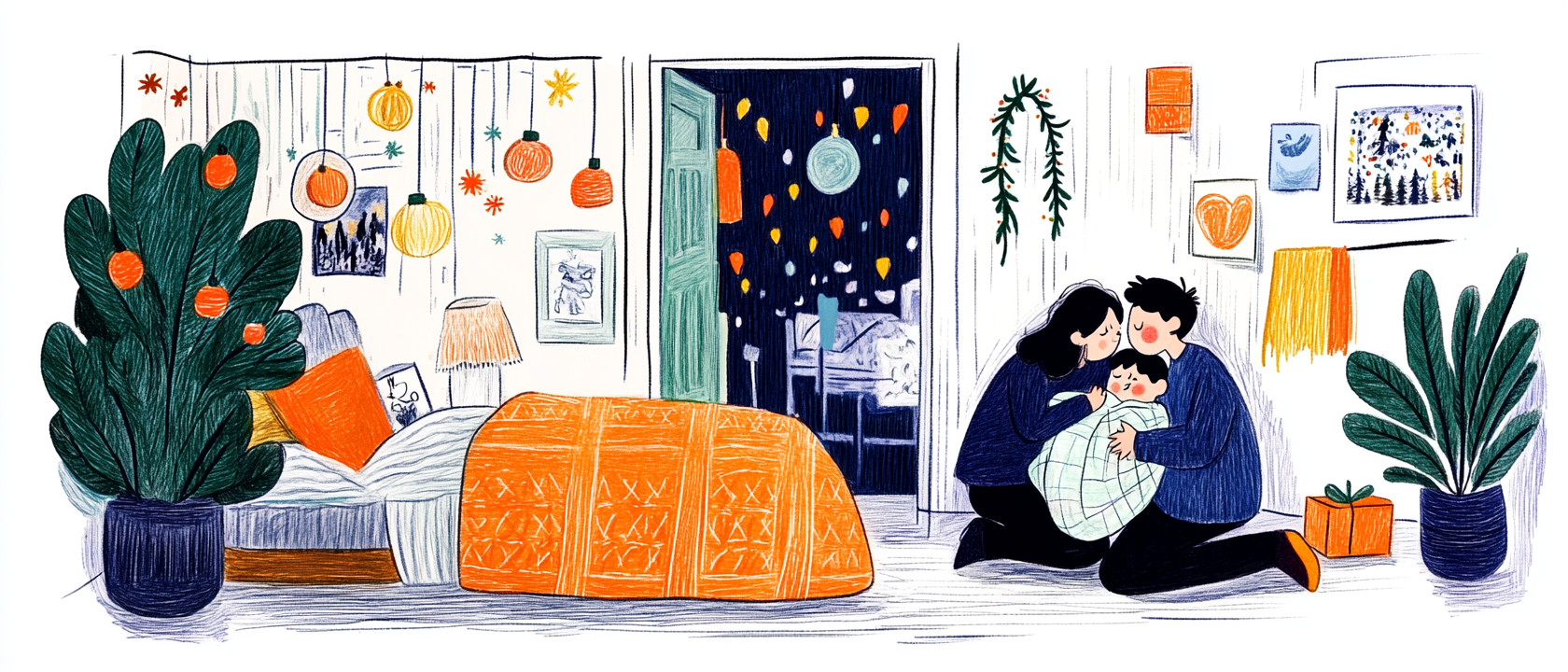
School's out. The alarm clock stops. Your calendar opens up. It's supposed to feel like relief.
And for the first week or two, it does. There's a lightness. Permission to breathe. No morning rush dictating where you need to be and when.
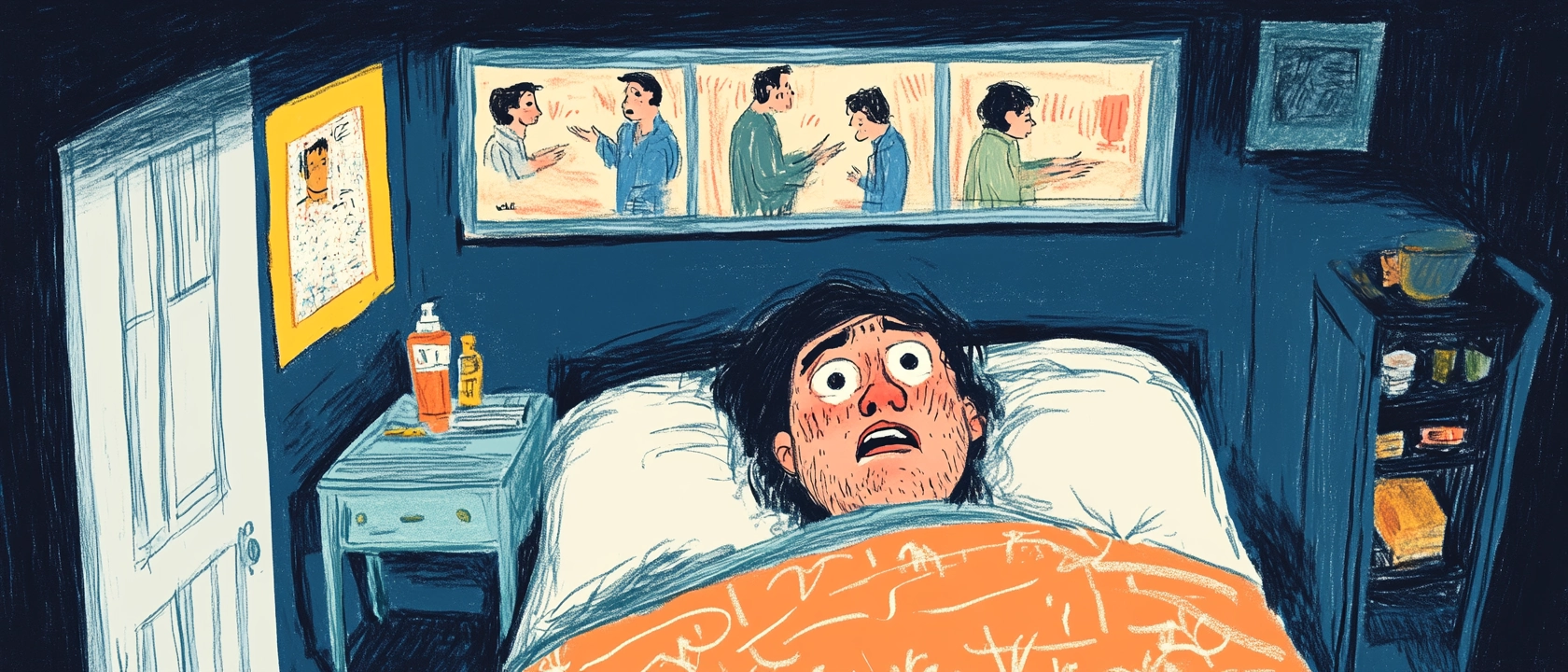
Then something shifts. The OCD kicks in harder than it has in months.
If you've experienced this — the strange timing where summer should be the best thing but instead becomes the worst — you're not alone. And it's not a coincidence.
Here's what most people don't realize about OCD and daily structure: routine is one of the most powerful coping tools for managing OCD — even if you're not consciously using it that way.
During the school year, life has boundaries. You wake up at 6:45. You're out the door by 7:30. Work or school runs until 3 or 4. By the time you could theoretically sit down and ruminate for two hours, it's 10pm and you're exhausted.
The schedule doesn't cure OCD. But it does something almost as valuable.
It limits the real estate available for compulsions.
You can't mentally review a conversation for 90 minutes when you have a meeting in 10. You can't spiral into a "what if" rabbit hole when the day has already pulled you three steps forward. The routine creates friction. It interrupts the cycle before it can consume hours.
Summer removes that friction entirely.
I see this consistently in session. Right at the start of summer break, clients come in lighter. Relief in their voice. Shoulders less tight. They've given themselves permission to stop running.
And that relief is real. The rest matters.
But it's also a setup.
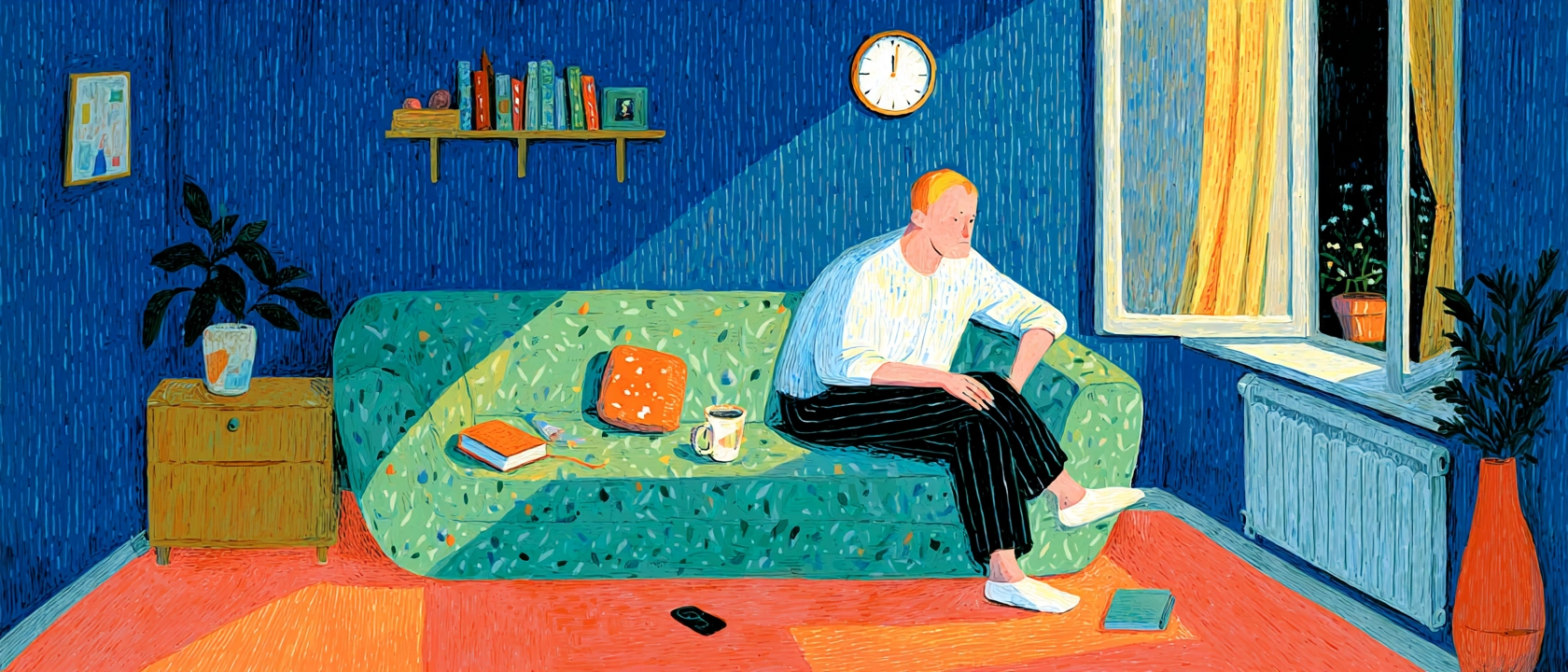
Because what happens by week two or three is this: the brain, given unlimited space, starts filling it. Not with rest. With rumination.
More free time doesn't mean more peace for someone with OCD. It means more capacity for the cycle.
The obsessive thoughts are still there — they always are. But now there's nothing stopping the person from following them down. No structure saying "you have to leave in five minutes." No external obligation interrupting the internal process.
So instead of a few minutes of intrusive thought followed by life moving forward, it becomes 30 minutes. Then an hour. Then hours.
The rumination deepens. The reassurance-seeking intensifies. The mental checking and re-checking becomes the day's main activity.
And the person sits there wondering: why am I worse when I'm finally supposed to be relaxing?
This is one of the hardest things to explain to people who don't have OCD.
When you have free time, the assumption is that you'll rest. The absence of external demands should feel peaceful.
For OCD, the opposite often happens.
The absence of external structure removes the very thing that was protecting you from the internal spiral. Without the school day, the work meeting, the obligation pulling you forward, there's space. And OCD abhors a vacuum. It will fill that space with worry, doubt, mental rituals, the need to neutralize what feels wrong.
Clients describe it this way: "I finally have time to think, and now all I'm thinking about is the thing I've been trying not to think about all year."
That's not laziness. That's the predictable pattern of what happens when routine goes away.
The patterns vary, but here's what I see most:
The morning starts open-ended. No appointment at 8am. No structured start to the day. So instead of waking and moving, the person wakes and starts thinking. The brain, uninterrupted, finds the obsessive thought waiting. By 10am, they've been ruminating for hours.
Days blur together. Without the structure that marks Tuesday as different from Wednesday, time becomes fluid. A person can spend an entire week in the same internal loop without realizing three days have passed.
Reassurance-seeking intensifies. With unlimited time comes unlimited access to Google, to texting friends, to asking "does this count as OCD or is it real?" The reassurance-seeking becomes the day's main activity.
Sleep gets worse. More time thinking during the day means more time thinking at night. The mind doesn't settle when it's been running rumination marathons all afternoon.
Isolation deepens. Unlike the school year when you're around other people with built-in structure, summer can be solitary. Which means more time alone with the thoughts.
The initial happiness is real. The relief of the structure lifting, the lightness of "I don't have to be anywhere" — that's genuine.
What changes is that the brain, given space, starts using that space the way OCD does: for processing doubt, seeking certainty, ruminating.
Summer isn't inherently bad for OCD. What summer does is remove one of your biggest unofficial coping tools. The structure wasn't curing the OCD. It was containing it.
And once the container lifts, the cycle expands to fill the space.
You don't have to white-knuckle through a bad summer. And you don't need the school year to feel okay.
The fix isn't to recreate the school schedule exactly — that defeats the purpose of summer. It's to build intentional structure that doesn't feel like punishment.
Create anchors in your day. Not rigid ones. Just things that break up the open space. Morning walk. Lunch at a specific time. An afternoon project that requires focus. Evening activity with other people. These don't have to be obligations — they can be things you actually want to do — but they function the same way: they interrupt the rumination cycle.
Limit reassurance-seeking intentionally. If you know you're going to reach for your phone compulsively, set a specific time window for that, or better, build days where you don't check at all.
Stay socially connected. Solitude plus OCD plus unlimited time equals rumination. Scheduled time with other people functions as a natural circuit-breaker for the cycle.
Consider summer therapy as intensive, not optional. If you normally do therapy during the school year, increase frequency in summer rather than decreasing it. This is when you most need the support.
Build in one daily thing that requires focus. A project, a class, a hobby that demands your attention. Not because you're lazy — because your brain needs somewhere to go besides the rumination.
ERP therapy is particularly effective during summer because you have the time to do the work. Unlike during the school year, when people are squeezing therapy around a full schedule, summer offers the chance for deeper, more intensive exposure work.
If your summer OCD is significant — if the rumination is consuming hours, if you're more isolated than you'd like, if the spike is noticeably worse than during the school year — this is actually the perfect time to start or intensify treatment.
As an IOCDF-registered ERP therapist, I've seen people make significant progress during summer breaks when they commit to the work. The irony is that what feels like the season you should be "taking off" is often the season when you can do the most productive clinical work.
Not just feeling. The pattern is real and consistent. Summer's lack of structure removes a natural containment system for the obsessive-compulsive cycle. More time available equals more time ruminating. The spike is predictable, and it's not a sign you're doing something wrong.
Because relaxation time and rumination time are competing for the same mental space. When your calendar is full, rumination gets squeezed out. When your calendar is empty, rumination expands. This isn't about willpower — it's about how much space is available for the cycle.
Not a rigid school-year schedule. But intentional structure — anchors, social commitments, projects that require focus — does interrupt the rumination cycle naturally. It's about breaking up open time, not recreating school-year rigidity.
Yes. If you start or intensify ERP therapy in summer, you have the time and space to do real exposure work. The same open schedule that creates vulnerability also creates opportunity for clinical progress.
Sometimes. But if parenting itself triggers OCD — perfectionism, intrusive thoughts, reassurance-seeking about whether you're doing it right — having kids home may intensify the cycle even though there's technically more structure. The key is whether the structure interrupts rumination or feeds it.
Summer doesn't have to be the worst season for OCD. But pretending the spike won't happen — or expecting yourself to just relax through it — sets you up for frustration.
What works is acknowledging the pattern and building structure that protects you from unlimited rumination time. Not structure that mimics the school year. Structure that fits the season you're actually in.
If you're noticing the spike starting, or if last summer was rough and you're planning differently this year, that's exactly the kind of work therapy can help with.
Layers Counseling Specialists offers OCD-specialized treatment in Plano, Texas, serving families and adults across the DFW area. If summer has historically been hard, we can work on making this one different.
Last reviewed: June 2026
This article is for educational purposes and is not a substitute for professional medical advice. If you or someone you know is in crisis, call or text 988 (Suicide & Crisis Lifeline) or text HOME to 741741.