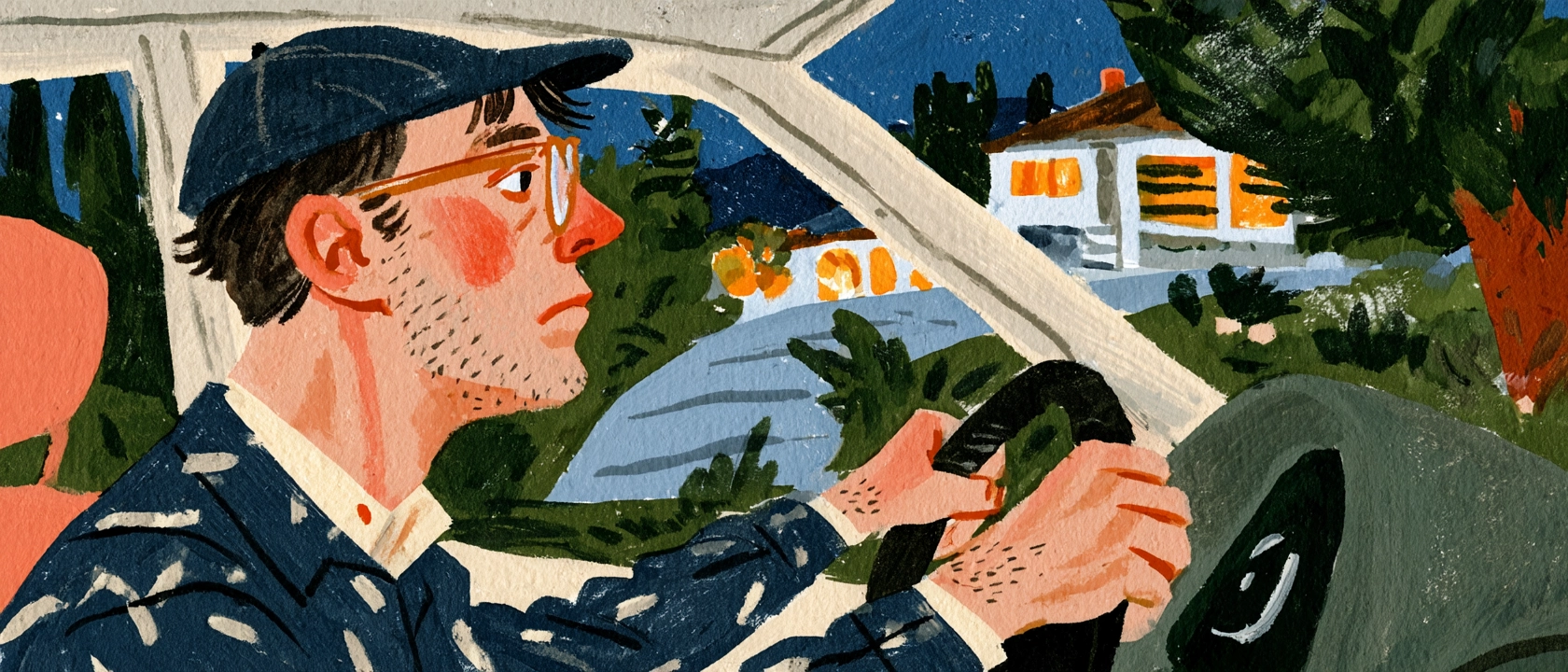
Will therapy try to make my kid less autistic?
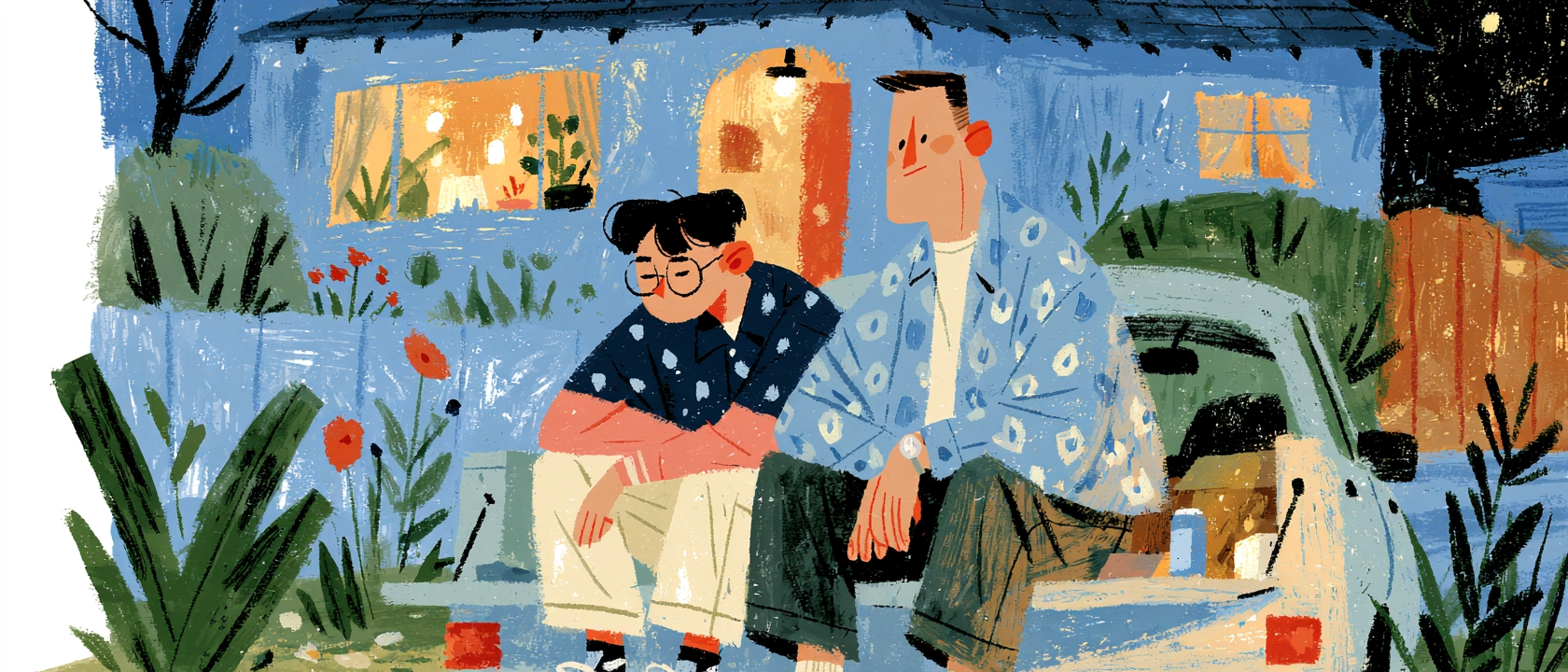
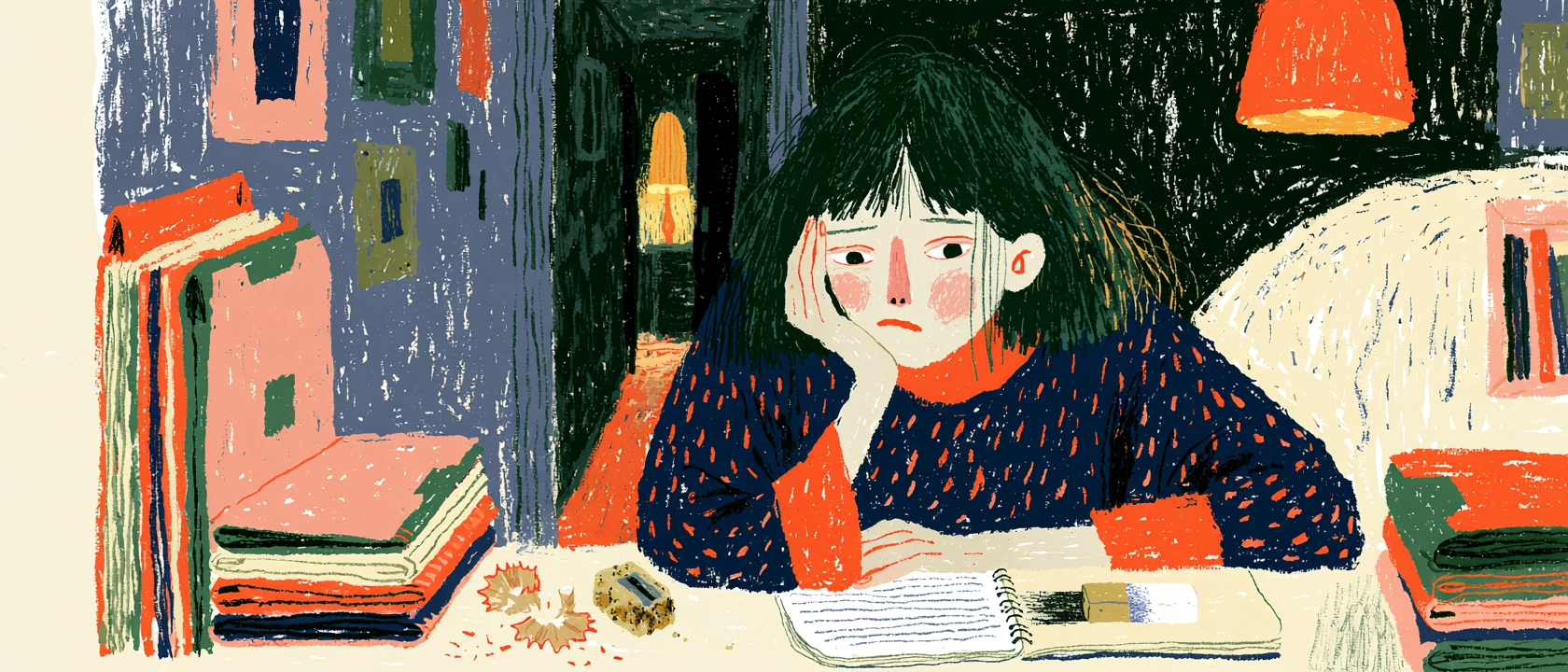
Lauren, a fictional parent built from patterns we see often, asked that out loud in her first phone call. Her son Mateo is eight. He can explain every block in Minecraft, and most days he falls apart the minute he walks in from school.
She wanted help with the meltdowns. She also wanted a promise that nobody would spend the hour teaching him to sit still and act like somebody else.
If that's your worry too, AutPlay Therapy was built with your family in mind. It's a way of doing play therapy with neurodivergent kids, and its creator puts the core idea plainly: therapy works on what your child needs, and who your child is stays off the table. If you've never seen play therapy up close, start with our guide to what happens in a play therapy session.
AutPlay Therapy is a neurodiversity affirming framework for play therapy with neurodivergent children, created by Dr. Robert Jason Grant. It guides how a therapist uses established play therapy approaches, special interests and parent involvement to help with needs like anxiety, meltdowns and social stress. The goal is helping a child get what they need while respecting how their brain works.
Walk into an AutPlay session and it may look like plain fun.
That's by design. AutPlay is a framework for doing child and play therapy, and it sits on top of the therapist's main approach. Think of the approach as what happens in the room and the framework as the lens for how it happens. One approach it pairs well with is child centered play therapy, where your child leads the play and the therapist follows closely, reflecting what they notice.
Depending on your child, sessions might include free play, structured games, sandtray, art, music, movement or even digital play.
A few things stay the same across every session:
In Mateo's sessions, Minecraft became the therapy room. A creeper stood in for the big after school feeling, the one that seems to come out of nowhere and blow everything up. Building a safe house before the creeper arrived turned into practice for the car ride home.
For a long time, a lot of therapy for autistic kids aimed at one outcome. The child should look more typical. Sit still, make eye contact, stop flapping, stop talking about trains.
Kids can learn to do all of that. Many of them learn it by hiding who they are, a pattern called masking, and masking tends to cost kids far more than parents can see from the outside. AutPlay's guidelines tell therapists to avoid any activity that pushes a child toward masking and to build on each child's strengths.
Think of your child's nervous system as an instrument tuned to its own key.
A good play therapist figures out which key that is, then plays along in it. Music written in the right key sounds easy and natural. Force the same song into a different key and every note strains. AutPlay spends the first part of therapy learning your child's key.
If "neurodiversity affirming" is a new phrase for you, this overview of what it means for autistic kids is a good place to start.
The research on AutPlay is still emerging, and so far it's encouraging. Early results show gains in kids' therapy goals and in the parent and child relationship. Child centered play therapy, one approach AutPlay can guide, has also shown promise for social and emotional growth in autistic kids.
One part of AutPlay happens outside the therapy room entirely. For many parents, it becomes their favorite part. We'll get there.
Parents sometimes apologize for the special interest. He'll only want to talk about Minecraft. She'll turn everything into horses.
In AutPlay, that's good news. Therapists are asked to understand each child's play preferences and special interests, and never to force a child to play a certain way. A special interest is often where a neurodivergent kid feels calm, capable and most like themselves. That makes it the best possible starting point for harder work.
Therapy starts where your child already feels most like themselves.
Back to the instrument. A song in your child's key is one they can actually play.
Now for the part that happens at home.
AutPlay trains parents to lead short, relaxed playtimes with their child between sessions. The main one is called the Follow Me Approach, where your child leads the play and you follow. It sounds simple. For a lot of families, it's the first time in months that time together hasn't involved a demand.
Lauren started joining Mateo's Minecraft world a few evenings a week, with one rule for herself. He was in charge. The first week, he mostly showed her his builds. By the third week, he was telling her which days the creeper had been huge at school.
The needs that come from a hard fit between a child and their world tend to grow when nobody addresses them.
Daily meltdowns can wear down the whole family. Anxiety can shrink a child's world until school, parties and sports all feel like too much. Some kids spend so much energy masking that they come home with nothing left.
Over time, many kids pick up a harder lesson. They start to believe their brain is the problem. Early, affirming support helps a child learn that their brain is fine and that the hard moments are something they can get help with.
At Layers, AutPlay is part of our neurodiversity affirming care for kids, including autistic kids and kids with ADHD. Jessica Morales is a Certified AutPlay Therapy Provider on our team. She uses AutPlay as her framework and child centered play therapy as her main approach, and our AutPlay care is growing.
Sessions follow your child's lead, build on their strengths and give them a real voice in their own goals. When structure helps, it comes in too.
Parents are part of the work from the start. You'll learn home playtimes that fit your child, so the connection keeps building between sessions.
Families come to our Plano office from across Collin County, including families in McKinney looking for neurodiversity affirming therapy for their kids.
AutPlay Therapy is designed for neurodivergent children and teens from about 3 to 18. Younger kids may do more hands on play with a parent close by. Older kids and teens might use games, art, music or digital play, and they can take a bigger role in choosing goals.
No. AutPlay Therapy also works with kids who have Attention-Deficit/Hyperactivity Disorder (ADHD), sensory differences, learning differences, social anxiety and other neurodivergent profiles. What matters is that your child has a need, like regulation or anxiety, that play therapy can help with.
No. AutPlay Therapy avoids activities that push a child to hide natural traits, including stimming, the repetitive movements many neurodivergent kids use to regulate. Therapy focuses on what your child wants and needs, like calmer afternoons or easier friendships, and it builds on the things your child already does well.
AutPlay Therapy is a framework that shapes how a therapist does play therapy with neurodivergent kids. The therapist pairs it with a main approach, such as child centered play therapy, where the child leads and the therapist follows. The framework keeps every part of that work neurodiversity affirming, from setting goals to choosing activities.
Yes. AutPlay Therapy treats parents as partners. You'll usually join some sessions and learn short playtimes to use at home, where your child leads and you follow. Many families find those home playtimes help the progress from therapy carry over into everyday life.
It may be time to talk with someone if:
Mateo still walks in from school some days with the creeper right behind him. Now he tells Lauren it's coming, heads to his room for a few quiet minutes and comes back out. He's exactly as autistic as he was in the spring, and a lot less miserable.
Lauren and Mateo are fictional, but parents tell us versions of their story all the time.
If you're in Plano or anywhere in the Dallas area, our autism therapy team works with neurodivergent kids and their parents.
When you reach out to our team, we'll walk you through current openings and the best fit for your child.
By Karla Pineda, LPC
Last reviewed: October 2026
Our Plano therapists specialize in OCD, anxiety, ADHD, autism, ARFID and trauma, in person or online anywhere in Texas. Every clinician starts with a free 15-minute consultation, so you can see whether it feels like a fit before you commit.
autism
AutPlay® Therapy
autplay-therapy