By Karla Pineda, LPC · Last reviewed: July 2026
"I thought everyone's brain worked this hard."
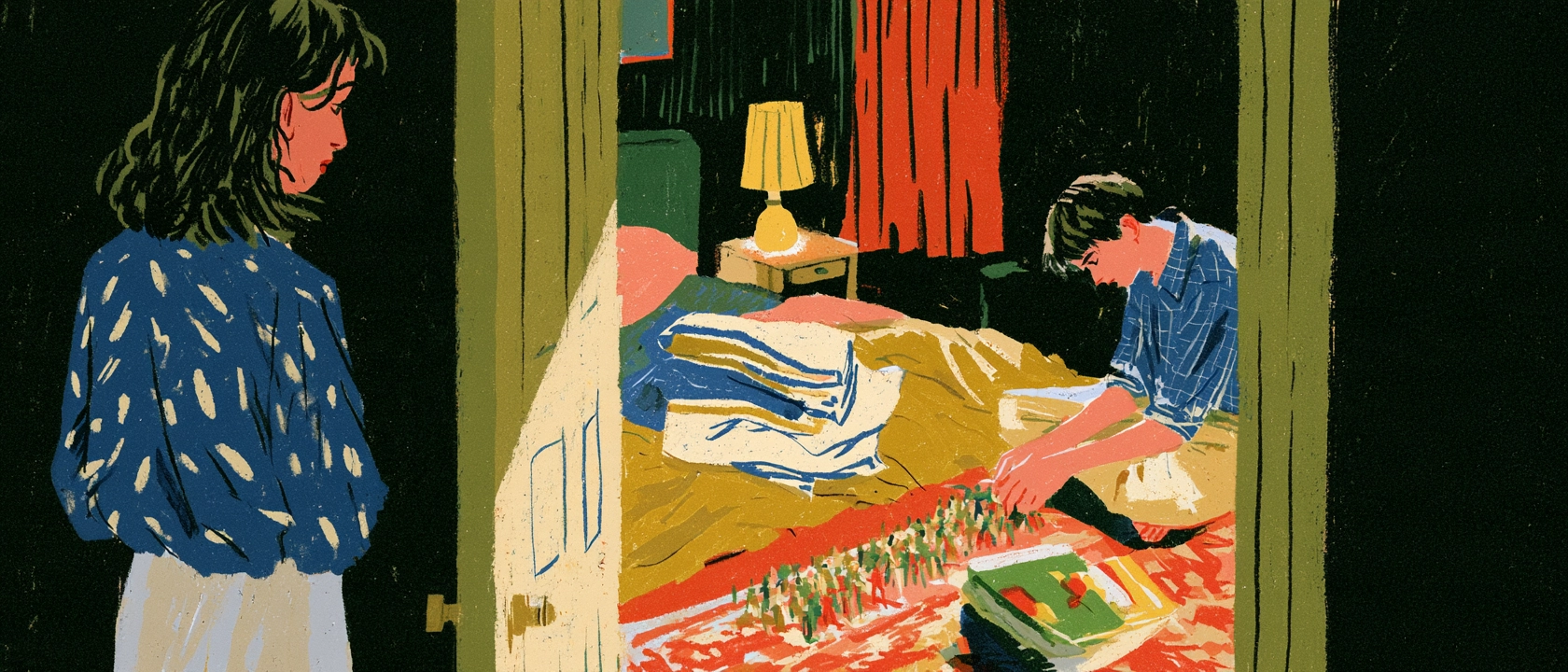
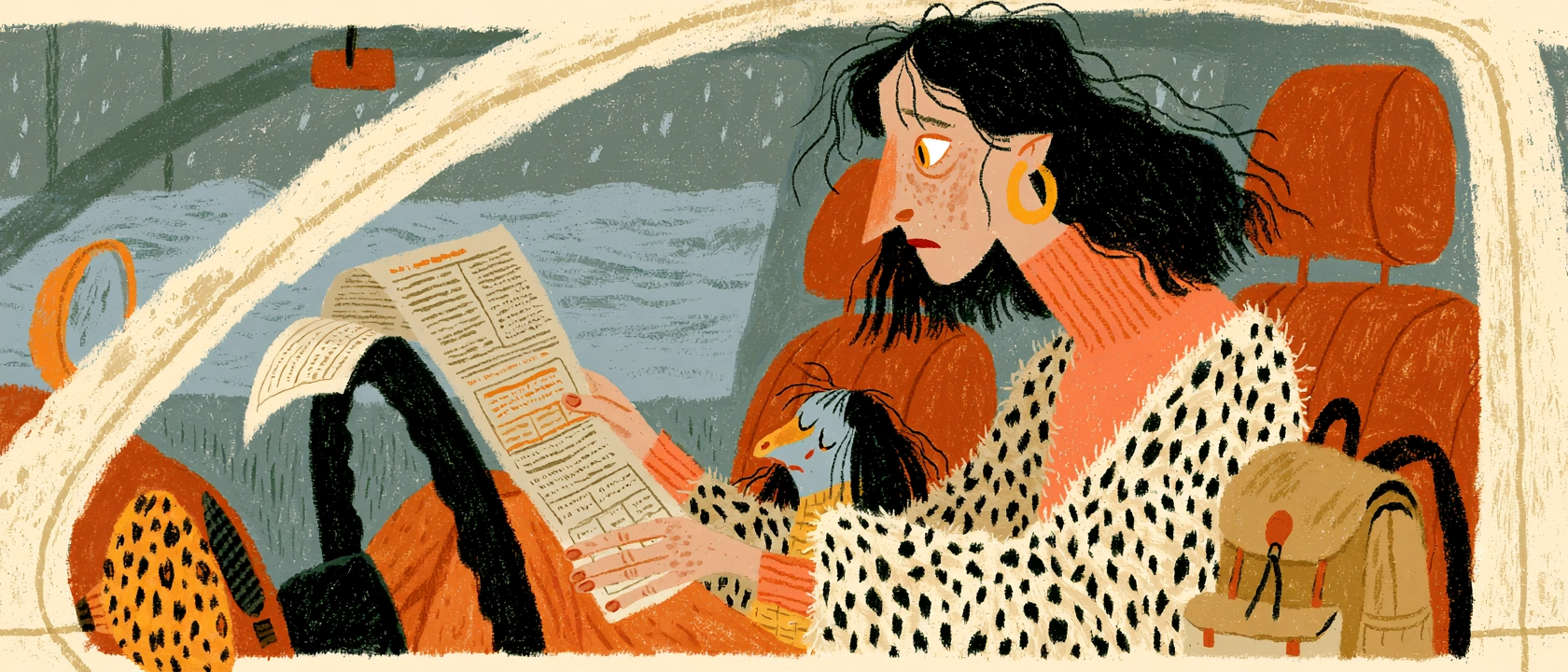
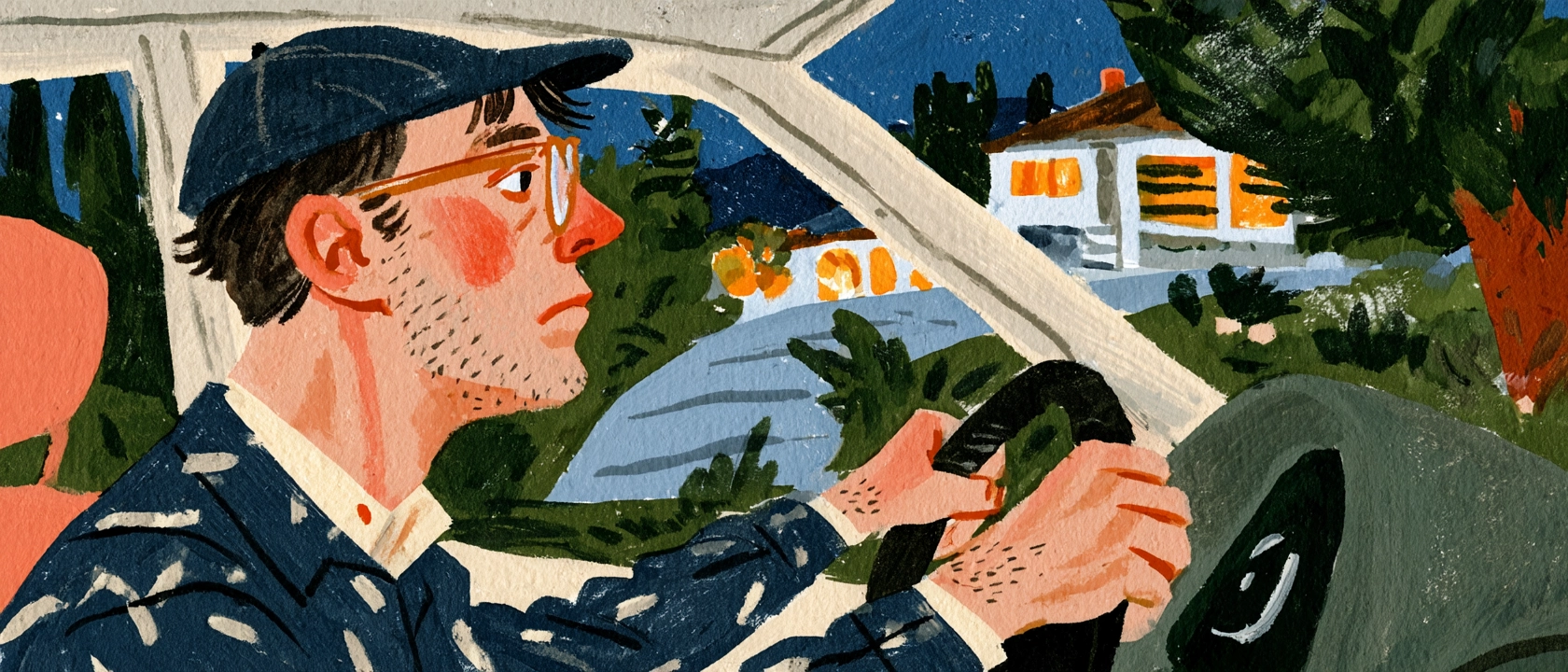
A client we'll call Elena said it at 38, a month after her nine-year-old finished an attention-deficit/hyperactivity disorder (ADHD) evaluation. Elena had sat in the parking lot afterward reading the symptom checklist meant for her daughter, and recognized her own childhood on every line.
If a version of that scene has happened to you, you're in a large and mostly invisible crowd. Women routinely reach their late thirties or forties before anyone names their ADHD, often only after a child's diagnosis holds up the mirror.
There's a reason the recognition took this long, and it has almost nothing to do with willpower.
Late-diagnosed ADHD in women means the condition was present from childhood but went unrecognized, because the symptoms were less visible, coping strategies covered the gaps, and the diagnostic picture was built around hyperactive boys. Women are commonly diagnosed decades after their symptoms began, frequently in their late thirties or forties, and often after a child's diagnosis.
If you're in the middle of a child's evaluation yourself, our guide to ADHD versus typical kid behavior covers what evaluators look for. This post is about the parent in the parking lot.
Because the picture everyone was taught to look for is a fidgety eight-year-old boy.
That stereotype shaped decades of referrals. The boy who can't stay in his seat gets flagged in second grade. The girl staring out the window, or reading under her desk, or talking too much but finishing her homework, gets called a daydreamer and moved along. Her restlessness lives on the inside, where no teacher can see it.
So she builds scaffolding instead. Lists for her lists. Alarms stacked on alarms. Perfectionism as a warning system, overwork as insurance, jobs chosen for their deadlines because deadlines are the only thing that reliably starts her engine. From the outside the building looks like it stands on its own. Nobody sees the structure holding it up, including her.
Rarely like the stereotype. Usually like competence with a hidden price tag.
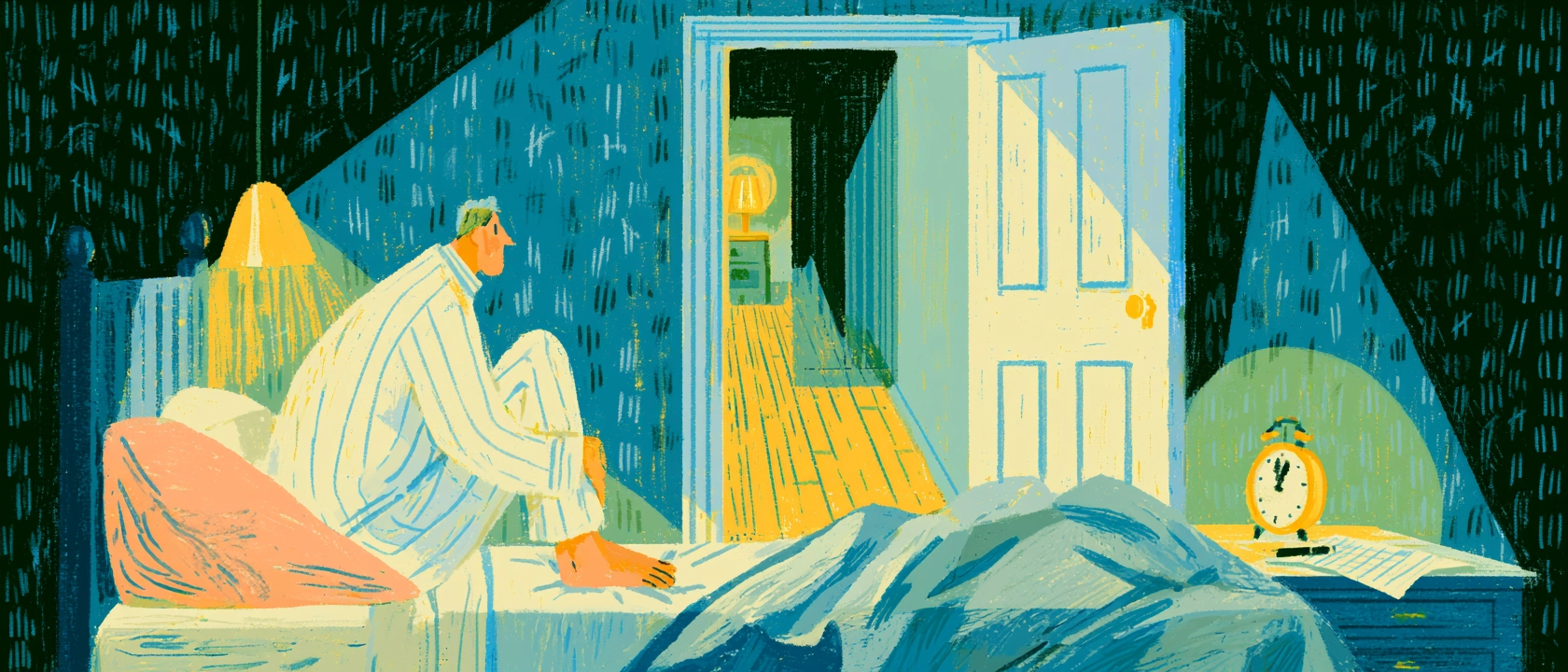
In our Plano practice, what we see most often is the woman with a reputation for being on top of everything. She answers email at 11pm because that's when the dread finally loses to the deadline. She has three redundant calendars, a drawer of abandoned hobbies, and an anxiety diagnosis from her twenties with medication that only ever half-worked.
The anxiety label is frequently the first, wrong answer. Anxiety is real for many of these women, but it grew as a response to years of unpredictable follow-through, the bodyguard hired by a brain that couldn't trust its own memory. Treating the bodyguard while ignoring the client is why so many women spend a decade in treatment that helps a little and never quite fits.
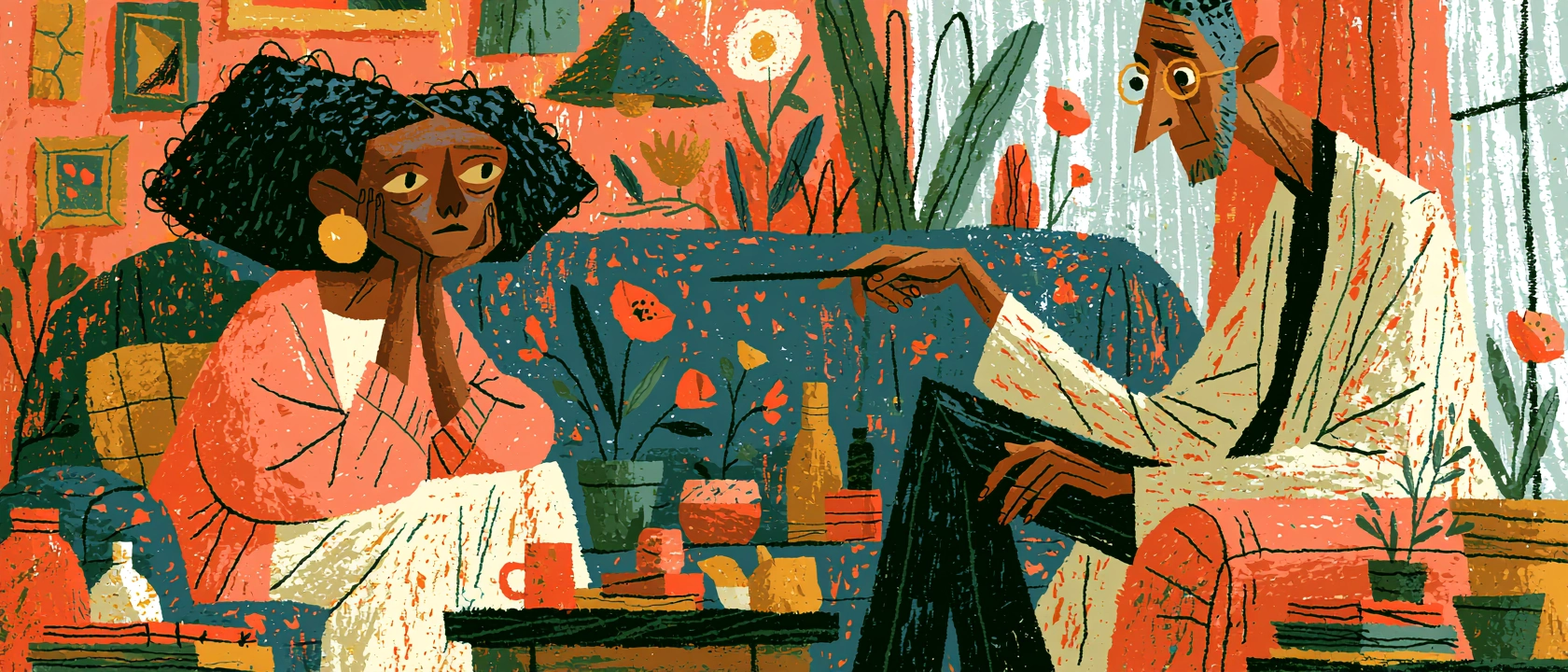
Elena had that story too. Two therapists, one antidepressant, and a personal rule against ever letting anyone see her kitchen counters.
ADHD runs strongly in families. When a child gets evaluated, a parent gets handed the first structured, plain-language description of ADHD they've ever read, usually while primed to search their own history for evidence.
The checklist becomes a mirror. And for many women, it's the first permission they've ever received to consider that the struggle was neurological rather than moral.
The scaffolding was holding up a building everyone thought stood on its own.
Recent qualitative research on late-diagnosed women found the same double reaction almost universally: relief at finally having an explanation, braided with grief for the decades spent absorbing criticism that was never deserved. Both reactions are normal. Both belong in the therapy room.
The scaffolding was engineered for a one-story life, and adulthood keeps adding floors.
School, for all its misery, supplied external structure: bells, syllabi, teachers noticing. Adult life removes the structure and multiplies the load. A career, a household, and children mean a woman isn't just running her own executive function anymore, she's running everyone's. Clinicians also widely report symptoms intensifying through perimenopause, which researchers are still working to fully explain.
Collapse usually looks like a capable woman suddenly "failing" at a life she managed for years. She hasn't changed. The load finally outgrew the system built to carry it in secret.
The misdiagnosis carousel keeps spinning. Anxiety and depression get treated for years while the engine underneath them goes unexamined, and each half-successful treatment gets filed away as further proof that something is uniquely wrong with her.
The heavier cost is the self-story. Thirty years of "lazy," "scattered," and "she'd forget her head" hardens into identity. Marriages strain over invisible labor and missed follow-through. Careers plateau below ability. And the exhaustion of compensating full-time, without knowing that's what she's doing, feeds the kind of burnout that takes years to climb out of.
The work has three layers, and skipping any of them shortchanges the other two.
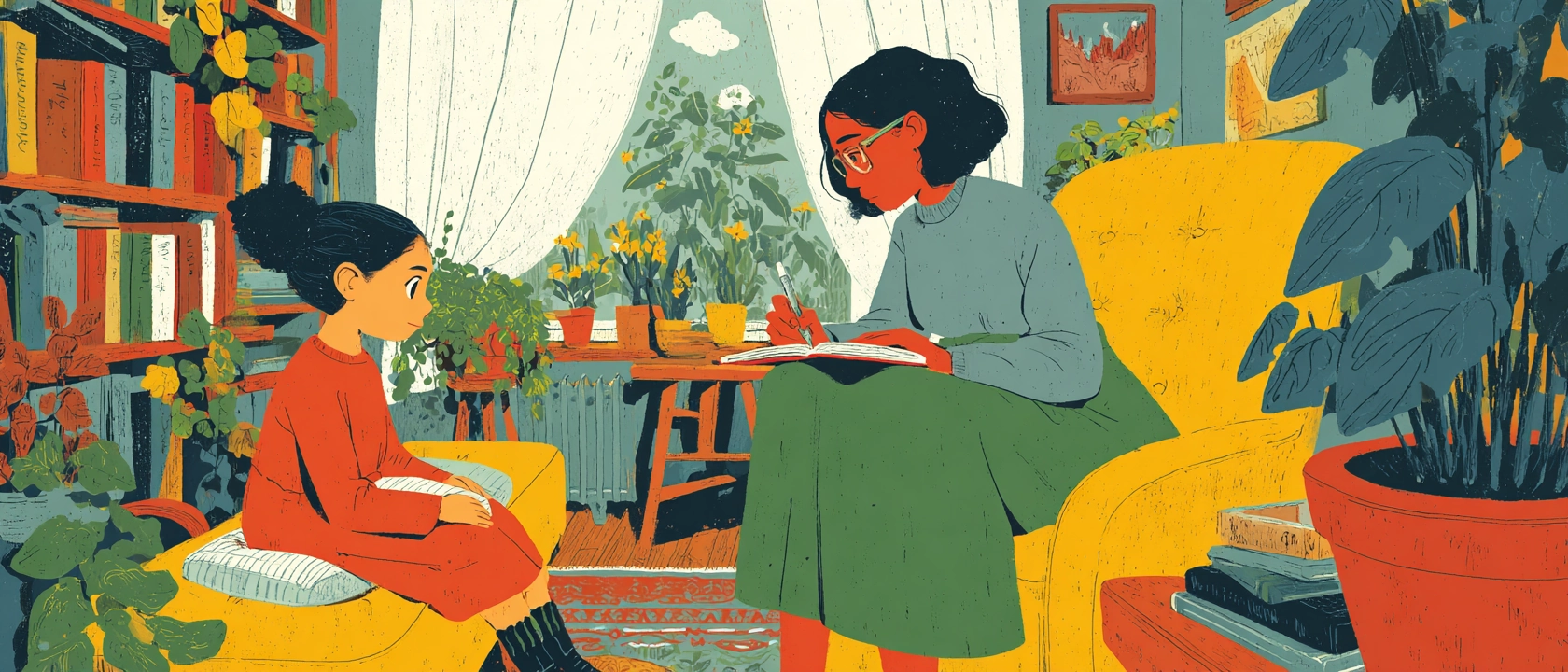
First, clarity, including screening and referral for formal evaluation when it's warranted. Second, strategies built for how her brain actually initiates and sustains attention, which usually means externalizing structure on purpose rather than through midnight panic. Third, the grief and identity work, because a diagnosis at 38 rewrites three decades of story, and that rewriting deserves a witness.
Jessica Morales, LPC-Associate works with ADHD adults from a neurodiversity-affirming perspective. For some women the ADHD diagnosis also turns out to be half the picture: autism and ADHD together hides even more effectively than either alone. Our Plano, Texas team can help sort out which map fits.
What are the signs of undiagnosed ADHD in women?
Chronic overwhelm behind a competent exterior, mental restlessness, working far longer than peers for the same output, time blindness, piles and lists as a management system, rejection sensitivity, and a history of anxiety or depression treatment that never fully fit. The pattern matters more than any single sign.
Can you develop ADHD as an adult?
No. ADHD is a neurodevelopmental condition present from childhood. What changes in adulthood is the load: structure disappears, demands multiply, and coping systems max out. When ADHD "appears" at 38, it's late recognition, and childhood evidence is part of a proper evaluation.
Is it ADHD or anxiety?
Often both, with the anxiety growing around the ADHD. If years of anxiety treatment have helped somewhat but the disorganization, time blindness, and overwhelm never moved, that's a signal worth taking to an evaluator familiar with women's ADHD presentations.
Why does ADHD look different in women?
Symptoms skew inattentive and internal, socialization pressures teach girls to mask earlier and harder, and diagnostic criteria were normed largely on boys. The result is restlessness that lives in the mind rather than the body, and a lifetime of compensating that hides the condition from everyone, including her.
Consider reaching out if:
Elena kept her calendars. She dropped the shame. The structure she once maintained in secret is now built in the open, on purpose, sized to how her brain actually works, and the 11pm email sessions ended months ago.
"I thought everyone's brain worked this hard." It turned out hers was working harder, and had been since the second grade. Layers Counseling Specialists serves adults and families across Plano and the DFW area. If the checklist read like a mirror, our ADHD specialty team can help you find out what's underneath the scaffolding. Request an appointment when you're ready.
This article is for educational purposes and is not a substitute for professional medical advice. If you or someone you know is in crisis, call or text 988 (Suicide & Crisis Lifeline) or text HOME to 741741.
About the author: Karla Pineda, LPC, is the Executive Director of Layers Counseling Specialists in Plano, Texas. She is an International OCD Foundation (IOCDF) registered exposure and response prevention (ERP) therapist (rumination-focused ERP, or RF-ERP) who works with adults on obsessive-compulsive disorder (OCD), anxiety, and the places where anxiety and neurodivergence overlap. Request an appointment.
Our Plano therapists specialize in OCD, anxiety, ADHD, autism, ARFID and trauma, in person or online anywhere in Texas. Every clinician starts with a free 15-minute consultation, so you can see whether it feels like a fit before you commit.
adhd
ADHD
adhd