By Karla Pineda, LPC · Last reviewed: July 2026
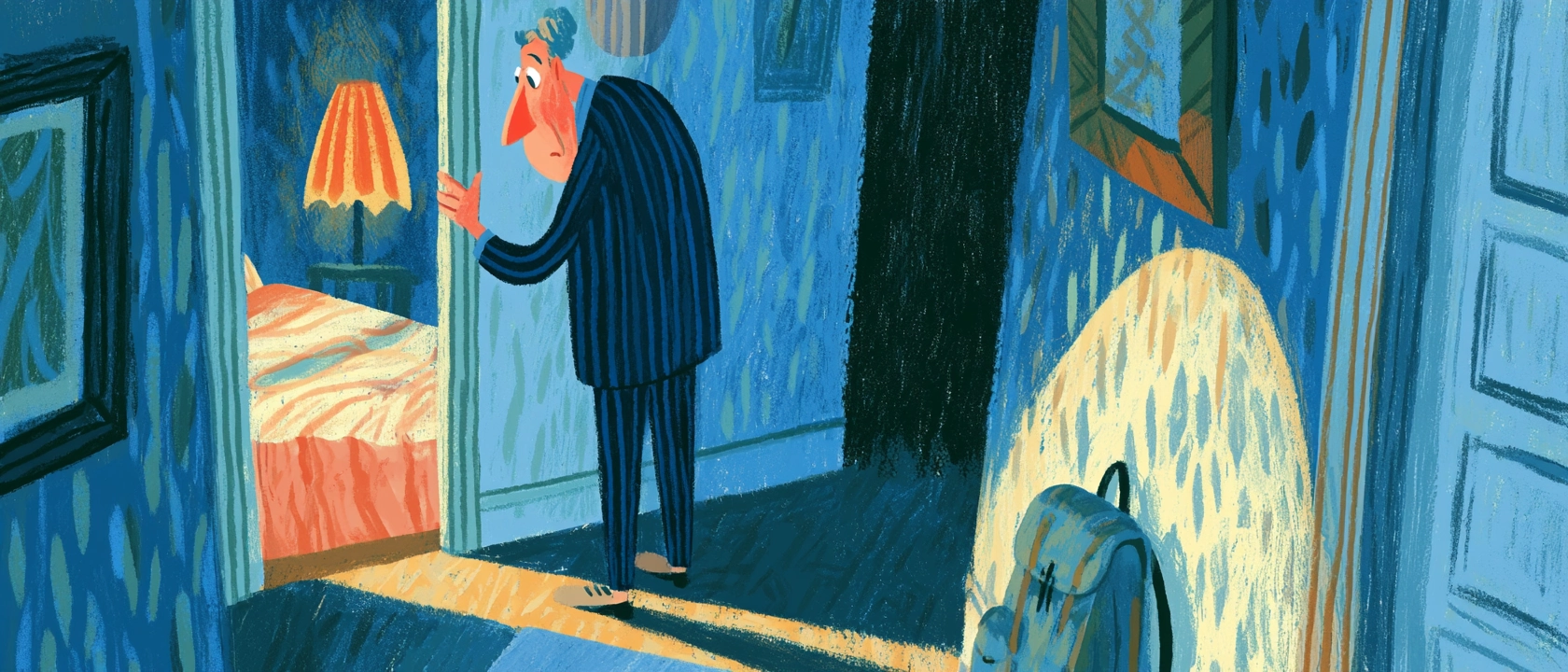
The packing list is on its third draft, and every line already has two checkmarks.
It lives on a desk in a Plano bedroom, next to a shower caddy that took forty minutes to choose. The list has a system. The system has a backup. Move-in day is three weeks out, and somewhere under all that ink is a question nobody in the house has said out loud.
If the list is yours, some part of you already suspects the checking was never about the packing. College, for reasons worth understanding, is one of OCD's favorite places to introduce itself, even for students who managed OCD all through high school.
College is a common setting for OCD to first appear or sharply worsen, because the transition removes structure, multiplies uncertainty, and separates students from family routines that had been absorbing symptoms. Peak onset for OCD falls in the late teens and early twenties, which makes freshman year a frequent starting line.
OCD feeds on uncertainty, and freshman year serves it buffet-style. A stranger sleeping six feet away. A communal bathroom. No bedtime, no dinner table, grades that finally "count," money to manage, and a hometown identity that didn't make the trip.
Home was scaffolding. Wake-up times, family dinners, a parent who answered the 2am worry: all of it held weight nobody could see while it stood. On move-in day, the scaffolding comes down in a single afternoon, and whatever the structure was leaning on it starts to show.
Even the good parts count. When Karla Pineda explains this to students and parents, the line that surprises them most is that good stressors can still lead to OCD. The campus job you wanted. The social life you hoped for. The independence you counted down to all summer. Excitement and stress run on the same hardware, and a nervous system under load doesn't check whether the load was welcome.
The first weeks often feel fine, which fools everyone. There's a reason the hard part tends to arrive in October, and it's below.
Dorm OCD looks like coping strategies, right up until you count the hours they consume:
In our practice, the students we meet in late fall almost never call it OCD at first. They say college is "just a lot." The hours tell a more specific story.
The theme itself surprises families most, because it often has nothing to do with school. Karla tells parents that OCD attaches itself to what that person values and cares about, so a student who moves away for college might develop fears about contamination, harm, their faith, or the family back home rather than anything academic. The transition supplied the stress. The theme went where the caring was.
College revealed it. For most students who struggle in the first semester, the symptoms have a high school history: the long showers everyone teased them about, the elaborate bedtime routine, the questions a parent fielded so often it stopped seeming strange. Home had been holding the OCD upright for years, and nobody had named the job.
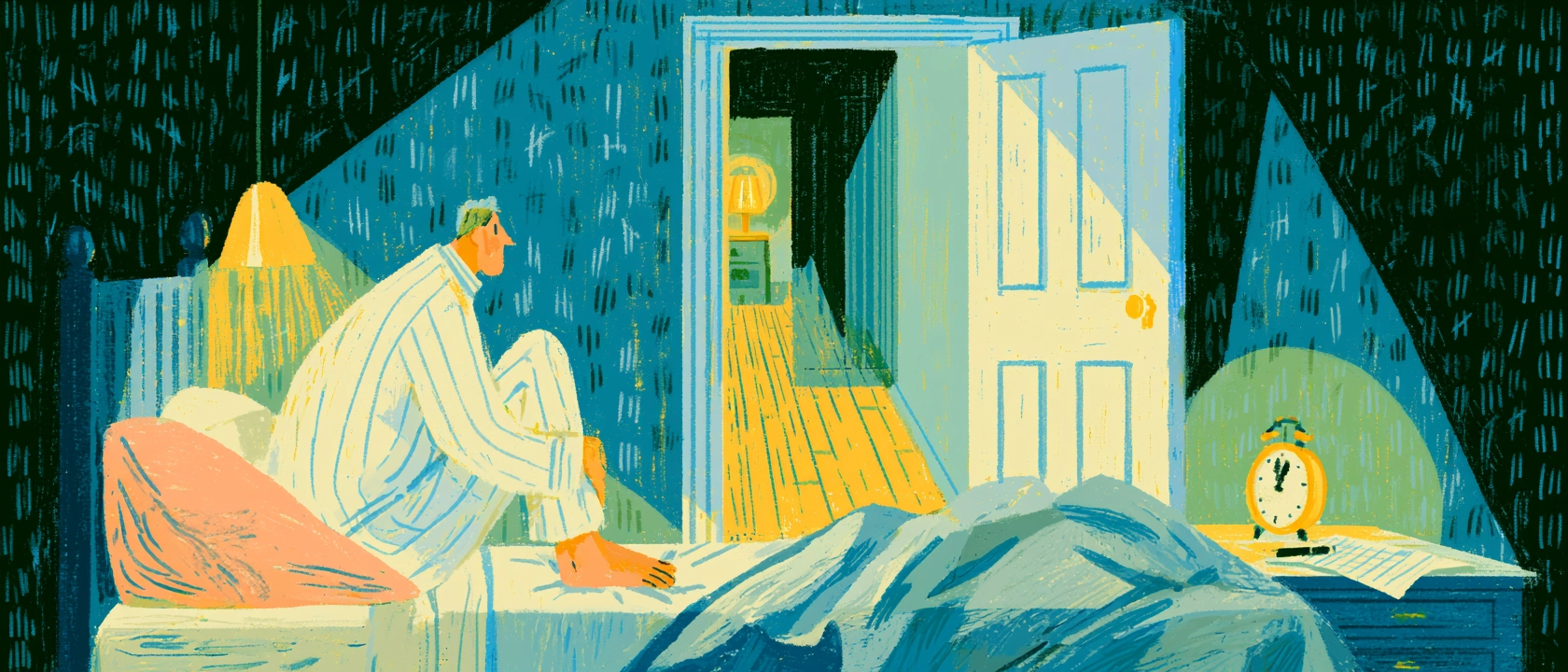
October, specifically, earns its reputation. The first weeks run on novelty and adrenaline. Then sleep debt accumulates, the first exams arrive, the roommate stops being a stranger and becomes a witness, and the uncertainty bill comes due all at once.
The scaffolding came down on move-in day. The structure was always there.
Understanding this changes the assignment. A student who believes college broke them is looking for a way to endure until summer. A student who understands what the scaffolding was doing can rebuild the support on purpose, in a form that travels.
The costs show up in the transcript and the friendships. Rituals eat study hours, so grades slide on time rather than ability, and an IOCDF-sponsored registry study published in JAMA Psychiatry found people with OCD were roughly 40 to 60% less likely to complete each educational milestone, including finishing a university degree.
Avoidance shrinks the social map to a dorm room. Drinking to blunt the anxiety is common and rents relief at compounding cost. And the hardest version is the student who leaves school in a crisis decision that careful treatment could have made unnecessary. All of these numbers move when OCD gets treated, which is the point of catching it in semester one instead of year three.
Line up OCD-specific care first. ERP therapy teaches you to face the feared situations in planned steps without the ritual, and it's the best-supported treatment for OCD. As an IOCDF-registered ERP therapist, Karla Pineda works with students on exactly these transitions, and students who leave the DFW area for school can keep their therapist through virtual counseling anywhere in Texas.
Register with the disability office early. OCD qualifies for academic accommodations, and options like reduced-distraction testing or housing considerations exist for exactly this. The paperwork takes weeks, so start before you need it.
Ask campus counseling one direct question. Counseling centers do real good, and their OCD training varies enormously. Ask whether anyone on staff provides ERP. If the answer is vague, use the center for support and get the OCD treatment from an OCD-trained clinician.
If you're the parent reading this: your job shifts from running the scaffolding to helping them build their own. Have the conversation in spring, before the applications and the packing. And watch the phone calls, because a nightly reassurance hotline is the long-distance version of the accommodation pattern that feeds OCD at home. Handing that job back, gradually and warmly, is one of the most useful things a parent can do.
Yes. The late teens and early twenties are peak onset years for OCD, and the ADAA notes it's common for first symptoms to appear during college. The combination of new stress, lost structure, and disrupted sleep can surface a vulnerability that was always there, which is different from the environment creating the disorder.
Contact your school's disability services office and provide documentation from a licensed provider. Common accommodations include reduced-distraction testing environments, flexibility around attendance during treatment, and housing considerations. Registering doesn't obligate you to use anything, and having accommodations approved before a hard stretch beats scrambling for them during one.
That's yours to choose, and you don't owe anyone details. Many students find a one-sentence version lowers the temperature: "I have OCD, so you might see me double-check stuff." The higher-value move is making sure at least one trusted person on campus knows what's going on and what helps.
Sometimes that's the right call, and it's best made with a clinician and your school's actual leave policies in front of you rather than alone at 3am. Many students stabilize while staying enrolled, using weekly ERP or a temporary step-up in care. Planned decisions beat crisis decisions in either direction.
Take it seriously if:
Next August, there's a version of the packing list that's one page. It gets written the week before, checked once, and tossed in the trunk. The person who writes it will still have OCD in their history. They'll also have their evenings back.
Layers Counseling Specialists is based in Plano, Texas, serving students and families across the DFW area in person and online. Read about our approach to OCD treatment, or request an appointment before the boxes are packed.
This article is for educational purposes and is not a substitute for professional medical advice. If you or someone you know is in crisis, call or text 988 (Suicide & Crisis Lifeline) or text HOME to 741741.
Our Plano therapists specialize in OCD, anxiety, ADHD, autism, ARFID and trauma, in person or online anywhere in Texas. Every clinician starts with a free 15-minute consultation, so you can see whether it feels like a fit before you commit.
ocd