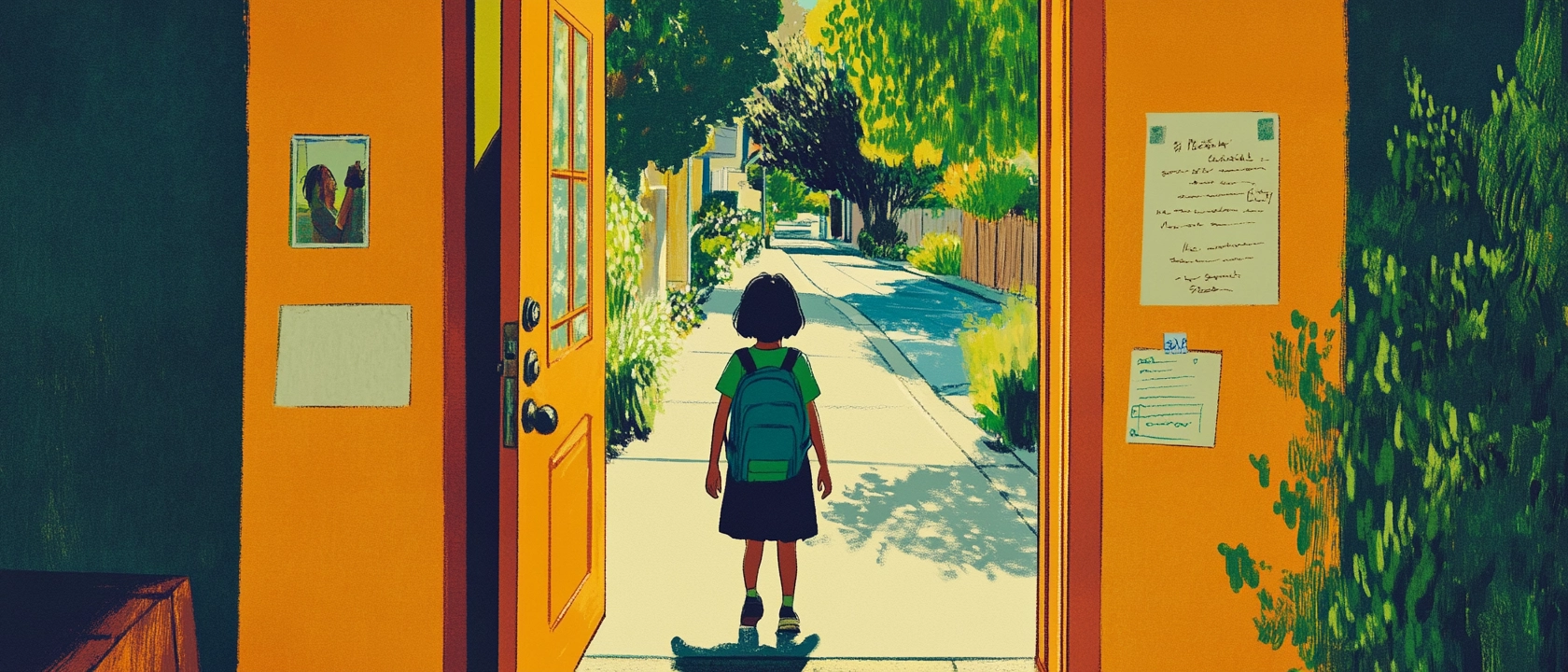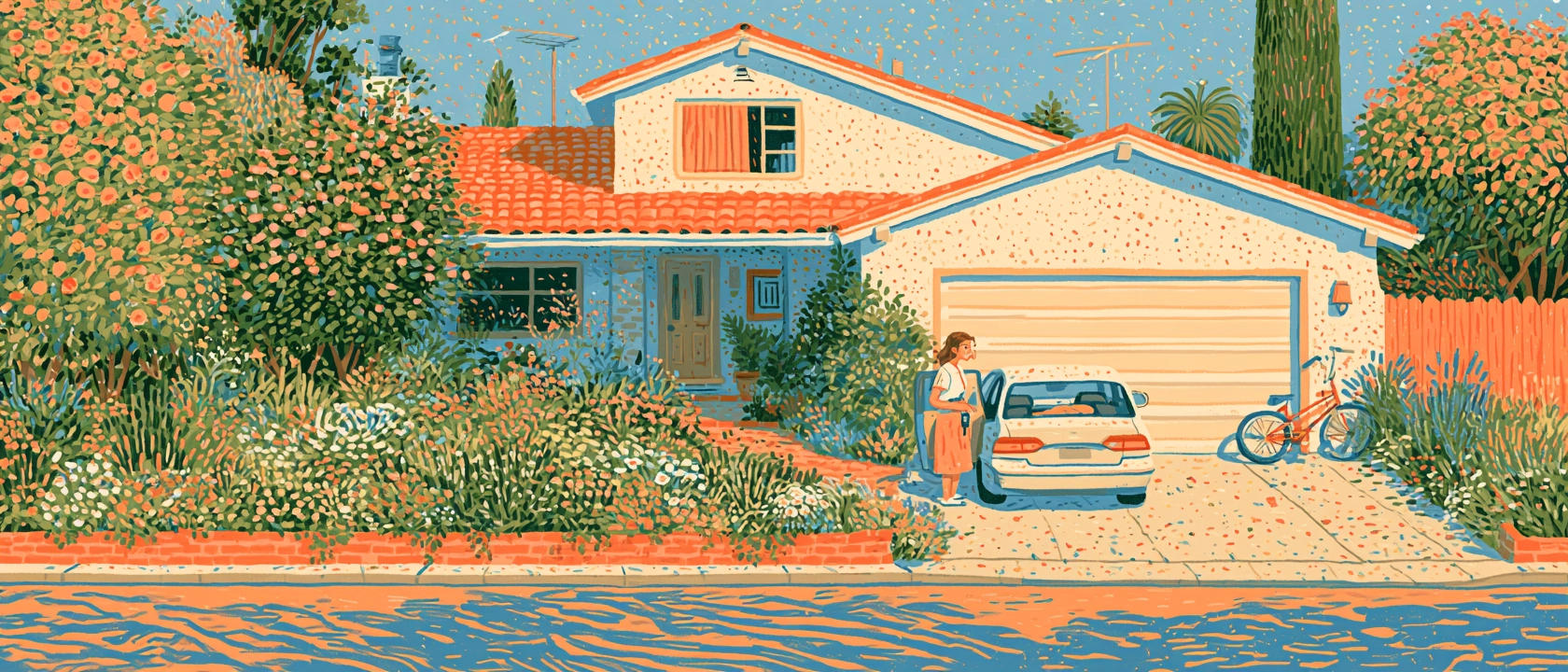
Your child refused to get in the car. Again.
The intake appointment you waited six weeks for starts in twenty minutes. He's in his room with the door shut, and you're standing in the driveway holding your keys, doing the math on the cancellation fee and something heavier: if he won't even meet the therapist, how does he ever get better?
There's an answer to that question, and it changes everything about the standoff in your driveway. A treatment exists in which the anxious child never attends a single session: the parents do the work, and the child's anxiety improves anyway. It's called Supportive Parenting for Anxious Childhood Emotions (SPACE), it was developed at Yale, and it was built for exactly the kid behind that door.
Yes. SPACE (Supportive Parenting for Anxious Childhood Emotions) is a parent-based treatment for childhood anxiety and obsessive-compulsive disorder (OCD) in which parents attend the sessions and the child does not need to participate at all. Developed at the Yale Child Study Center, SPACE was found in a randomized controlled trial to be as effective as cognitive behavioral therapy delivered directly to the child.
Sit with that for a second, because it dissolves the belief keeping many families stuck: that nothing can happen until your child is "ready." The refusal in your driveway is a problem for one kind of treatment. It's irrelevant to this one.
The refusal makes sense once you see what therapy looks like from inside an anxious mind. Therapy means talking about the scariest things, with a stranger, in an unfamiliar office. For an anxious child, the intake appointment is the biggest exposure on the menu, and avoiding it is the same move as the Sunday stomachache before school. Same machinery, different target.
So parents wait for buy-in. And while everyone waits, the anxiety keeps hiring.
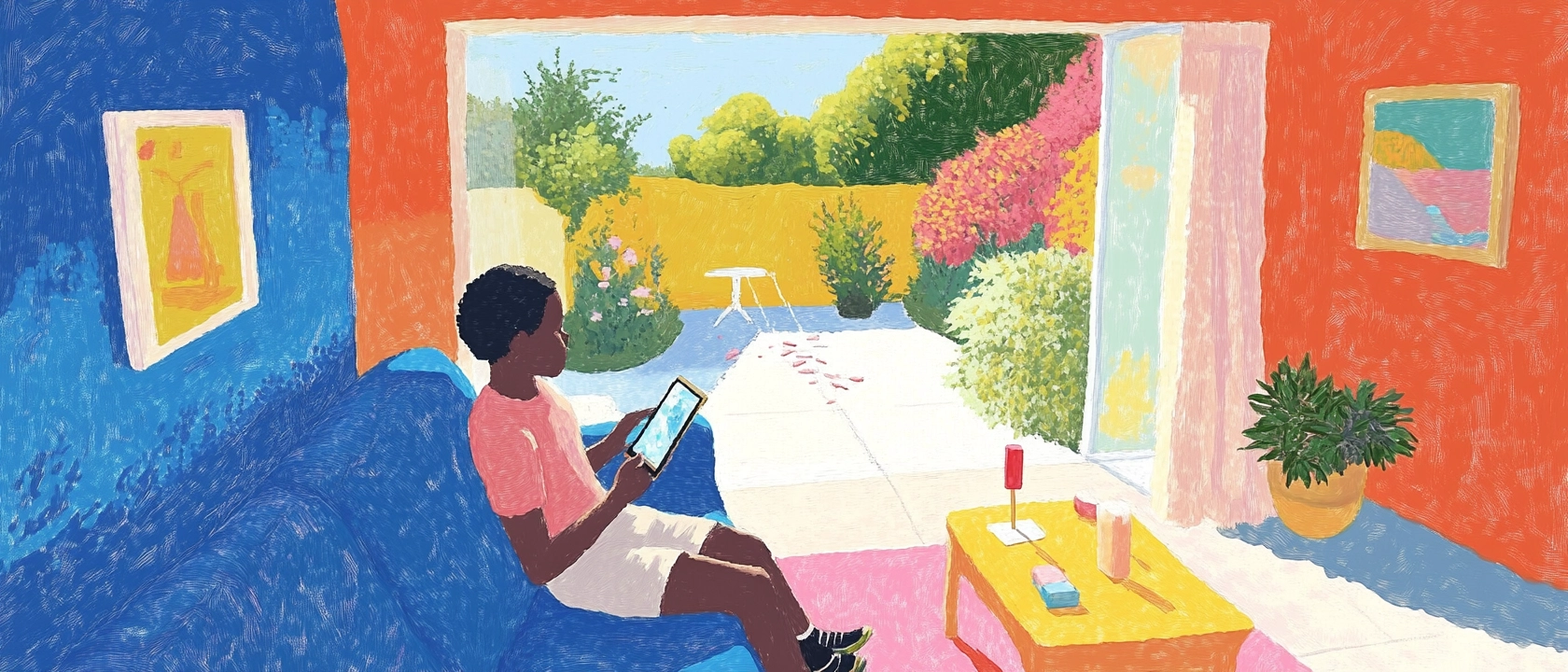
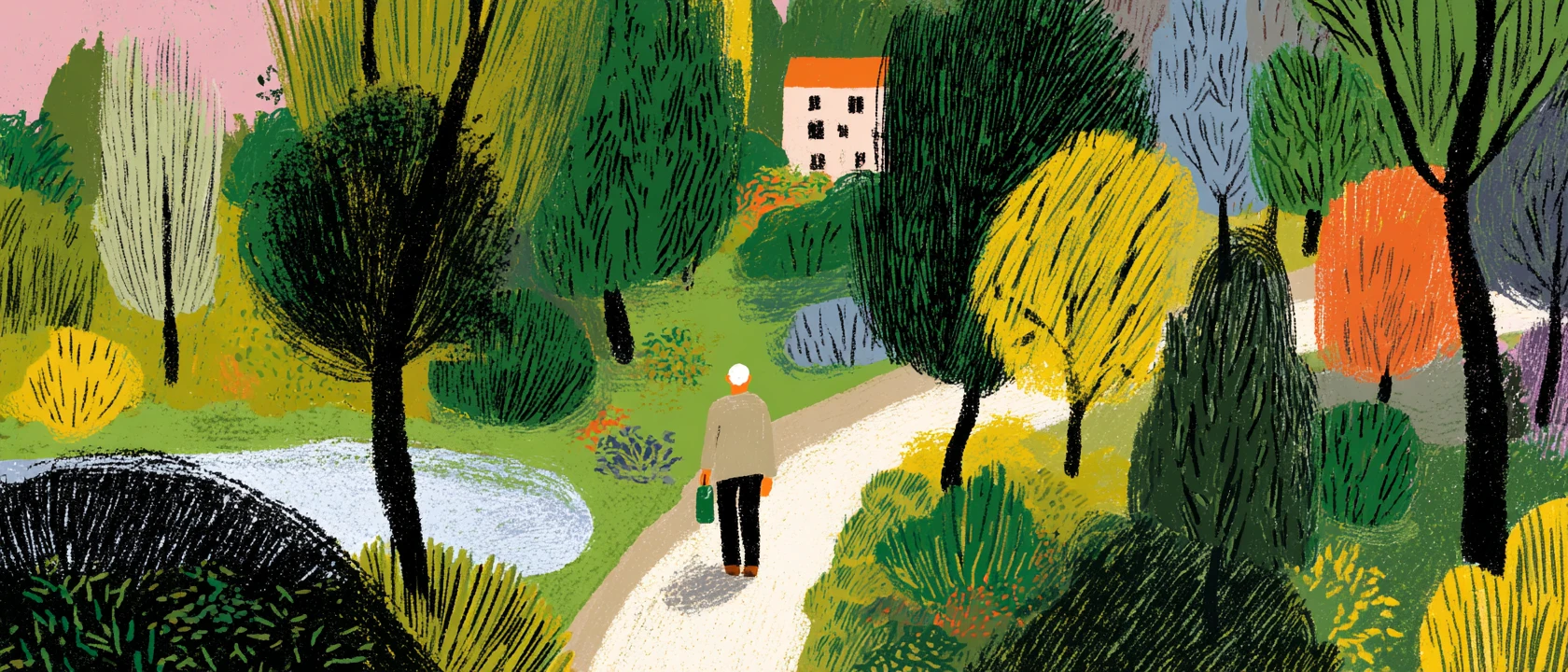
Walk through your house and look at what the anxiety has built.
Someone checks the closet every night, on request. Someone answers "are you sure the door is locked?" a dozen times, the family version of the reassurance loop we see in OCD. Someone sleeps on a mattress on his floor. The family hasn't eaten at a restaurant in a year, one parent has stopped traveling for work, and everyone knows which words you don't say at dinner.
Researchers call this family accommodation, and studies of families of anxious children find it nearly universal. Every accommodation is a small renovation: a wall moved, a ramp built, the house redesigned around the fear one small decision at a time. Each one is done from love. And each one delivers the same message to the child's nervous system: this fear is real, it's too big for you, and the adults agree.
Accommodation is the anxiety's floor plan. Which is exactly why parents, who control the floor plan, hold more treatment power than they've been told.
For decades the assumption was that the anxious person has to do the work. Then the Yale Child Study Center team put it to a real test: a randomized trial comparing SPACE, delivered only to parents, against cognitive behavioral therapy delivered to the children themselves, published in the Journal of the American Academy of Child and Adolescent Psychiatry in 2019.
In the Yale trial, treating only the parents worked as well as treating the child.
The children in the SPACE group improved as much as the children in therapy, and their parents reported less stress along the way. The finding holds for childhood anxiety disorders and OCD.
Why would it work? Because childhood anxiety is a two-person system. The child produces the fear; the family environment decides whether the fear is confirmed. Change the environment's answer, consistently and warmly, and the fear stops getting confirmed. No buy-in required from the person behind the door.
Waiting feels respectful. It's usually expensive.
Accommodation deepens on its own schedule: the mattress on the floor becomes a year of it, the avoided restaurant becomes avoided birthday parties, the checked closet becomes a 40-minute bedtime protocol. Anxious kids who reach adolescence with their accommodations intact tend to entrench, because teenagers have more power to enforce the renovations. And the parents burn out. The drained moms and dads I wrote about in the school refusal post are very often accommodation-exhausted parents who were told to wait.
The window stays open, and it gets more expensive every season.
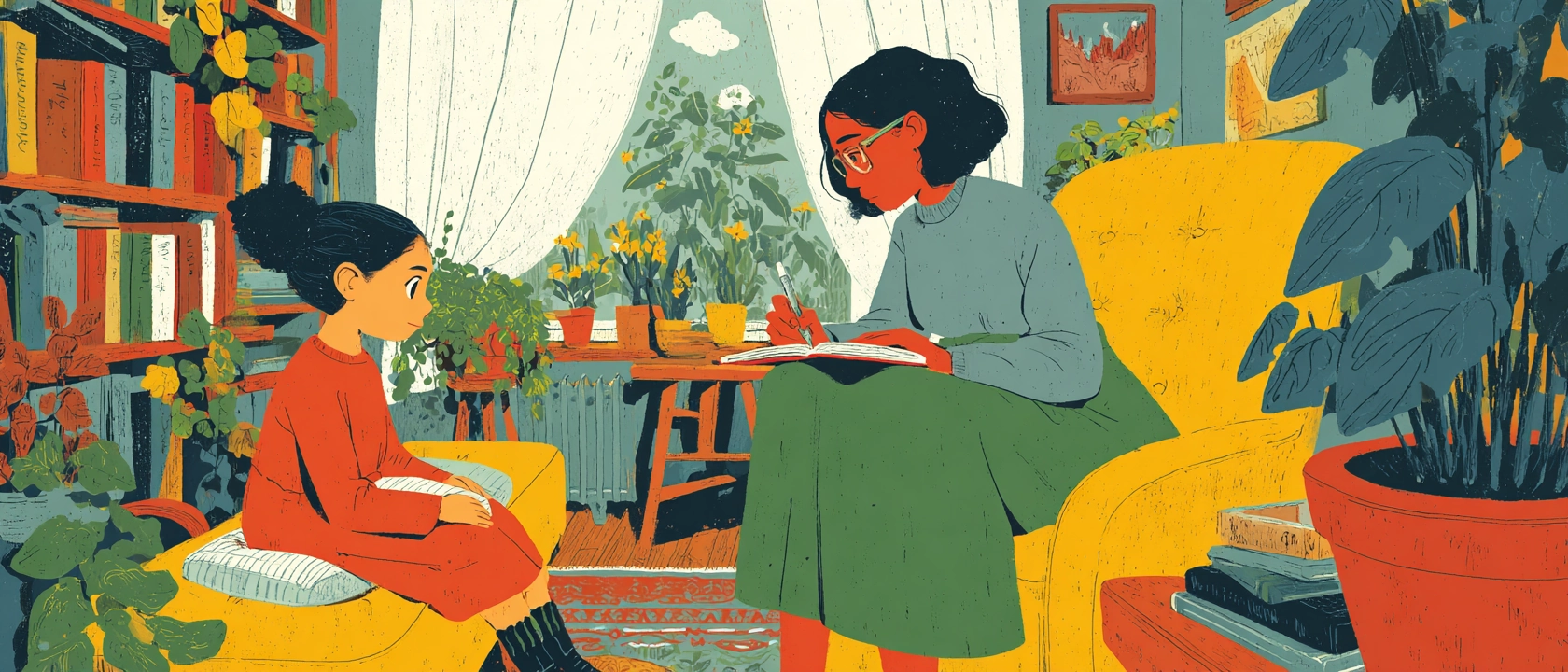
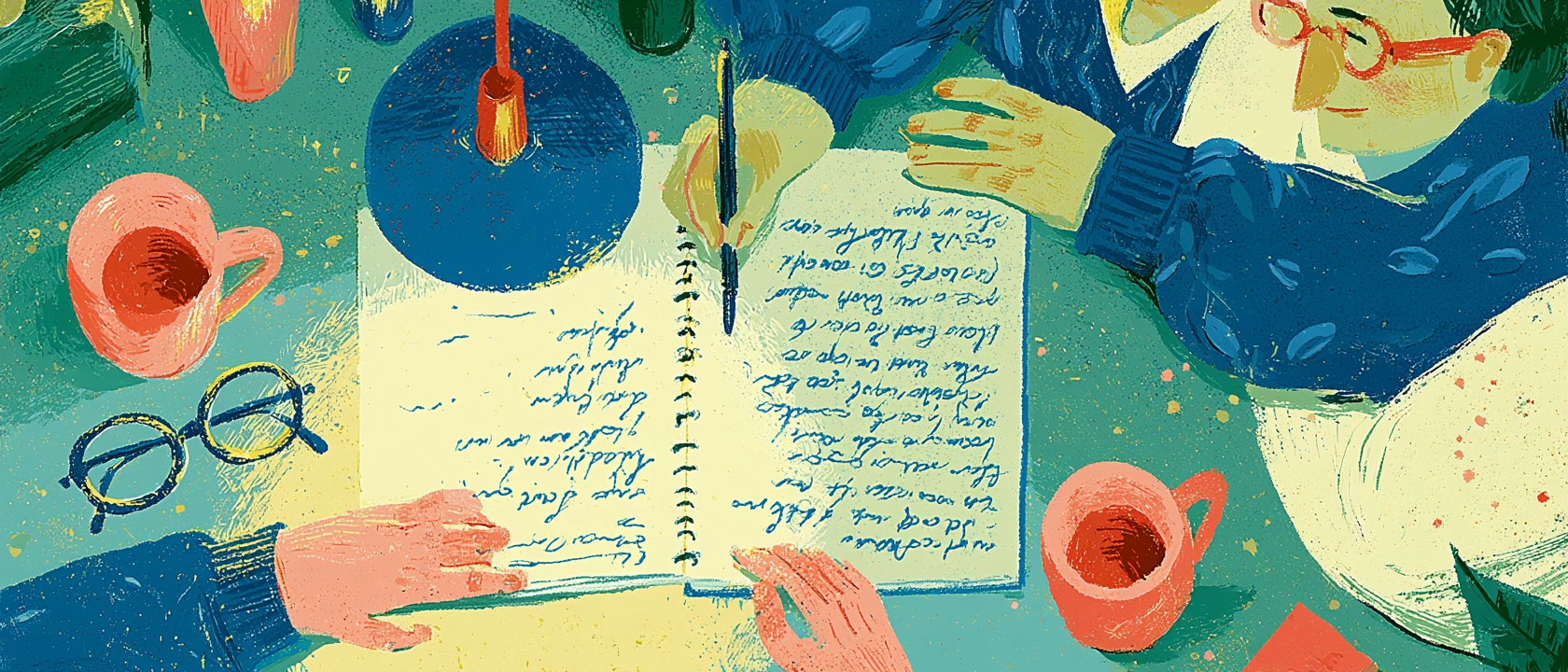
At Layers, Rachel Tipsword, LCSW provides SPACE for families of anxious kids and kids with OCD. Here's the shape of the work, and notice who's in the room: you.
You map the renovations. With Rachel, you build the actual list of accommodations, most families find more than they expected, and you pick one to start with. One. The mattress, or the checking, or the question-answering. SPACE moves a single wall at a time.
You learn the supportive statement. The heart of SPACE is a two-part message delivered together: I know this is really scary for you, and I know you can handle it. Acceptance and confidence, in the same breath. Most of us naturally deliver one half. The pair is the treatment.
You change your moves, warmly and on schedule. The accommodation gets reduced in planned steps, announced in advance, never as a punishment. The child protests, the protest passes, and the nervous system learns from what the adults do rather than what anyone argues.
In my own adult caseload, I regularly see the parents in this story, and the ones who stop waiting describe the same thing: the house feels bigger. Our team covers both ends of it, Rachel with the parents and support for the drained adults in the middle, at multiple fee levels.
Yes, and that's by design. The randomized Yale trial compared parent-only SPACE against child-based CBT and found the children improved comparably in both groups. The mechanism runs through family accommodation: when parents change how the household responds to anxiety, the child's anxiety changes, participation or no participation.
SPACE reduces accommodation gradually, with warning, and always paired with the supportive statement, joining acceptance of the fear with confidence in the child. Nothing is sprung on anyone, and nothing is framed as punishment. What families usually discover is that the accommodations were exhausting the child too; being the reason the family can't leave the house is its own burden.
Often, briefly, yes. The first weeks tend to bring louder protests, and SPACE plans for that in advance. The supportive stance stays constant through the spike, and the spike passes. That early turbulence is usually a sign the pattern is shifting rather than a sign the plan is failing.
SPACE was developed for children and adolescents, and it's especially valuable for the ages and temperaments least likely to engage in their own therapy: young kids without the words, and teens with their arms crossed. Because parents are the clients, the child's age matters less than the family's consistency.
Both. Family accommodation runs through childhood OCD just as strongly: the checking a parent performs, the reassurance a parent supplies. SPACE was studied for anxiety disorders and OCD alike. For kids with OCD who refuse exposure and response prevention (ERP), SPACE offers a working alternative path that doesn't wait for readiness.
SPACE is worth a conversation if:
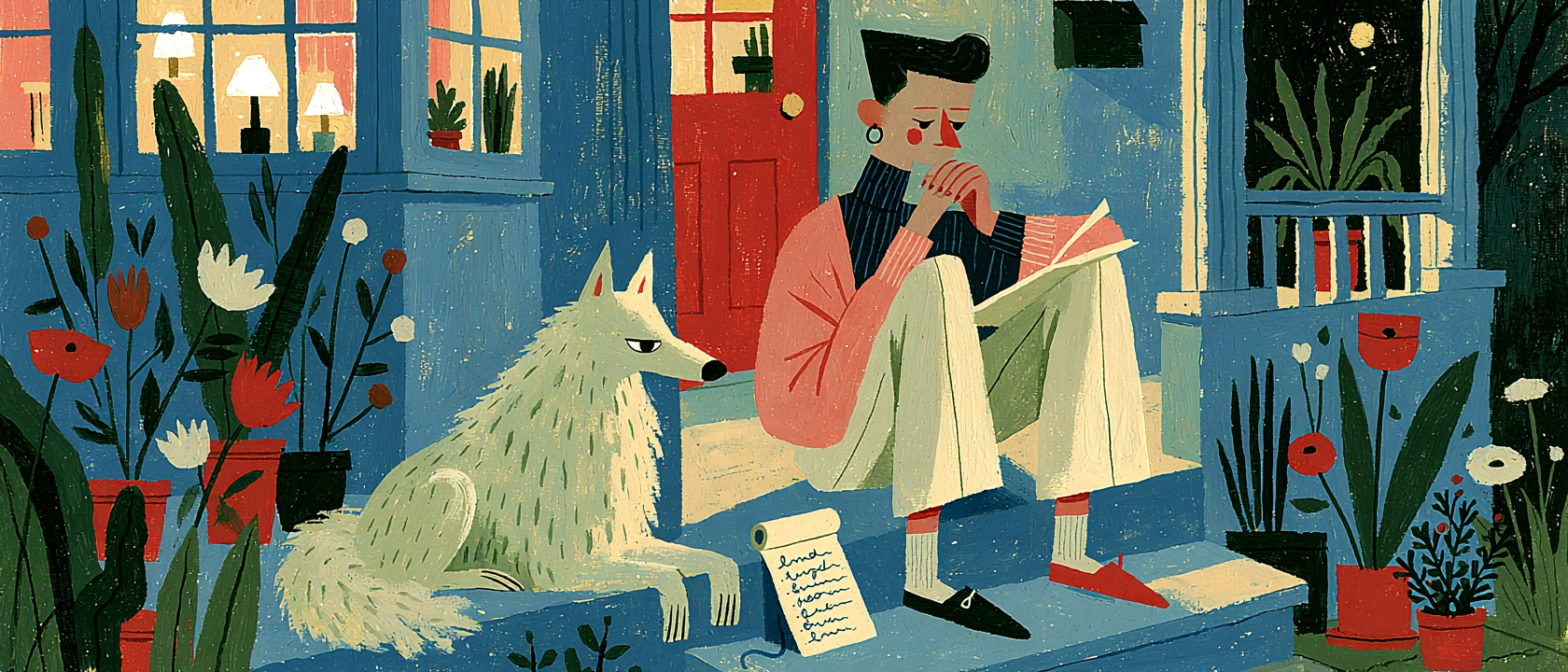
Back to the driveway. The family from the top of this post never got him in the car. His mom and dad went instead, Tuesday afternoons, and moved one wall at a time. Eight months later he sleeps with his door closed and no one on the floor. He still hasn't been to therapy. His anxiety got treated anyway.
Our child and family services in Plano include SPACE with Rachel. Layers Counseling Specialists is based in Plano, Texas, serving families across the DFW area. You can request an appointment for yourself, which is the whole point: your kid never has to know the first session happened.
By Karla Pineda, LPC
Last reviewed: August 2026
This article is for educational purposes and is not a substitute for professional medical advice. If you or someone you know is in crisis, call or text 988 (Suicide & Crisis Lifeline) or text HOME to 741741.
Our Plano therapists specialize in OCD, anxiety, ADHD, autism, ARFID and trauma, in person or online anywhere in Texas. Every clinician starts with a free 15-minute consultation, so you can see whether it feels like a fit before you commit.
child-therapy
SPACE Treatment
space-treatment