By Karla Pineda, LPC | Executive Director
Last reviewed: June 2026
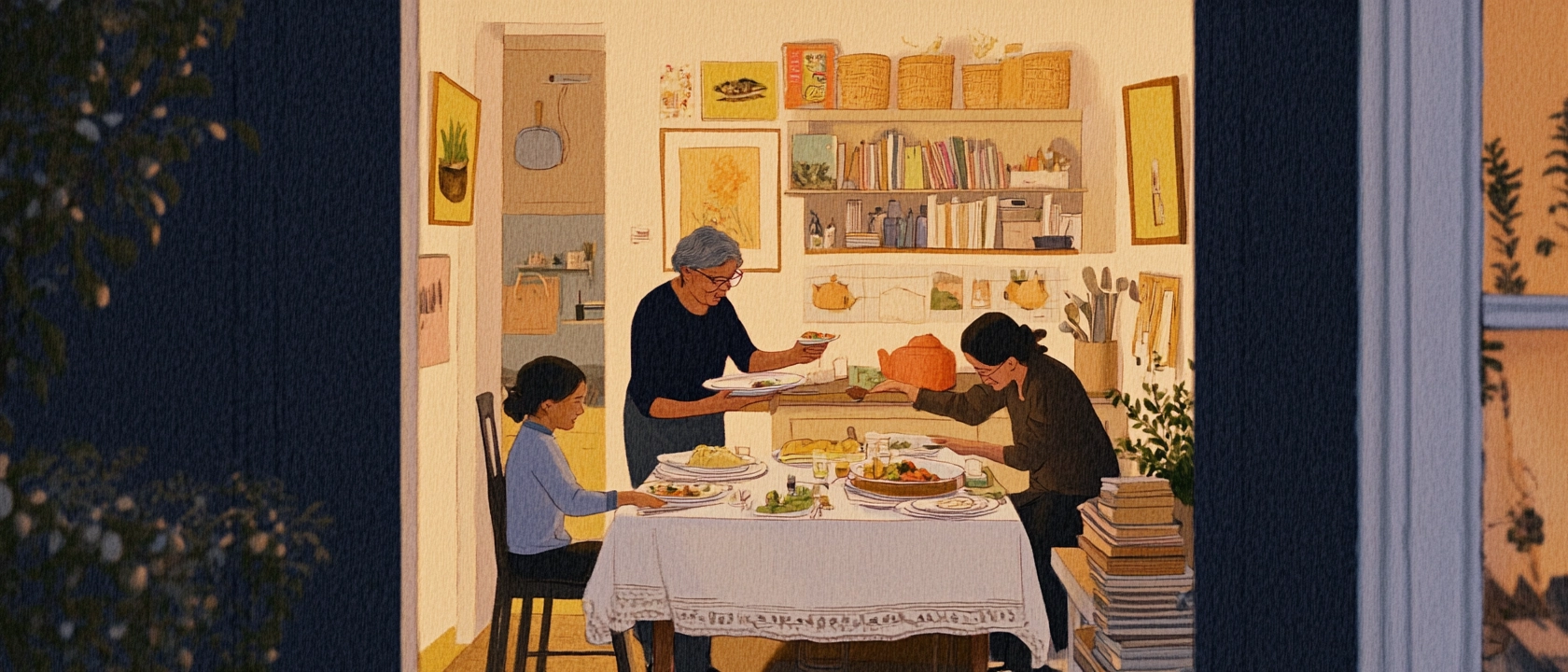
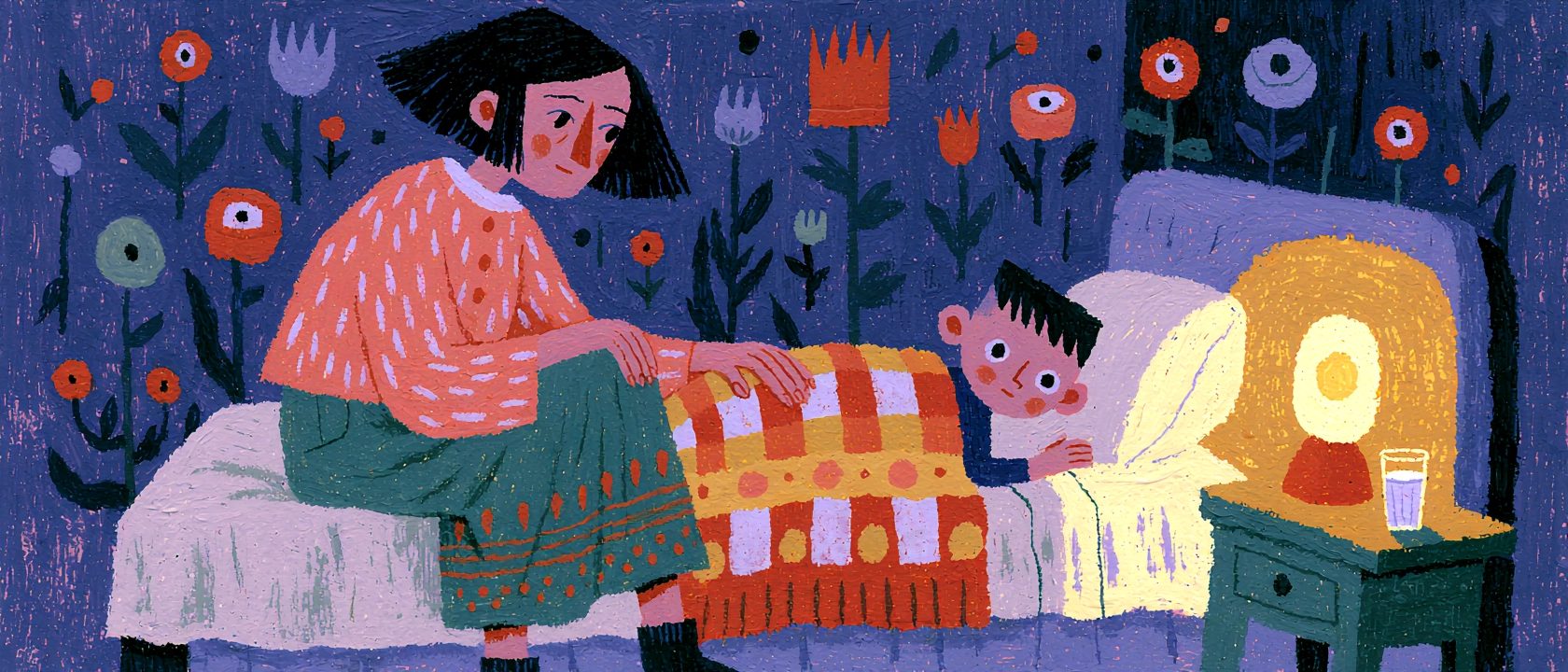
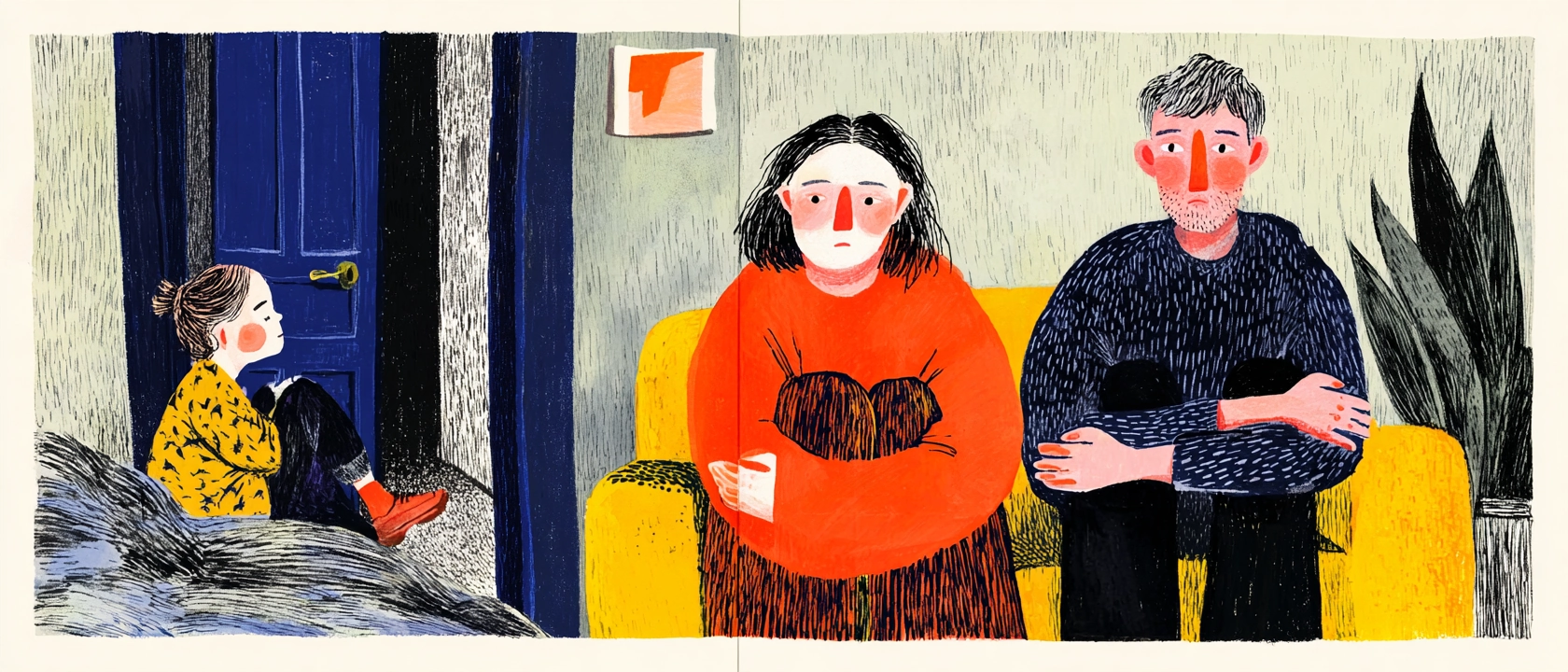
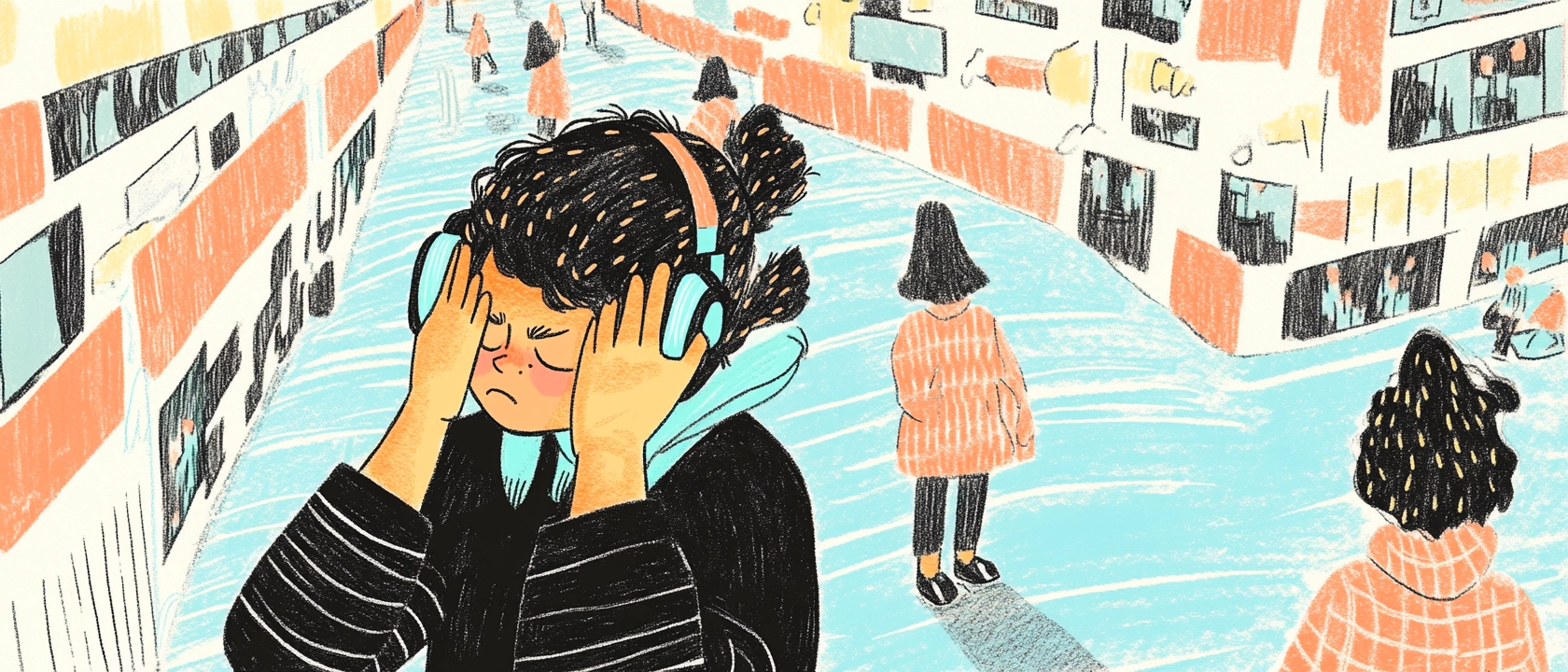
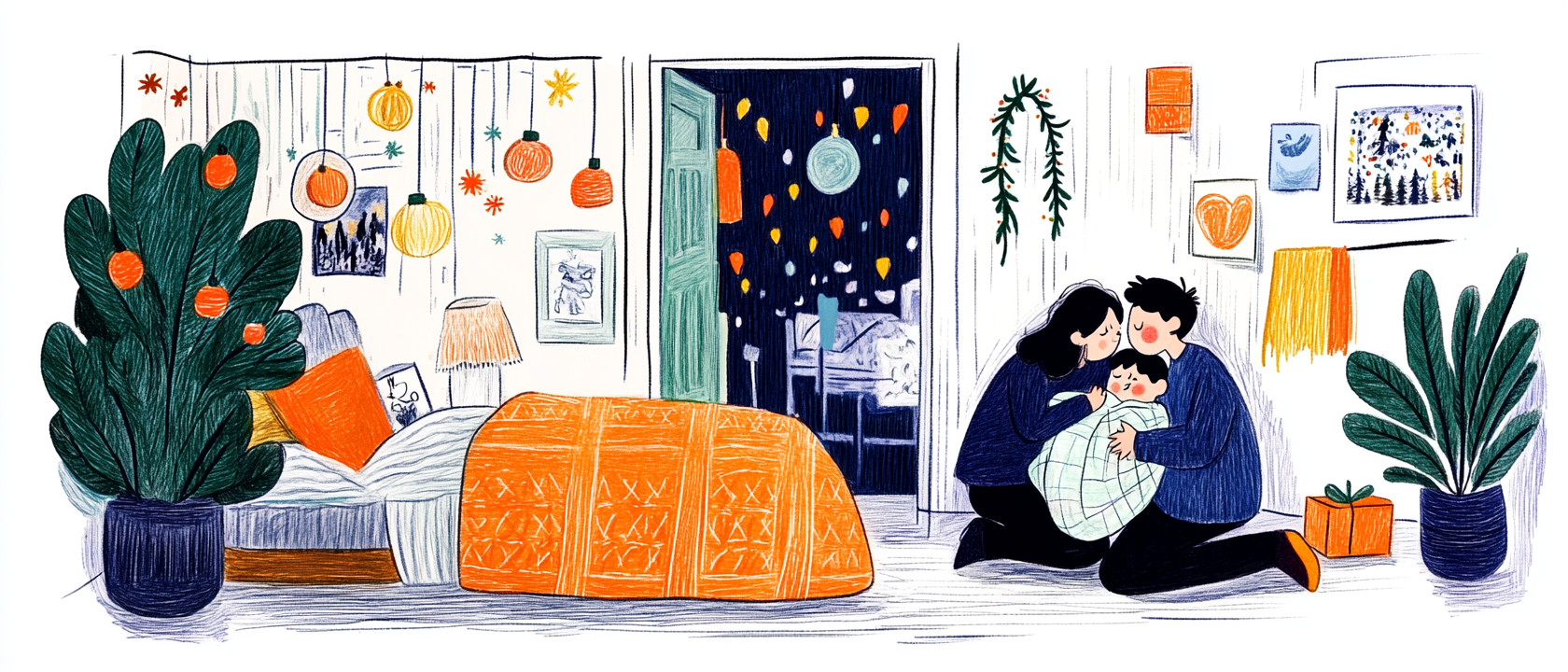
Your kid held it together all day at school. Perfect attendance. No calls from the teacher. Then they walked through the front door and completely fell apart over the wrong color cup.
You're not imagining it. And you're not doing anything wrong.
What you're watching isn't a behavior problem. It isn't defiance. A lot of parents come in thinking their child is just "overly sensitive" — when really, their child has been managing something much bigger than anyone realized, and home is the only place they feel safe enough to let it out.
Here's what that usually means: your child's worry has moved past normal.
Normal worry is part of growing up. It has a job: it keeps kids cautious in genuinely risky situations. A child nervous about the first day of school, scared before a recital, or worried about a sick grandparent — that's their nervous system doing something useful.
Normal worry has a target. It's attached to something real. And once that thing passes, the worry moves with it.
Clinical anxiety is different. It lingers after the stressor is gone. It shows up before, during, and after situations that most kids their age take in stride. According to the CDC, roughly 1 in 10 children between ages 3 and 17 have a diagnosed anxiety disorder — and that number doesn't account for the many more who are struggling without a diagnosis.
The threshold isn't how worried your child seems. It's what the worry is doing to their life.
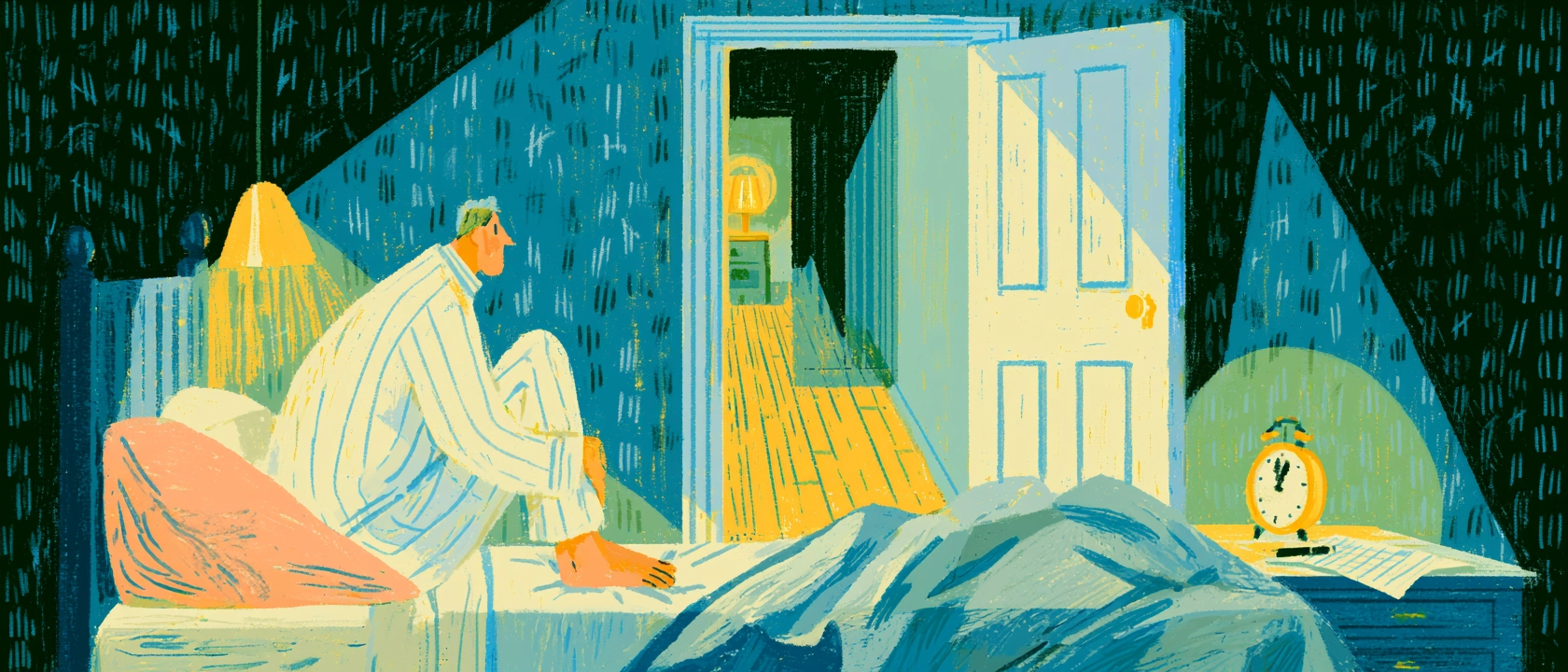
This one is the most common thing I see in my work with kids. A child complains of stomach pain every Sunday night. Every Monday morning before school. Before birthday parties. Before tests.
Pediatricians check for physical causes and find nothing. Parents assume their child is faking it, or just dramatic.
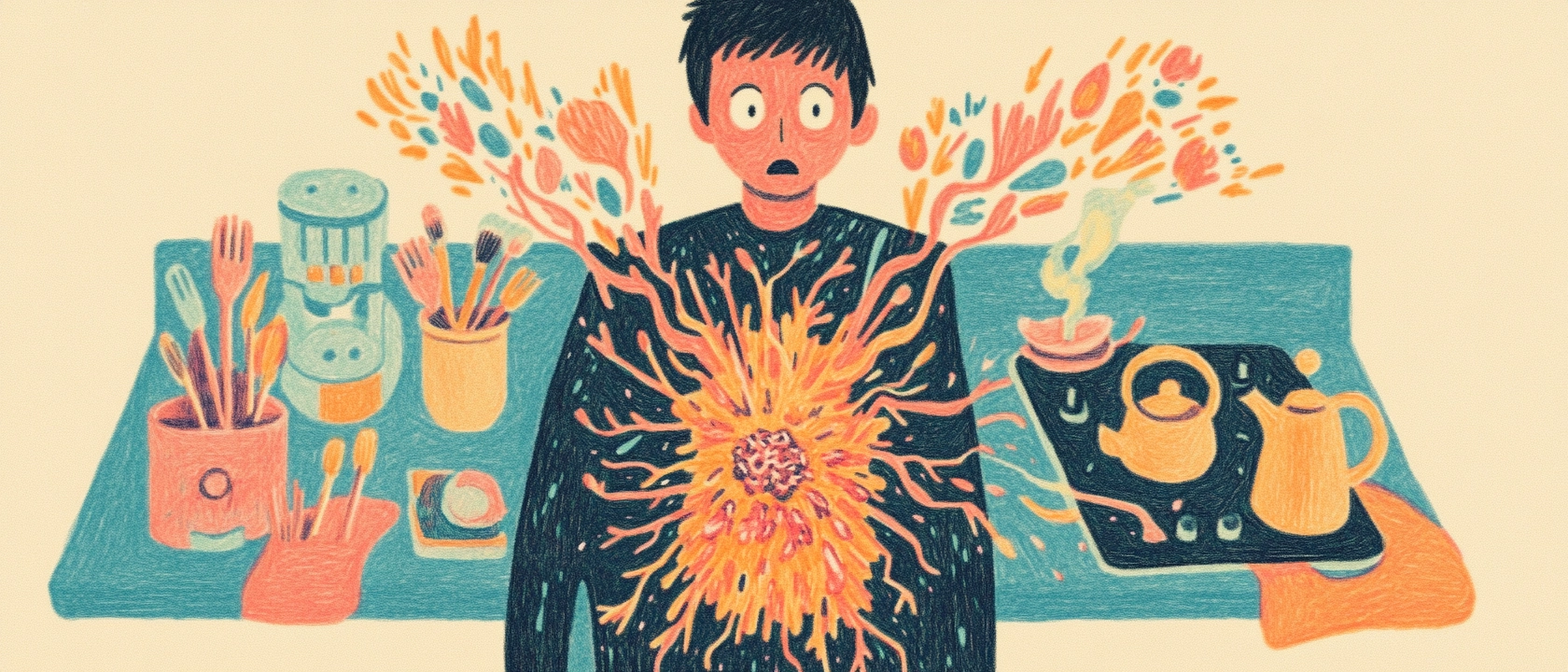
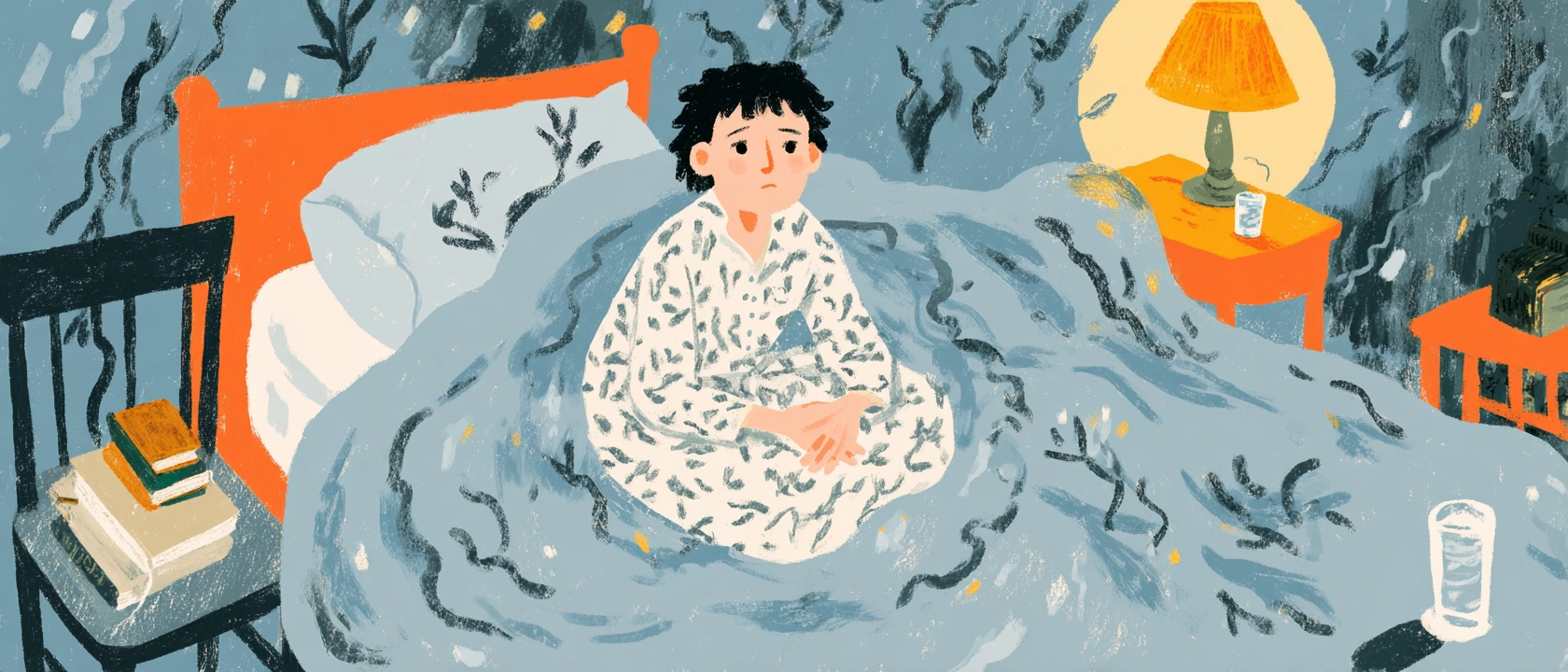
They're not. Anxiety lives in the body. The nervous system doesn't distinguish between a genuine threat and a feared social situation — it responds the same way. Stomach pain, headaches, muscle tension, nausea. These are real symptoms with a real cause. The cause just isn't physical.
The clue is timing. If the stomachaches appear before specific situations and disappear once those situations are over (or once the child is allowed to stay home), anxiety is almost certainly the driver.
Here's the one that confuses parents the most.
The teacher says your child is doing great. Follows directions. Gets their work done. Maybe even helps other kids. Then they come home and lose it over something minor — the snack isn't right, someone touched their stuff, dinner is fifteen minutes late.
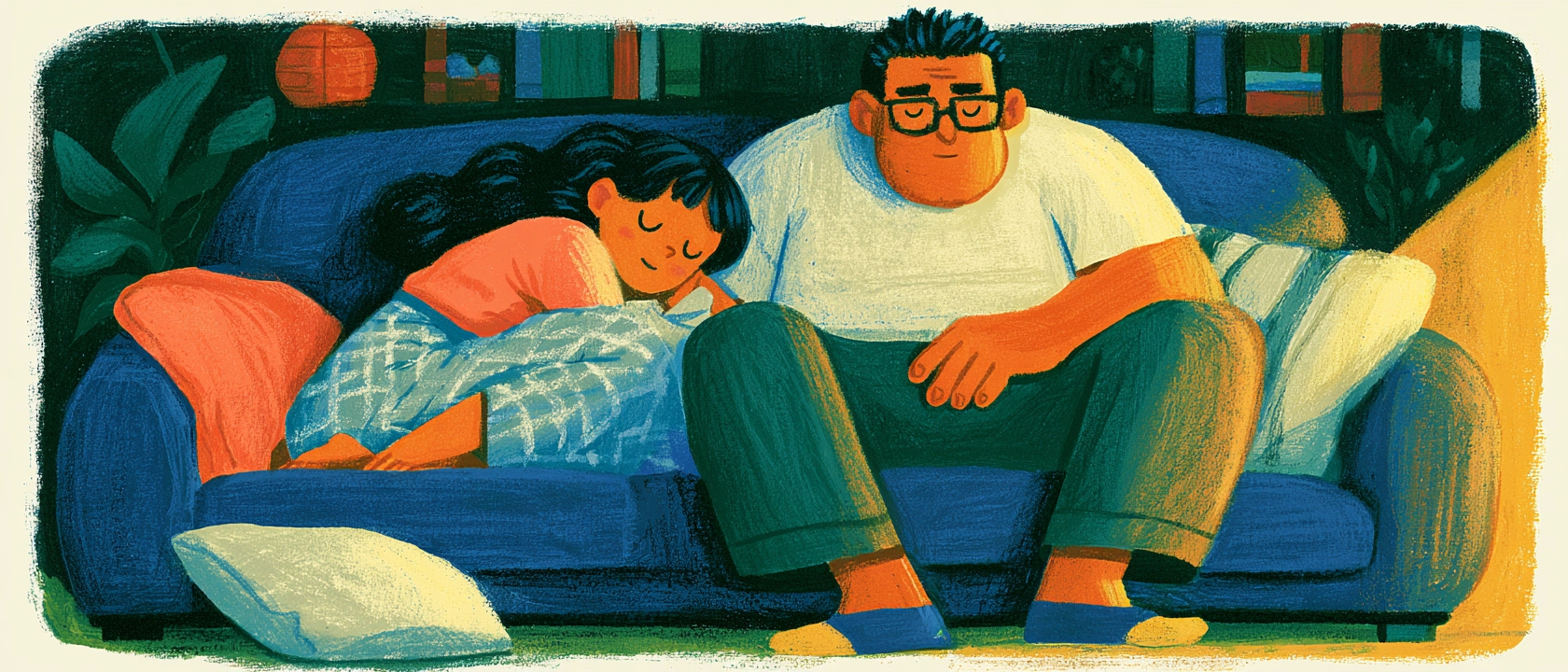
What's actually happening: your child has been spending enormous energy all day managing their anxiety in a place where it isn't safe to show it. By 3pm, the tank is empty. Home is where they trust you enough to finally let the pressure out.
This isn't manipulation. It's not a power play. It's what emotional depletion looks like in a child who is working incredibly hard to cope in a world that feels overwhelming.
The kids who look the most "fine" at school are often the ones carrying the most. They've just learned that falling apart there isn't allowed — so they save it for you.
Parents sometimes feel hurt by this, like they're getting the worst of their child. But they're actually getting the most honest version.
Your child "doesn't like" birthday parties. They "don't want to" try out for the team. They've decided they're just "not a sleepover person."
Some of this is genuine personality. But avoidance is anxiety's most effective coping strategy — and it's also the one that makes anxiety worse over time.
When a child avoids something they fear, the fear gets temporary relief. And the brain files that away: avoiding this worked. Each time they avoid, the feared situation feels more dangerous than it actually is. The world gets smaller. The list of things that feel safe gets shorter.
The distinction between preference and avoidance: ask whether it's consistent across situations and whether the resistance seems disproportionate. A child who truly doesn't enjoy parties might decline casually. A child with anxiety around them will often show physical distress in the days leading up, ask repeatedly whether they have to go, and experience significant relief the moment they're let off the hook.
"Are you sure the house won't catch fire while we're gone?"
"But what if the dog gets out?"
"What if I fail the test even though I studied?"
Parents answer the question. The child feels better for about four minutes. Then they're back with another version of the same question.
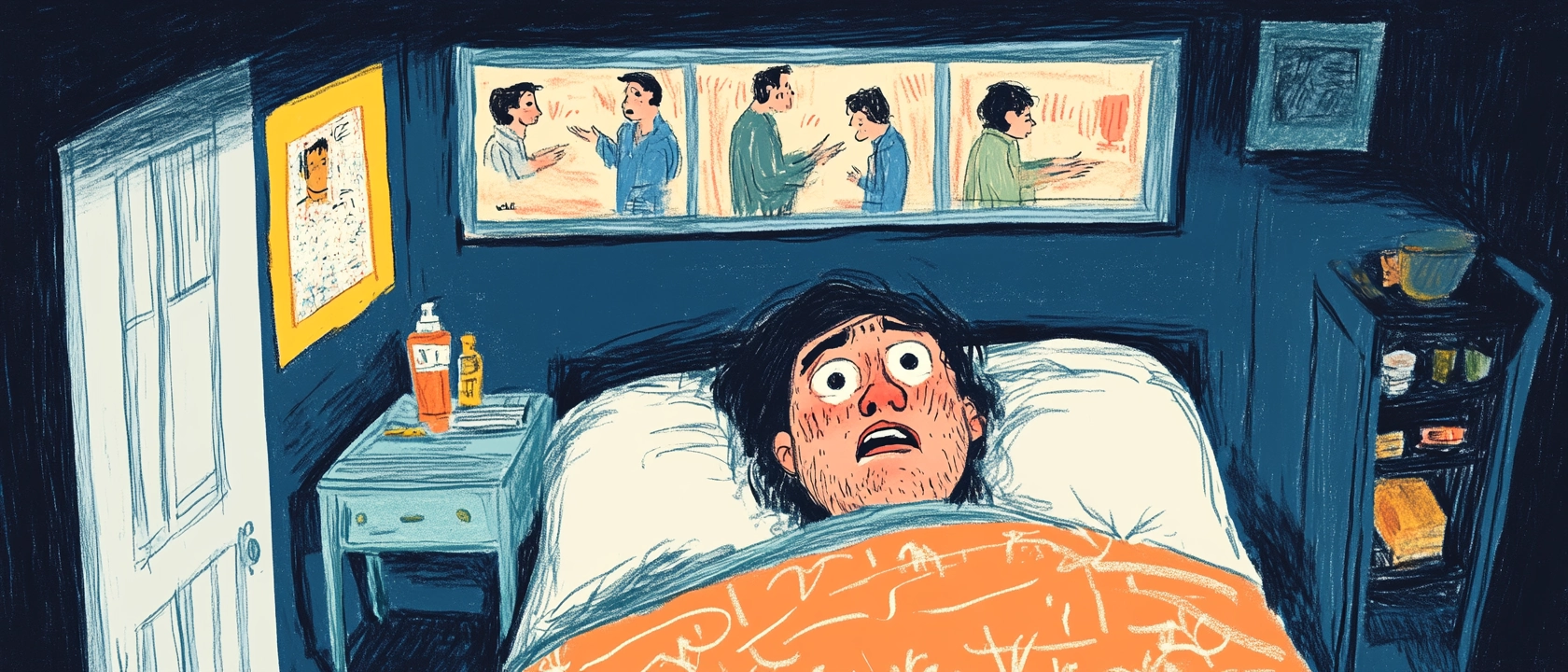
This is called the reassurance loop, and it's one of the clearest clinical signals that a child's worry has moved past typical. The issue isn't that they don't trust your answer. The issue is that the anxiety itself needs feeding — and reassurance is the food. Temporary relief, then the hunger comes back.
If you've noticed that reassuring your child doesn't actually reassure them — that they need the conversation again and again — that pattern is worth taking seriously.
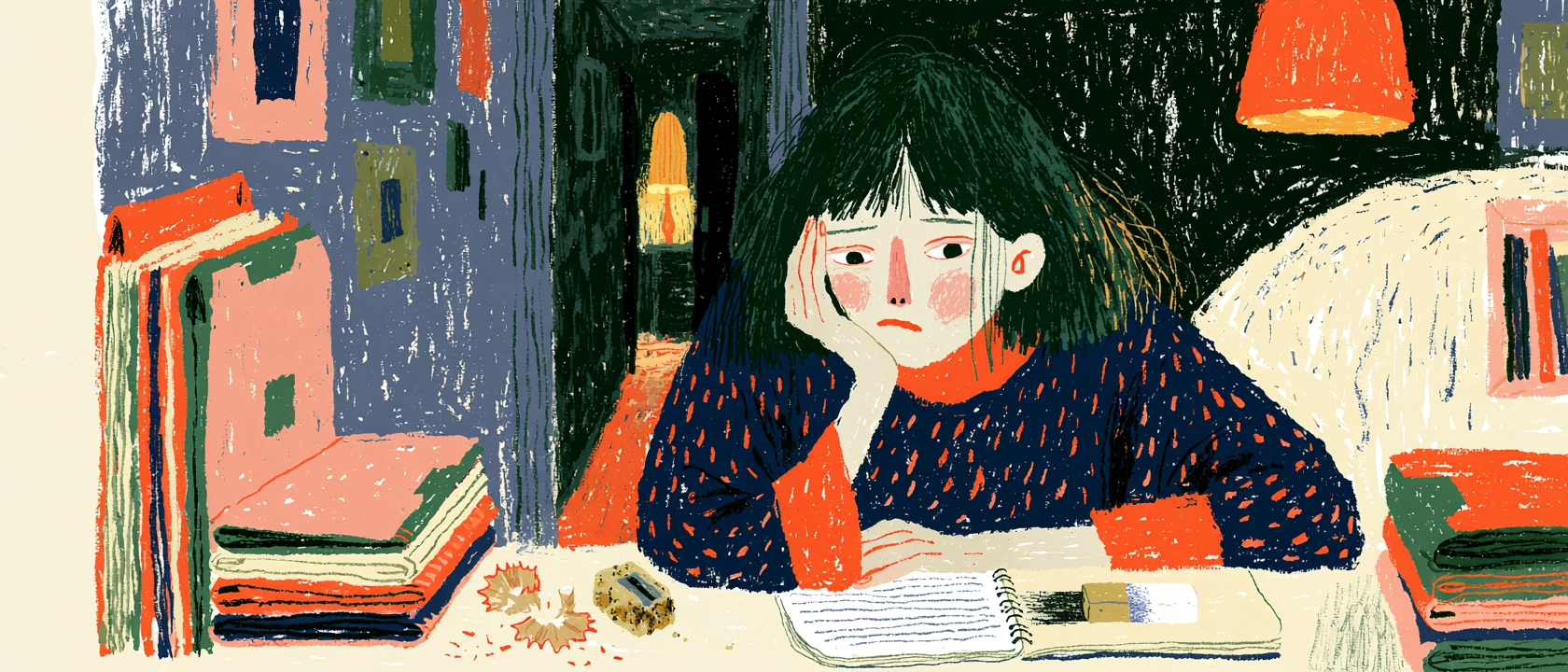
The child who erases their homework until the paper tears. Who cries when they make a mistake on an art project. Who gets an A and asks if they could have gotten a higher one.
Perfectionism is often fear in a very polished form. These kids aren't motivated by achievement. They're terrified of what a mistake means about them — or, in some cases, terrified of what will happen if things aren't exactly right.
This is easy to miss because these kids look like they're thriving. Good grades, responsible behavior, mature for their age. But underneath is a child for whom the stakes of ordinary life feel enormous.
This is the part worth sitting with.
Untreated childhood anxiety doesn't typically fade on its own. It adapts. The things a child avoids at 8 become a longer list by 12. By high school, social anxiety can narrow the world significantly — fewer friendships, dropped activities, academic avoidance that looks like laziness.
The NIMH notes that anxiety disorders in children are associated with increased risk of depression, substance use in adolescence, and ongoing anxiety into adulthood. None of that is inevitable. But it's a real trajectory when anxiety gets labeled as personality rather than a treatable condition.
The children who get help early — who learn that worry doesn't have to run the show, that the feared thing can be approached, that their nervous system can calm down — those children carry those skills with them for the rest of their lives.
Anxiety responds very well to treatment. But "treatment" looks different depending on the child's age, how they communicate, and what they're dealing with.
For younger children especially, play therapy is often the most effective entry point — and for a simple reason. Kids don't process emotions the way adults do. They don't sit across from a therapist and say "I have anxiety around social situations." They show you, through play, what they can't yet put into words. A child who repeatedly has the toy bear hide while the other animals go to the party is telling you something. Play therapy gives that communication a container and a clinician who knows how to read it. If you're curious about what that actually looks like in practice, we've written about what happens in a play therapy session.
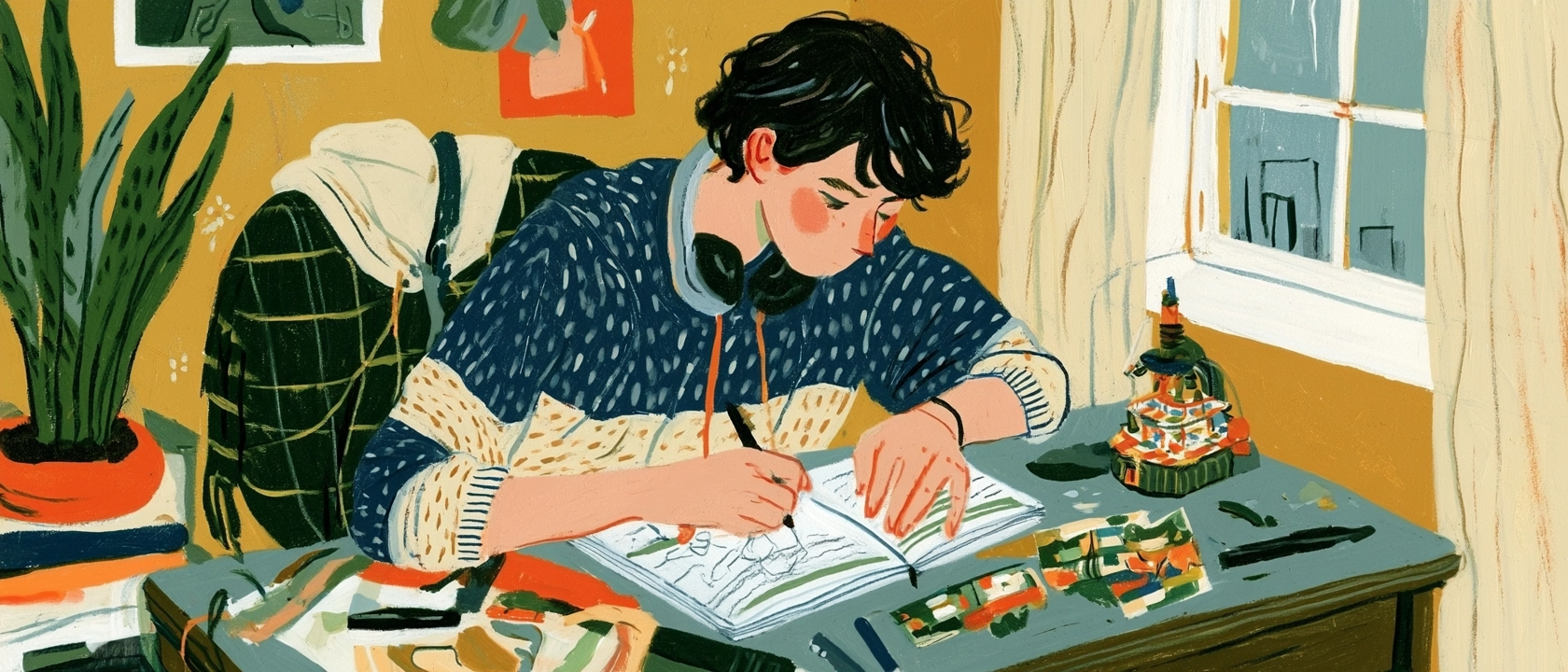
For teens, expressive arts therapy serves a similar purpose. Adolescents often shut down in traditional talk therapy — not because they don't have feelings, but because being asked to narrate those feelings directly feels exposing. Art, movement, and creative expression create a side door into the same material. A teenager who won't say "I'm terrified of what people think of me" might draw it, collage it, or write it without ever having to say it out loud.
Both approaches are backed by solid research. And both are part of how our clinicians work with anxious kids and teens at Layers. Training in Child-Centered Play Therapy and expressive approaches means we can meet children where they actually are developmentally — not asking a 7-year-old to do the cognitive work of an adult, and not forcing a 15-year-old into a format that makes them feel like they're being studied.
When avoidance is a central feature of the anxiety, Cognitive Behavioral Therapy (CBT) and Exposure and Response Prevention (ERP) are also part of the toolkit — structured, gradual approaches that teach the nervous system the feared thing isn't as dangerous as it thinks.
Treatment doesn't mean your child is broken. It means they need a different kind of support than a worried parent and a good-faith "it'll be okay" can provide. That's not a parenting failure. That's just what anxiety is.
For families in the DFW area wondering whether what they're seeing meets the threshold for concern, our child and family therapy services are a good starting point for getting eyes on the situation.
The key question is whether the worry is interfering with your child's daily life. Normal worry passes when the stressor passes. Clinical anxiety lingers, shows up disproportionately to the situation, and tends to cause your child to avoid things they would otherwise want to do. If the worry is narrowing your child's life — fewer activities, increasing reluctance, physical symptoms before specific events — that's worth evaluating.
Not necessarily. Many anxious children perform well in structured environments like school, using a great deal of energy to hold it together. Meltdowns at home after calm behavior at school can actually be a sign of significant anxiety — the child is releasing at home what they couldn't release in public. A teacher's report of "fine" is useful information, but it's not the whole picture.
Yes, frequently. When children feel anxious and don't have the vocabulary or developmental capacity to name it, that distress often comes out sideways — as irritability, defiance, or explosive behavior. Parents and teachers sometimes address the behavior without recognizing the anxiety underneath it. This is one reason childhood anxiety often goes undiagnosed longer than it should.
Sensitivity is a temperament trait — it describes how a child processes stimulation and emotion. Many sensitive children do not have anxiety disorders. The difference is functional: sensitivity doesn't prevent a child from going to school, participating in activities, or getting through ordinary situations without significant distress. When a child's emotional intensity is consistently limiting their life, anxiety is a more useful framework than sensitivity.
Play therapy is a structured, evidence-based approach — not free play with a therapist supervising from the corner. For children who don't yet have the vocabulary or developmental capacity to talk about their internal experience, play is the language. A trained therapist reads the themes, patterns, and emotional content of a child's play the way another clinician might read what a teen says directly. It's a different access point to the same material. Research supports its effectiveness for anxiety, trauma, behavioral concerns, and grief across the developmental range.
Any age. Anxiety presents differently in toddlers than in teenagers, but it's treatable at all developmental stages. Early intervention is generally better — it's easier to shift patterns before they become entrenched. If you're noticing persistent worry, avoidance, or physical symptoms without a medical cause, it's worth a conversation with a mental health professional regardless of your child's age.
Consider reaching out when:
You don't have to be certain. A consultation is a conversation, not a commitment. If it turns out the worry is developmentally normal, you'll have peace of mind. If it's more than that, you'll be glad you didn't wait.
Layers Counseling Specialists is located in Plano, Texas, and serves families across the DFW area. To connect with a member of our team, visit our booking page.
By Karla Pineda, LPC. Karla Pineda, LPC, is the Executive Director of Layers Counseling Specialists in Plano, Texas. Our clinicians work with children, teens, and adults navigating anxiety, trauma, and grief.
This article is for educational purposes and is not a substitute for professional medical advice. If you or someone you know is in crisis, call or text 988 (Suicide & Crisis Lifeline) or text HOME to 741741.