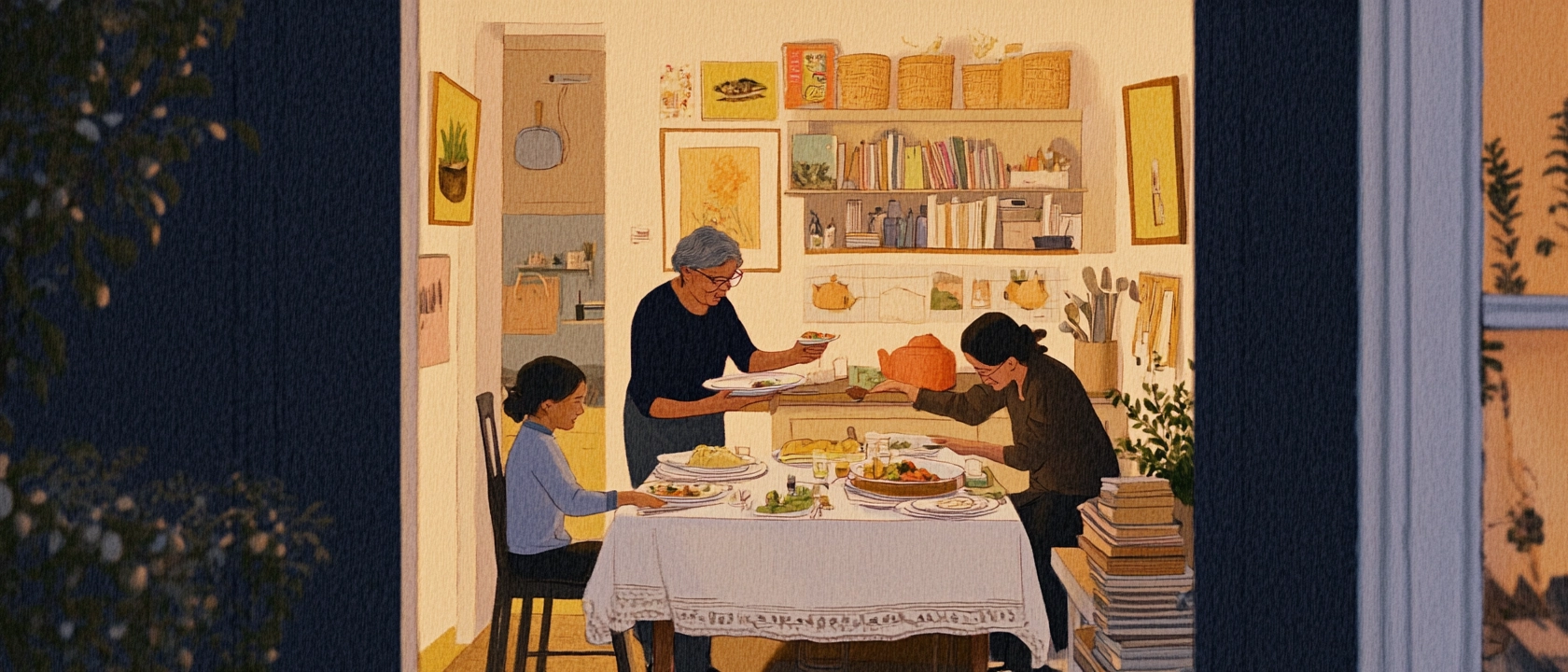
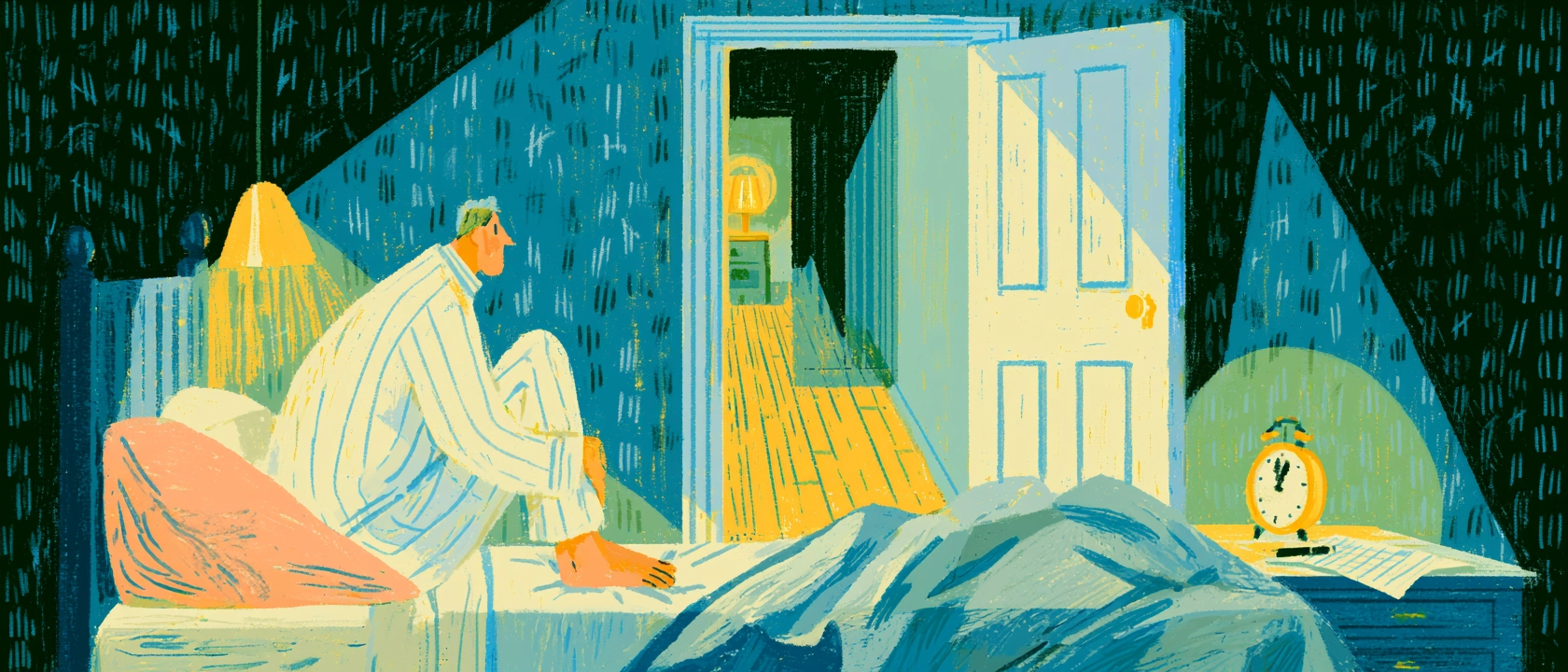
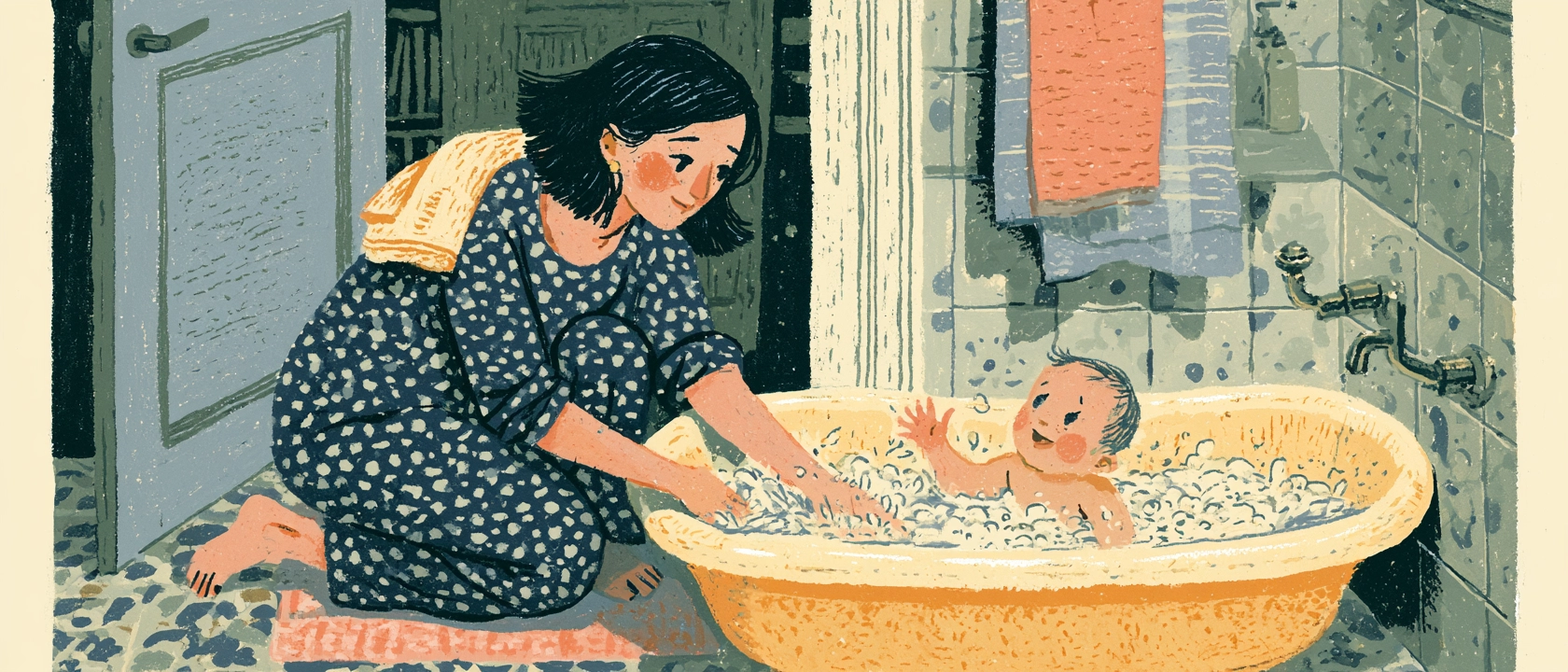
It usually starts with one thought.
You're holding a knife while making dinner, and your brain says: what if I used this on someone I love? You're standing on a balcony with your toddler nearby, and a horrifying image flashes. You're driving past a pedestrian, and a thought arrives like a verdict: what if I swerved?
The thoughts disappear in seconds. The horror they leave behind doesn't.
If you've been carrying thoughts like these in private, too afraid to tell anyone, afraid that saying them out loud might somehow confirm them, there's something you should know first. This is Harm OCD. The thoughts say nothing about who you are or what you'll do, and it's one of the most treatable presentations of obsessive-compulsive disorder (OCD) we see.
Harm OCD is a subtype of obsessive-compulsive disorder in which a person experiences unwanted, intrusive thoughts or images about causing harm to themselves or to the people they love. The thoughts are ego-dystonic, meaning they directly contradict the person's values, identity, and intentions. Harm-related obsessions are among the most common OCD presentations and are highly responsive to specialized treatment.
Most people Googling "am I dangerous" at 1am are not, in fact, dangerous. What they have is a brain that's started flagging certain thoughts as five-alarm fires when they aren't fires at all.
Harm OCD shows up in patterns. The thought arrives, unwanted, sometimes graphic, almost always involving the people the person loves most. The body reacts: heart racing, stomach dropping, sometimes a strange wave of dissociation. Then comes the second wave, which is the part most people never talk about. The desperate need to figure out what this means about me.
That second wave is the OCD.
The intrusion is a misfire. The compulsion is what makes the condition stick. The hours of mental checking. The avoidance of knives or scissors or being alone with the people you love. The endless internal interrogation.
Some patterns I see often:
In each case, the person's response (withdrawing, hiding, restructuring their life to prevent something they would never do) is itself the strongest possible evidence of who they actually are.
The brain has a threat-detection system. It's supposed to flag genuine danger and let everything else pass through.
In OCD, that system gets miscalibrated. According to the International OCD Foundation, intrusive thoughts are a near-universal human experience. Research has long suggested that over 90% of people have them. In OCD, the difference is what the brain does with the thought next.
A non-OCD brain treats a violent intrusion as static. Weird thought, moving on. An OCD brain treats it as a signal worth investigating. Then it keeps investigating. Then it never stops investigating. The investigation itself becomes the disorder. The National Institute of Mental Health describes this as the cycle compulsions reinforce: brief relief from anxiety, followed by a stronger return of the obsession.
Here's what most of the internet gets wrong about Harm OCD. It treats the thoughts themselves as the problem.
They aren't.
The thoughts that scare you most are the strongest evidence that you're not, in fact, dangerous to anyone.
Violent ideation in someone who actually intends harm tends to be ego-syntonic. It aligns with their worldview. It doesn't horrify them. People who hurt others rarely spend hours Googling whether they might hurt others. The Googling is the diagnostic feature. It's what you do when a thought strikes a value system that finds it abhorrent.
This is what makes Harm OCD a uniquely cruel disorder. The brain weaponizes the things the person cares about most. A devoted parent gets thoughts about their child. A loving partner gets thoughts about their spouse. A new mother gets thoughts about the baby she's been waiting for.
The pattern isn't random. OCD specifically targets the area of life where the person has the highest emotional investment. And then it tortures them with it.
Untreated, Harm OCD has a predictable trajectory. The avoidance grows.
It starts with one knife in the kitchen, then becomes all sharp objects. It starts with being alone with one person, then becomes being alone with anyone. Many of the clients I work with had spent years cutting their lives smaller and smaller, quitting jobs, dropping relationships, missing major life events, because their world had filled up with things their brain had labeled "dangerous."
The other cost is shame. Harm OCD is one of the most shame-bound presentations of OCD because the thoughts feel unspeakable. People go years without telling anyone. By the time they reach treatment, they've often been Googling alone at 2am for so long they've half-convinced themselves they're monsters.
They're suffering from a highly treatable condition that we know how to address.
The treatment that works for Harm OCD is Exposure and Response Prevention (ERP), and it doesn't look the way people expect.
Most people walk into a first session bracing for the therapist to want to investigate whether the thoughts are real. We don't. As an IOCDF-registered ERP therapist, Karla Pineda treats the thoughts the way they deserve to be treated: as misfires. The work isn't to prove they're false. The work is to teach the brain to stop treating them like emergencies.
What ERP for Harm OCD actually involves:
The principle is counterintuitive but consistent. The more you fight an intrusive thought, the louder it gets. The less you fight it, the quieter it becomes. Treatment is the structured practice of fighting less.
Many clients also benefit from understanding how reassurance-seeking acts as a hidden mental compulsion, because Harm OCD is especially loaded with the urge to ask "but I'd never actually do that, right?" That reassurance is what keeps the cycle going.
No. The horror you feel about the thoughts is itself the diagnostic feature. People who pose actual risk of harm are not the people tormented by intrusive thoughts about it. If you're afraid you might hurt someone you love, you almost certainly won't.
In a non-clinical sense, yes. Research suggests intrusive thoughts are nearly universal. Most people have fleeting violent or inappropriate thoughts and move past them within seconds. What separates OCD is the brain's response: treating the thought as meaningful and the person as suspect.
ERP doesn't "cure" OCD the way antibiotics cure an infection, but most people who complete treatment see significant, lasting reduction in symptoms. The thoughts may still arrive occasionally. They simply stop registering as threats. Life becomes recognizable again.
Yes. A therapist trained in OCD has heard versions of these thoughts many, many times and will not be alarmed. Hiding the specific content actually slows treatment, because the thoughts that feel most shameful are usually the ones most worth addressing directly.
Violent ideation in conditions where harm actually occurs tends to feel aligned with the person's mindset, often involves planning, and isn't accompanied by horror. Harm OCD intrusions feel like an attack from the inside. The thoughts contradict everything the person believes about themselves, which is precisely why they're so distressing.
An OCD-trained clinician recognizes harm OCD immediately and knows these thoughts are not threats. Misunderstanding by providers unfamiliar with OCD is a real fear, and a real reason to seek someone with specific OCD training. Describing intrusive thoughts you're horrified by is not a reportable event; it's a textbook presentation.
Common triggers include knives and sharp objects, driving, heights, being alone with children, and news stories about violence. Stress, sleep loss, and major life transitions, including the postpartum period, can intensify symptoms.
No. In harm OCD, thoughts of self-harm are unwanted and frightening; you fear them precisely because you don't want to die. Suicidal ideation involves some degree of wish or intent. If you're unsure which you're experiencing, that uncertainty deserves professional support either way, and quickly.
It's time to talk to a therapist trained in OCD if:
If you or someone you love is in crisis:
Harm OCD is one of the most treatable presentations of OCD we see at Layers Counseling Specialists in Plano, Texas. If the thoughts have started shrinking your life, the work to expand it again is more straightforward than you might think.
Schedule a consultation with our OCD-focused team serving Plano and the greater DFW area.
By Karla Pineda, LPC
Last reviewed: August 2026
This article is for educational purposes and is not a substitute for professional medical advice. If you or someone you know is in crisis, call or text 988 (Suicide & Crisis Lifeline) or text HOME to 741741.
Our Plano therapists specialize in OCD, anxiety, ADHD, autism, ARFID and trauma, in person or online anywhere in Texas. Every clinician starts with a free 15-minute consultation, so you can see whether it feels like a fit before you commit.
ocd
OCD
ocd