In 2019, a Yale trial tested an idea that sounded backward.
Researchers worked with 124 anxious kids between 7 and 14. Half got one on one therapy with a therapist, the usual way. For the other half, the child never met the therapist, and only the parents came to sessions. By the end, both groups had improved at about the same rate.
That parent track is Supportive Parenting for Anxious Childhood Emotions (SPACE). Most people call it SPACE treatment, and the idea is simple: the parent changes, and the child improves.
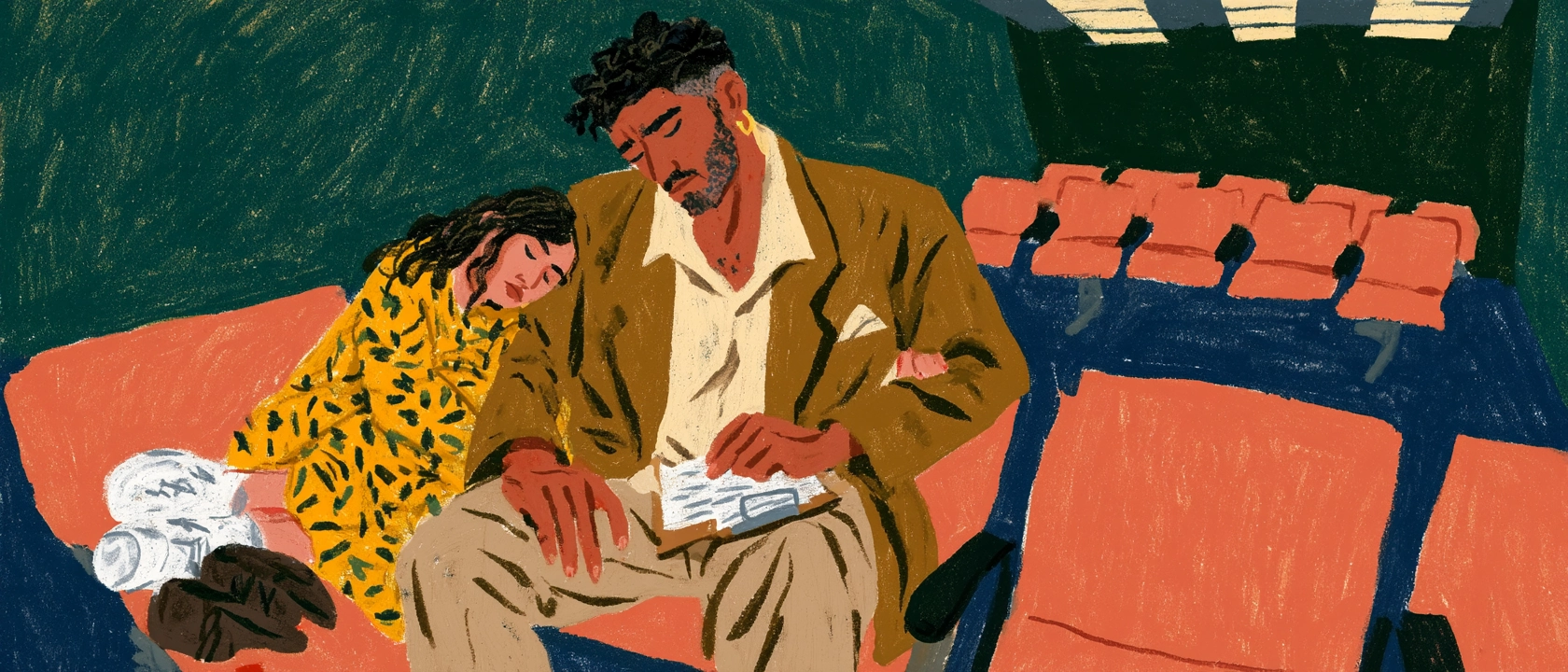
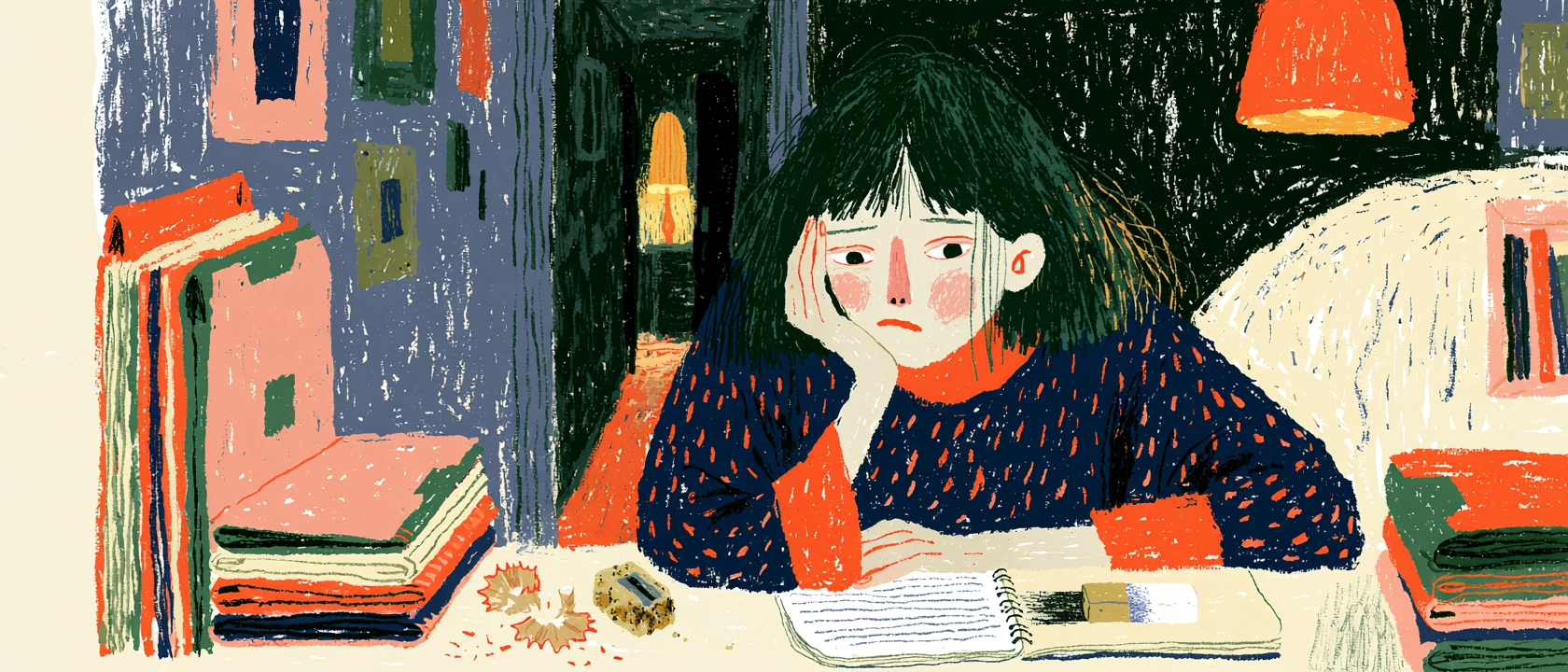
Picture Dana, a fictional parent built from patterns we see often, who has fallen asleep on the floor of her nine year old's room most nights since last fall. For her, the question is simple. Can I really help my son's anxiety if he never sets foot in a therapy office?
If you're still sorting out whether your child's fears have crossed a line, start with these signs that worry has become more than normal. If you already know, keep reading.
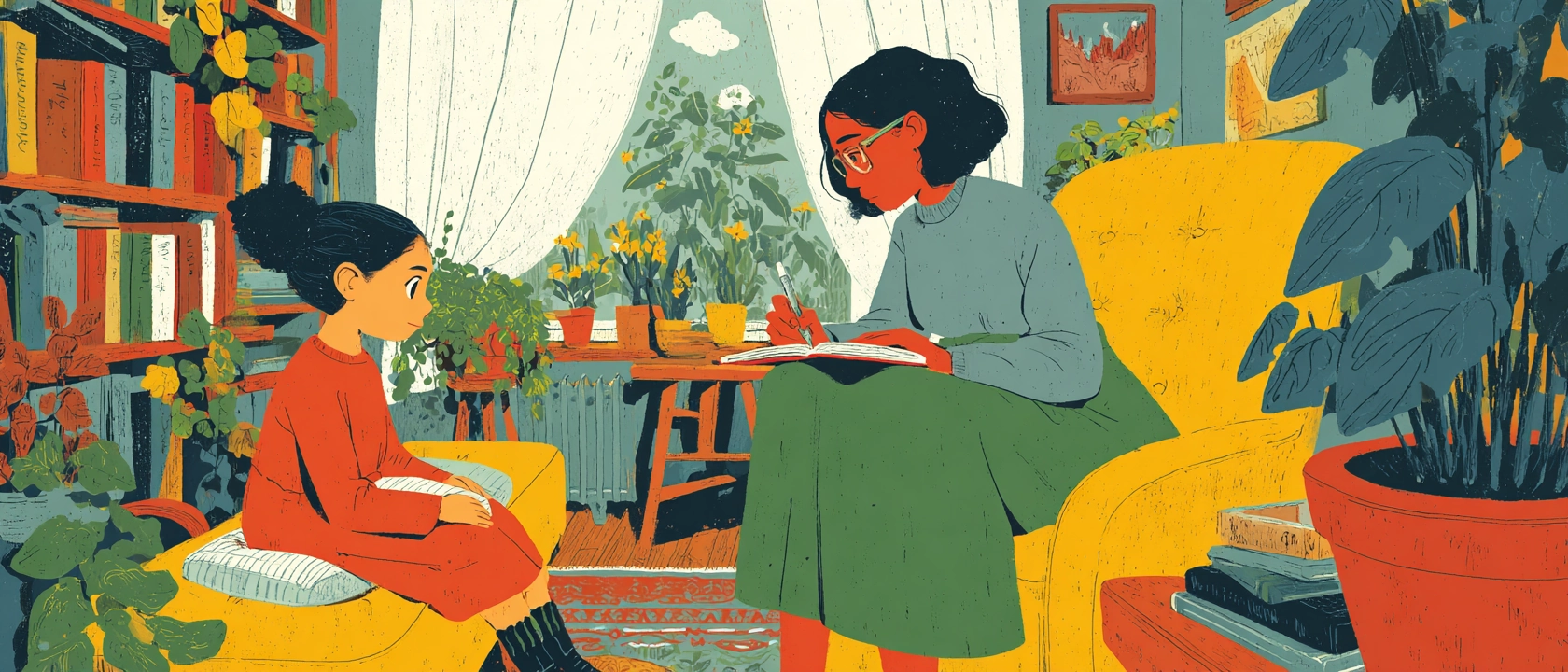
Supportive Parenting for Anxious Childhood Emotions (SPACE) is a treatment for child and teen anxiety and Obsessive-Compulsive Disorder (OCD) in which only parents attend sessions. Parents learn to respond to fear with acceptance and confidence, and to step back from accommodations one at a time. The child never has to come, and research shows results comparable to child therapy.
Parents usually expect homework for their child. In SPACE treatment, the homework is yours.
According to the International OCD Foundation, only parents attend, and no demands at all are placed on the child. The work tends to move through a few stages:
That last stage is where parents most need a therapist in their corner. Research on families of anxious kids shows that when mothers refuse to accommodate, they often face a wave of anger and distress from their child in the short term. Expect it, and know it usually passes.
Almost every parent of an anxious child accommodates. In one study of families seeking treatment, 97% of mothers and 88% of fathers reported at least one form of accommodation.
That makes sense.
Kids are wired to run to parents when they're scared, and parents are wired to make the scary thing stop. So you sleep on the floor. You order for your daughter at restaurants. You answer "are you sure the door is locked?" for the fifteenth time.
Think of a spotter at the gym.
A good spotter stands close, hands ready, eyes on the bar.
Now imagine a spotter who grabs the bar on every rep the moment it wobbles. The lifter feels safe and finishes every set.
Months later, the lifter is no stronger, and more nervous under the bar than ever. Accommodation works the same way. It takes the weight so completely that your child never learns they could have lifted it.
Anxiety's cleverest move is recruiting the people who love the child most. The Child Mind Institute describes the result plainly: kids learn that they need their parents to protect them, and the anxiety grows.
Here's the part that surprises most parents. Your child's willingness is optional.
Child therapy needs a child who will talk, practice and come back next week. Many anxious kids won't, and some flatly refuse. If that's your situation, we wrote about what to do when your child refuses therapy in more detail.
SPACE sidesteps that standoff completely. You decide what you will do, and you change it in a way that is kind, predictable and firm. Your child's cooperation never has to enter into it.
Your child gets stronger in the space you stop filling.
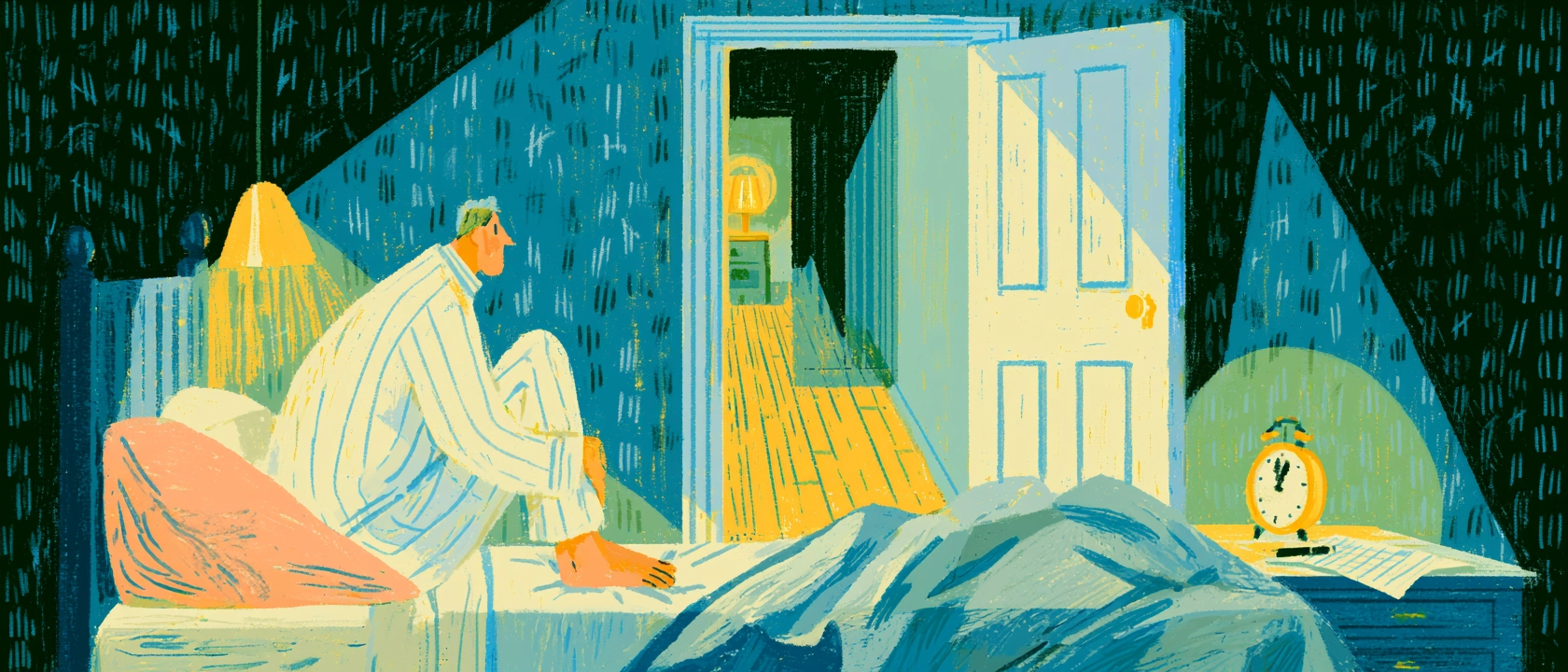
For Dana, the plan started small. Her first step was moving from the floor to a chair by the door, where she'd sit until her son fell asleep. On a calm Sunday afternoon, hours before bedtime, she gave him what SPACE calls the announcement. It was a short written letter saying things were about to change, followed by a calm conversation with no arguing.
She also practiced one sentence for the nights ahead. "I know sleeping without me close feels scary, and I know you can do it."
The first three nights were loud. He cried, bargained and called her mean. By the second week, he was asleep before she finished her chapter. The chair moved to the hallway a few weeks later.
The spotter is still right there, hands ready. Her son is doing the lifting now.
Accommodations tend to grow. A child who needs you nearby at bedtime may start needing you nearby at school drop off, then at friends' houses, then everywhere. Each new workaround makes sense on the day you agree to it.
Over time, anxiety can shrink a child's world. Sleepovers, sports, school and friendships start to feel optional, and then impossible. Parents pay too. Accommodation is linked with more parental distress, and many parents we meet are exhausted in a way they've stopped noticing.
The encouraging part is that the loop runs both ways. When accommodation comes down, anxiety usually follows.
Rachel Tipsword is trained in SPACE and leads this work at Layers. She works with parents of kids and teens with anxiety and OCD, including families whose child won't come to therapy at all.
Rachel also leads ARFID care at Layers. She uses SPACE with parents whose child's anxiety shows up at the dinner table as Avoidant/Restrictive Food Intake Disorder (ARFID), eating so limited it affects a child's health or growth, with no worry about weight behind it.
Her SPACE work is structured and understanding. You'll leave each session with a clear plan and specific words to use. You'll also have someone who knows that holding a boundary while your child cries is one of the hardest things a parent does.
SPACE starts from the view that accommodation comes from love. Nobody in Rachel's office is keeping score of what you've done so far. The only question is what you'll try next.
Families come to our Plano office from all over Collin County, including families in Frisco looking for a therapist trained in SPACE. One parent can do the work alone, though it often goes more smoothly when both caregivers are on the same page.
Supportive Parenting for Anxious Childhood Emotions (SPACE) is designed for parents of children and teens. The major Yale trial included kids from 7 to 14, and the approach is used with older teens as well. Because the child never has to attend, it can work at ages when a child is too young or too resistant for traditional therapy.
Yes. Supportive Parenting for Anxious Childhood Emotions (SPACE) treats childhood Obsessive-Compulsive Disorder (OCD) as well as anxiety. The International OCD Foundation notes it is especially helpful for kids who can't engage in Exposure and Response Prevention (ERP), the therapy that practices facing a fear without doing the ritual afterward.
Most families work through Supportive Parenting for Anxious Childhood Emotions (SPACE) over a few months of weekly sessions. In our experience, some parents notice a calmer house within the first few weeks of using supportive statements, before any accommodation has even been reduced.
Yes. Researchers at Yale built a version of Supportive Parenting for Anxious Childhood Emotions (SPACE) for Avoidant/Restrictive Food Intake Disorder (ARFID). It helps parents reduce mealtime accommodations while responding supportively, and it asks nothing of the child. The research is still early, but the approach is growing fast, with a parent guide from its developers due out this November.
SPACE treats accommodation as a natural, loving response to a child's fear, which is why almost every parent of an anxious child does it. Supportive Parenting for Anxious Childhood Emotions (SPACE) puts parents in the role of the solution. Many parents tell us it's the first time in months they've felt useful.
It may be time to talk with someone if:
Dana still checks on her son every night. Now she does it from the doorway, on her way to her own bed.
Dana is fictional, but parents tell us versions of her story all the time.
If you're in Plano or anywhere in the Dallas area, SPACE treatment for parents is part of our child anxiety and OCD care.
When you're ready, you can request an appointment here. You're allowed to start before your child does.
By Rachel Tipsword, LCSW
Last reviewed: October 2026
Our Plano therapists specialize in OCD, anxiety, ADHD, autism, ARFID and trauma, in person or online anywhere in Texas. Every clinician starts with a free 15-minute consultation, so you can see whether it feels like a fit before you commit.
anxiety
SPACE Treatment
space-treatment