By Karla Pineda, LPC · Last reviewed: October 2026
"Is he doing this on purpose?"
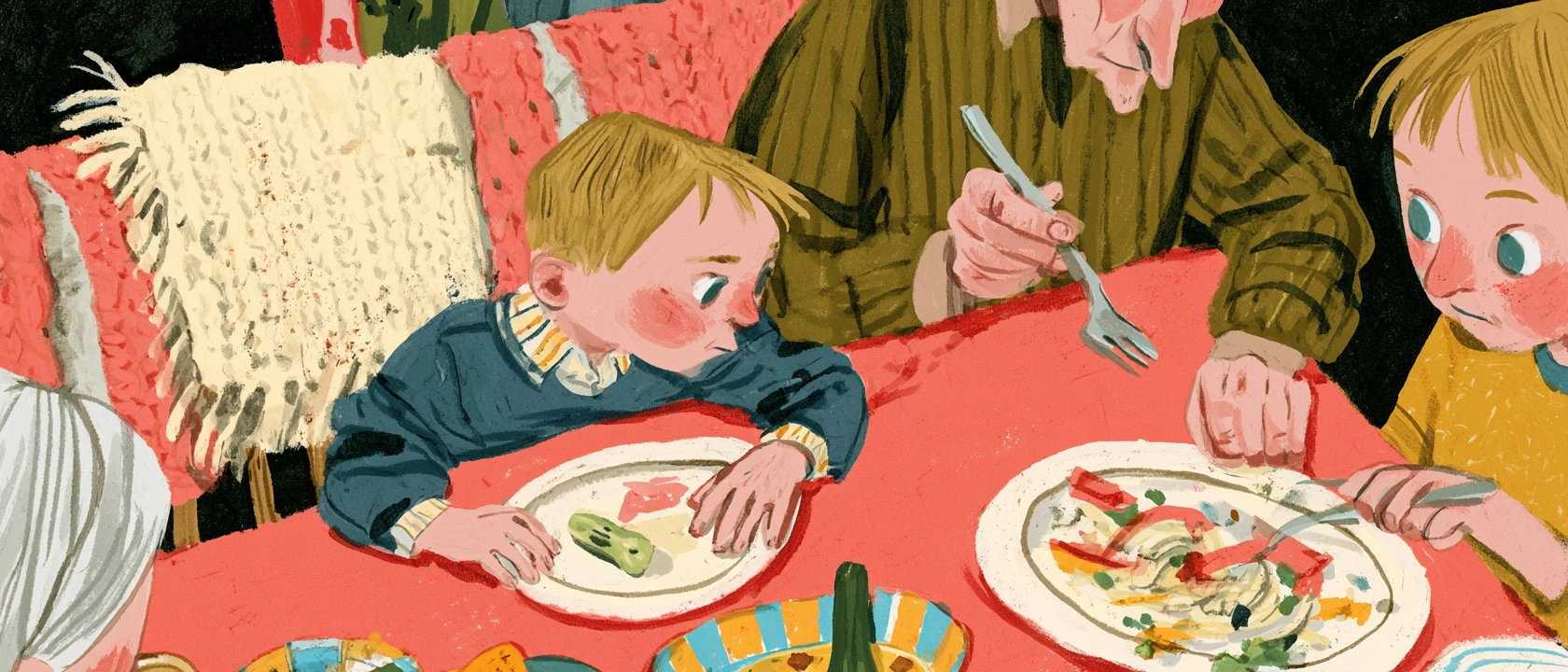
That's the question in your head at 4:40 on a Tuesday, while your eight year old screams on the kitchen floor because his sister got the blue cup. Twenty minutes ago he was laughing at a video. Tomorrow his teacher will tell you he had a great day. And somewhere under all that noise, you're trying to decide whether to hold the line or hold him.
Let's call him Eli. Eli is a fictional child I made up for this post, so no real family's details appear anywhere here.
But the blue cup moment is the one parents describe most when they call our Plano office about a child with Attention-Deficit/Hyperactivity Disorder (ADHD), a difference in how the brain manages attention, impulses and energy. If you're still sorting out whether it's ADHD at all, start with our guide to ADHD red flags versus typical kid behavior.
A tantrum has a goal. Your child wants something, turns up the volume to get it, and usually stops once they get it or the plan stops working. An Attention-Deficit/Hyperactivity Disorder (ADHD) meltdown happens when the brain's brakes give out. Your child can no longer steer, and it ends slowly, often in tears or exhaustion.
Hold on to that picture of the brakes. It explains a lot.
Every kid has brakes, the part of the brain that puts a pause between a big feeling and what they do with it. In kids with ADHD, the brakes work, but they grab a little later and wear out faster. Researchers call this emotional dysregulation, and many now see it as a core part of ADHD itself.
The numbers back up what you see at home. In one study of children with ADHD, nearly half had high levels of emotional ups and downs, compared with about 15 percent of kids without ADHD.
Brakes also fade with use. A school day is one long downhill stretch for a kid with ADHD: sitting still, waiting for a turn, holding in every urge to blurt something out. By late afternoon, many kids are riding brakes that are nearly gone. For kids who take ADHD medication, that's often the same window when it wears off.
In the moment, the two can look identical. The differences live in the details.
| ADHD meltdown | Tantrum or defiance | |
|---|---|---|
| What sets it off | Too much at once: noise, hunger, a transition, one more request at the end of a long day | Something your child wants, or something they want to get out of |
| Who it's for | Nobody. Your child stopped tracking who's watching. | An audience. Many kids pause to check whether you're looking. |
| Does giving in end it? | Rarely. Getting the blue cup doesn't fix overload. | Often, and fast. |
| How it ends | Slowly, in tears, exhaustion, or a need to be held or left alone | Quickly, once the goal is met or the plan stops paying off |
| The ten minutes after | Wrung out, embarrassed, sometimes sorry, foggy about what happened | Mostly back to normal, sometimes still a little annoyed |
| What helps right then | Fewer words, lower lights, safety, your calm body nearby | Calm, clear limits and following through |
One row matters more than the rest.
During the screaming, you're guessing. Afterward, you have evidence.
Watch the ten minutes after it's over. A child who threw a tantrum often bounces back fast, sometimes with the cookie already in hand. A child coming out of a meltdown looks like he just ran a race. He might cry harder once it's done, crawl under a blanket, or ask in a small voice whether you're still mad.
The clearest clue usually shows up ten minutes after the yelling stops.
That difference matters because the two call for opposite responses. Consequences work on tantrums because a tantrum is a strategy. When the strategy stops paying off, kids drop it.
A meltdown has no strategy behind it. Threatening to take away screen time just adds more weight to a car already rolling downhill with no brakes.
You've probably heard that he's just testing you and you shouldn't give in. That advice was built for tantrums. Used during a meltdown, it tends to make the meltdown longer and the shame afterward heavier.
Many of the adults with ADHD I work with remember being that kid. They remember being called defiant. They also remember how scary it felt to lose control and have no idea how to get it back.
Real kids don't read the table.
A tantrum can tip into a meltdown. Eli starts out wanting the blue cup. He hears no, and the frustration piles on top of a long day until the brakes go.
At that point the goal is gone and only the overload is left. Respond to what you're seeing. Hold steady limits while he can still steer, and switch to calm and safety once he can't.
If your child is also autistic, meltdowns often carry a strong sensory piece. Our post on AuDHD, when a child is both autistic and has ADHD, covers how that overlap looks at home.
Start a simple log for two weeks. The notes app on your phone works fine. After each big blowup, jot down:
Patterns tend to show up fast. A lot of families find the blowups cluster in the same window, often right after school, which tells you exactly where the brakes run out.
For kids under 6 with ADHD, the American Academy of Pediatrics (AAP) recommends parent training in behavior management as the first step, before medication, according to the Centers for Disease Control and Prevention (CDC). For kids 6 and older, the recommendation is medication and behavior therapy together.
Medication can help the brakes grab sooner. Therapy helps your child notice the hill before he's halfway down it, and helps you know what to do when he is.
At Layers, Alesha Mizeur works with autistic kids and ADHDers who struggle with big emotions and transitions. Her sessions look a lot like play, because play is how kids practice hard skills like calming down and asking for help. She uses Child Centered Play Therapy, where your child leads the play while she follows, and she's completing her training in AutPlay Therapy, a play based approach built for neurodivergent kids.
Parents are part of the work, too. Alesha will talk with you about the real moments, like the blue cup at 4:40, and she has evening and weekend hours for families whose hardest stretch comes after school. You can read more about ADHD therapy for kids in Plano on our specialty page.
Let's go back to Eli on the kitchen floor.
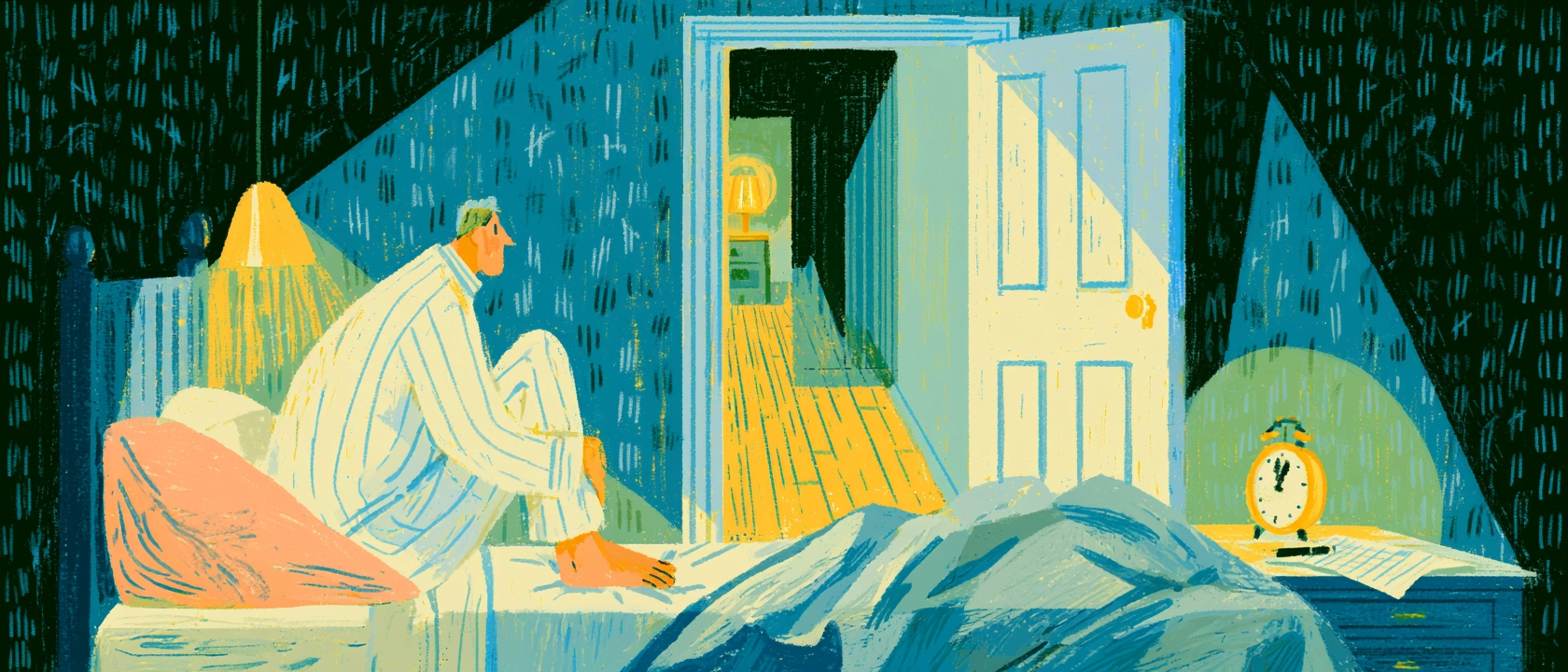
This time, his mom skips the countdown to timeout. She turns off the overhead light, sits a few feet away, and waits without saying much. Eight long minutes later, Eli crawls into her lap and whispers that he's sorry about the cup.
So, was he doing it on purpose? Watch the after. It usually tells you.
Eli is fictional. The kitchen floor at 4:40 is real in a lot of homes, and you don't have to figure it out alone. We see clients in person in Plano and online anywhere in Texas, including families in Allen. If this sounds like your house, book a free 15 minute consultation with Alesha.
This article is for educational purposes and is not a substitute for professional medical advice. If you or someone you know is in crisis, call or text 988 (Suicide & Crisis Lifeline) or text HOME to 741741. For postpartum mental health support, contact Postpartum Support International at 1-800-944-4773.
Our Plano therapists specialize in OCD, anxiety, ADHD, autism, ARFID and trauma, in person or online anywhere in Texas. Every clinician starts with a free 15-minute consultation, so you can see whether it feels like a fit before you commit.
adhd
ADHD
adhd