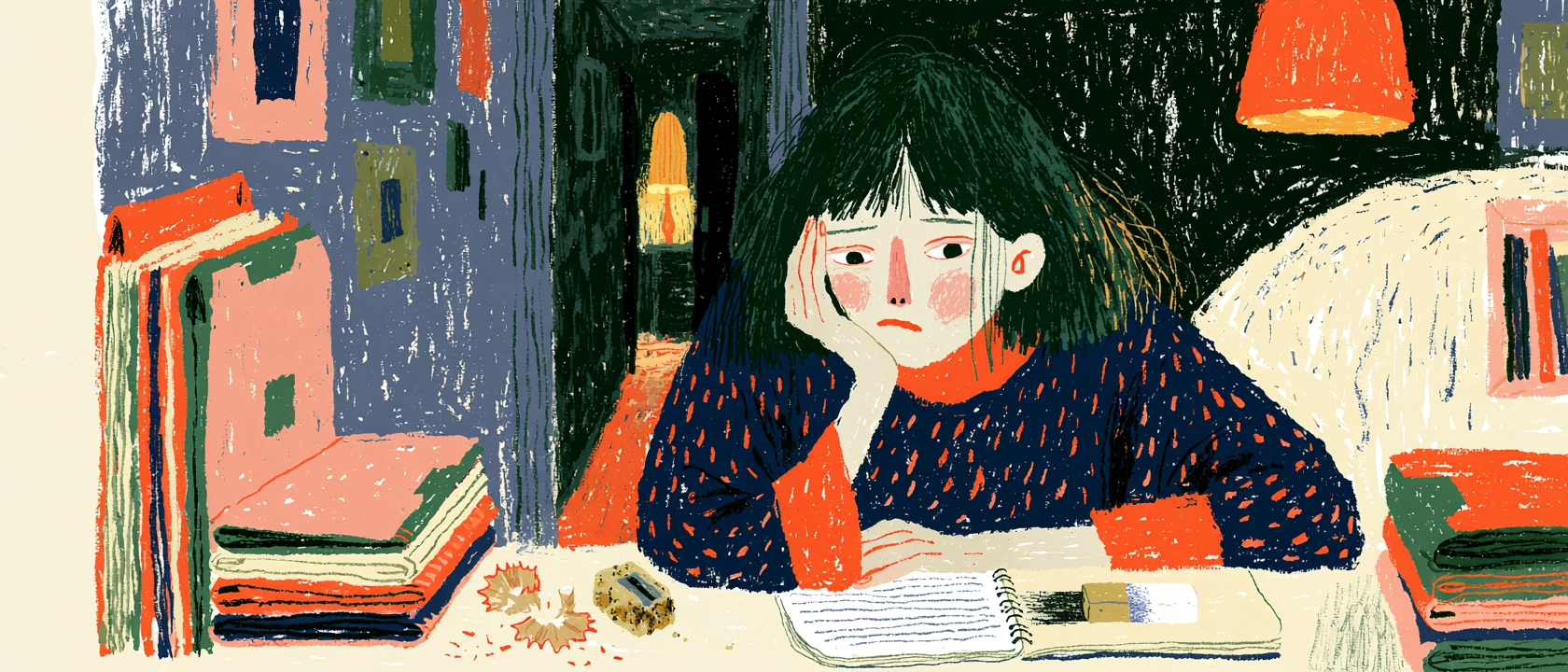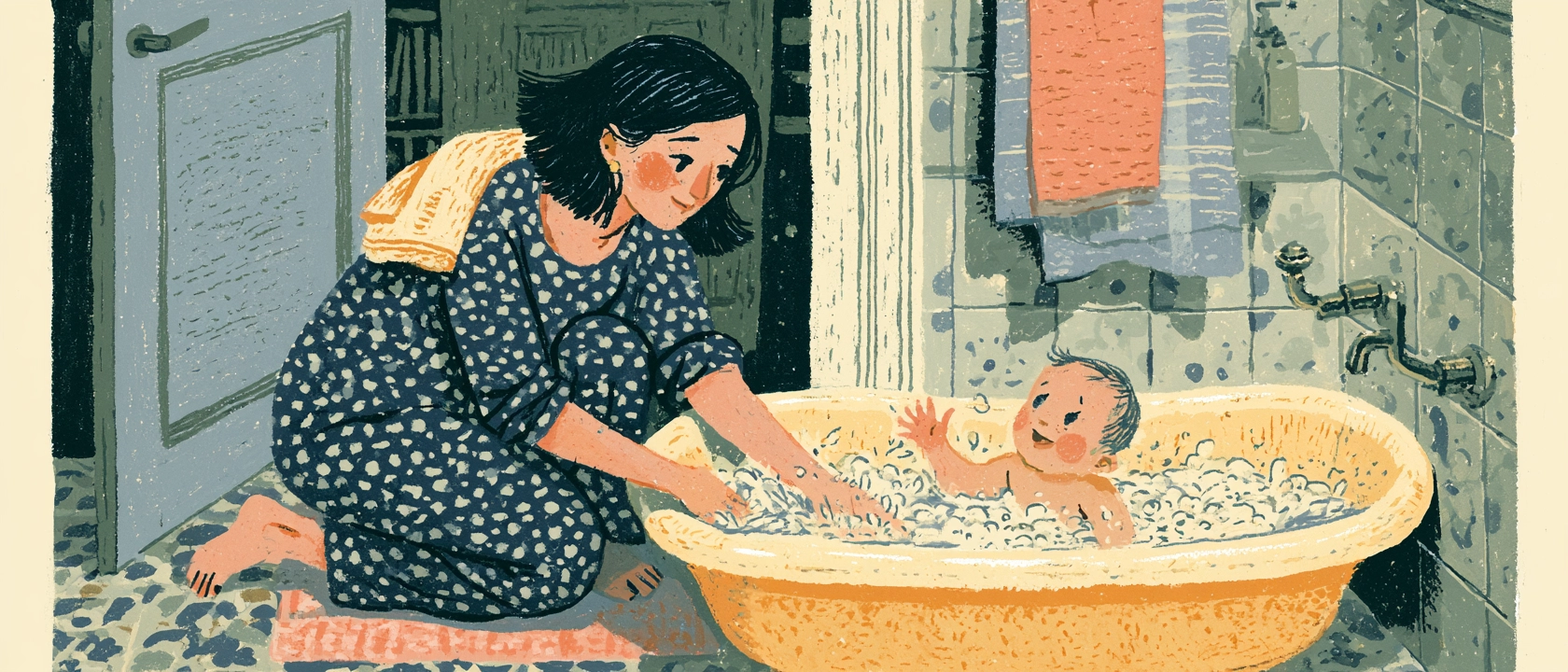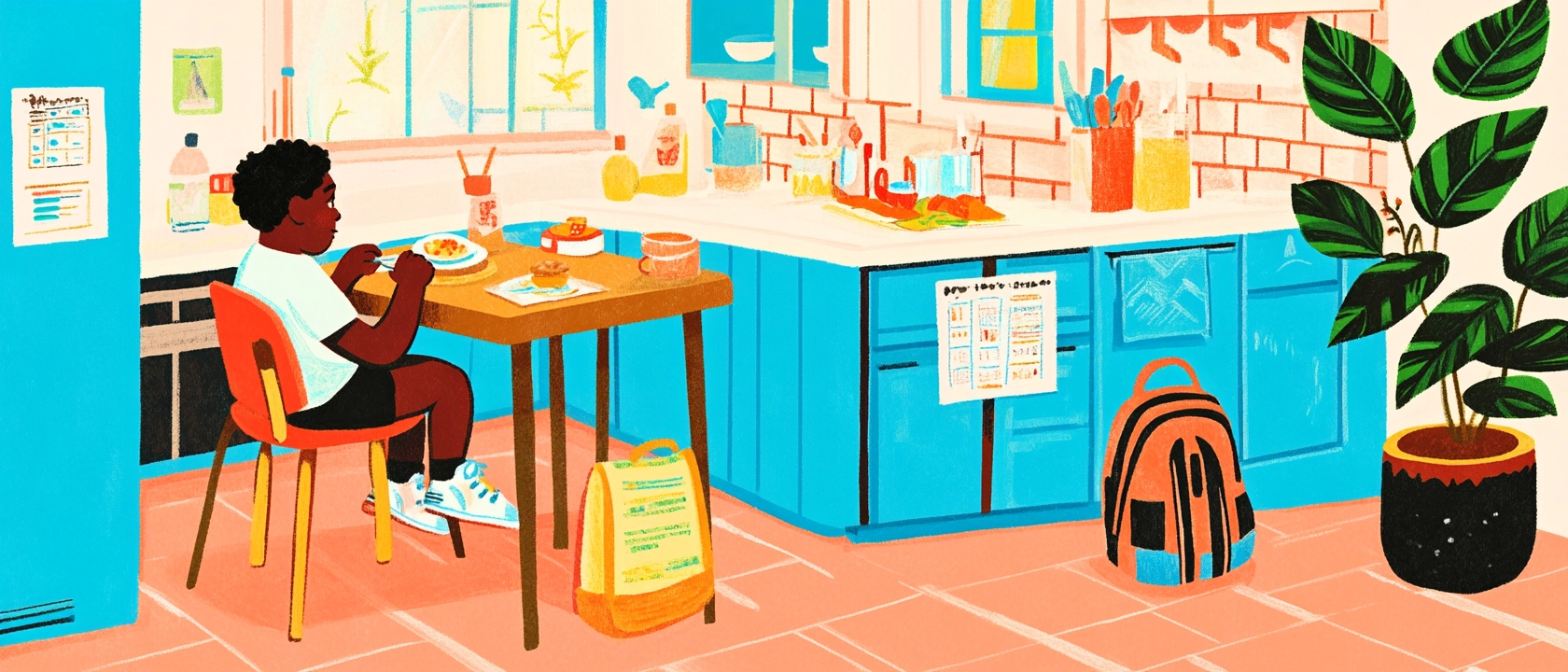
"My tummy hurts." Sunday evening, 7pm, like clockwork.
By Saturday morning the stomachache is gone. The fourth-grader it visits is fine at the pool, fine at her cousin's birthday, fine all summer. But her parents have started noticing the pattern, and part of them already dreads August, because last spring there were three mornings she cried at drop-off and one Thursday she never made it out of the car.
Here's what most parents don't know: school refusal almost never starts with a refused day. It starts weeks earlier, in stomachaches and Sunday moods and one small bargain that feels like kindness. Catch it there, and August goes very differently.
Early school refusal looks like a pattern of anxiety around attendance before outright refusal begins: recurring physical complaints on school mornings that fade on weekends, Sunday-evening dread, clinginess at drop-off, repeated nurse's office visits, and pleas to stay home that escalate over weeks. Catching this stage matters because refusal gets harder to reverse with every missed day.
If you're seeing this and wondering whether it's time for professional help, the pattern below will help you read what's happening first.
The Sunday signal. Mood dips, stomachaches, or meltdowns that reliably arrive Sunday evening and are absent Saturday. The weekend didn't cause it. Monday did.
The morning body. Headaches, nausea, "I feel like I'm going to throw up" at 7am, symptoms that ease by mid-morning if she stays home. This is the part parents agonize over, so let's settle it: the stomachache is real. Anxiety lives in the gut, and kids' bodies talk long before kids do. "Is she faking?" won't get you anywhere useful. Ask instead what her body is reacting to.
The stretched goodbye. Drop-off takes longer each week. One more hug becomes three, becomes a hand that won't let go of the car door.
The nurse's office pattern. Visits that cluster on test days, presentation days, or Mondays. The school's data will show you the shape before your kitchen does.
The bargaining. "Can I just stay home today?" asked with a desperation that doesn't match the ask. And the questions underneath it: "What if you forget to pick me up?" "What if I throw up in class?"
Any one of these alone is a bad week. Three of them, in a pattern, is the path being worn.
Picture a lawn between the sidewalk and the school door. The first time your child cuts across it, the grass barely bends. But anxiety is a creature of shortcuts, and every crossing wears the path deeper, until the shortcut looks more like the road than the road does.
That's avoidance. The home day works, immediately and completely. The stomachache eases by 10am, the dread lifts, everyone breathes. And the relief is exactly what teaches her nervous system that home is the answer to school. Tuesday morning, the fear is a little taller, because now there's more school to catch up on and proof that escape is available.
The "just today" home day buys an easier morning now and sells you a harder one tomorrow.
This is the antagonist of the whole story: the bargain that feels kind. Wanting to give your terrified kid relief makes complete sense. You're up against a pattern that converts relief into fuel.
The early-sign window is the cheap window. What works there:
One thing is deliberately absent from that list: convincing her there's nothing to be afraid of. You can't argue a nervous system out of an alarm. You can show it, morning after held morning, that the alarm is survivable.
School refusal compounds faster than almost any childhood anxiety pattern, because school itself keeps moving.
Each missed day adds missed material, missed social threads, and a bigger pile to walk back into. By the time refusal is full-blown (weeks out, or attending only with daily battles), families are often reorganizing jobs and mornings around it, and the child's world has shrunk to the house. Adolescents who entrench can drift toward chronic absenteeism, and the anxiety rarely stays contained to school.
The hopeful version of the same fact: caught at the stomachache stage, this is one of the most treatable patterns we see.
Treatment works the same logic as the lawn: stop walking the shortcut, gradually and with support, until the grass grows back.
At Layers, Isaac Rosas, LMSW works with anxious kids and teens using approaches that fit their age, including play therapy for younger children who can't yet say what the fear is. Therapy gives the child skills for the morning wave, and it gives parents the harder half: how to hold the line without holding a daily war.
There's a second person in this story who needs support, and I meet her every fall. My own caseload is adults, so I see school refusal from the parent's side of the breakfast table: how hard they're trying to help their kiddo, and how drained they are by October. Weeks of morning battles wear a parent down in ways that deserve their own care, and anxiety in a household rarely stays in one person.
And when the child refuses therapy the way they refuse school, there's a path that doesn't require them to walk into an office. Rachel Tipsword, LCSW is trained in SPACE (Supportive Parenting for Anxious Childhood Emotions), a parent-based treatment developed at Yale in which parents attend the sessions and learn to shift the accommodations feeding the anxiety. The child's mornings change without the child ever being dragged to an appointment. Our team covers the whole picture: kids and teens with Isaac, parents through SPACE with Rachel, and the drained adults in the middle, in English and Spanish, at multiple fee levels.
Almost certainly not. Anxiety produces genuine physical symptoms: the gut is densely wired to the brain's alarm system, so the nausea and pain are real even when no illness is present. The tell is the pattern, symptoms that ease once school is off the table, and the useful response treats the anxiety rather than litigating the symptom.
School refusal is anxiety-driven: the child is distressed, parents usually know, and the child often stays home rather than going elsewhere. Truancy patterns look different, marked by concealment from parents and little anxiety about attendance. The distinction matters because the responses differ; anxiety-driven refusal needs treatment and support, and punishment tends to deepen it.
In most cases, yes, with support. Attendance is the treatment, delivered kindly: validate the fear, keep the morning short, coordinate with the school, and get them in the building. The exceptions: genuine illness, active bullying or safety concerns, or distress so severe it needs professional eyes first. When in doubt, keep them attending while you get help.
Reach out when the pattern survives two to three weeks of consistent routine and warm-but-firm mornings, when absences start accumulating, or when the distress is escalating rather than easing. Earlier is genuinely easier. A few sessions at the stomachache stage regularly prevents the months of work full refusal requires.
Call sooner rather than later if:
The Sunday stomachache girl from the top of this post is a composite of a dozen kids we've seen, and her story usually ends the same way when it's caught early. "My tummy hurts" still shows up some Sundays. She goes Monday anyway, with a plan and a person at the door. And the path across the lawn, unwalked, grows over by October.
Our child and teen therapy services in Plano are built for exactly this window. Layers Counseling Specialists is based in Plano, Texas, serving families across the DFW area. You can request an appointment with our team before the first bell. August is the cheap window, and it's open now.
By Karla Pineda, LPC
Last reviewed: July 2026
This article is for educational purposes and is not a substitute for professional medical advice. If you or someone you know is in crisis, call or text 988 (Suicide & Crisis Lifeline) or text HOME to 741741.
Our Plano therapists specialize in OCD, anxiety, ADHD, autism, ARFID and trauma, in person or online anywhere in Texas. Every clinician starts with a free 15-minute consultation, so you can see whether it feels like a fit before you commit.
child-therapy
Anxiety Disorders
anxiety-disorders