By Karla Pineda, LPC · Last reviewed: July 2026
Rest. That's the prescription everyone hands you. Sleep in, take the vacation, cancel whatever can be canceled.
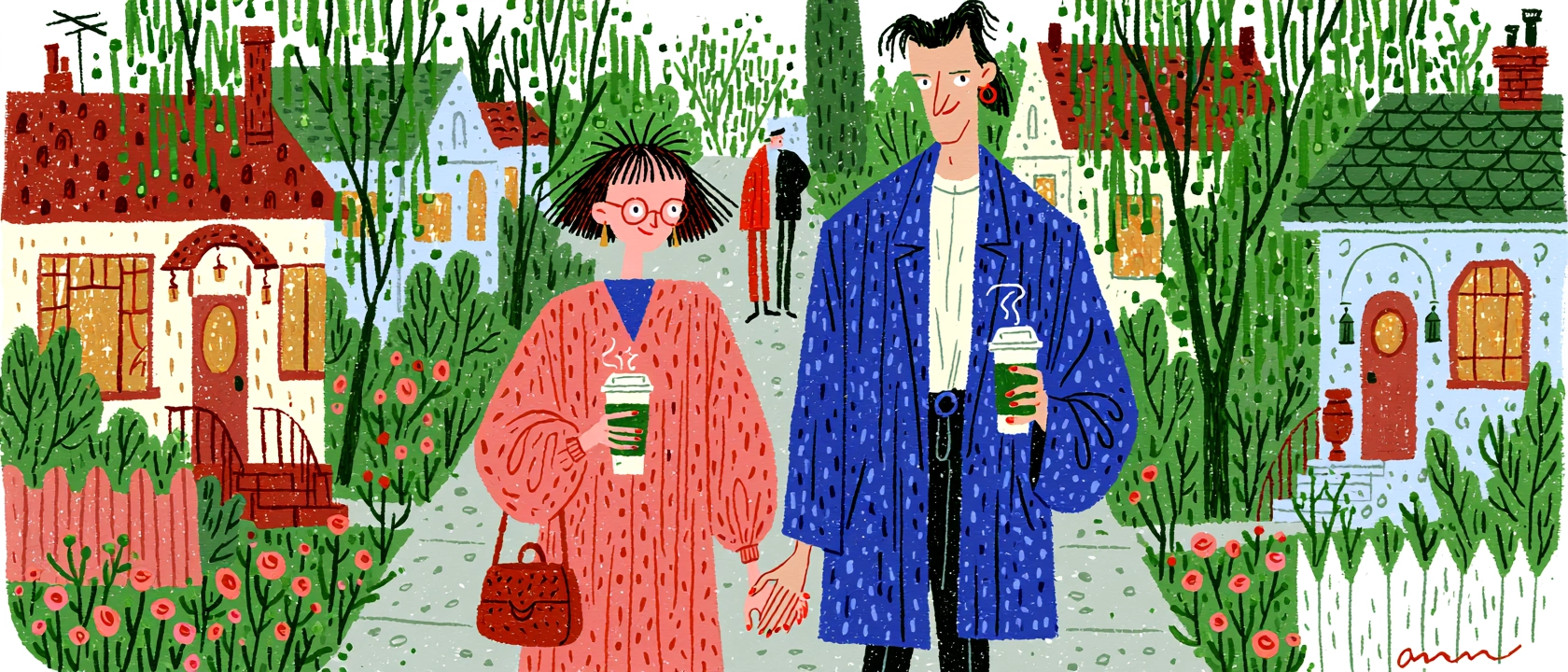
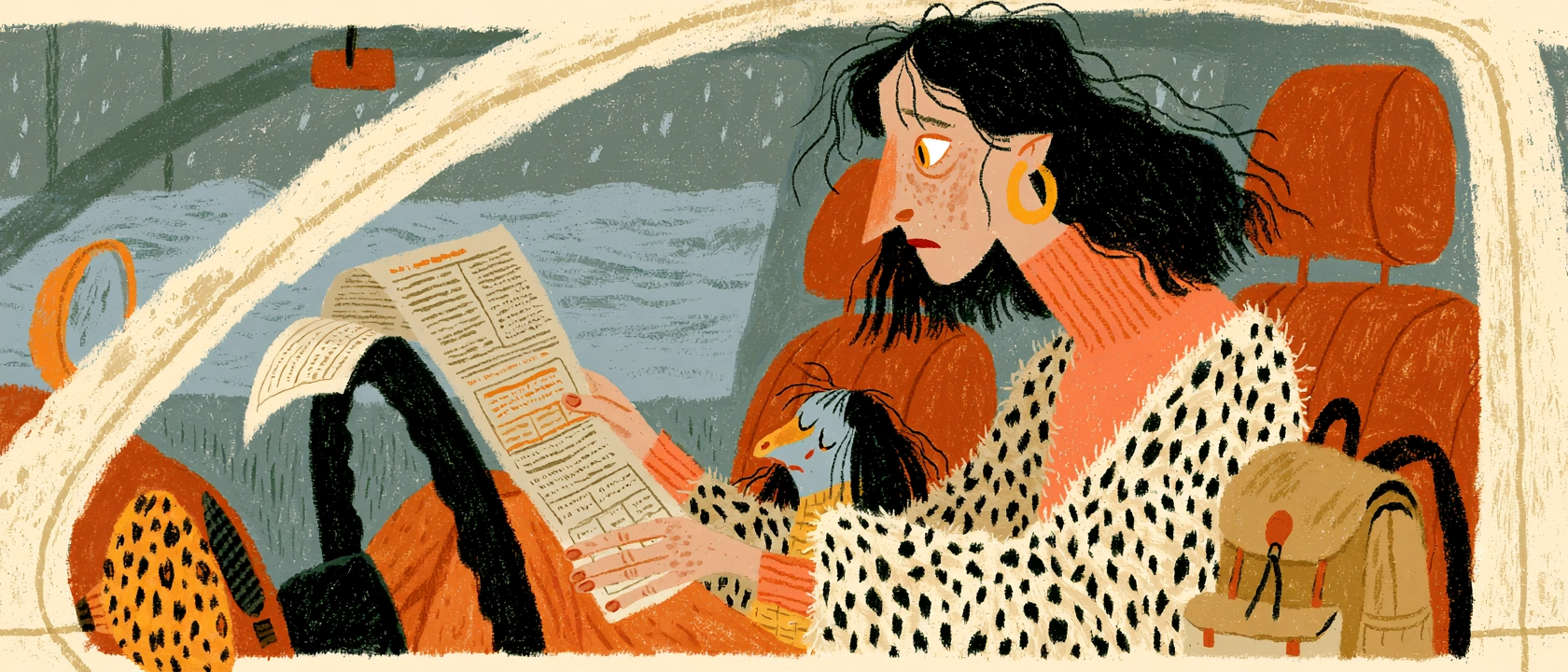
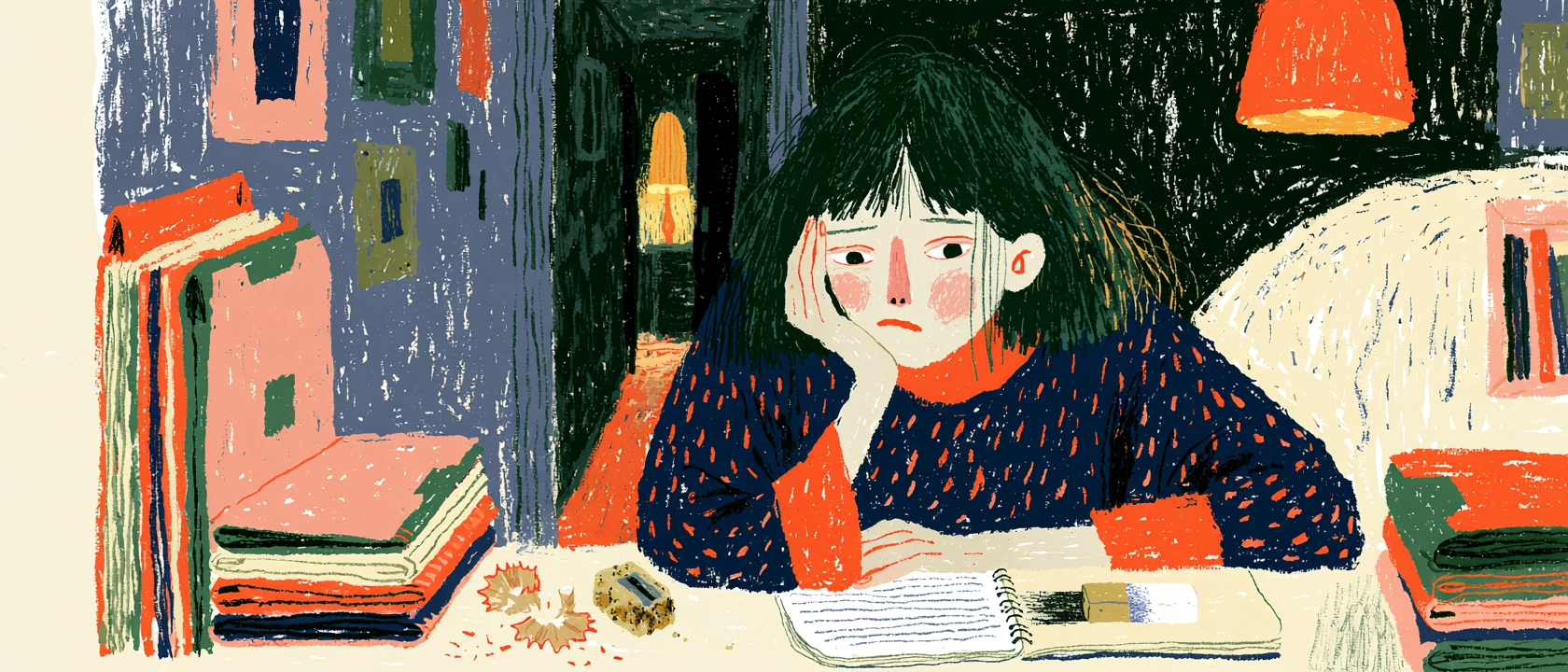
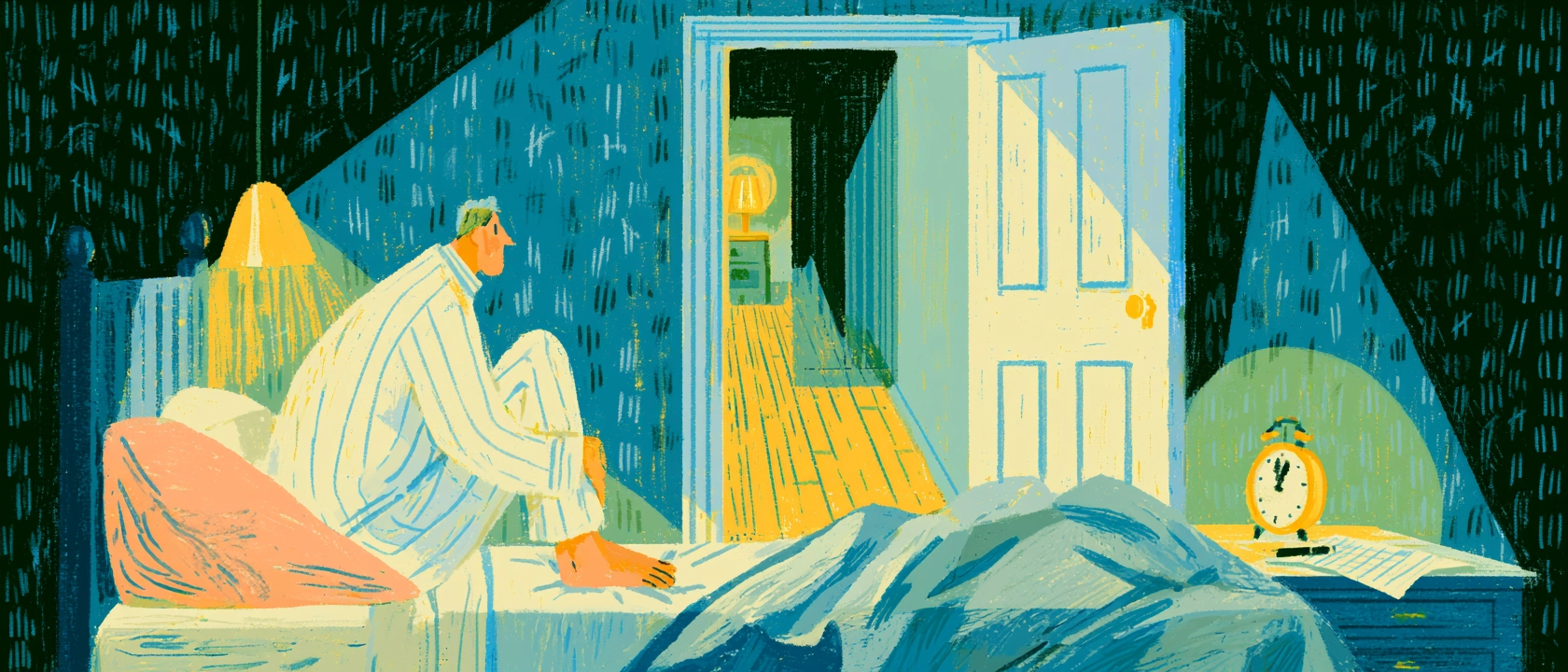
So you did. You slept ten hours and woke up tired. You took the week off and spent most of it on the couch, recovering from nothing you could name. One client we'll call Dana planned two weeks away in June and spent them staring at the ceiling fan of a rental house, wondering why stillness felt like more work.
If rest keeps failing you, there's a reason, and it has a name: autistic burnout. Understanding it starts with looking at what's actually draining the account.
Autistic burnout is a state of deep, long-lasting exhaustion that develops when life's demands exceed an autistic person's capacity for months or years. It usually includes losing access to skills that used to be reliable, such as planning or communication, plus heightened sensory sensitivity, and it does not lift with ordinary rest.
Researchers studying autistic adults describe it as the result of cumulative load — sensory strain, social performance, and barriers to support stacking up faster than they can be paid down. If you spent years camouflaging your traits, the load was probably invisible even to you.
The exhaustion is the headline, but it's rarely the whole story.
Adults describe words going missing mid-sentence. Meals skipped because deciding what to eat became a project. A text from someone they love sitting unread for four days. Sounds that were always annoying, like the office HVAC or a coworker's pen, becoming physically painful.
The skill loss is what alarms people most. Things you could do last year, sometimes last month, stop being available. Cooking dinner. Driving without white-knuckling the wheel. Research built from autistic adults' own accounts describes exactly this pattern of chronic exhaustion and lost skills driven by long-term overload, with sensory tolerance shrinking alongside.
Dana could still perform her job. What she couldn't do anymore was the invisible second job of seeming fine while doing it.
Because rest addresses the balance, and burnout is a problem with the budget.
Think of masking as a loan. Every hour spent suppressing stims, forcing eye contact, rehearsing conversations, and absorbing sensory discomfort without showing it is borrowed energy. The loan comes due whether or not you sleep well that night. String enough years together and the interest compounds.
A vacation pauses some of the withdrawals. It rarely touches the biggest one, because most people take the masking with them. Dana packed hers along with the sunscreen, spent two weeks performing "relaxed" for her travel companions, and came home confused about why she felt worse.
What we see most often in our practice is people trying to rest harder. More sleep trackers, stricter wind-down routines, earlier nights. The exhaustion holds anyway, and then the self-blame starts.
You cannot rest your way out of a load problem. Recovery begins when the demands change. There's also a stranger pattern hiding inside burnout, and it changes how many people understand their whole lives.
[Mid-post image #1 — insert here]
Here's the part almost nobody tells you.
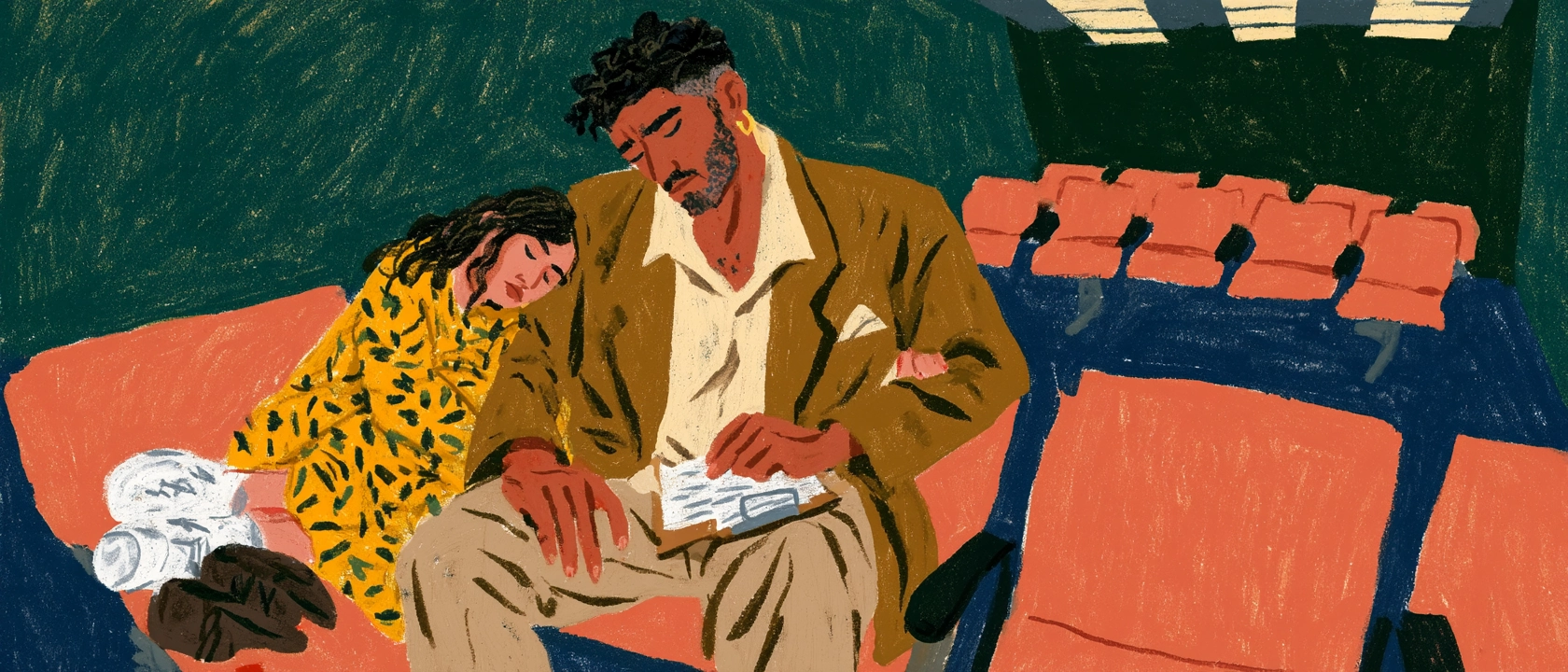
For a large number of adults, especially women and anyone who learned to camouflage early, burnout is the doorway to diagnosis. The coping strategies that hid autistic traits for decades are expensive to run, and burnout is what happens when the account finally empties. When the strategies stop working, the traits become visible, sometimes for the first time, to the person themselves.
Masking is a loan against your own nervous system, and the interest compounds.
That's why people so often arrive at a therapist's office asking about depression or work stress and leave with a referral for an autism evaluation. The burnout came first. The understanding came after. If the framing is new to you, our post on neurodiversity-affirming care is a good place to start.
The cycles get longer and deeper. What resolved in a month the first time can take six months the next, and each round tends to arrive with less warning.
Untreated burnout also keeps close company with depression, and the two are easy to confuse and entirely possible to have together. Jobs get lost to it. Relationships strain when withdrawal reads as rejection. Perhaps the heaviest cost is internal, because years of unexplained collapse teach people a false story about being lazy or broken, and that story does damage the burnout alone never could.
Treatment starts with an honest audit of the load: where masking is running, which environments charge the most, and what can change without upending your life.
Then it gets structural. Reducing masking demands where it's safe to, building sensory accommodations that fit your actual work and home, and processing the grief that often surfaces when a late diagnosis reframes your whole history. Progress usually shows up first as margin, a little unclaimed room in the week, before it shows up as energy.
Our team works across this range. Jessica Morales, LPC-Associate brings a neurodiversity-affirming approach to autistic and AuDHD adults, including clients whose burnout is tangled up with trauma. And because burnout so often travels with anxiety or a late-recognized second diagnosis, having multiple modalities under one roof in Plano, Texas means the plan can flex as understanding deepens.
[Mid-post image #2 — insert here]
How long does autistic burnout last?
Anywhere from a few weeks for milder episodes to a year or more for severe ones, especially when the burnout accumulated over years of unaccommodated masking. The biggest variable is whether demands actually decrease. Rest with the same load tends to produce the same result.
Is autistic burnout the same as depression?
They overlap and often co-occur, but they respond to different things. Depression typically involves pervasive low mood and loss of interest, while burnout centers on capacity. Many people in burnout still want to do things and can't access the resources to do them. A clinician familiar with autistic adults can help untangle which is which.
Is autistic burnout the same as a meltdown?
No. A meltdown is an acute response to overwhelming input that peaks and passes within hours. Burnout is cumulative and can run for months. Meltdowns may become more frequent during burnout because tolerance is depleted, which is one reason the two get confused.
Can autistic burnout be prevented?
The cycle can usually be interrupted, which is more realistic than perfect prevention. Knowing your early signals, building recovery into ordinary weeks rather than saving it for collapse, and reducing masking where it's safe all lower the odds of another full episode.
Consider reaching out if:
If you or someone you love is in crisis:
Dana's turn didn't come from a better vacation. It came from a therapist asking what her days cost instead of how much she was sleeping. Six months later, the ceiling fan is just a ceiling fan, and her calendar has margin in it for the first time since college.
Layers Counseling Specialists is based in Plano, Texas, serving adults and families across the DFW area. If the account has been running empty longer than you can remember, our autism specialty team can help you figure out where the load comes from and what recovery looks like for you. Request an appointment when you're ready.
This article is for educational purposes and is not a substitute for professional medical advice. If you or someone you know is in crisis, call or text 988 (Suicide & Crisis Lifeline) or text HOME to 741741.
About the author: Karla Pineda, LPC, is the Executive Director of Layers Counseling Specialists in Plano, Texas. She is an International OCD Foundation (IOCDF) registered exposure and response prevention (ERP) therapist (rumination-focused ERP, or RF-ERP) who works with adults on obsessive-compulsive disorder (OCD), anxiety, and the places where anxiety and neurodivergence overlap. Meet Karla or request an appointment.
Our Plano therapists specialize in OCD, anxiety, ADHD, autism, ARFID and trauma, in person or online anywhere in Texas. Every clinician starts with a free 15-minute consultation, so you can see whether it feels like a fit before you commit.
autism