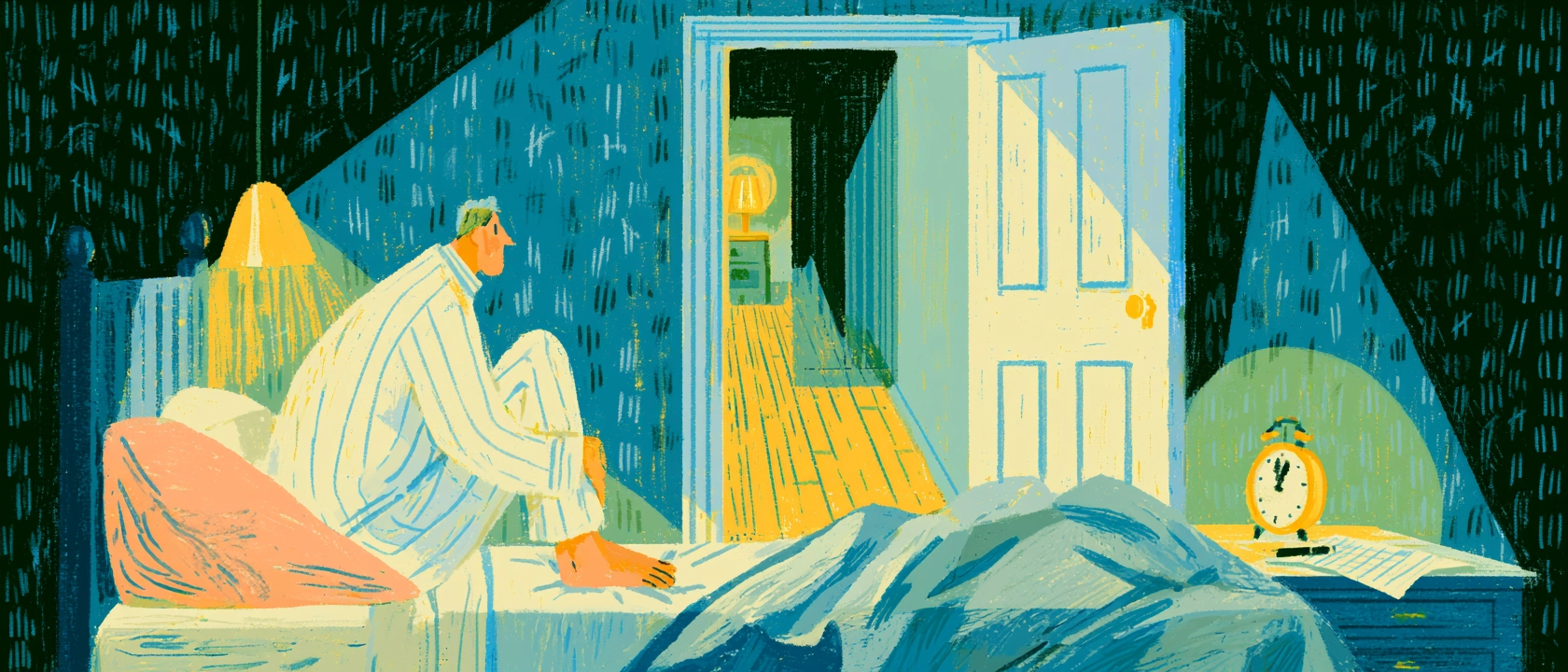
Nothing is wrong. Her heart is pounding anyway.
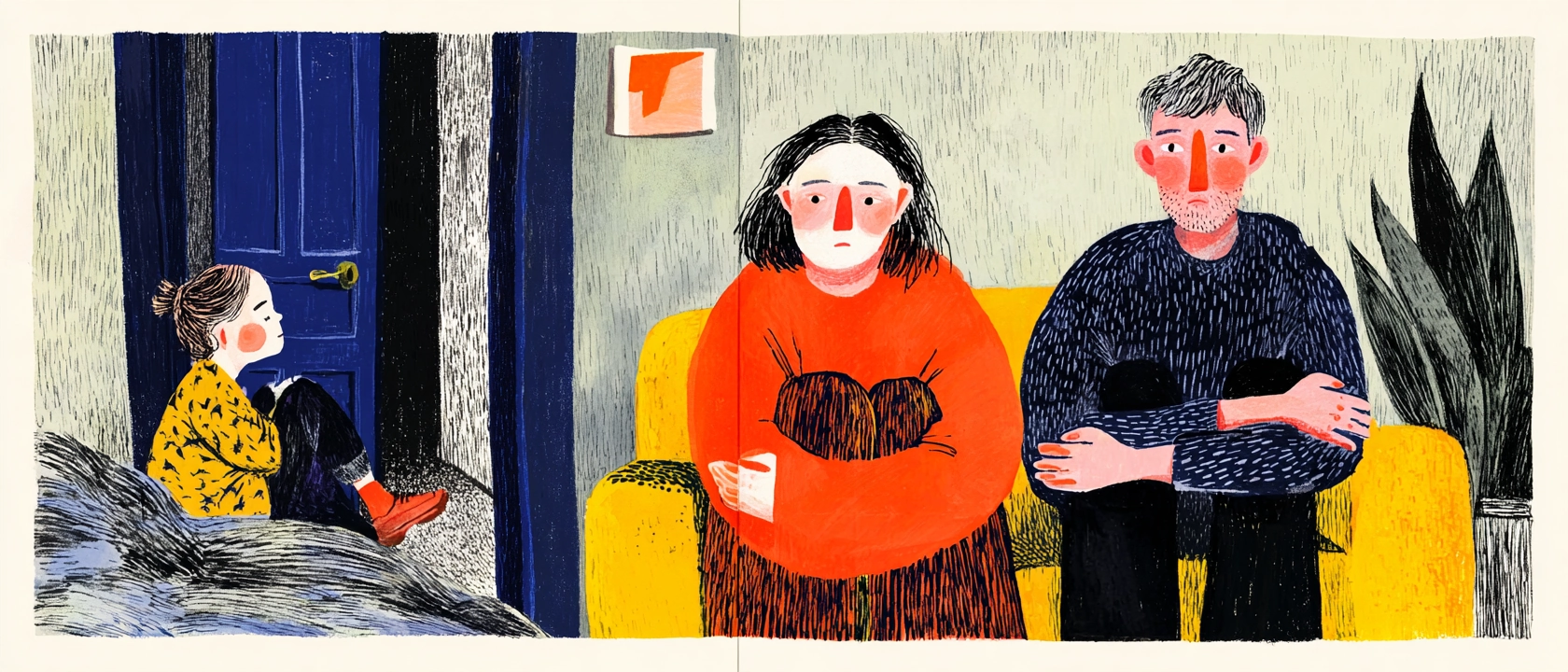
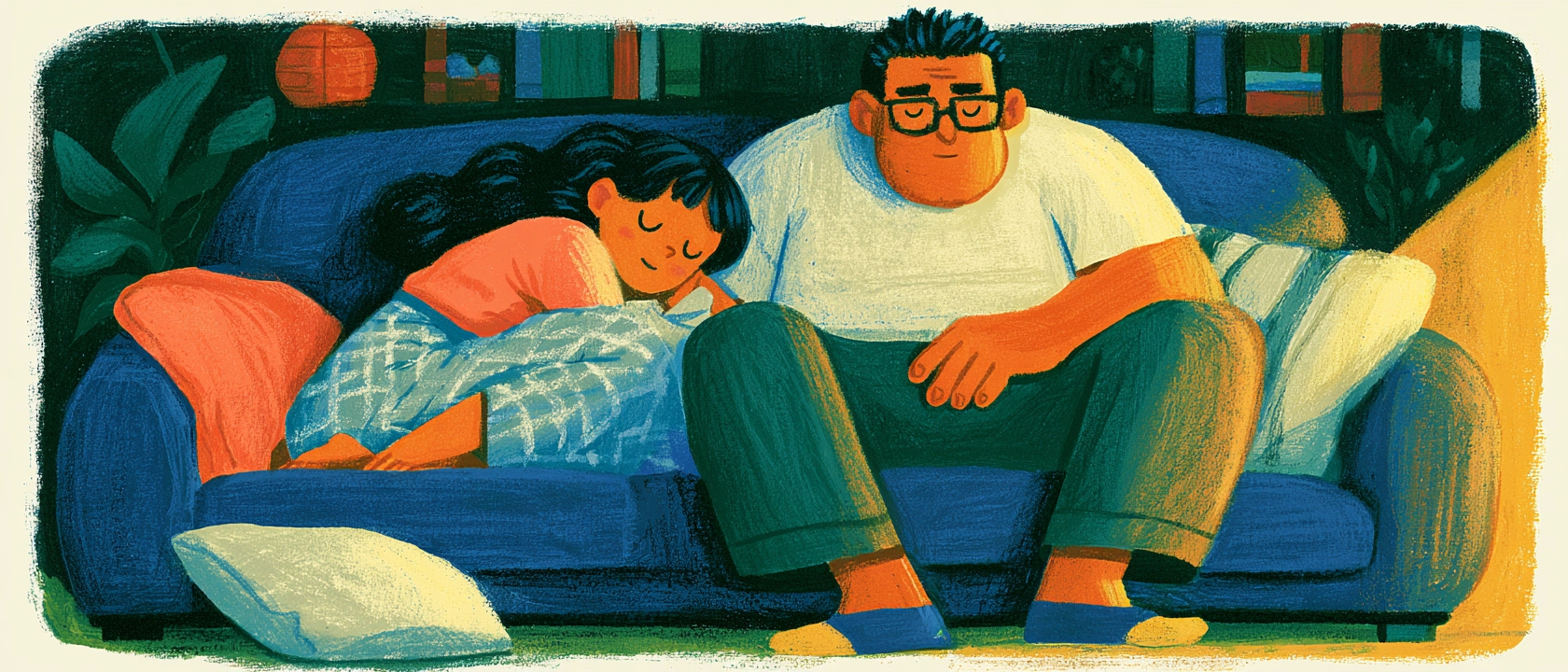
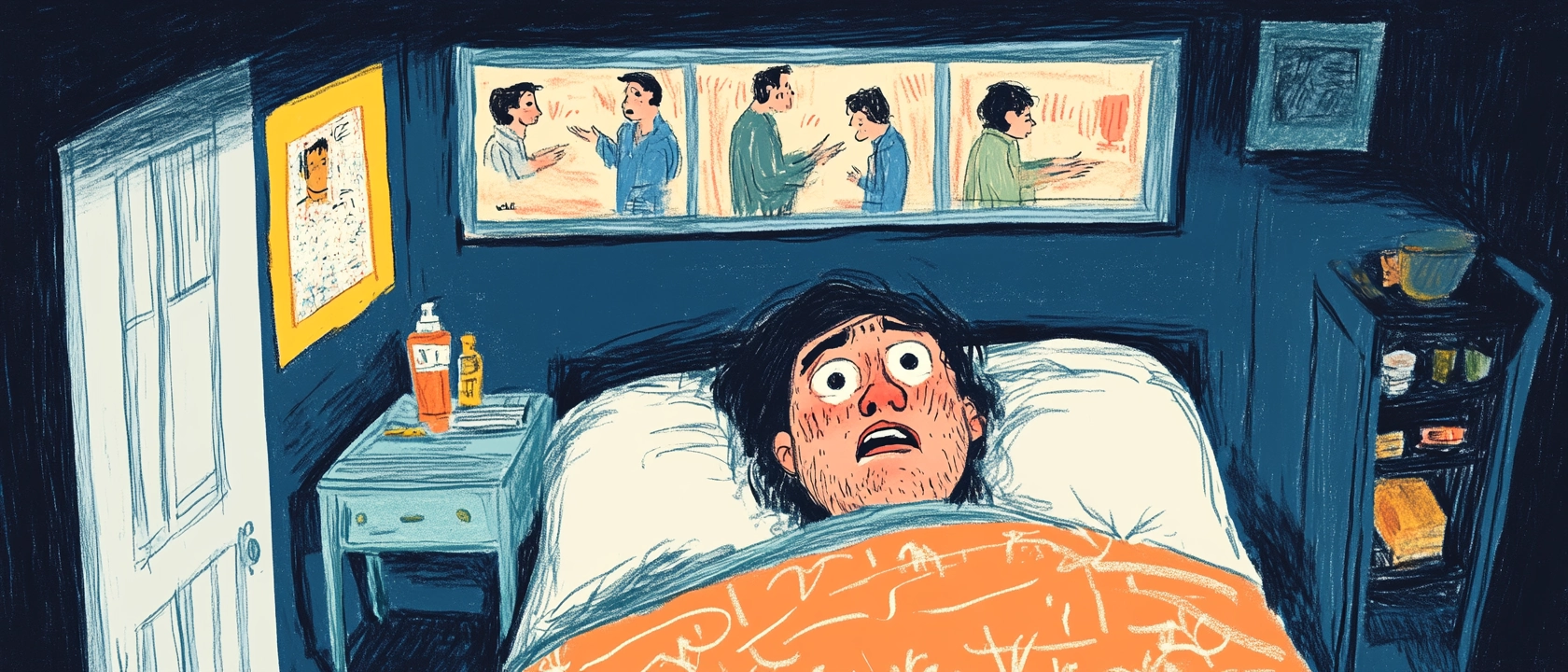
She's on the couch on a Tuesday night. The kids are asleep and the doors are locked. Tomorrow is nothing special. Her chest is tight, her thoughts sprint, her body is braced for something it can't name. The alert channel in her nervous system is still broadcasting, and there's no emergency to report.
If you've felt this, calm on paper but on high alert in your body, you're describing anxiety that lives below your thoughts, down in the nervous system itself. There's a kind of therapy built for that exact layer. It's called Brainspotting, and it works with the body rather than arguing with the worry.
What is Brainspotting for anxiety? Brainspotting is a somatic, or body-based, therapy that treats anxiety by working with the nervous system underneath the anxious thoughts. Guided by a fixed eye position linked to where the worry sits in your body, it helps the brain process and quiet the underlying threat response that keeps you feeling on edge.
Anxiety shows up in the body as much as the mind.
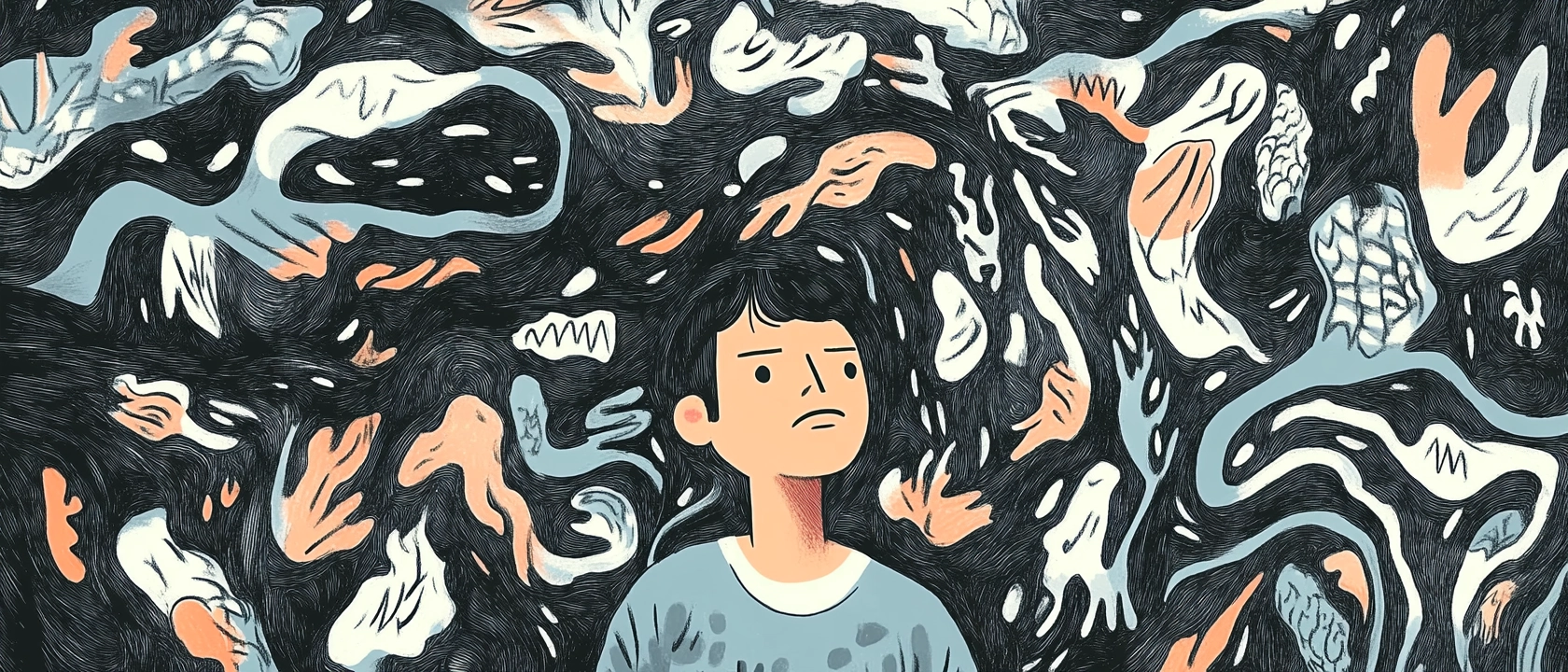
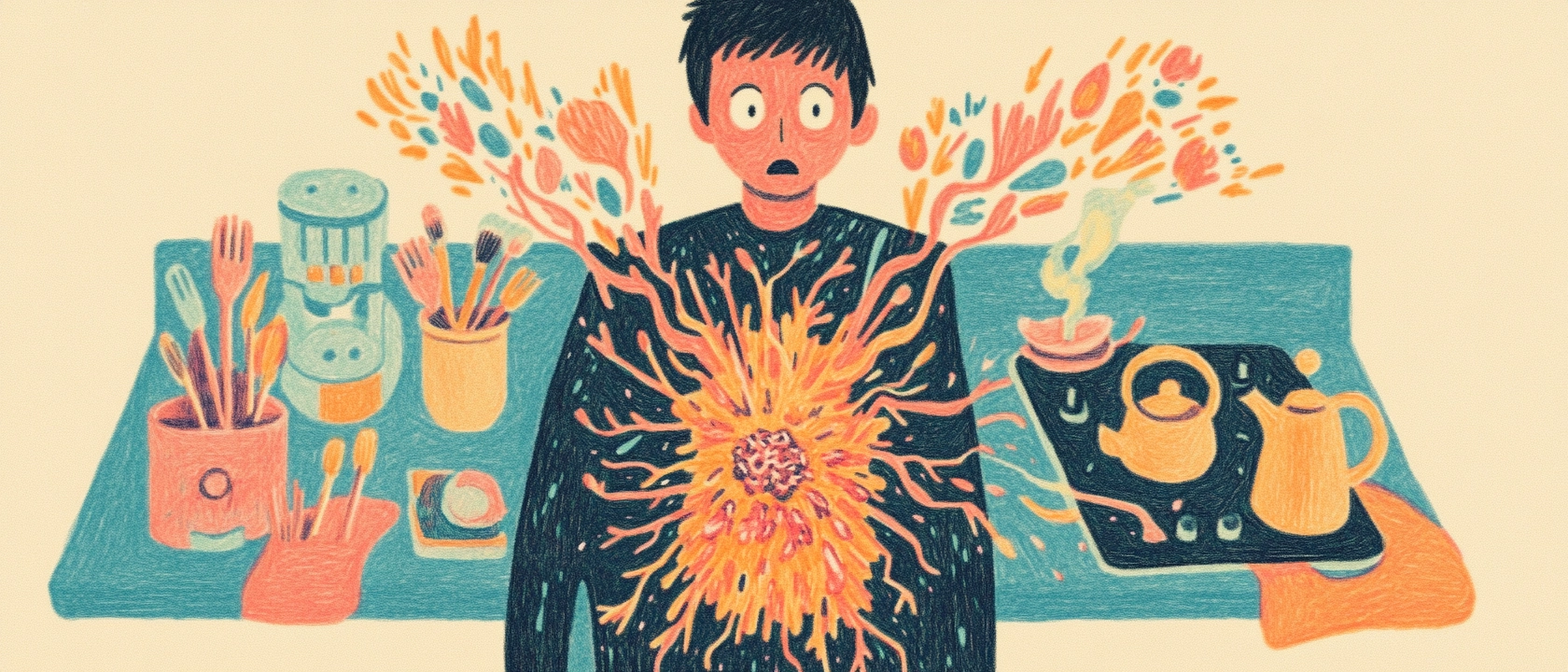
You might recognize it. A stomach that knots before there's anything to dread. A jaw you didn't realize was clenched until it aches at night. The worry has physical roots, and those roots often fire before a single anxious thought forms.
Think of it as a signal stuck on broadcast. Somewhere along the way, your nervous system learned to treat ordinary moments as alerts, and now the channel runs whether or not there's news. You can turn the volume down with logic for a while. The signal keeps transmitting underneath.
Anxiety keeps its own memory.
Even when you know you're safe, your body can react as if there's danger, because anxiety is tied to how the nervous system learned to respond, and that learning can outlast the facts in front of you. The Anxiety and Depression Association of America describes anxiety disorders as an overactive threat response, the body's fight-or-flight system firing when it doesn't need to.
Brainspotting steps in at that level. It reaches the deeper, subcortical brain that runs the threat response through eye position and body awareness, the layer that talking tends to skip over.
You've probably been told to reason with it.
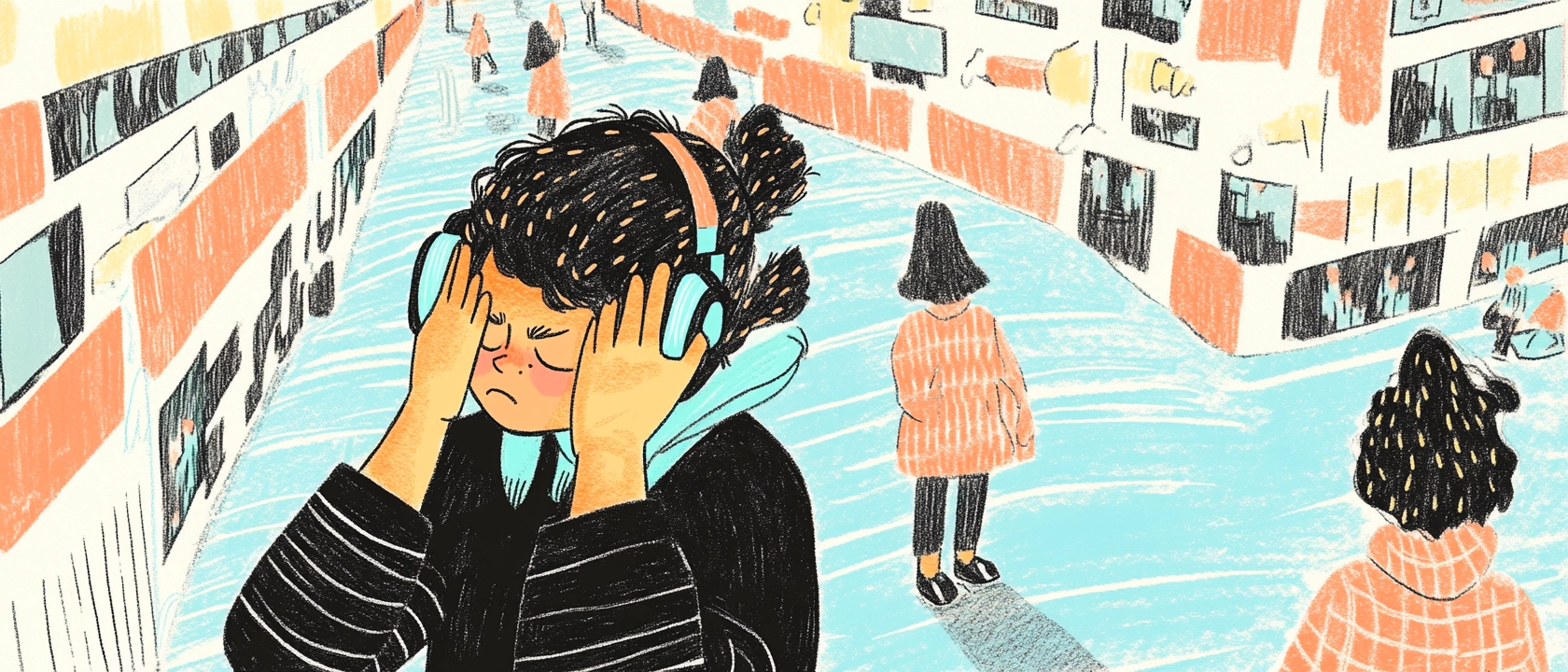
Challenge the thought. List the evidence against it. Remind yourself you're fine, and for a lot of anxiety, that genuinely works. But when the signal is running below language, logic is aimed at the wrong frequency. The thinking brain receives it; the channel broadcasting the alarm is tuned somewhere else.
That's the piece so many people miss about their own anxiety. They assume that because they can't reason their way calm, they're doing it wrong. The tools were just aimed at the wrong part of the brain.
You can know, with total certainty, that you're safe and still feel your body insist otherwise. Anxiety is often a signal that keeps transmitting after the danger is gone.
Left alone, anxiety tends to recruit more of your life.
The list of things you avoid grows. Sleep frays. The body stays in low-grade fight-or-flight, which wears on your health over time: headaches, stomach trouble, a shorter fuse with the people you love. Some people shrink their world smaller and smaller to stay under the threshold and call it coping. Others lean on a drink to take the edge off at night.
Left to itself, the signal tends to grow louder and more easily tripped. That's the honest case for treating anxiety rather than outlasting it.
At Layers, Megan Bridges offers Brainspotting for clients whose anxiety hasn't fully answered to talk therapy. In a session, she helps you notice where the anxiety sits in your body, finds the eye position that holds it most strongly, and stays with you while your nervous system does the settling.
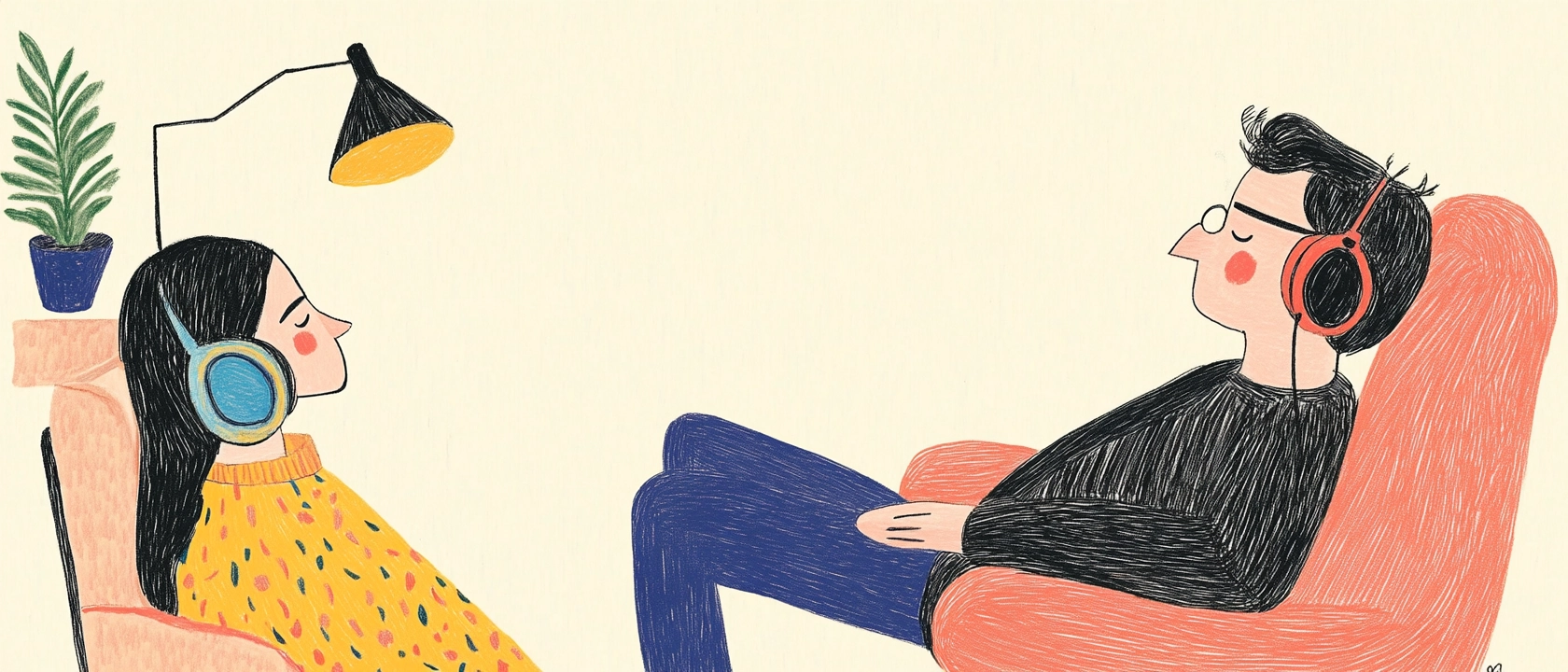
She'll often add bilateral sound: soft audio that alternates ear to ear and helps the body drop into a calmer state. You don't have to explain every worry for it to work, which is a relief for people whose anxiety gets worse the more they analyze it.
Brainspotting rarely works alone. For many people it sits alongside CBT or another approach, and we'll help you find the mix that fits. If you're weighing it against a related method, we compare Brainspotting and EMDR here. In our work with anxious clients, the people who get the most from it are usually the ones who could teach a class on their own anxiety and still can't get their body to believe a word of it. Our team works with anxiety across ages and alongside related concerns like OCD and trauma.
Often, yes, though the research is still early. Small studies have found Brainspotting can reduce anxiety symptoms, with results comparable to EMDR and holding up over time in at least one trial on generalized anxiety. It's newer and less studied than CBT, so many clinicians use it alongside more established approaches rather than in place of them.
Most people find it calmer and more internal than they expect. You hold your gaze on a spot while noticing what happens in your body, while your therapist stays attuned and often plays soft bilateral sound. Some feel a physical release or a settling; some surface an old memory tied to the worry. You ground before you leave.
They do different jobs. CBT works with your thoughts and behaviors and has a large evidence base; Brainspotting works with the body and nervous system and is newer. For anxiety driven by thinking patterns, CBT may fit better. For anxiety that stays stuck in the body after you've done the cognitive work, Brainspotting can reach a different layer. Plenty of people benefit from both.
It varies. Some people notice a shift within a few sessions, while others work over a longer stretch, especially when the anxiety is tied to older experiences. Your therapist will set expectations with you early and adjust to your pace.
It may be worth asking about if:
If you're in crisis right now, you don't have to wait for an appointment. Call or text 988 (Suicide & Crisis Lifeline) any time.
Layers Counseling Specialists is in Plano, Texas, and works with anxious adults and teens across the DFW area. If you've done the thinking work and your body still won't settle, our therapists in Plano can help you find the approach that reaches it. You can request an appointment here.
The woman on the couch on a Tuesday night still has anxious days. But more of them end with the channel quiet: the body finally off alert, the room finally just a room.
By Karla Pineda, LPC · Last reviewed: July 2026
This article is for educational purposes and is not a substitute for professional medical advice. If you or someone you know is in crisis, call or text 988 (Suicide & Crisis Lifeline) or text HOME to 741741.