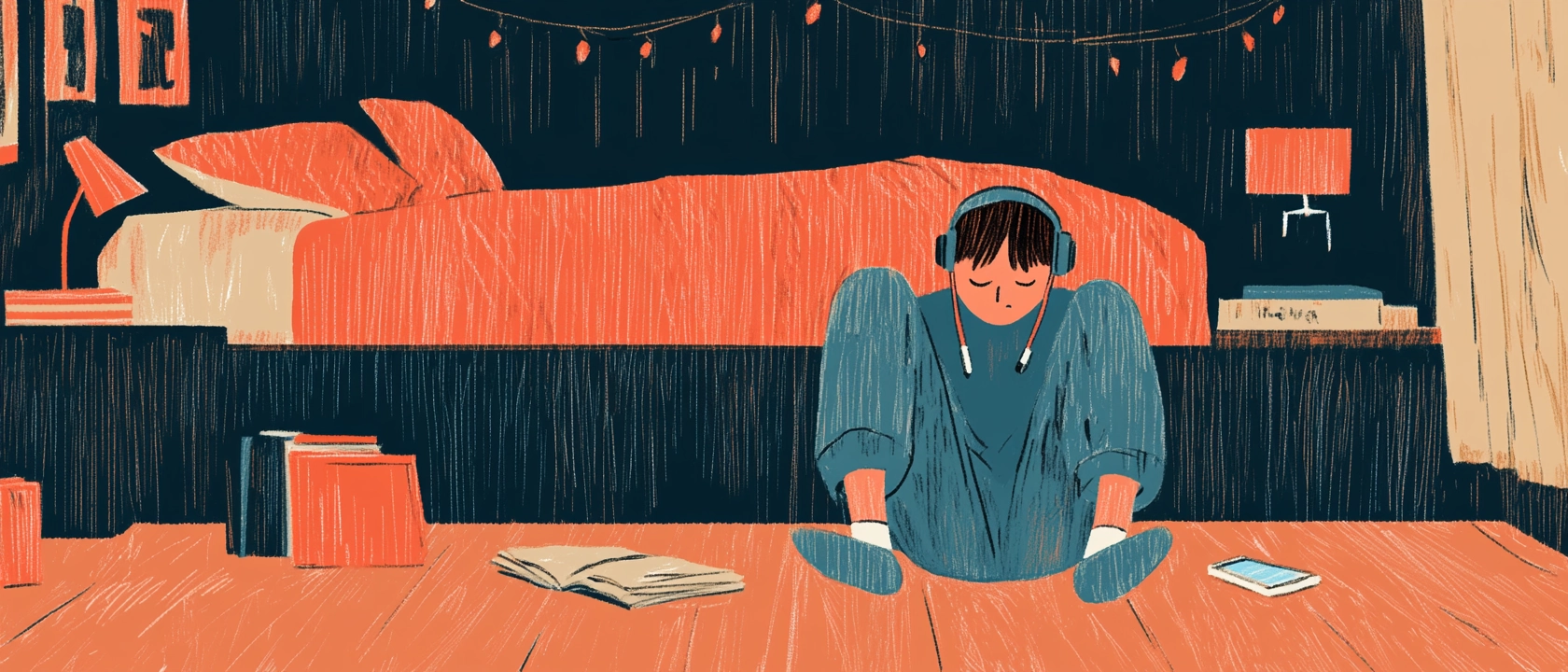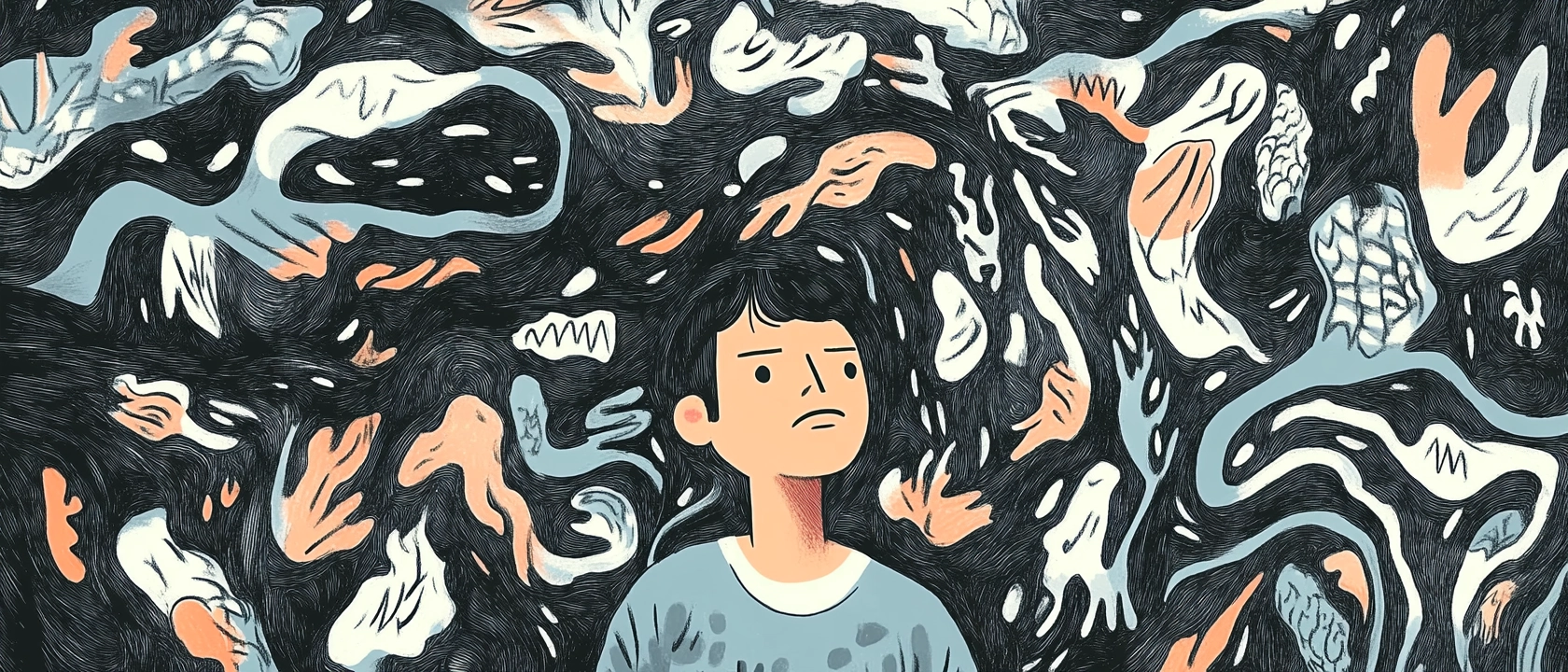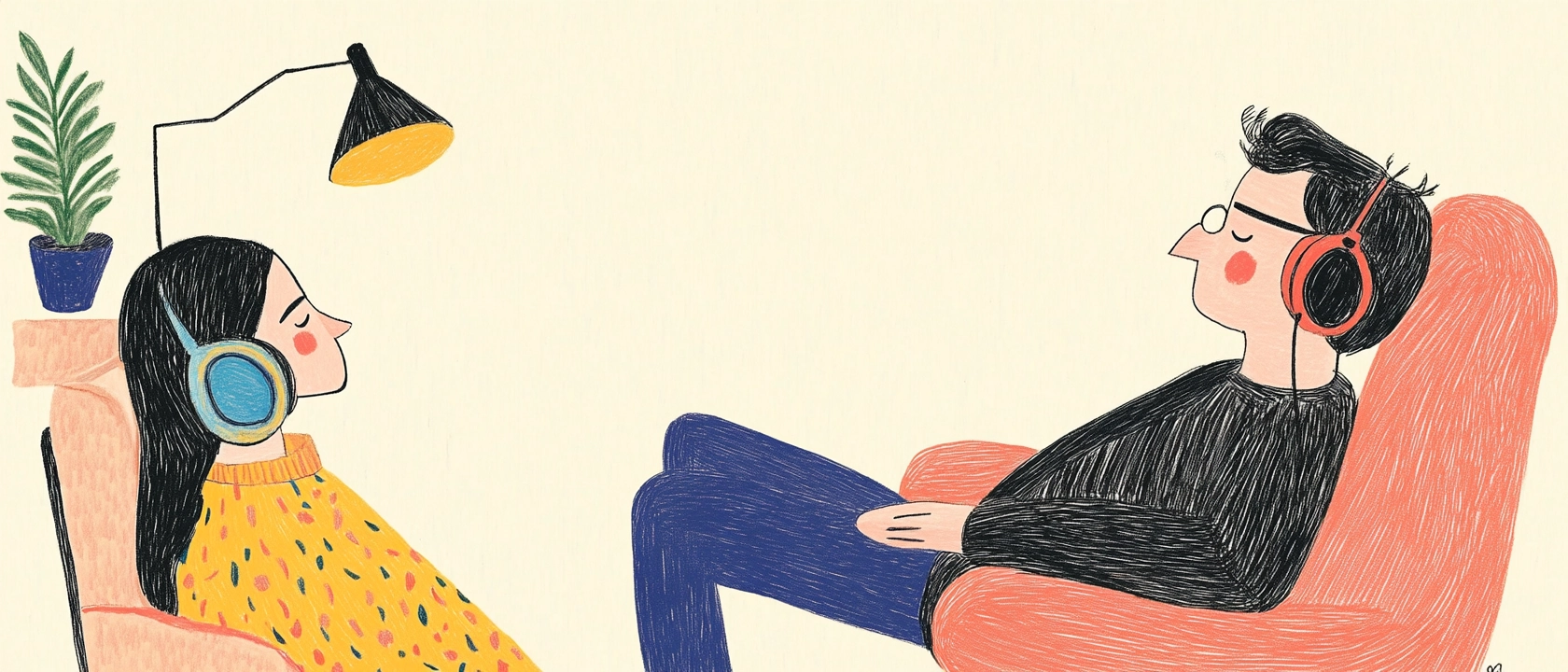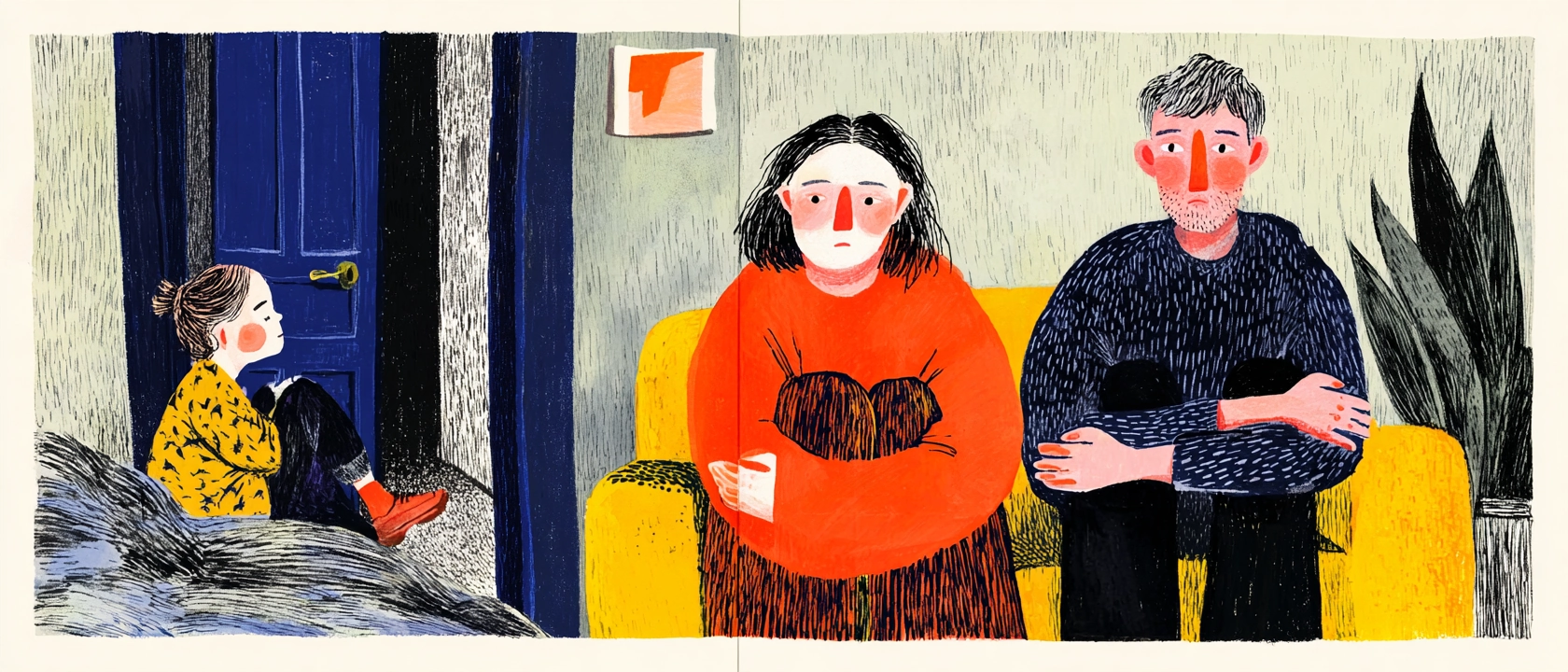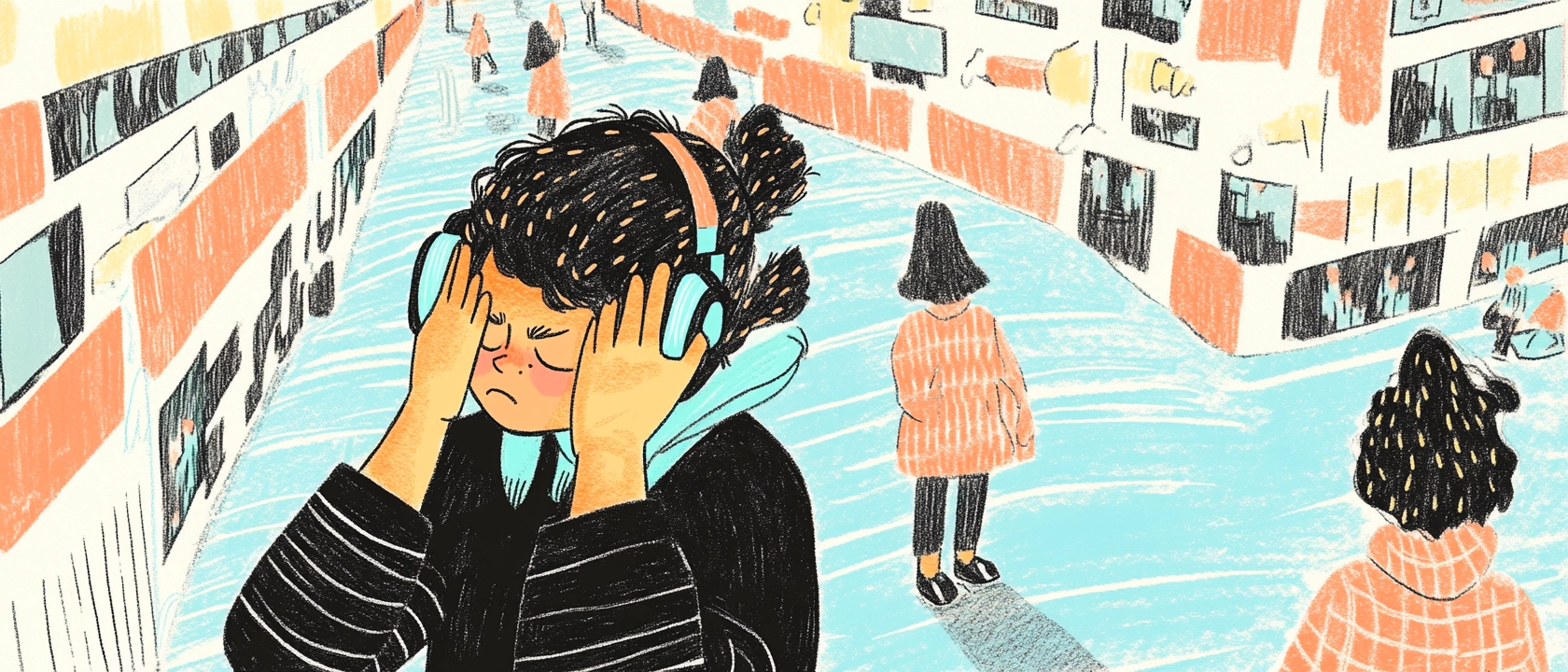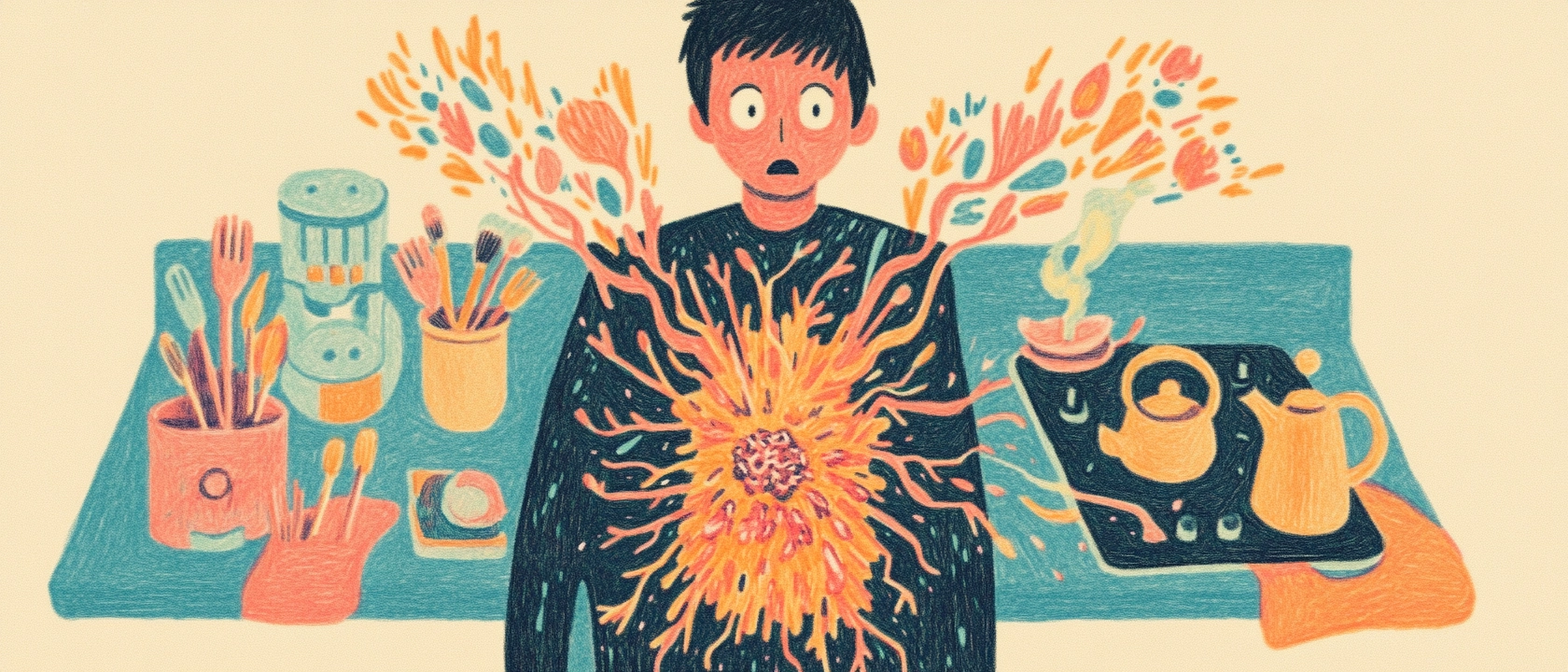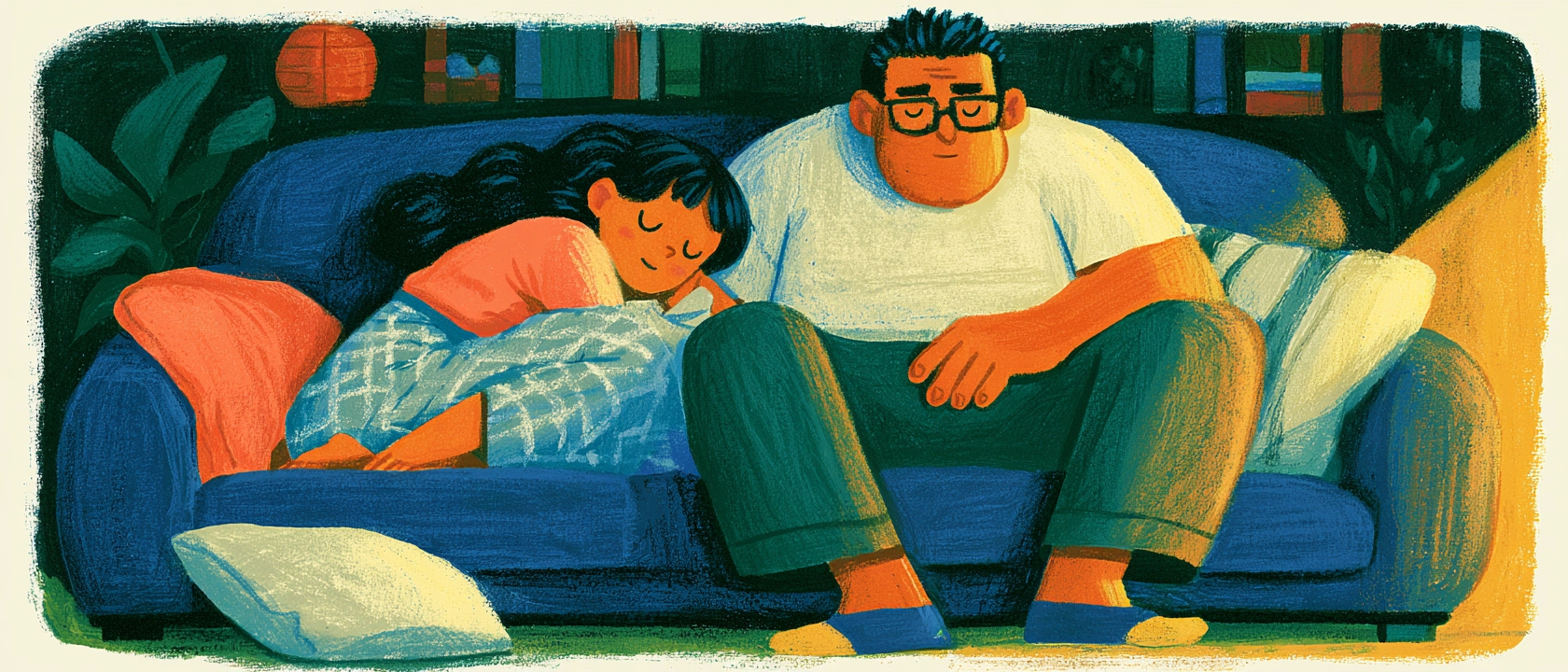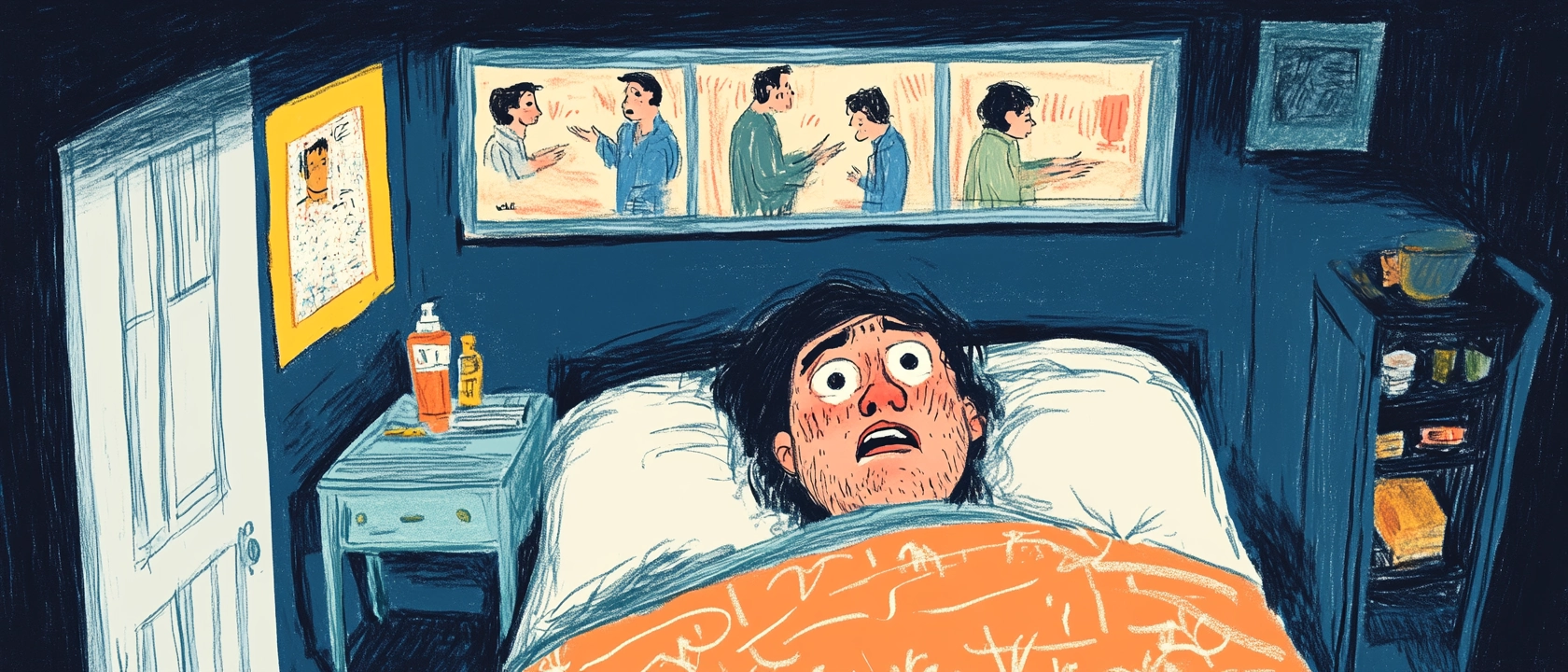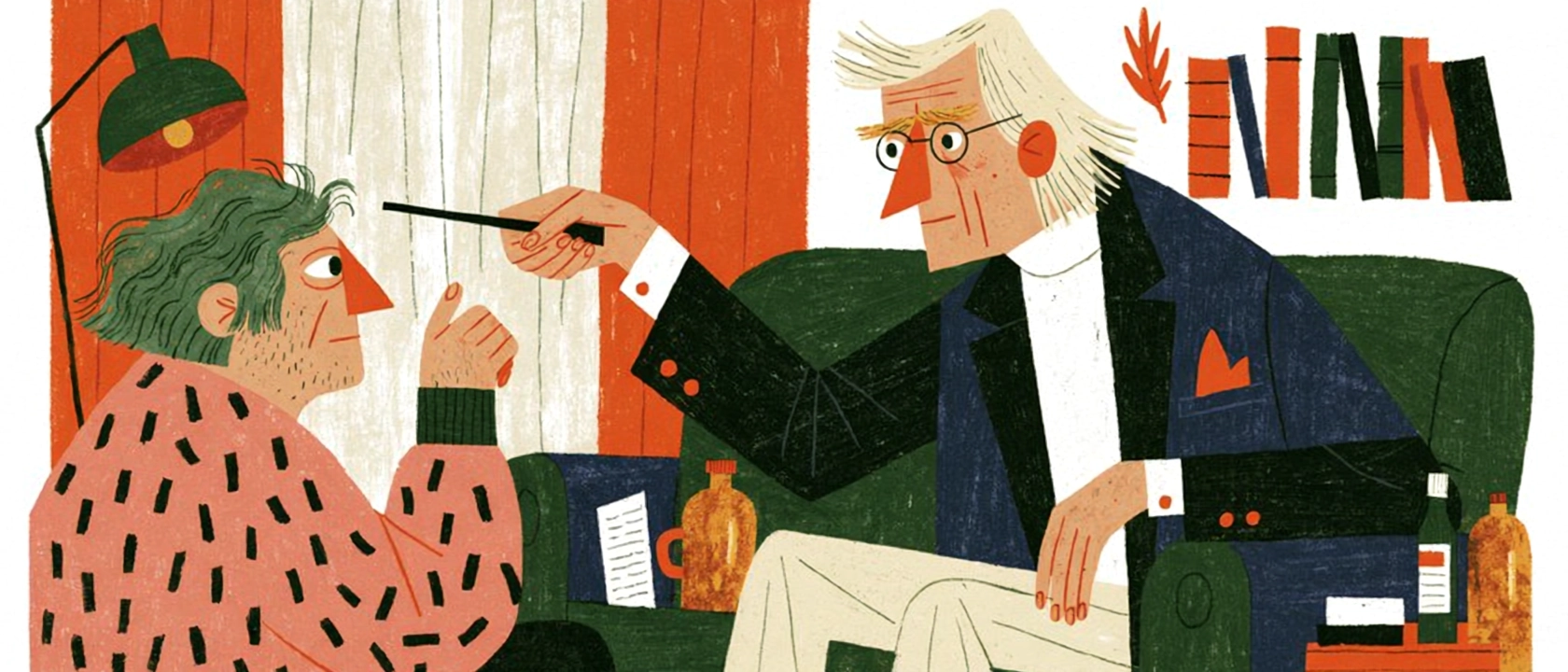
Talk it out. That's the advice everyone gives.
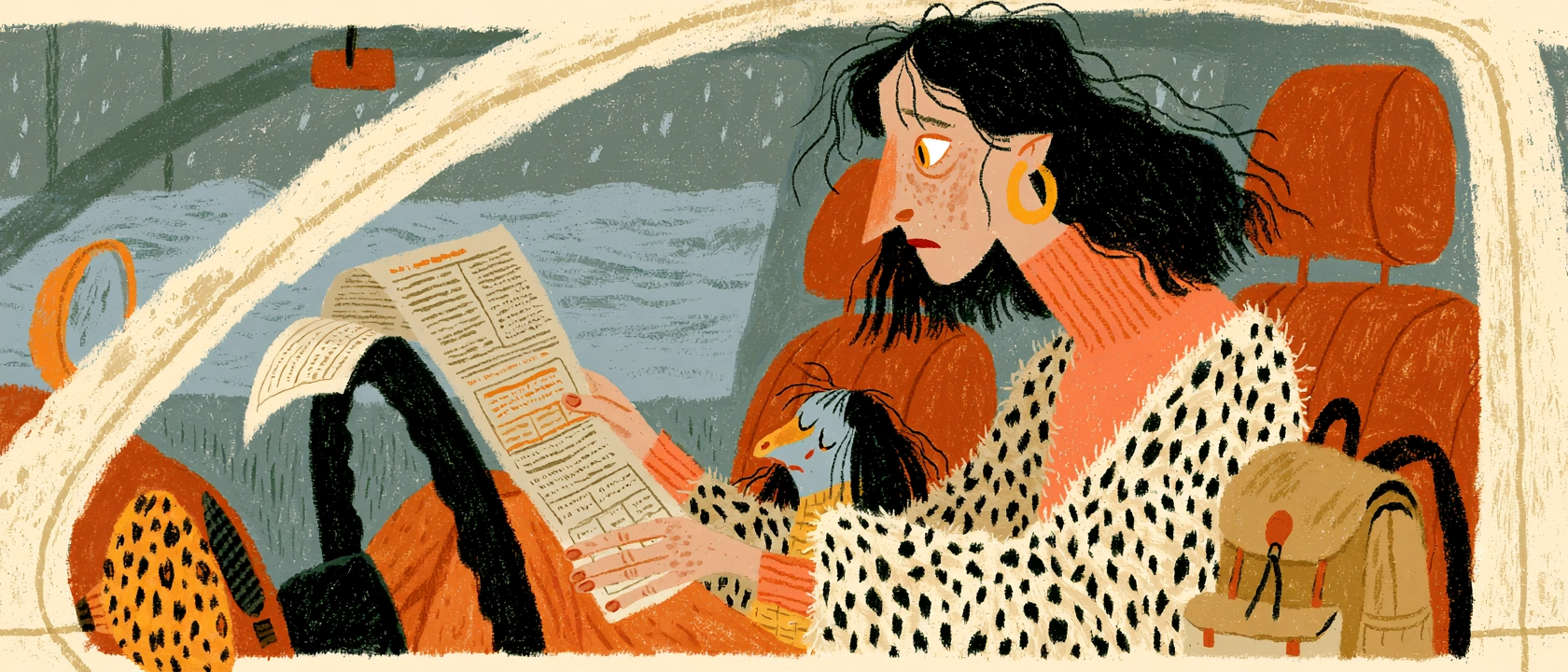
And for a lot of pain, it works. You say the hard thing to a safe person, the knot loosens, you leave lighter. But trauma doesn't always follow that rule. One client could describe her childhood like a case file. She understood the cause of every fear she carried. And she still couldn't drive past one particular intersection without her chest going tight — a reaction no amount of insight ever loosened, the way time and understanding alone rarely heal childhood trauma.
If that's you, you're not failing at therapy. You've likely hit the ceiling of what talking alone can reach. There's a name for the kind of therapy built for what sits underneath. It's called Brainspotting, and it works with the part of the brain that words never quite get to.
So why does trauma outlast talk therapy? Talk therapy works "top-down," starting with conscious thoughts and language. But trauma is often stored lower, in the midbrain and body, where words don't reach. Brainspotting is a bottom-up approach that accesses those deeper regions through fixed eye positions, letting the brain process what it couldn't put into words.
Most therapy is top-down.
That term has a specific meaning. Clinicians call talk therapy a top-down approach because it begins with the thinking brain, the part that reasons and explains. A bottom-up approach starts somewhere else: with the body and nervous system, where stress actually gets stored.
Picture the mind as a house with two floors. Upstairs is the thinking brain, the part that reasons and puts things into words. Down in the basement is the survival brain, where the body keeps what happened to it. Talk therapy is a long conversation in the upstairs living room. The trouble is that trauma is kept in the basement, and you can talk in the living room all day without the basement ever hearing a word of it.
The Cleveland Clinic describes how a distressing event can get "buried," its details and feelings suppressed, only to resurface later as flashbacks or a racing heart you can't talk yourself out of. The thinking brain understands the event is over. The message never made it down the stairs.
Here's what surprises people most.
You'd think that once you understand your trauma, you'd be free of it. Understanding feels like it should equal healing. For a lot of people, it doesn't come close. The understanding sits on one floor of the house, the fear sits on another, and the first can't reach the second.
When something is stored below language, talking about it can even backfire. Cleveland Clinic and others note that revisiting painful details can force some people to relive the event and re-activate the very distress they came in to resolve. You leave more raw than when you arrived, and you start to dread the work.
Brainspotting works on the lower floor. It reaches the basement through eye position and body awareness, which is why processing can happen without narrating the whole story out loud.
You can understand your trauma completely and still feel it in your body. Insight and relief live in different rooms.
Untreated trauma doesn't wait politely.
Left alone, it tends to widen its footprint. The startle response generalizes, so more and more situations feel unsafe. Sleep suffers. Relationships strain under hypervigilance or numbness. Some people lean on alcohol or avoidance to get through the day, which carries its own costs.
There's no character flaw in any of this. The survival brain in the basement is still braced against a threat that's already over, and the longer it braces, the more of daily life it pulls into the alert. That's the honest reason to treat trauma instead of waiting for it to fade.
At Layers, Brainspotting is done by Megan Bridges, who's trained in the approach and focused on trauma and PTSD. In a session, she helps you find a "brainspot," a fixed eye position where the distress feels strongest, and stays attuned with you while you hold your gaze there and let the feeling move.
Often she'll pair it with bilateral sound: gentle audio that alternates between the ears and helps the nervous system settle into deeper processing. You don't have to narrate the whole story for the work to happen, which is part of why people who felt re-traumatized by talk-heavy therapy often tolerate it better.
Some clients come to Brainspotting curious how it compares to EMDR, which we break down in a separate post; others arrive after years of talk therapy that never reached the basement. What we see most often in our practice is that the people it helps most are the ones who've already done the talking and still feel stuck. Our trauma team works with adults and teens across a range of needs, and we'll help you figure out whether Brainspotting, EMDR, or another approach fits where you actually are.
The research is promising and still early. Small studies, including work published in 2024, have found meaningful reductions in PTSD symptoms, and some suggest it performs comparably to EMDR. Brainspotting is newer than talk therapy, though, and doesn't yet appear on the major clinical guidelines for PTSD. A good clinician will tell you that honestly and still be able to explain why it helps many people.
Most people describe it as quiet and internal. You focus your gaze on a spot while noticing whatever comes up in your body and mind, a little like guided meditation. Some cry, some feel a physical release, some gain a new insight about an old event. Your therapist stays with you the whole time and helps you ground before you leave.
They're cousins. Both use eye position to help the brain reprocess trauma, and Brainspotting actually grew out of EMDR. The main difference is that EMDR moves the eyes back and forth through a structured protocol, while Brainspotting holds a fixed gaze and follows your process more flexibly. We walk through the full comparison elsewhere on the blog.
Yes. Although it began as in-person work, Brainspotting can be done effectively over video with a trained therapist guiding your gaze on screen. In-person can feel more supportive for some nervous-system work, so it's worth asking your therapist which setting fits you. Either way, the heart of the work, the attunement between you and the therapist, carries over.
It might be worth a conversation if:
If you're in crisis right now, you don't have to wait for an appointment. Call or text 988 (Suicide & Crisis Lifeline) any time.
Layers Counseling Specialists is based in Plano, Texas, and works with families and adults across the DFW area. If talk therapy has taken you as far as it can go, our trauma therapy team in Plano can help you find the approach that reaches the rest. You can request an appointment here.
The woman who could explain her own trauma and still couldn't drive past that intersection? With time in body-based work, she made the drive without gripping the wheel. She still remembers what happened there. The basement, finally, got the message.
By Karla Pineda, LPC · Last reviewed: July 2026
This article is for educational purposes and is not a substitute for professional medical advice. If you or someone you know is in crisis, call or text 988 (Suicide & Crisis Lifeline) or text HOME to 741741.